Keep Playing
Keep your game moving forward
Explore practical resources on performance, recovery, mobility and golf longevity.
Read the Blog


Build a familiar post-round meal or snack around appetite, carbohydrate and protein foods, without strict timing rules or promises of better scores.


Understand how strength relates to swing speed, what older-golfer studies show, and why lifting alone is not a distance shortcut.

An elite golf study linked 16 weeks of strength training with faster clubhead speed. Here is the evidence-bounded takeaway for golfers over 40.

A look at PGA.com’s ground-inspection warning and its conditional recovery-shot options for trees, thick collars and shallow bunkers.

How the legs, hips and trunk contribute to the golf swing, plus a research-led look at strength training and foundational movement patterns after 40.

Understand how hips and spine share your golf turn, why restrictions may change that pattern, and how to focus on comfortable, controlled movement.
Plan sleep around early tee times with regular schedules, calming habits and realistic expectations, without treating general advice as a golf formula.

Club Champion’s AOSSM partnership raises a post-injury question: do your clubs still fit your swing? Equipment assessment remains separate from medical care.

Learn how static and dynamic balance differ, how foot pressure moves through the swing, and two simple ways to observe your control.
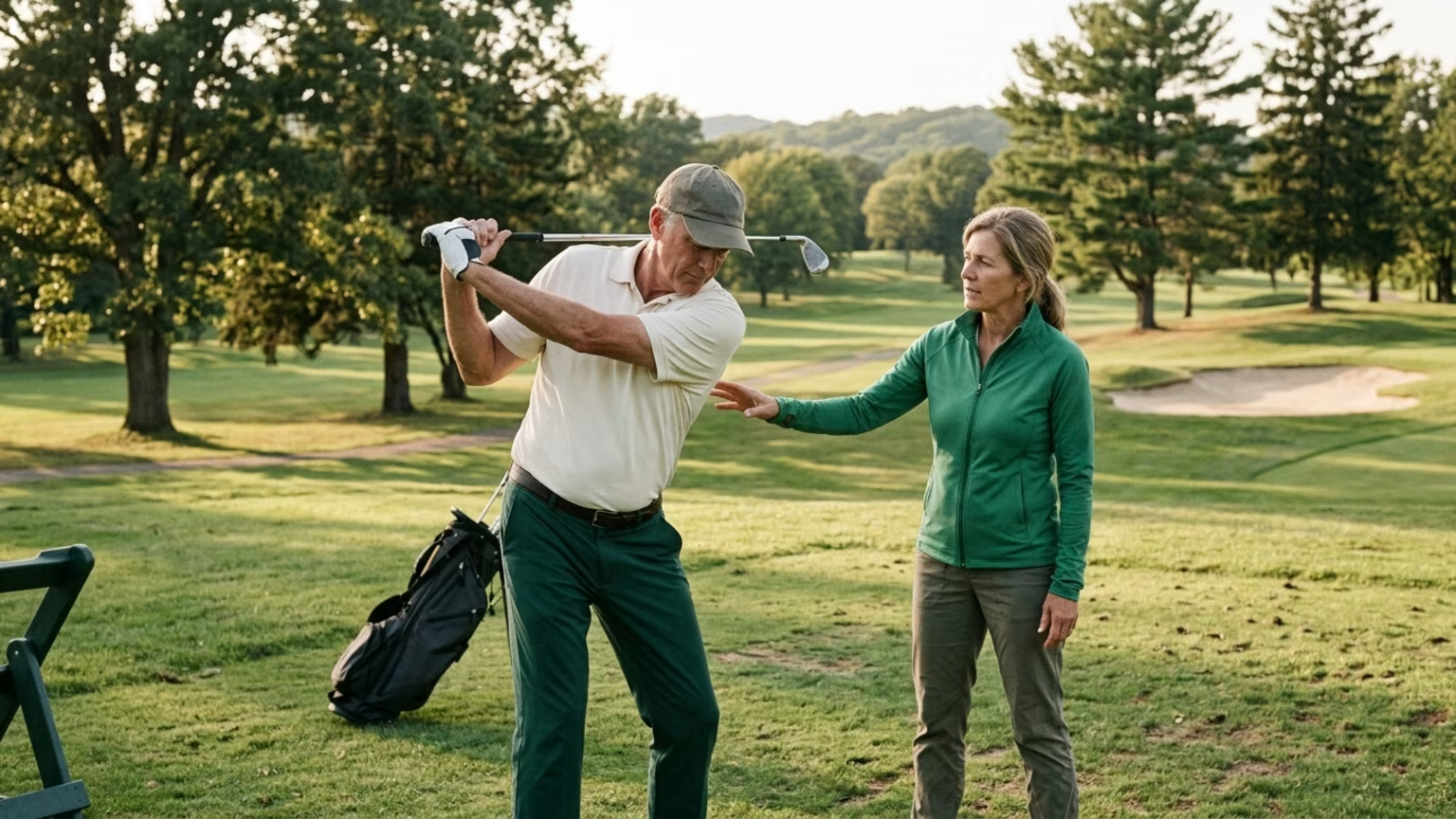
Understand trunk strength, control and mobility for golf, with practical starting points that focus on a comfortable turn rather than more rotation.
Weigh fatigue, soreness and your schedule when choosing rest, light activity or another golf round, with a practical look at the evidence.

Understand how hips, upper back and shoulders share a golf turn, with gentle ways to notice movement differences without chasing a fixed backswing angle.
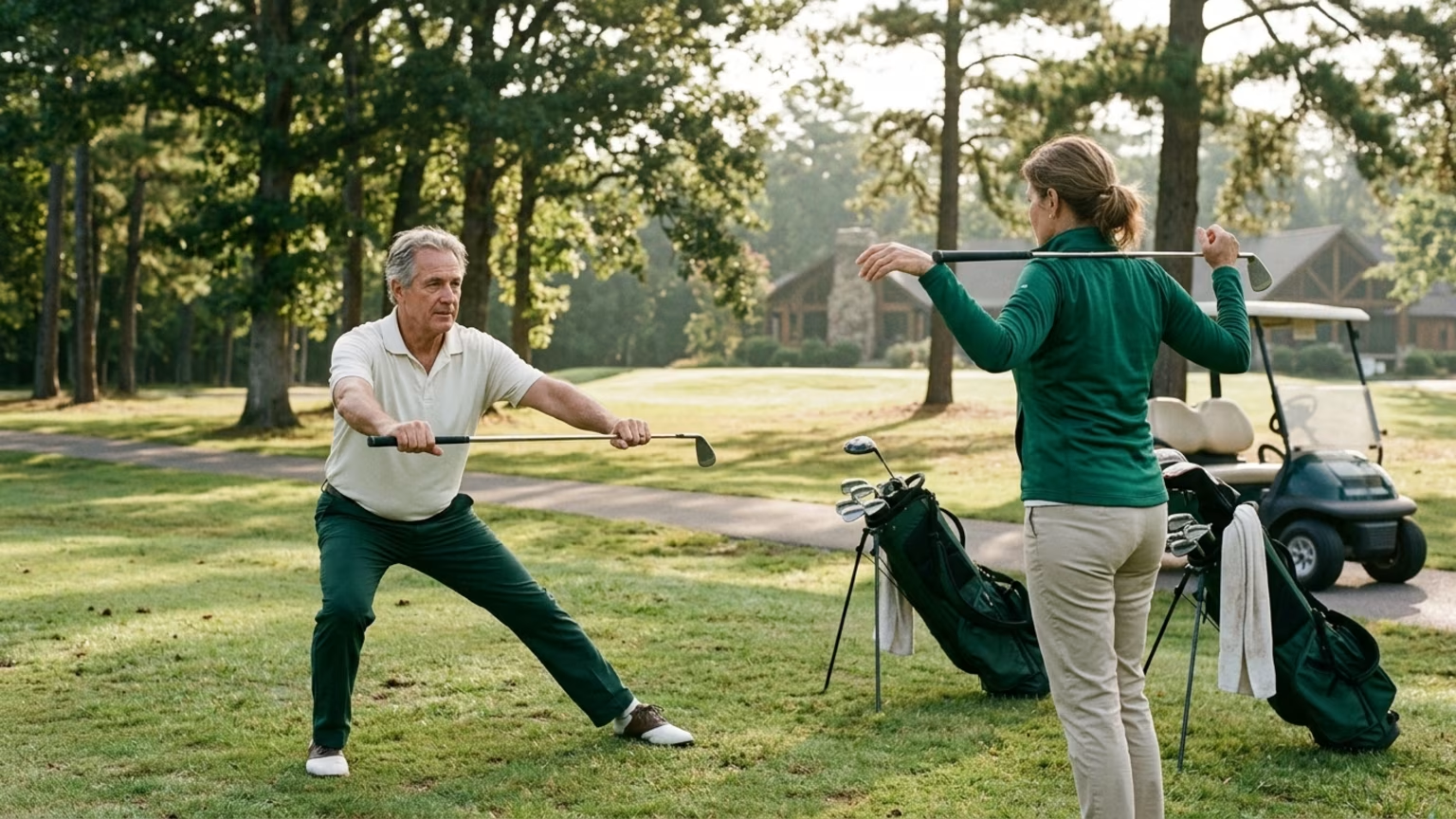
A flexible training framework for golfers over 40 that makes room for strength, balance, mobility and aerobic activity alongside play.

Track where golf discomfort occurs, when it starts and what you were doing. Use clear notes to discuss back and joint symptoms with a clinician.
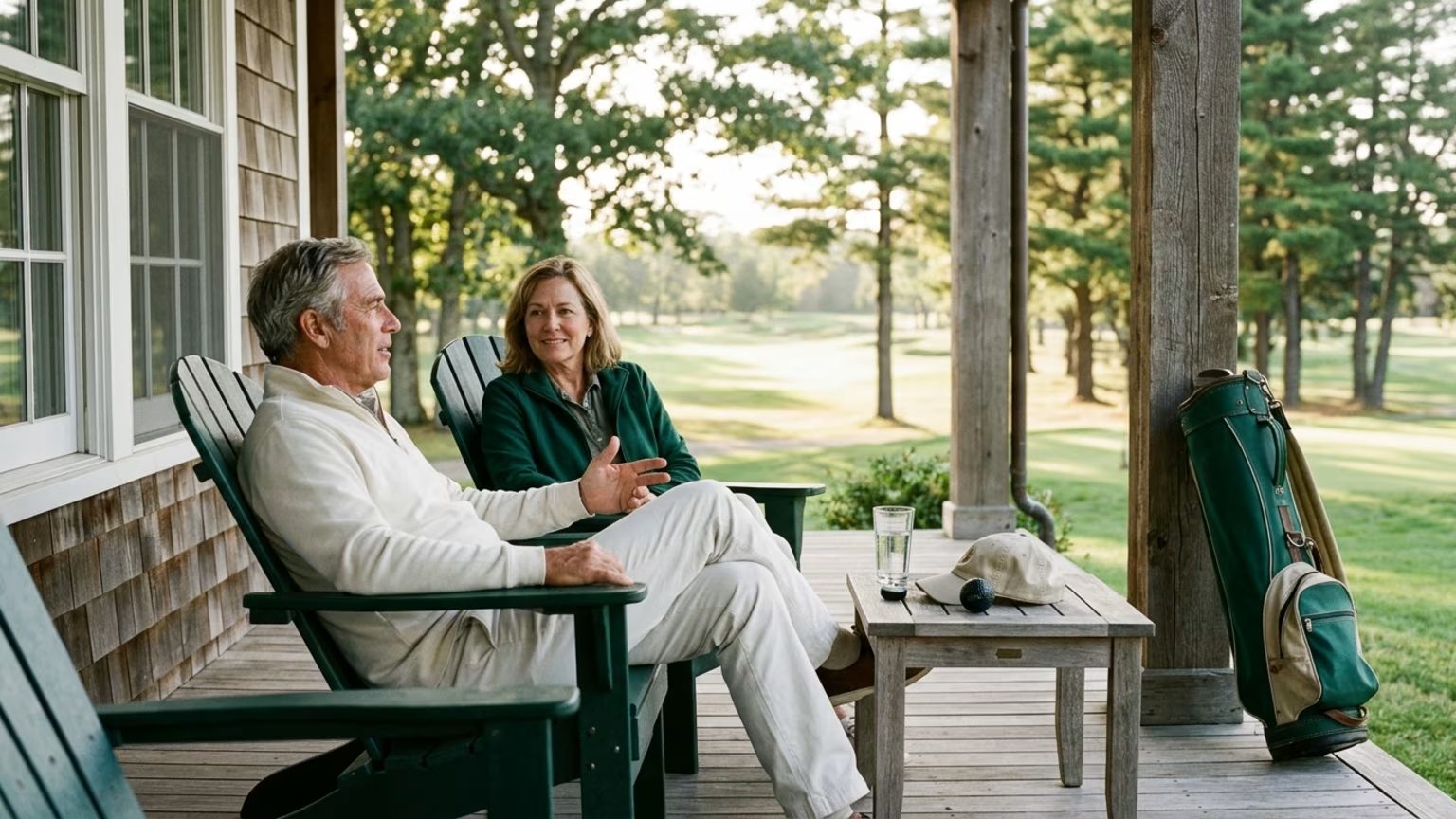
Choose between easy movement, lighter practice and full rest after golf, with a clear look at walking-round demands and the limits of recovery research.

Learn which golf symptoms deserve attention, when to pause painful swings, and how a simple activity log can help you discuss recurring problems.

See how balance fits alongside strength and coordination in golf, with a supported practice example and a clear look at the evidence.

Look beyond flexibility with a practical golf fitness priority check and a clear guide to what studies in older golfers actually measured.
Explore practical resources on performance, recovery, mobility and golf longevity.
Read the Blog


