

Build a familiar post-round meal or snack around appetite, carbohydrate and protein foods, without strict timing rules or promises of better scores.




What should I eat after golf when I want something satisfying without another set of rules? After a long outing, it is understandable to want a familiar meal rather than a nutrition calculation.
For recreational golfers over 40, a useful starting point is ordinary food that fits your appetite and schedule. Think about a carbohydrate source and a protein source. Then decide whether the occasion calls for a meal or a substantial snack.
If you also finish feeling tight or uncomfortable, keep that question separate from what goes on your plate.
A post-round meal cannot identify the cause of your back tightness. Personal symptoms call for an assessment by a qualified clinician rather than a food-based explanation.
Some published golf nutrition guidance promotes precise nutrient targets and a strict eating window. The available evidence does not establish those prescriptions for older recreational golfers. It also does not establish causes of back tightness, its effect on swing mechanics or an appropriate on-course stretch.
The professional-player context needs care too. A PGA TOUR report about its work with Cleveland Clinic describes personalized recovery and conditioning. That is not a tested post-round meal plan for recreational golfers.
The practical distinction is straightforward: make a sensible food choice without asking that meal to diagnose or treat a physical problem.
Do not assume that tightness explains a change in contact, distance or swing path. Treat the connection as a question to assess rather than a conclusion to draw from how you feel after playing.
If both appear during the same session, note the physical sensation separately from the shot outcome. “My back felt tight” and “my contact changed” are observations. They do not establish why either happened.
Keep the body question with qualified care. Keep the meal question focused on appetite and the rest of your day.
Do not select a stretch or swing adjustment from nutrition advice. A personal recommendation about symptoms belongs with a qualified clinician.
For the food decision you can make at the course, focus on one small choice: does a meal or a substantial snack fit what comes next? That is a decision about eating after an outing, not treatment for a tight back.
You do not need to solve both questions with the same action.
At Golfergy, we favor sustainable habits over quick fixes. For food after golf, that means keeping the decision familiar and manageable rather than turning every round into a special nutrition project.
Keep any plan for recurring tightness separate and guided by qualified care. The routine below concerns the everyday task of fitting food into your schedule.
Think about what happens after you leave the course. Are you going home for a meal? Are you meeting someone to eat? Is your next planned meal still some way off?
Let those ordinary circumstances shape the choice. A meal can fit when it is time to eat and you are hungry. A substantial snack can fit when a larger meal is coming later.
This is planning rather than clock-watching. The aim is to have a workable option instead of making the decision feel urgent or complicated.
Use carbohydrate and protein as simple categories for assembling food. You do not need to calculate a ratio or find a product labeled for recovery.
For illustration, familiar options might include:
Choose one starting point rather than trying to assemble an ideal menu. These examples are ordinary meal ideas, not special combinations promised to improve your next round.
If another meal sounds more appealing, use that as your starting point. Our guide to making everyday food choices after golf offers another way to frame the decision.
What you ate during the round matters to the decision about what sounds appropriate afterward. So do appetite and the plans ahead.
Walking, heat and another demanding activity later in the day are also relevant context. There is no need to turn those details into a points system or use them to calculate an exact plate.
Ask one question at a time. Start with whether you want a meal or a snack. Then choose familiar foods that fit that answer.
A substantial snack does not need to become a full dinner because it follows golf. A normal meal does not need a special name because you have just played.
The PGA TOUR report includes hydration and heat management among tournament-day considerations. Keep those subjects in view when thinking about the conditions you played in and what happens afterward.
For an everyday food routine, include a drink in the planning rather than focusing only on the plate. Personal hydration decisions deserve individual guidance when needed. There is no fluid quantity or supplement schedule attached to this meal outline.
Before your next outing, identify a familiar meal or snack that would fit afterward. This can be something available at home or an ordinary choice where you expect to eat.
Keep the habit small: know your next eating option. You do not need a separate shopping list of recovery products or a different menu for every round.
Food can sit within your wider between-round recovery routine without carrying the whole responsibility for how you feel. The goal is a practical eating habit, not a shortcut to better scores.
At your next practice session, notice your starting point before judging the shots. Pay attention to how your body feels and keep that observation separate from your contact or distance.
Afterward, note your appetite and whether your planned food choice fitted the day. If recurring physical symptoms need attention, take those observations to a qualified clinician rather than changing your meal in search of a treatment.
Use your next practice session to assess your body first, then make one manageable food-planning choice for the outing that follows.
Follow Golfergy for practical insights on performance, mobility, recovery and healthy ageing. Stay connected for new articles, research-led guidance and ideas to help you play better for longer.


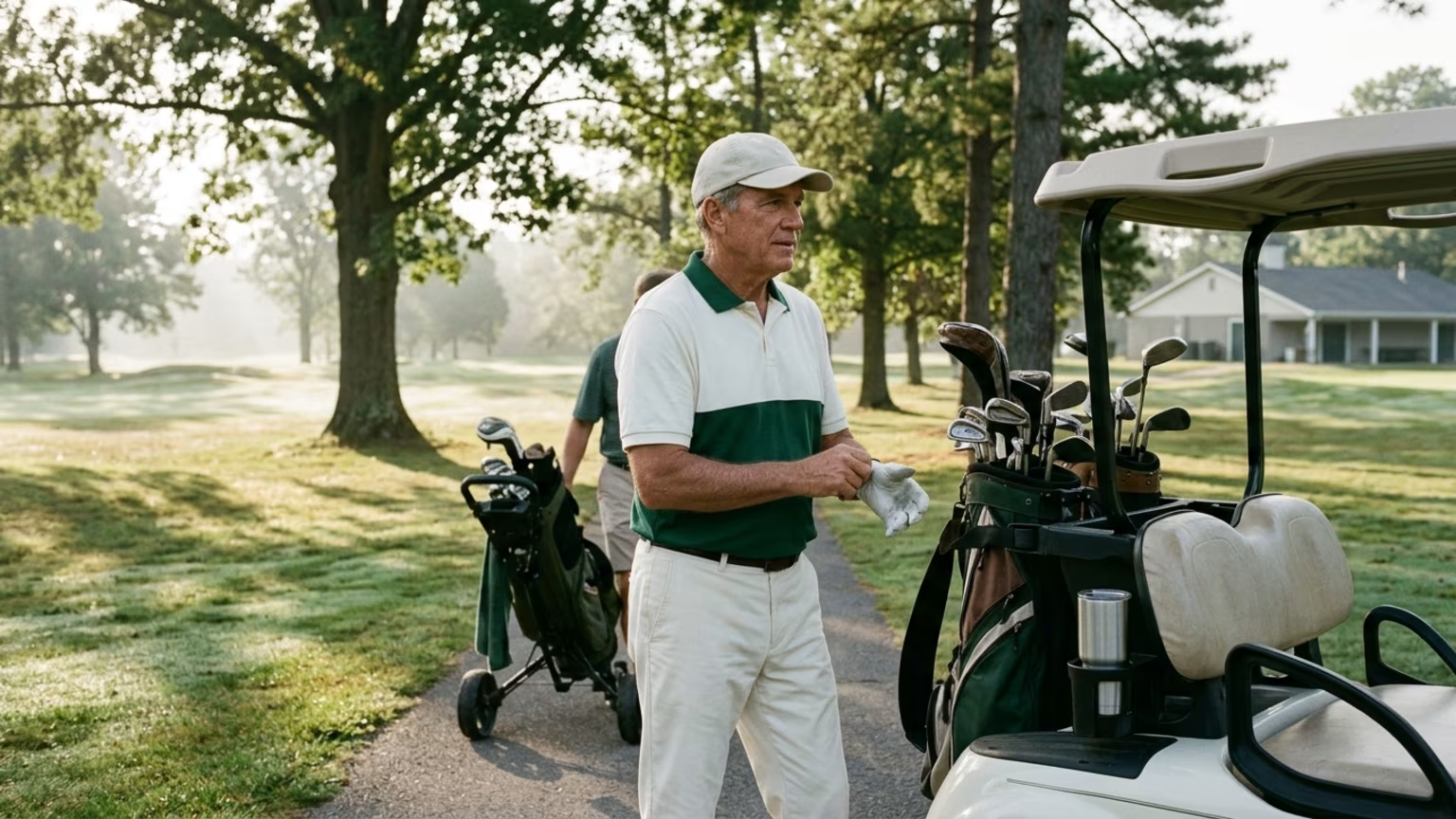
Plan sleep around early tee times with regular schedules, calming habits and realistic expectations, without treating general advice as a golf formula.

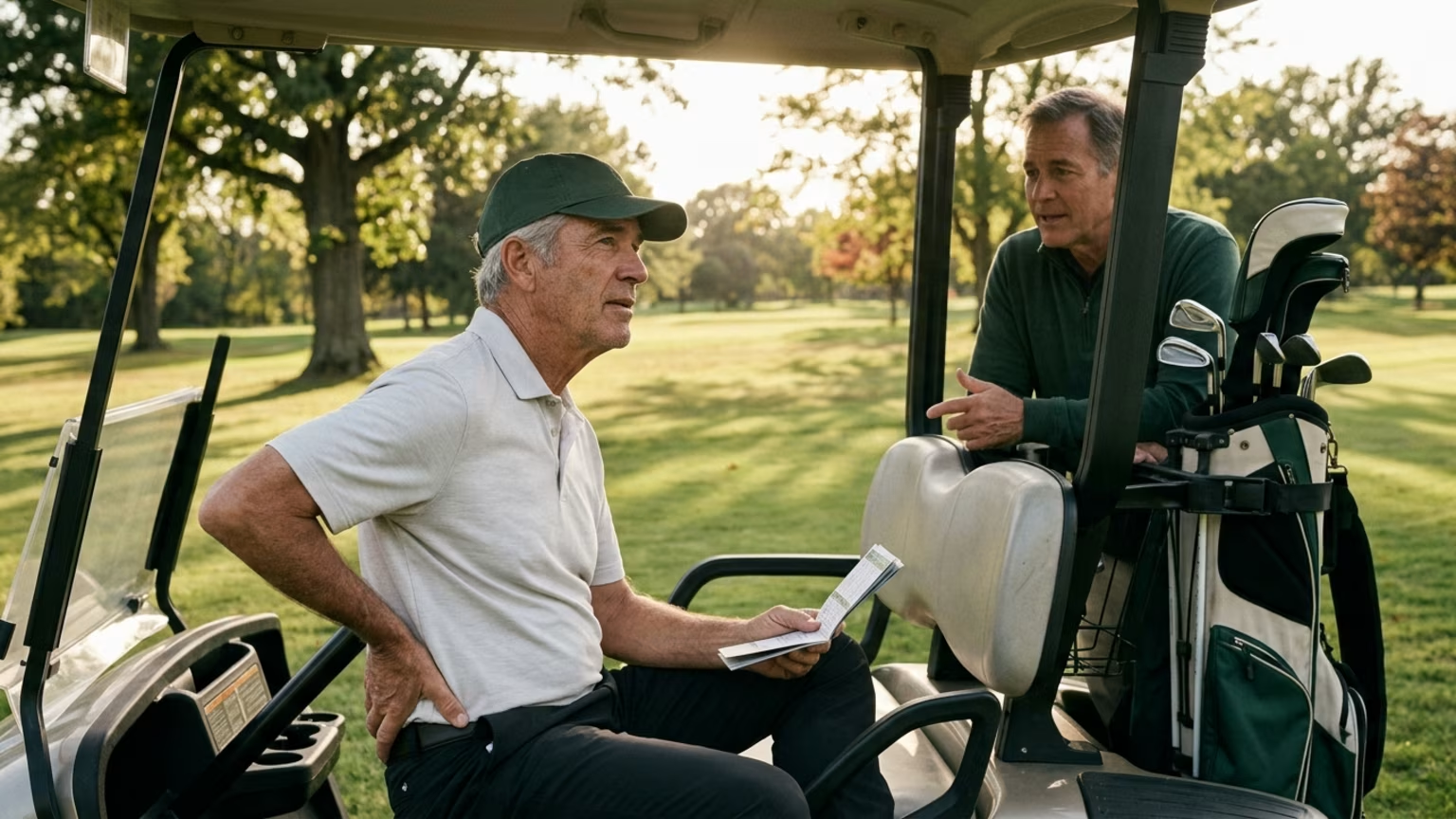
Weigh fatigue, soreness and your schedule when choosing rest, light activity or another golf round, with a practical look at the evidence.
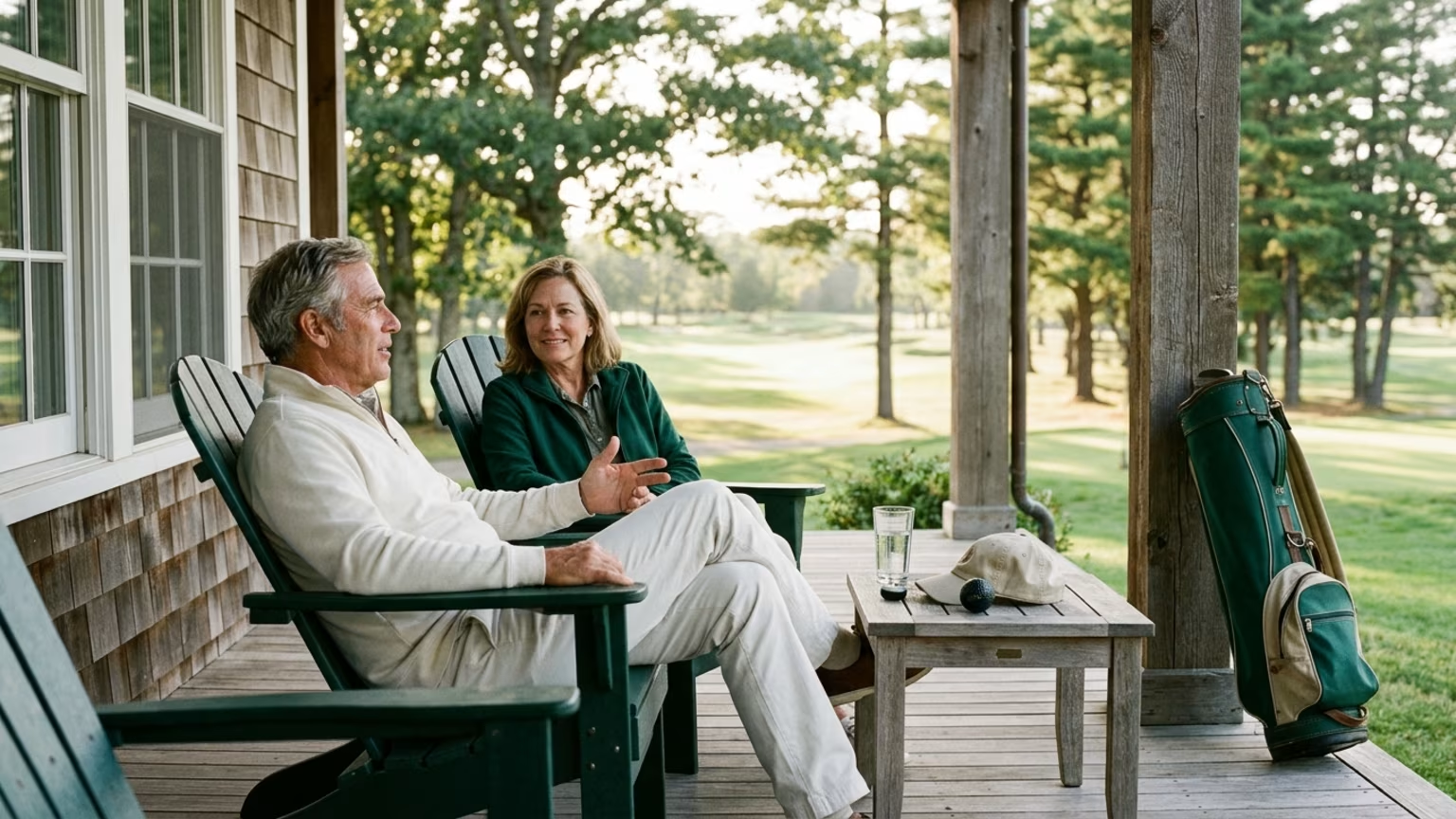
Choose between easy movement, lighter practice and full rest after golf, with a clear look at walking-round demands and the limits of recovery research.
Explore practical resources on performance, recovery, mobility and golf longevity.
Read the Blog


