
A science-backed guide to golf recovery tech. Learn why massage guns and wearables should support your active routine, not replace physical rehab.




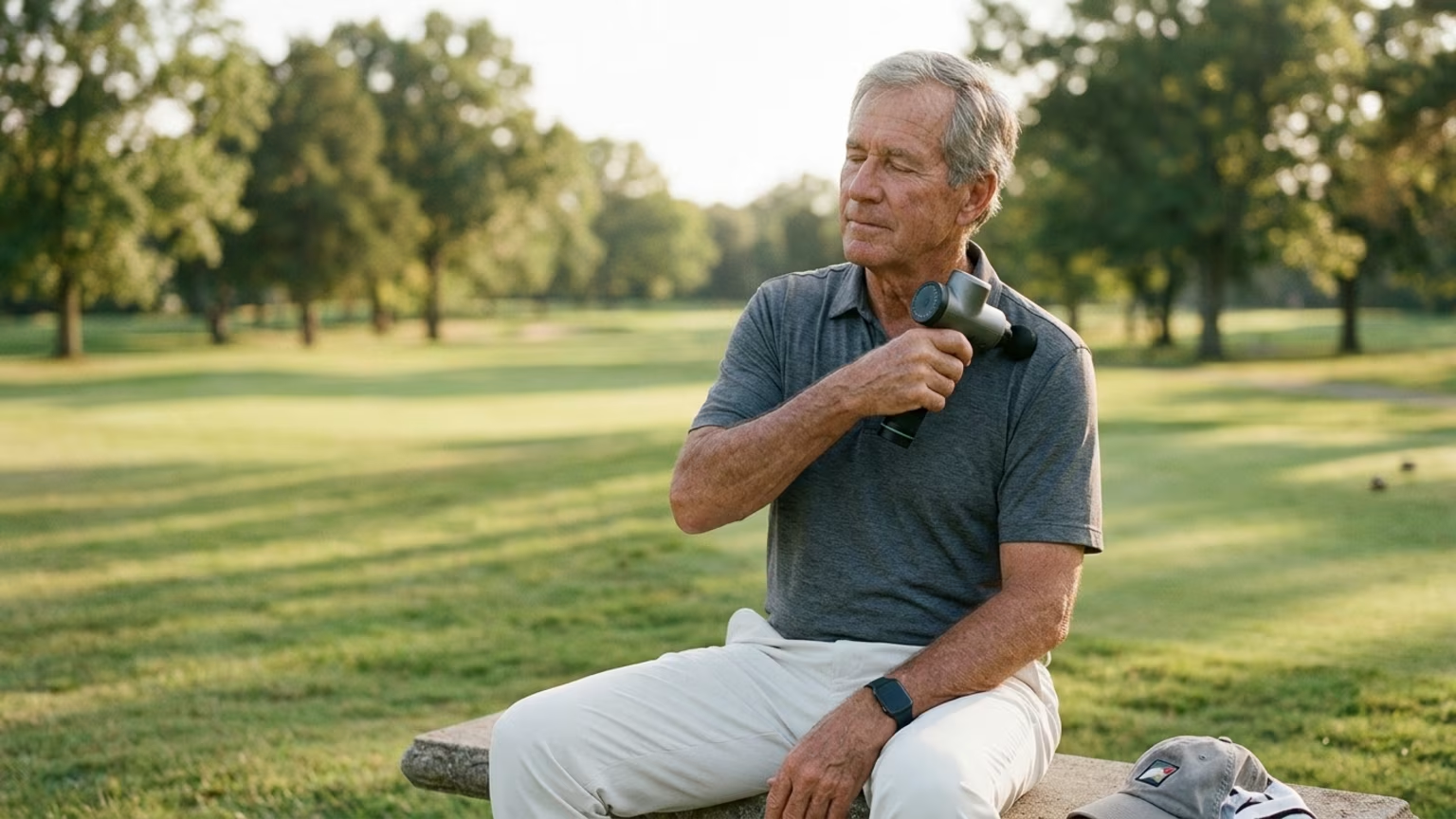
You finish a stiff round of golf, drop your bag in the trunk, and aggressively pound your sore shoulder with a massage gun. You have been told constantly that this fast vibration will rapidly knit damaged muscle fibers back together. The truth according to sports science is completely different. The reality is that these devices change your perception of soreness without accelerating structural muscle repair.
Golfers over 40 want to stay on the course and play pain-free for years. We buy expensive massage guns and wearable trackers hoping they act as a quick cure for aging joints. The physical toll of swinging a driver ninety times a round leaves our backs aching. It is very easy to understand the appeal of a device that promises immediate relief.
We want a passive solution for the deep aches that follow a long weekend tournament. The frustration of waking up stiff makes mature players vulnerable to clever marketing campaigns. We rely on a golf recovery tech audit to find the devices that seem most promising. We want to believe that spending more money on technology will erase the need for proper rest.
The golf industry constantly markets new gadgets to mature players. We see professional athletes using pneumatic boots on television. We assume those exact tools will repair our own recreational bodies. We forget that those professionals also have a team of physical therapists working on them daily.
This mindset turns our living rooms into small electronic clinics. We stockpile charging cables and foam rollers while our actual mobility slowly declines. We tell ourselves that we are taking our physical health seriously. In reality we are just treating the superficial symptoms of a tired body.
Clinical research paints a very specific picture of how recovery technology works on human tissue. According to a review covered by the JSSM Podcast, massage guns do not accelerate the actual structural repair of muscle fibers. They work primarily on the nervous system by scrambling pain signals to your brain. This means the tool distracts your neurological pathways from feeling the acute soreness of a golf round.
Therabody cites research suggesting that using a Theragun for two minutes can provide recovery benefits similar to a 15-minute manual massage. This proves that percussive therapy is an incredibly efficient sensory trick rather than a magical healing wand. The rapid vibrations flood your local pain receptors with new information. Your brain stops focusing on the stiffness and allows the muscle to relax temporarily.
This is highly useful for feeling comfortable before a round. It is not a substitute for mechanical tissue repair after the round. Sports scientists refer to this as a neuromuscular intervention. The tools are changing how your brain talks to your stiff muscles.
This distinction is vital for any older athlete trying to manage their physical longevity. Recognizing the difference between feeling better and actually being healed changes how you prepare for your next tee time. You start viewing your tools as temporary aids rather than permanent solutions.
Leaning too heavily on gadgets can cause players to skip actual physical rehabilitation. We often assume that a buzzing tool has fully healed our torn tissues. This false confidence leads older golfers to swing aggressively on the practice tee the very next morning. The underlying structural weakness remains entirely untreated.
Relying solely on passive technology can eventually compound your swing faults. When you numb a tight hip with vibration, your brain allows you to swing past your actual physical limits. The surrounding muscles in your lower back are forced to absorb that extra rotational force. You are masking a check-engine light and driving the car faster.
When I developed medial epicondylitis, commonly known as golfer's elbow, I thought I needed complete rest. Six weeks off the course did nothing to help. I finally learned that active recovery with a flexbar was the actual solution. It taught me that treating golf injuries requires loading the tissue properly, not just sitting on the couch and hoping for the best.
Active loading is the foundation of preventing and managing golfer's elbow and other common ailments. Use your percussive massager as a warm-up tool rather than a post-round cure. Turn on the device and focus entirely on lightly rolling your trail forearm. Spend just thirty seconds moving the head from your wrist toward your elbow.
This small action reduces the immediate pain so you can perform your necessary strength exercises. You are using the technology to clear a path for actual physical therapy. Wearable biometrics also have a specific place in your overall weekly routine. A recent validation study from DeskFitPro found the Oura Ring Gen 4 achieved a 0.99 correlation with ECG readings for nocturnal HRV.
This near-perfect precision makes it an excellent tool for tracking your long-term fatigue levels. You can use these highly accurate data points to adjust your schedule and prioritize post-round recovery for older athletes. Look at your wearable data across a full month rather than panicking over a single bad night. If your heart rate variability trends downward for two straight weeks, your body needs more rest.
Use the data to validate your fatigue rather than letting a low score dictate your daily mood. This balanced approach turns biometric tracking into a supportive tool rather than a source of anxiety. Make sure your recovery routine addresses the actual demands of the sport. The golf swing places massive rotational stress on your hips and thoracic spine.
A vibrating massager cannot build the muscular endurance needed to protect those joints. You must perform targeted mobility exercises to maintain your swing mechanics over time. Your personal recovery protocol should build physical resilience instead of creating dependency on electronics. Technology is meant to give you actionable information and temporary neurological relief.
Technology cannot replace the fundamental work of strengthening your body for the rotational demands of the golf swing. True longevity requires active movement and patience. Core lesson: Next time your playing partner offers this advice, trust your body's true mechanics instead of relying entirely on a vibrating gadget. Start today by choosing one active stretch to pair with your daily massage gun routine.
Follow Golfergy for practical insights on performance, mobility, recovery and healthy ageing. Stay connected for new articles, research-led guidance and ideas to help you play better for longer.


Learn when back discomfort after golf calls for scaling back, a routine assessment or emergency help, with NHS-based guidance.

Plan sleep around early tee times with consistent habits, realistic sleep opportunity and practical guidance for travel and changing golf schedules.

A practical guide to recurring golf pain, warning signs and when to pause for medical advice, without self-diagnosing or forcing a stretch.
Explore practical resources on performance, recovery, mobility and golf longevity.
Read the Blog