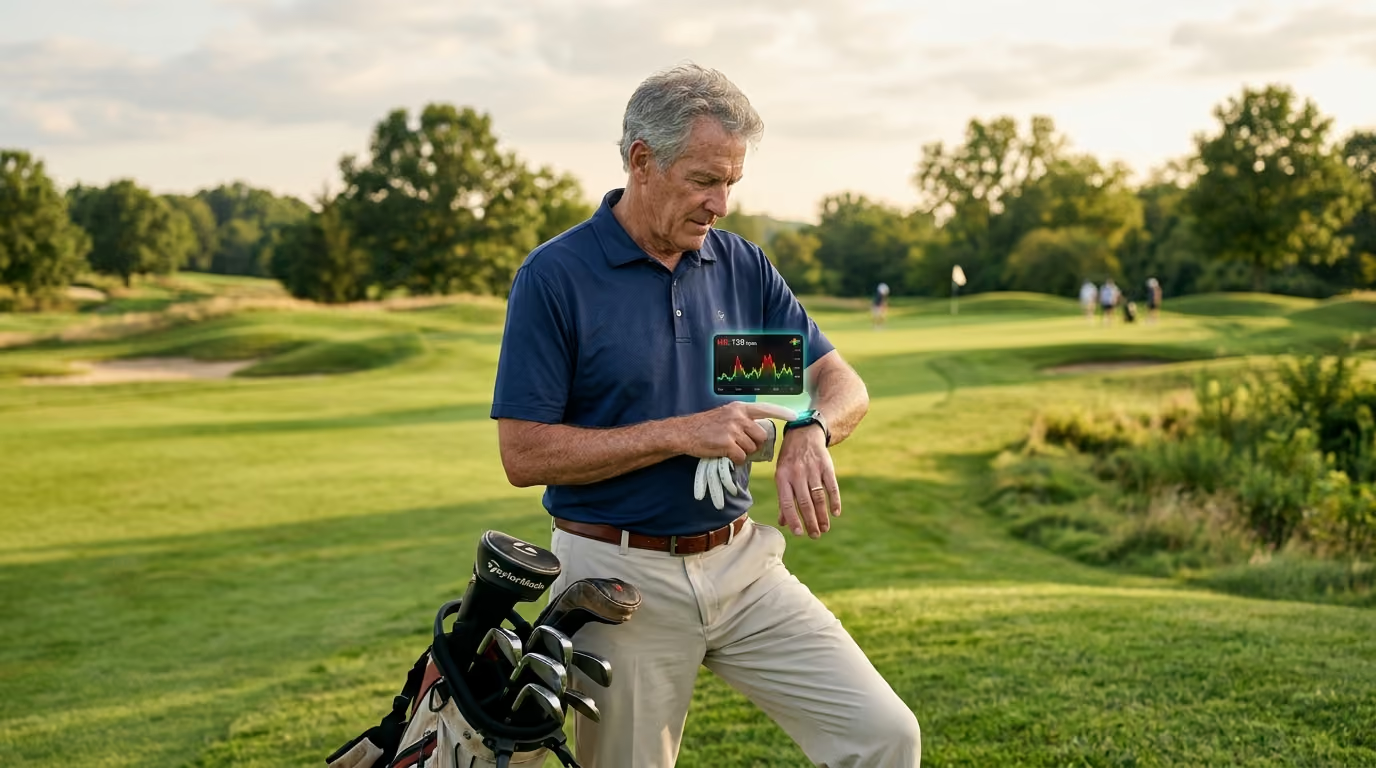
Eighteen holes of golf place heavy stress on aging joints, making targeted post-round habits essential to prevent muscle stiffness the next morning.




If you find yourself searching online for why your lower back aches the morning after eighteen holes, you are not alone. Many players over fifty assume that joint stiffness, deep fatigue, and slow muscle recovery are simply natural parts of getting older. They accept the physical decline as the price of admission for staying in the game. However, you can change how your body responds to the physical stress of a long round of golf.
With a systematic post-round routine, you can wake up the next morning feeling loose and ready to play another round. The solution lies in understanding how the mature body repairs itself after several hours of physical exertion. By addressing the specific physiological shifts that occur as we age, we can keep playing the game we love without pain. This guide provides a practical, science-backed recovery blueprint designed specifically for the mature golfer.
You stand on the fifteenth tee with a decent scorecard and three holes left to play. Suddenly, you notice a familiar tightness creeping into your lower back. When you attempt your normal backswing, you cannot seem to turn your trail hip completely. Your rotation feels restricted, and you compensate by lifting your arms too early. This small shift alters your swing path, leading to a weak slice into the right rough.
By the time you reach the eighteenth green, your physical energy is completely drained. Walking up the slight incline to the clubhouse feels like a chore. Your knees feel stiff, your shoulders are rounded, and your hips feel locked. You find yourself sinking into a soft chair in the locker room, hoping the stiffness will simply fade away on its own.
Unfortunately, sitting still immediately after intense physical activity allows waste products to pool in your muscles. This passive approach guarantees that you will feel even stiffer tomorrow. The path to better physical comfort starts the moment you hole your final putt.
To recover effectively, you must understand how your body changes after age fifty. The aging musculoskeletal system does not process nutrients or repair tissue in the same way it did decades ago. One of the most significant changes is a condition known as anabolic resistance. This term means that your muscles require a much stronger stimulus to trigger repair and growth.
When a younger golfer finishes a round, their body quickly utilizes protein to mend microscopic tears in the muscle fibers. In a mature golfer, the biological signals that initiate this repair process are much weaker. Without a targeted approach to nutrition and physical movement, your muscles remain in a state of breakdown for longer periods. This prolonged breakdown leads to chronic soreness and a gradual loss of muscle mass over time.
Additionally, the golf swing places immense rotational demands on your spine, hips, and shoulders. During a five-hour round, your joints experience repetitive compression and twisting. As we age, our connective tissues lose their natural elasticity, and the spinal discs retain less water. This natural drying process makes your joints more susceptible to inflammation and stiffness after activity.
To counteract these changes, you must actively shift your body from a state of breakdown to a state of building. This transition requires a deliberate focus on rebuilding muscle tissue, restoring joint space, and replenishing lost fluids.
Overcoming anabolic resistance requires a strategic approach to what you eat and when you eat it. You cannot rely on a standard diet to rebuild your muscles after a demanding round. Your body needs specific building blocks in larger quantities to stimulate muscle protein synthesis.
To kickstart the repair process, mature golfers must consume thirty to forty grams of high-quality protein shortly after finishing a round. This amount is higher than the standard recommendation for younger adults, but it is necessary to overcome age-related resistance. Focus your protein intake on sources rich in leucine, which is an essential amino acid that acts as a chemical switch for muscle repair.
Great options include whey protein isolate, lean chicken breast, wild-caught fish, or Greek yogurt. If you prefer plant-based options, look for a high-quality pea and rice protein blend that is fortified with extra amino acids. Try to consume this protein within two hours of walking off the last green. While the overall recovery window lasts for several days, this initial period is the most effective time to jumpstart muscle rebuilding.
Your muscles rely on stored carbohydrates, known as glycogen, to power your swing and carry you across the course. A five-hour round can significantly deplete these energy stores, leaving you feeling physically drained. To restore your energy levels, pair your post-round protein with high-quality, easily digestible carbohydrates.
A simple baked potato, a serving of white rice, or a bowl of oatmeal will replenish your glycogen stores quickly. Avoid heavy, high-fat meals immediately after play, as fat slows down digestion and delays the delivery of nutrients to your recovering muscles. Keep the focus on clean carbohydrates and lean proteins to make the absorption process as efficient as possible.
The recovery process continues long after you go to bed. To prevent your body from breaking down muscle tissue during the night, consider consuming another serving of protein shortly before sleep. Thirty to forty grams of slow-digesting protein, such as micellar casein, provides a steady release of amino acids throughout the night.
This continuous supply of nutrients supports ongoing tissue repair while you rest. You can find casein naturally in cottage cheese, or you can mix a scoop of casein protein powder with water. This simple evening habit helps reduce next-day muscle soreness and supports long-term strength.
Dehydration is a quiet performance killer that affects your concentration, balance, and muscle function. As we age, our natural thirst mechanism becomes less sensitive, meaning you may be dehydrated even if you do not feel thirsty. Replacing lost fluids is a key pillar of healthy ageing and physical longevity.
To understand exactly how much water you lost during your round, weigh yourself before you tee off and again immediately after you finish. For every kilogram of body weight you lose through sweat, you need to drink one and a half liters of water to restore your fluid balance.
If you do not have a scale, monitor the color of your urine as a simple guide. Your urine should be pale yellow, similar to lemonade. If it is dark and concentrated, you must continue drinking water steadily over the next several hours. Avoid chugging large amounts of water all at once, as this can strain your kidneys and lead to bloating. Instead, take small, frequent sips to allow your body to absorb the moisture properly.
Drinking plain water is not enough to achieve complete rehydration after a hot day on the course. Sweat carries away vital minerals, including sodium, potassium, and magnesium. Replacing these electrolytes is crucial for preventing painful muscle cramps and maintaining proper nerve function.
Add a high-quality electrolyte powder to your post-round water, or consume mineral-rich foods. Excellent food sources of electrolytes include bananas, avocados, salted nuts, and coconut water. Avoiding processed sports drinks that are loaded with refined sugars is a smart choice for maintaining stable energy levels.
Magnesium plays a vital role in muscle relaxation and sleep quality. Many mature athletes suffer from low magnesium levels, which can manifest as restless legs or night cramps. Consuming a magnesium-rich snack, such as pumpkin seeds or almonds, after your round can help soothe your nervous system.
You can also use a topical magnesium spray on your calves and thighs to relieve local muscle tension. This mineral helps quiet the central nervous system, preparing your body for deep, restorative sleep.
The hour immediately following your round is a critical window for physical recovery. Instead of heading straight to the locker room bench or the bar, dedicate twenty minutes to a structured cool-down sequence. This transition helps lower your heart rate and gently coaxes your muscles out of a contracted state.
Before you sit down, spend five to ten minutes walking at a slow, relaxed pace. This light movement keeps your blood circulating, which helps clear out metabolic waste products like lactic acid. Focus on deep, belly breathing during this walk to help calm your nervous system.
Keep your arms loose and swing them gently at your sides. This simple activity signals to your brain that the physical stress of the round has ended, allowing your body to begin the recovery process.
Once your heart rate has returned to normal, find a comfortable place to sit or stand for some static stretching. The glutes and deep hip rotators undergo significant stress during the rotational phase of the golf swing.
To perform a seated figure-four stretch:
Focus entirely on turning your trail hip outward during this movement to release the deep rotators. Never force the joint or bounce during the stretch, as this can trigger a protective muscle spasm.
Rotational stiffness in the thoracic spine can place excess stress on your lower back. This simple seated stretch helps restore gentle mobility to your mid-back:
Perform this movement slowly and stop immediately if you feel any pinching or sharp discomfort in your spine.
Hours of gripping clubs and leaning over the ball can cause your chest muscles to tighten, leading to a rounded posture. This stretch helps open up the shoulders and chest:
Regularly performing this stretch helps restore proper alignment to your upper body, which is essential for maintaining joint mobility over the long term.
For deeper recovery, you can incorporate advanced tissue repair techniques into your evening routine. These methods help stimulate blood flow, reduce localized swelling, and soothe irritated nerve endings.
Alternating between hot and cold water is a powerful way to accelerate tissue repair. The heat dilates your blood vessels, bringing fresh oxygen and nutrients to your tired muscles. The cold constricts the vessels, helping to pump metabolic waste out of the tissues. This alternating action functions like a natural pump for your circulatory system.
To perform contrast water therapy at home:
If you have access to a hot tub and a cold plunge pool, you can use the same timing protocol. Be sure to check with your physician before trying contrast therapy if you have cardiovascular issues or high blood pressure.
Using a foam roller or a massage ball can help release tight fascia, which is the connective tissue wrapping around your muscles. Focus your efforts on your calves and thighs, which endure constant stress from walking several miles on uneven terrain.
To roll your calves:
Apply moderate pressure that feels slightly uncomfortable but never painful. This practice helps reduce tissue swelling and improves overall lower-body flexibility.
Many experienced golfers unknowingly sabotage their physical recovery by falling into common post-round habits. Recognizing and avoiding these mistakes will dramatically improve how your body feels the next day.
Sharing a cold beer or a cocktail with your playing partners is a traditional part of the golf experience. However, consuming alcohol immediately after a round is one of the worst things you can do for your body. Alcohol interferes with muscle protein synthesis, stopping the repair process in its tracks.
It also acts as a diuretic, which worsens dehydration and increases your risk of morning muscle cramps. If you choose to enjoy a drink, make sure you consume a full meal and several glasses of water first. This simple delay gives your body a chance to start the recovery process before processing the alcohol.
Some golfers attempt to perform deep, aggressive stretches before their muscles are properly warmed up. Doing this can cause micro-tears in the muscle fibers, leading to increased soreness and injury.
Save your deep static stretching for after your round, when your body temperature is elevated and your joints are lubricated. Before you tee off, stick to light, active movements like arm swings and gentle torso twists to prepare your body for action.
Many players assume that physical recovery is a single event that ends once they go to sleep. In reality, your muscles remain highly sensitive to nutrient intake for forty-eight to seventy-two hours after a round.
If you do not maintain a high-protein diet and stay hydrated during the days following your game, your recovery will stall. This extended recovery period is especially important if you plan to play back-to-back rounds over a weekend. Consistency in your nutrition and movement habits is key to achieving long-term injury prevention and peak performance.
The equipment you use on the course can have a significant impact on how much physical stress your body endures. Making a few smart adjustments to your gear can reduce wear and tear on your joints.
Your feet are the foundation of your golf swing, absorbing significant rotational forces with every shot. Wearing shoes that lack proper support can lead to foot fatigue, which can travel up your legs and cause lower back pain.
Look for golf shoes with ample cushioning and a wide toe box that allows your toes to spread naturally. If you have flat feet or high arches, consider investing in custom orthotics to keep your ankles and knees properly aligned. Replacing your shoes once they show signs of wear will help protect your joints from unnecessary impact.
If you suffer from arthritis in your hands or wrists, the size of your golf grips can make a big difference in your comfort level. Small grips require you to hold the club with excess tension, which can strain your forearms and elbows.
Switching to midsize or oversized grips allows you to hold the club with a lighter, more relaxed grip. Soft, vibration-dampening materials can also reduce the impact transmitted to your joints when you strike the ball. This simple change can prevent wrist soreness and help you maintain better club control.
While walking the course is excellent for your cardiovascular health, it can be physically demanding for some mature golfers. If you find that walking eighteen holes leaves you too exhausted to recover properly, consider using a pushcart or riding in a golf cart.
Using a pushcart keeps you active without the strain of carrying a heavy bag on your shoulders. If you choose to ride in a cart, make sure to step out and stretch your hips and back periodically to prevent your muscles from locking up. Finding the right balance between activity and joint protection is a key aspect of post-round recovery guidelines.
To help you implement these concepts, here is a practical checklist you can follow this week:
Your ability to play pain-free golf after fifty is determined by how well you support your body during the seventy-two hours after you step off the course.
Follow Golfergy for practical insights on performance, mobility, recovery and healthy ageing. Stay connected for new articles, research-led guidance and ideas to help you play better for longer.


Explore practical resources on performance, recovery, mobility and golf longevity.
Read the Blog