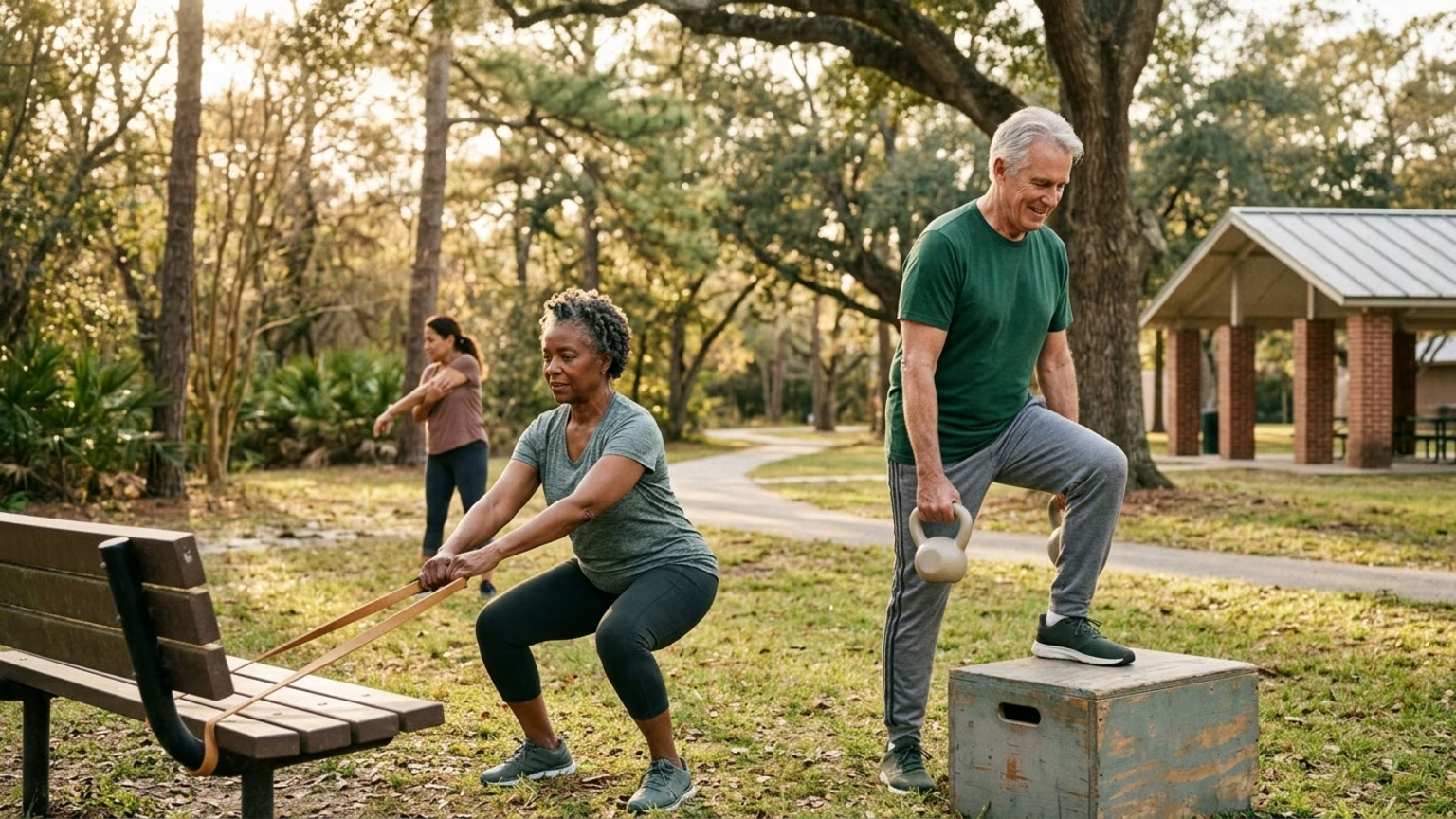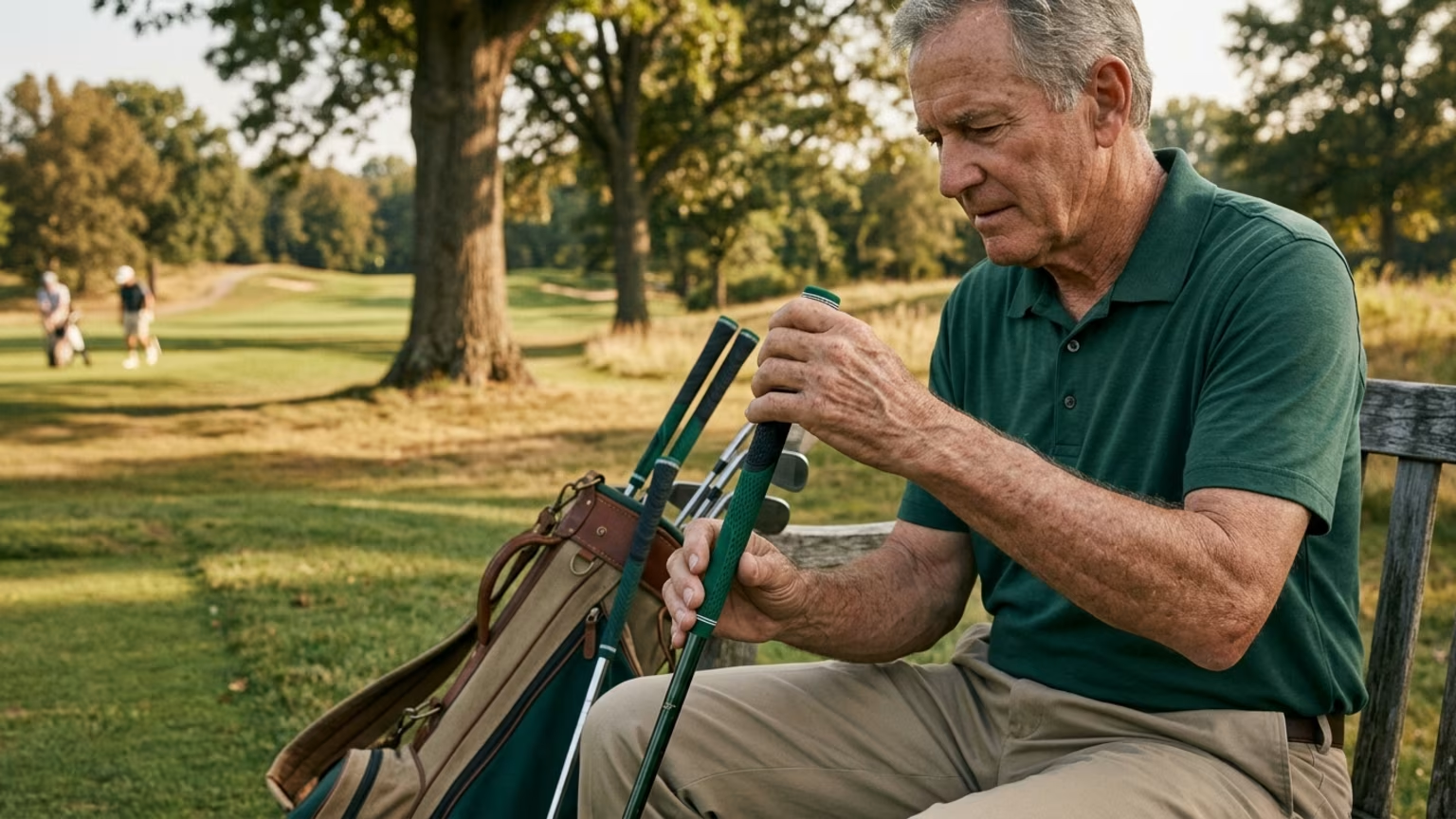

Learn how Golf Pride's new CP grip and dynamic mobility habits can help older golfers reduce hand tension, manage repetitive strain, and protect their joints.




On August 19, 2026, Athlon Sports reported that Golf Pride released the new CP grip to the public. This product joins the ultra-soft CP collection to offer a highly cushioned connection to the golf club. Golf Pride product development executive Sean Stebar noted that the redesign balances soft feel with reliable club control. Stebar explained that the refresh focused on evolving the franchise rather than completely reinventing it.
The initial CP product line includes Standard and Midsize options for immediate retail purchase. Athlon Sports reported that a jumbo version is currently scheduled for release in 2027. This launch aligns with a broader equipment trend moving away from perfectly uniform grip cylinders. Golf Pride already uses this Plus4 concept across several other families, including their CPX, Tour Velvet, and MCC models.
Every golf swing generates substantial shock and vibration the moment the clubhead strikes the ball. These intense physical forces enter your hands first before traveling directly into your wrist and elbow joints. When a golfer holds the club with excessive tension, the forearm muscles remain locked in a rigid state. This constant rigidity prevents the surrounding tendons from naturally dampening the impact shockwaves.
Over the course of a long season, this repeated vibration places severe stress on your connective tissues. The elbow joint takes a considerable beating when stiff forearms fail to absorb the violent impact of an iron strike. Taking a deep divot adds a secondary shockwave that jolts up the rigid golf shaft into your arms. This accumulated mechanical stress often leads to micro-tears and chronic inflammation in the upper extremities.
The saddest thing I have seen in golf is watching lifelong playing partners slowly drop out of our weekend group. It usually starts with a nagging wrist or elbow issue they ignore until it requires surgery. That familiar pattern is exactly why I became obsessed with golf longevity. We do not have to stop playing as we age, provided we do the right maintenance work between rounds.
Recreational golfers over 40 face a particularly high risk of developing upper extremity strain. As our bodies age naturally over time, our tendons lose some of their elasticity and physical load tolerance. We usually swing the club with far less speed than touring professionals, but we tend to squeeze the handle much tighter. This tight grip pressure creates a direct physical pathway for harmful vibrations to enter the arms.
Athlon Sports identifies players who experience late-round hand fatigue as prime candidates for testing new grip profiles. Many older amateurs unconsciously squeeze the club harder when they start feeling tired on the back nine. This desperate attempt to maintain clubface control only accelerates joint fatigue and increases forearm muscle tension. By the time you reach the final holes, your exhausted forearms are completely unable to protect your joints.
Tour professionals maintain incredibly soft grip pressure to let their wrists act as natural shock absorbers. Older amateurs often lack this subtle feel and rely on brute tension to guide the club. This mechanical tension combined with occasional heavy turf strikes creates a perfect recipe for chronic joint discomfort. This physical reality makes managing practice volume and tendon load highly critical for mature players.
Adjusting your equipment profile is one practical step to help reduce this repetitive physical strain. The new Golf Pride CP grip introduces specific design features meant to encourage a much lighter hold. Golf Pride states that their Plus4 design simulates the exact feel of four additional tape wraps. This distinct construction creates a noticeably larger lower-hand profile with significantly less overall taper.
Product coverage notes that a reduced taper design is intended to reduce hand tension during the swing. Stebar observed during product development that the upper and lower hands demand very different things from a grip. To address this functional reality, the CP utilizes different surface treatments for the two distinct hand placements. Athlon Sports reports that a tackier upper section pairs with a directional traction pattern beneath the lower hand.
Testing a larger lower-hand profile requires a methodical approach rather than a quick swing in a shop. Athlon Sports recommends installing the new grip on one frequently used club like a standard 7-iron. You should then test this single club across multiple full shots and late-round practice sessions. It is crucial to evaluate the grip under realistic conditions like heat, high humidity, and dry hands.
Standard and Midsize options mean that golfers should always seek a professional fitting opinion first. You should never assume that the softest model or the absolute largest model is automatically best for you. A larger lower-hand profile may not suit every hand size, specific release pattern, or existing tape buildup. The goal is finding a customized fit that allows you to swing comfortably without squeezing tightly.
You must also support your equipment choices with proper physical preparation before you step on the course. I used to stand on the first tee doing long static hamstring stretches because I thought it was right. I would actually feel weaker on my first drive, and my hands always felt uncomfortably stiff. Research later showed me that dynamic movements prime the nervous system much better for athletic performance.
Changing my five minute warmup completely transformed my opening tee shots and naturally relaxed my grip pressure. Dynamic arm circles and gentle torso twists will warm up your tissues and reduce unwanted tension. Combining a consistent mobility program with the right grip size protects your joints over the long term. Taking five minutes to properly wake up your nervous system pays massive dividends on the back nine.
Golfers often wrongly assume that a heavily cushioned grip will magically cure their nagging joint issues. However, Athlon Sports explicitly states the CP is not a treatment for arthritis, joint pain, or health conditions. Sean Stebar firmly cautioned that Golf Pride grips are performance products and not medical solutions. A soft piece of rubber simply cannot repair damaged tendons or reverse chronic joint inflammation in older players.
Attempting to mask persistent wrist or elbow pain with new equipment is a highly flawed strategy. Golfers with recurring physical symptoms should always consult a qualified clinician rather than relying on the golf shop. A simple grip change is just one small component of a broader longevity plan for healthy aging. It should never replace professional physical therapy, proper strength training, or a dedicated mobility routine.
Protecting your hands and arms is highly important for extending your playing years and fully enjoying the game. A comfortable grip that promotes light physical pressure can help you practice longer without waking up sore. What adjustments will you make to your mobility routine this season to steer clear of this hazard?
Follow Golfergy for practical insights on performance, mobility, recovery and healthy ageing. Stay connected for new articles, research-led guidance and ideas to help you play better for longer.



Golf.com detailed three pro-approved drills for better hip rotation. Learn how older golfers can adapt these sequencing exercises to protect their lower back.

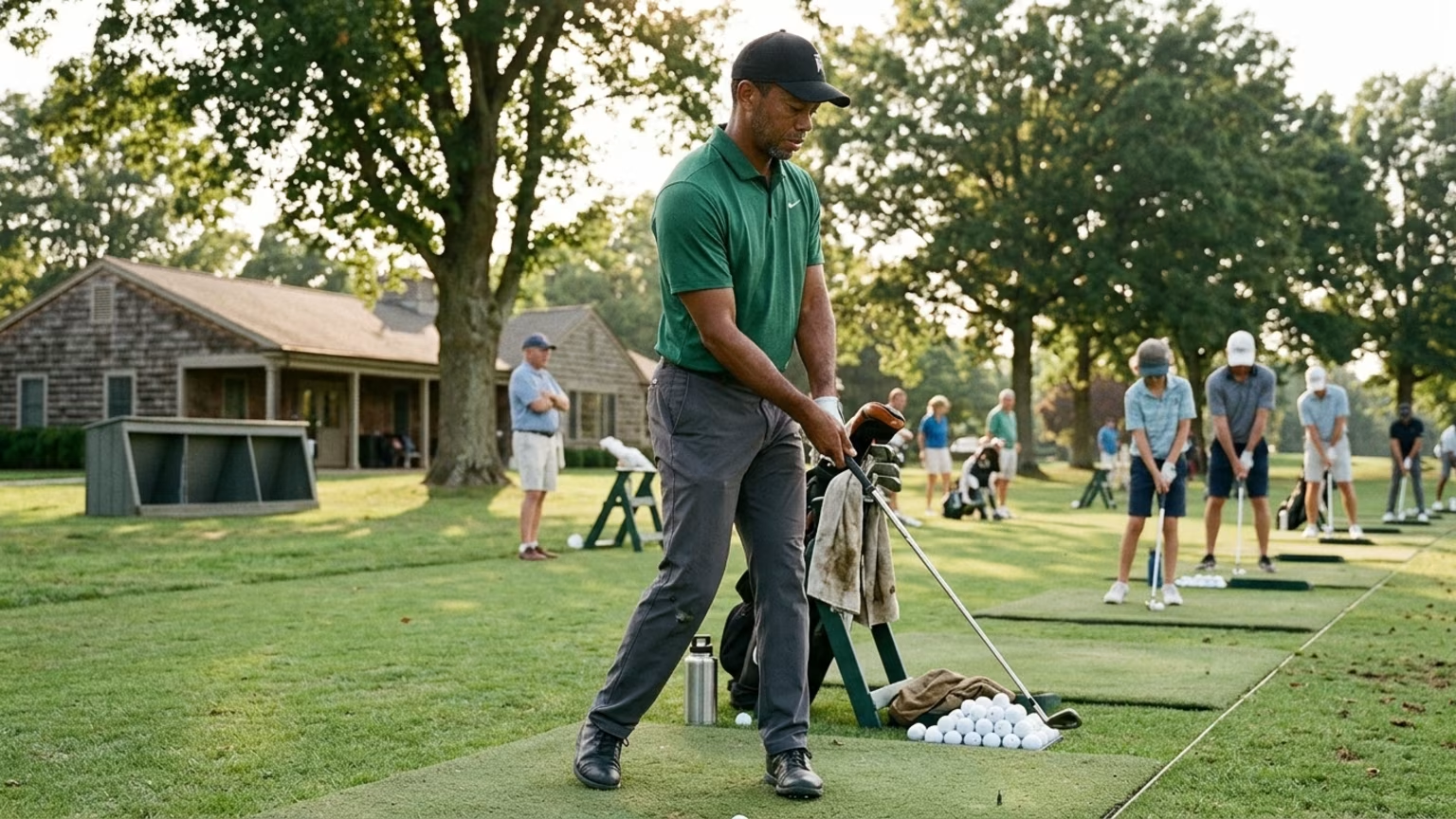
Tiger Woods returning to the practice range highlights the difference between hitting balls and full-round readiness. Learn why mature golfers must pace recovery.
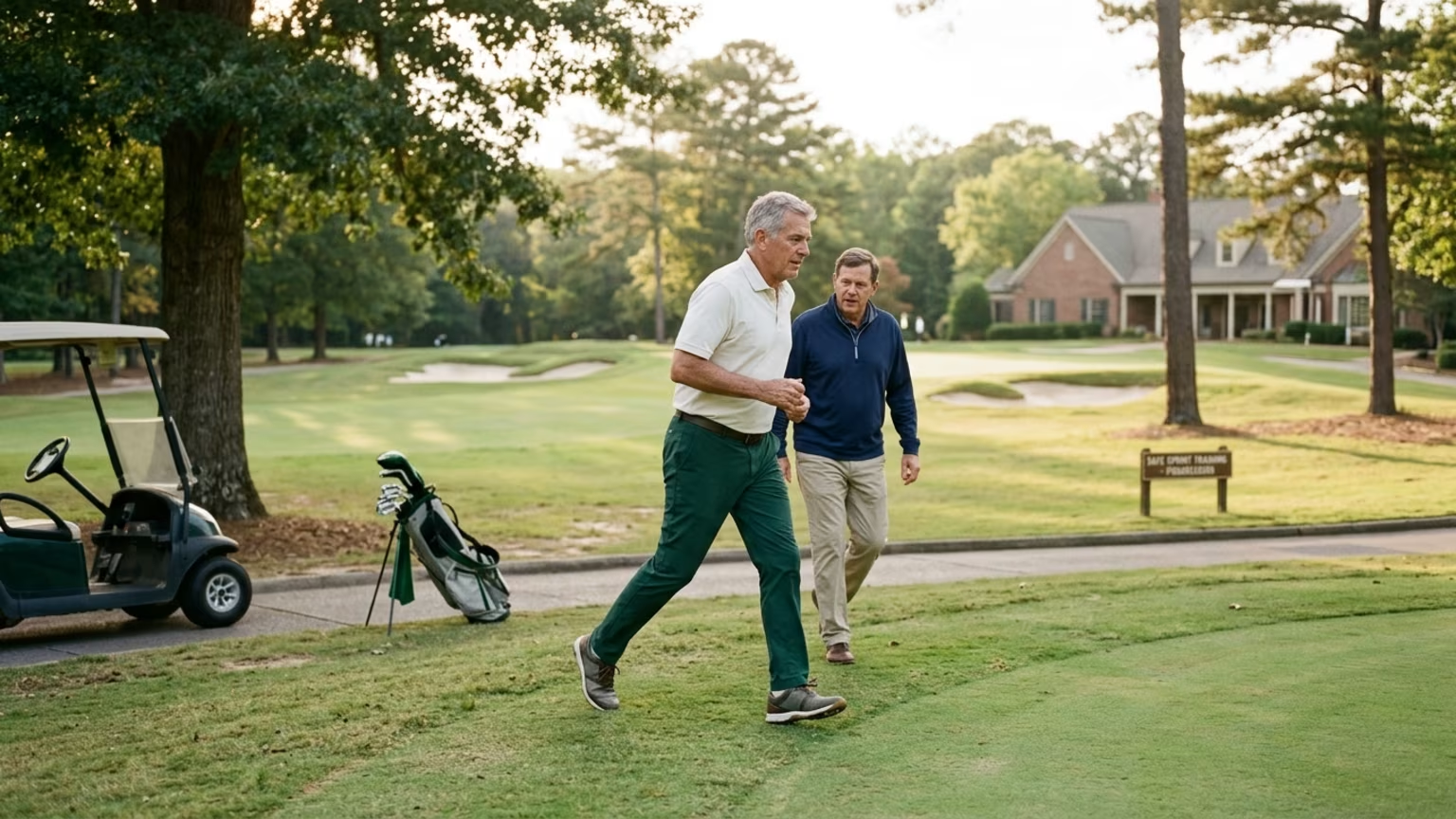
Older golfers can safely build explosive leg power using P4S Golf's guided sprint progressions, dynamic mobility routines, and lower-impact fan bike workouts.
Explore practical resources on performance, recovery, mobility and golf longevity.
Read the Blog