

Use golf nutrition research to plan food, fluids and recovery around weather, course demands and your own schedule after 40.




A fixed calorie target misses the reality of golf: a golf nutrition publication’s review summary reported energy-expenditure estimates for 18 holes ranging from 663 to 1,954 kcal.
That spread makes a useful starting point for planning. A walking round with equipment is not the same task as a round in a cart. Food and fluid planning should reflect the day ahead rather than a single number attached to the sport.
At Golfergy, we favor steady preparation over promises attached to a particular snack. The practical question is how your provisions and recovery routine fit together across the whole day.
Energy expenditure describes energy used during activity. It is not a measure of swing quality or a ready-made meal plan. The review summary links its wide range of estimates to differences in activity and measurement.
Reading the highest estimate as your personal eating target would turn a broad research finding into an individual prescription. Reading the lowest estimate as typical would make the same mistake. These numbers describe variation rather than settle what belongs in your golf bag.
Conditions add another layer. Golf News identifies weather and activity as factors in fluid needs. Heat, humidity and whether you walk or ride can matter. The nutrition review summary also identifies carrying or pushing equipment as part of the work involved.
The International PGA places food and fluids within a wider recovery picture. Its commentary includes sleep and practice volume alongside course demands and time between demanding sessions. That shifts the focus from replacing a number to preparing for the demands of your actual round.
The nutrition publication also summarized a 2023 randomized crossover study involving 11 competitive golfers. Their average age was 20.1 years. Researchers reported lower self-rated fatigue and higher self-rated concentration with carbohydrate intake, but no effect on measured golf performance.
Those findings need to stay together. A rating of concentration is not a scorecard result. A small trial in young competitive players also does not establish what experienced recreational golfers over 40 should eat or drink.
Nor does this evidence show that older golfers suffer a greater nutrition-related decline than younger players. The age gap here is a gap in who was studied, not proof of a particular problem after 40.
Golf News adds another boundary: much golf hydration research has come from the UK and Ireland. Those conditions may not represent hotter regions. A study’s setting matters when deciding how closely it resembles your own golf day.
For the mature golfer, the sensible response is to use your circumstances as the planning reference. There is no need to borrow a young competitor’s routine simply because it appeared in a study.
The International PGA’s practical message is to plan rather than wait until fatigue or thirst becomes noticeable. It also treats recovery as part of preparation rather than a separate task after play.
This supports a low-impact planning approach, not a tested mobility routine. Start by organizing the demands already on your calendar rather than adding another training session to solve a nutrition question.
Decide how food and fluids will fit before the round. Then check the expected conditions. Keep that decision separate from choosing what to carry during play so each part of the day gets attention.
Next, identify the activity involved. Will you walk or ride? Will you carry or push equipment? These are the kinds of differences the sources identify as relevant to energy and fluid needs.
Finally, check what provisions will be available during play. Decide what you will bring and what you expect to obtain at the course. Treat access as a planning question rather than leaving it until you are already playing.
Keep your provisions accessible and stay aware of changing conditions. A hotter walking round calls for a different planning discussion from a cooler round in a cart. The research supports paying attention to those differences rather than applying one fixed intake target everywhere.
Focus on one decision at a time. Check access to your drink. Separately, check whether the food you planned remains available. This keeps the task practical without turning the round into a nutrition calculation.
Plan where post-round food and fluids fit before you start the day. Then look at the rest of your schedule. The International PGA includes sleep and time between demanding sessions in its recovery framework, so the next activity belongs in the same conversation.
A meal is part of that picture rather than the whole picture. Consider whether another demanding practice session is planned and how much recovery time sits between activities. There is no single recovery schedule for every golfer in the International PGA’s commentary.
Our guide to putting post-round recovery together provides related reading. Looking ahead to the day after your round can also help keep the planning horizon wider than the clubhouse meal.
A healthy calorie or fluid target for your current age cannot be drawn from this evidence. The review’s expenditure estimates are not an age-based intake chart. The young golfers’ trial is not a standard that older recreational players need to match.
Use practical planning checkpoints instead. These are organizational benchmarks rather than validated measures of health or recovery:
After the round, review the plan rather than grading yourself against a calorie total. Were your provisions available? Did conditions differ from what you expected? Was there room for recovery before the next demanding activity?
Those questions give you specific details to change next time. They do not require matching a younger player’s numbers. They also fit Golfergy’s focus on sustainable habits and building a week around your golf.
Where health conditions make food or fluid decisions personal, take those questions to a qualified healthcare professional. A broad golf study should not become an individual treatment plan.
The most useful number here is the wide spread in estimated energy expenditure. It points toward planning for different rounds rather than searching for one universal fueling formula.
Use the data to organize the day: provisions before play, access during the round and recovery afterward. Better planning is the takeaway, not a bigger calorie target.
Follow Golfergy for practical insights on performance, mobility, recovery and healthy ageing. Stay connected for new articles, research-led guidance and ideas to help you play better for longer.


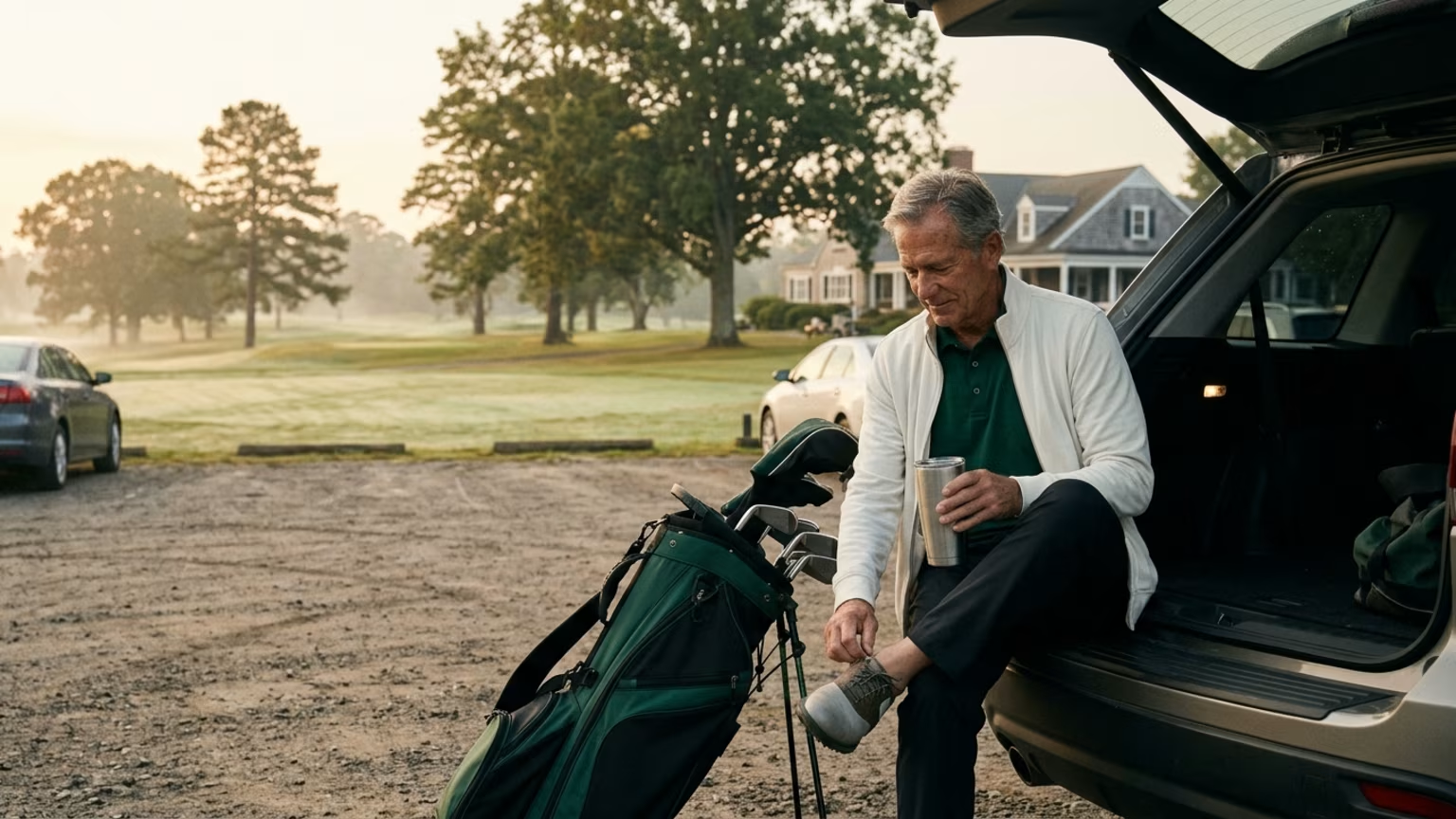
Plan sleep around early tee times, travel and late evenings without treating a set number of hours as a guarantee of better golf.


Plan fluid access for hot golf rounds, understand hydration research, and build sensible recovery habits without fixed targets or mandatory sports drinks.
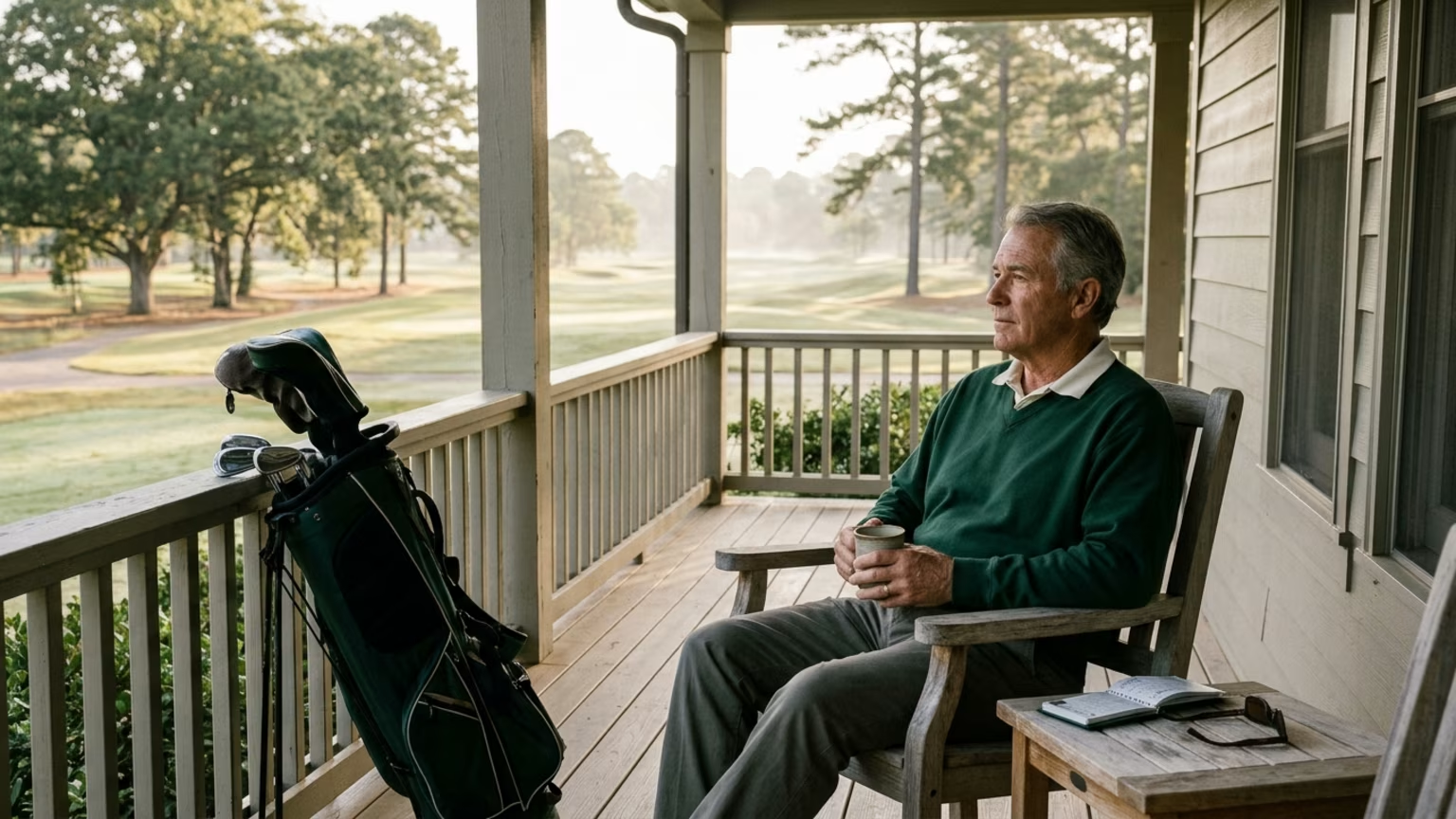
Plan sleep around early tee times, travel and consecutive rounds. Learn when persistent sleep problems merit professional advice.
Explore practical resources on performance, recovery, mobility and golf longevity.
Read the Blog


