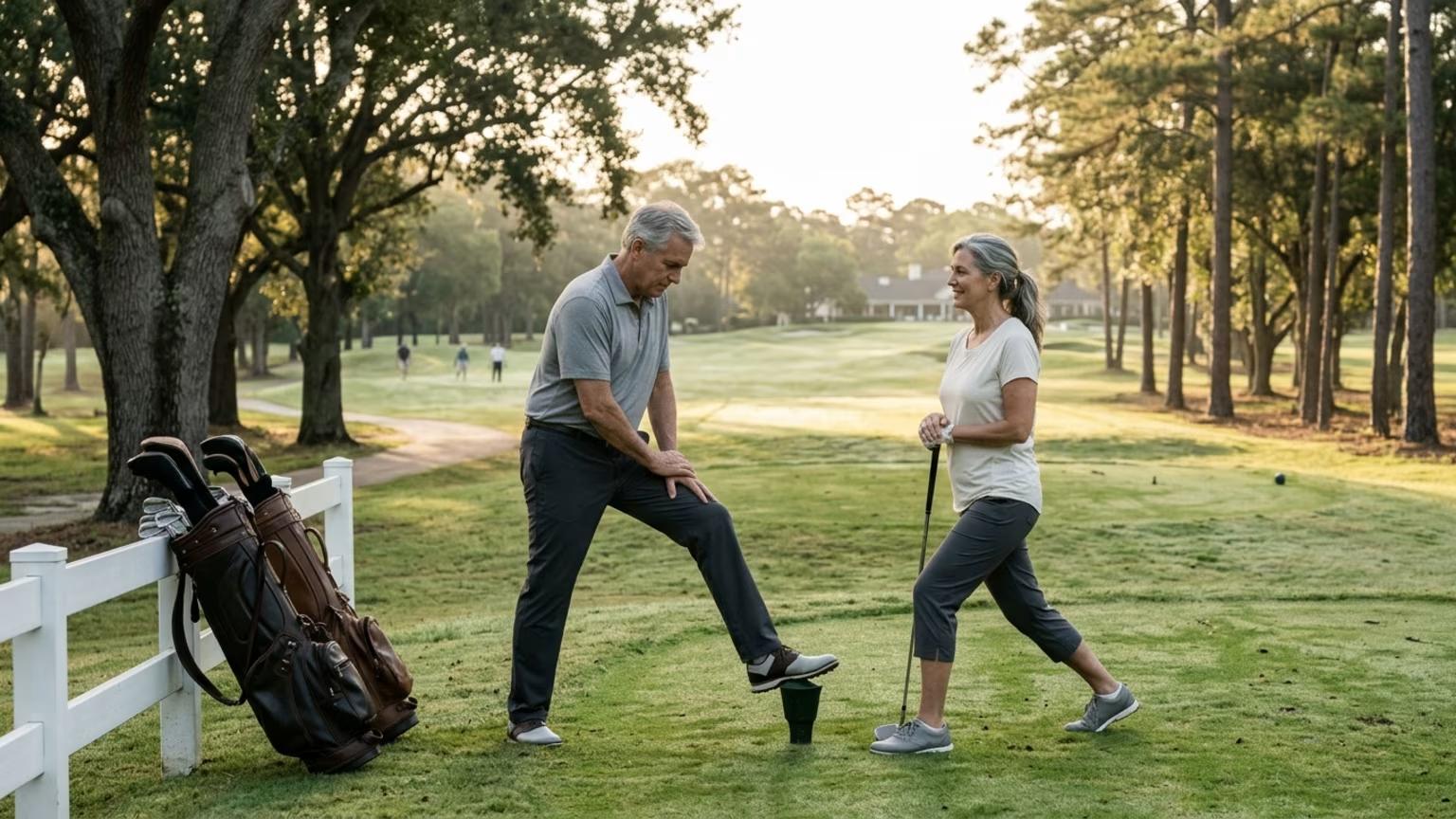

Replace static stretching with a dynamic 5-to-12-minute pre-round routine. Learn how older golfers can improve mobility and protect their nervous system.




Stretching your muscles right before you tee off is a highly effective way to lose distance. Decades of traditional golf instruction told us to touch our toes and hold the position. Modern performance science points in a completely different direction. We now know that preparing the aging nervous system requires dynamic, purposeful movement.
Here is a four-step dynamic pre-round protocol designed for golfers over 40:
A systematic approach to pre-round mobility prepares your joints for the exact demands of the first tee. You can step up to the ball feeling fully capable and ready. The focus shifts from pulling muscles to activating your entire body.
Before you start swinging, you need a quick way to gauge your physical readiness. Mobility efforts for older golfers should prioritize specific anatomical hubs. The thoracic spine, shoulders, hips, and hamstrings typically stiffen with age. You can perform a simple monthly self-test to track your rotational health and flexibility.
Cross your arms over your chest while standing in your normal golf posture. Rotate your upper body as far as comfortable to your trail side. Focus entirely on turning your trail hip. Note the specific separation between your shoulders and hips.
Tracking changes in this shoulder-to-hip separation helps you understand your current physical limits. Professional seniors like Bernhard Langer note that a narrower stance can aid rotation. If your joint mobility has naturally decreased, bringing your feet closer together might help. A quick baseline check keeps your expectations grounded.
You do not need complicated clinical tools for this 5-to-12-minute dynamic routine. A standard golf club provides excellent balance for your lower body work. Many experienced players also use light resistance bands for early muscle activation. Keeping a simple resistance band in your golf bag pays dividends.
These small items allow you to implement a targeted routine directly at the tee box. You avoid the need to lie on the wet grass or find a gym mat. The goal is practical preparation that fits into your actual pre-round reality. Simple gear supports a highly efficient warmup.
The goal of nervous system preparation is a smooth, rhythmic approach to the warmup. Start with intentional breath-to-step syncing as you walk from your car. A steady walking rhythm helps ground your body before the round begins. You can also add gentle Proprioceptive Neuromuscular Facilitation (PNF) neck mobility exercises while walking.
Next, move to specific joint mobilization exercises using your club. Incorporate open-book rotations to target the stiff thoracic spine. Follow this with a set of walking lunges with torso twists. These lunges tie your hip mobility directly to your spinal rotation.
If you have room to kneel safely, incorporate the cat-to-camel movement for eight to ten repetitions. Once standing again, perform hip circles while using a golf club for balance. Finish waking up the lower body with a brief bout of heel-to-toe walking.
Finally, grab your driver for the crucial priming phase. Senior golfers should favor dynamic movement right on the first tee. Start with half-speed practice swings to rehearse your golf-specific positions. Build your effort gradually until you reach 100 percent speed. Understanding the difference between dynamic and static preparation transforms how you feel.
Many enthusiastic players still rely on long static stretches immediately before a round. Research indicates this habit can actually decrease clubhead speed and driving distance. You lose the elastic tension required for a powerful, snapping swing. Save those long static holds for your post-round recovery routines.
Another frequent mistake is pushing a stiff joint too far right before teeing off. If a specific joint is reliably irritated, you need targeted care. A one-size-fits-all approach to stretching often leads to diminished returns on the course. Listen to your body and respect your structural limits at all times.
Finally, avoid cramming all your mobility work into one weekend session. Industry experts advise that small regular sessions three to four times per week work best. Regular maintenance is far more effective than an occasional, intense stretching marathon. Adding proper strength training protocols provides the stability needed to support a new range of motion.
Tension often builds between shots during a highly competitive round. Dr. Callan Lichtenauer recommends a neurological reset technique called the 3-3-3 rule. You simply identify three things you see, three things you hear, and three things you feel. This sensory linking method grounds the nervous system efficiently during play.
Taking inventory of your internal dialogue is just as crucial as physical movement. You can trigger a physical reset by deliberately undoing and re-doing your glove. These small sensory drills prevent performance-degrading tension from ruining your back nine.
Keeping your lower body active and protected throughout the round requires mild attention. A quick trunk rotation while waiting by the cart can maintain your mobility. Staying active between shots helps your body sequence smoothly on every fairway.
The brief investment in dynamic movement today saves you eighteen holes of physical struggle tomorrow. Replacing old habits with a targeted nervous system approach keeps your swing fluid. The aging body responds far better to steady preparation than sudden, intense demands. Preparing properly makes the game far more enjoyable.
The golf swing asks enough of our bodies over four hours of play. A thoughtful, grounded start simply gives the physical system a fighting chance.
Follow Golfergy for practical insights on performance, mobility, recovery and healthy ageing. Stay connected for new articles, research-led guidance and ideas to help you play better for longer.


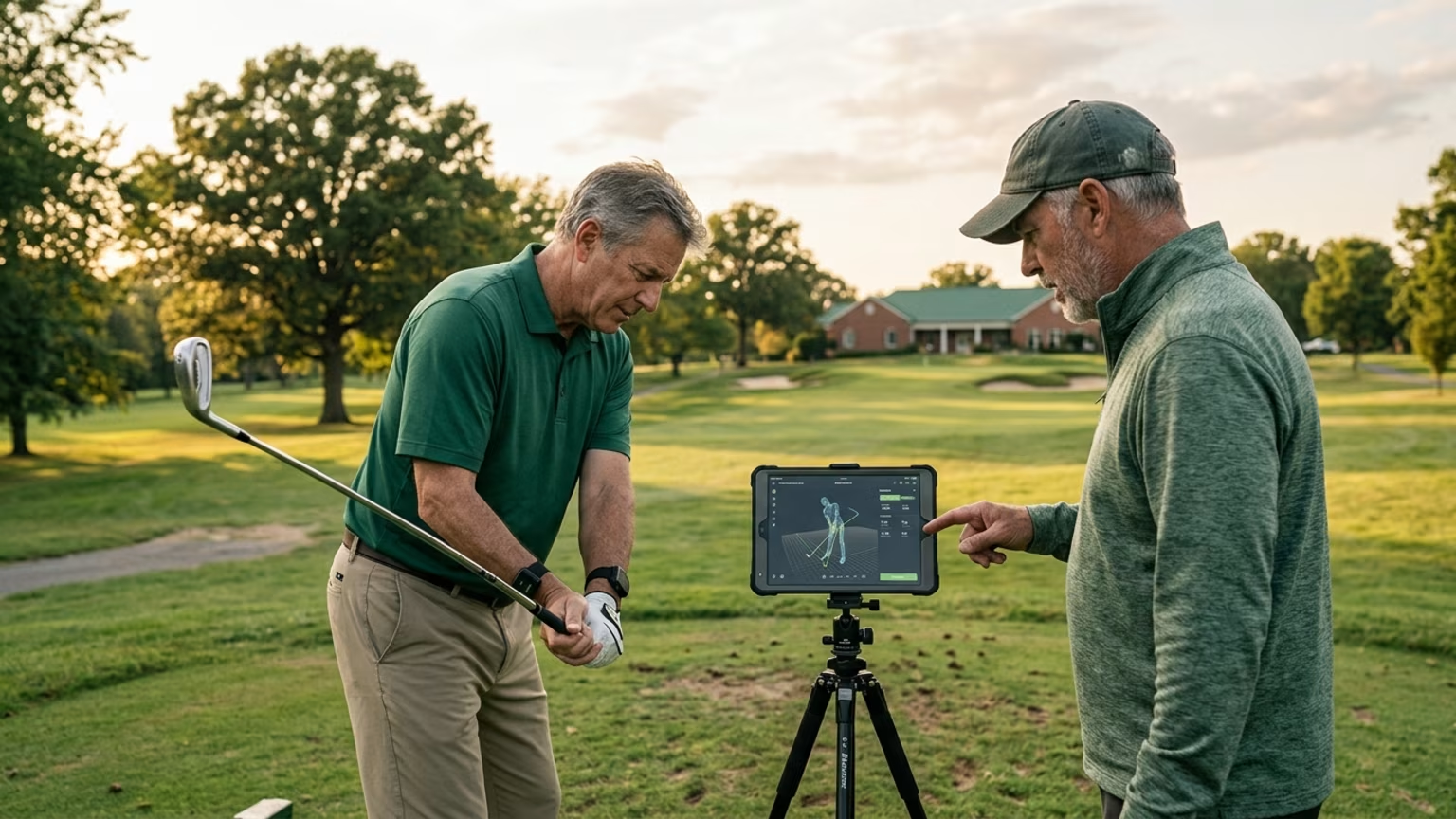
A new Alita and Fujitsu AI motion tracking system debuted at ISS 2026. Learn how camera-based analysis helps older golfers identify restricted swing mechanics.


Learn how to apply GolfWRX's five pillars of fitness to protect your senior golf swing, improve mobility, and stay on the course longer without injury.
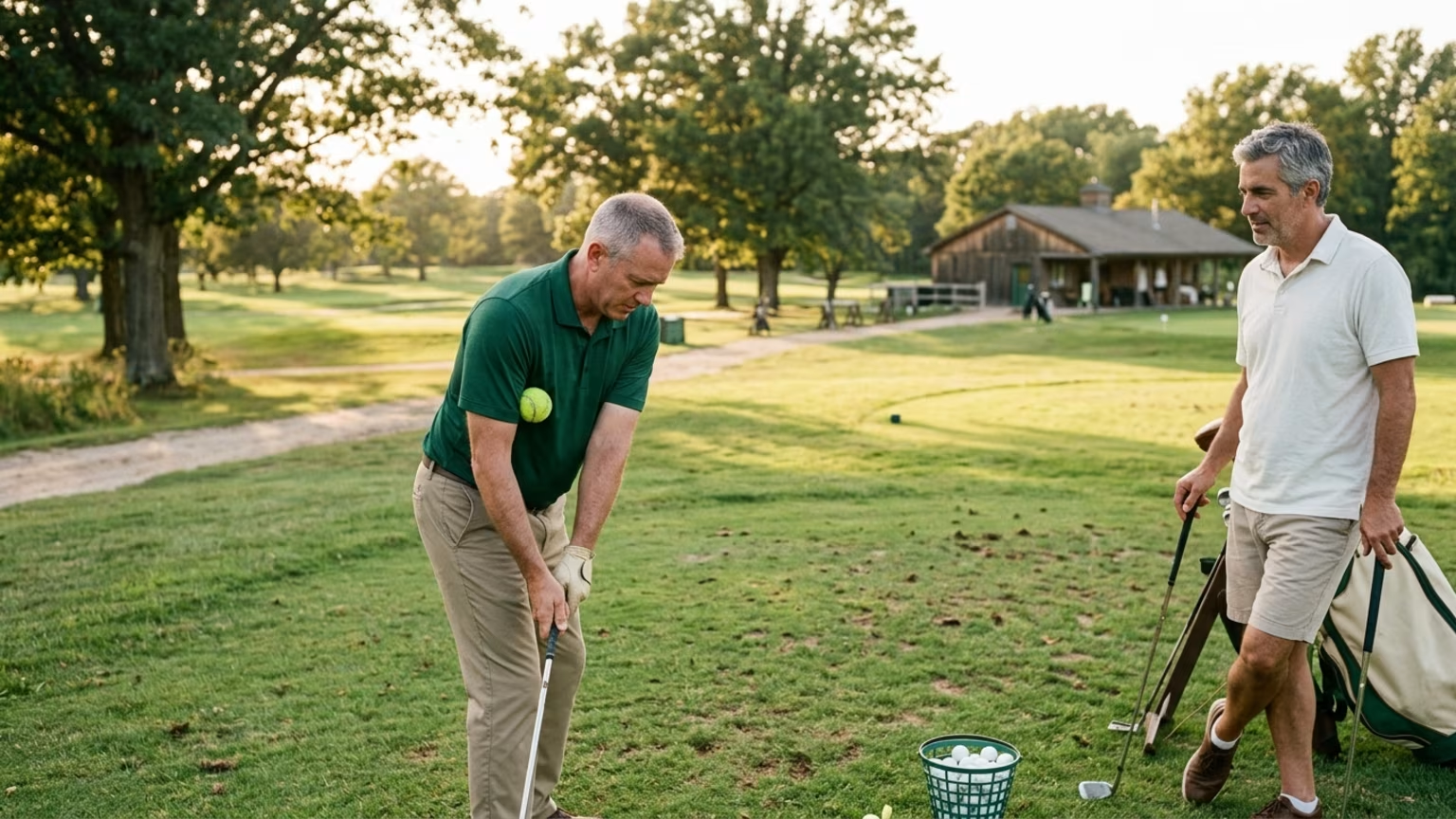
A review of the tennis ball transition drill from My Avid Golfer Magazine. Learn how this simple coaching constraint can improve lead-side balance and stability.
Explore practical resources on performance, recovery, mobility and golf longevity.
Read the Blog