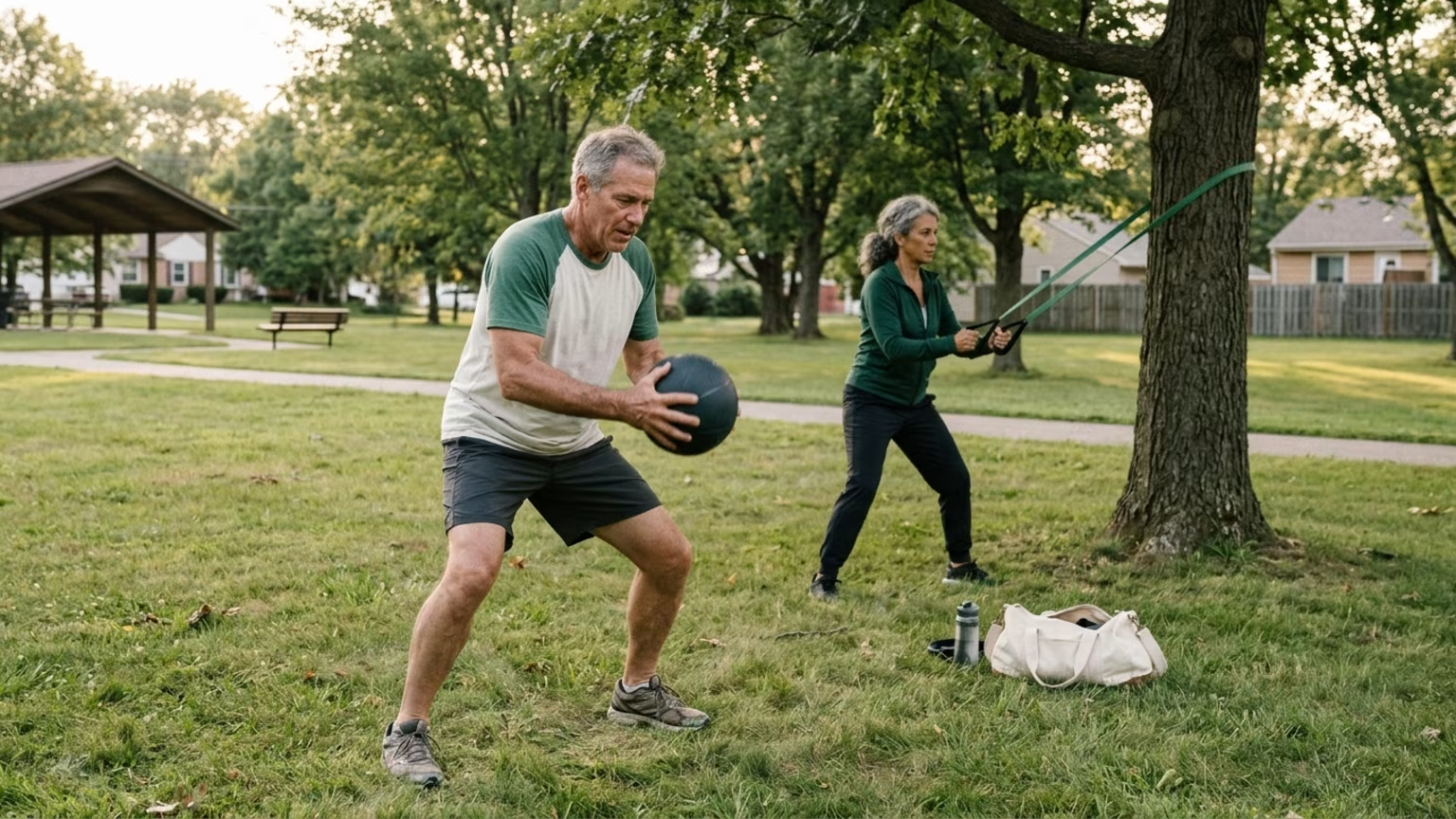
Rest or easy movement after golf? Use comfort, symptoms and personal capacity to guide the next day, with clear signs to seek assessment.




Should I rest completely the day after golf, or get out for an easy walk? If you wake up stiff and tired, it is understandable to hesitate. You want to feel ready for your next round without making today harder than it needs to be.
At Golfergy, we favor a practical approach built around comfort and personal capacity. Easy movement is an option when it feels manageable. Rest or reduced activity is reasonable when fatigue or symptoms call for it.
The sources reviewed do not establish a single best recovery-day formula or directly compare next-day rest with walking or mobility work. The guidance is mainly clinical or practitioner advice rather than controlled trials of next-day recovery. It also does not identify the safest on-course stretch or explain specific changes in swing path, distance or contact.
The useful starting point is what happened during your round and how your body feels now.
The day's workload is relevant: a round plus range practice can leave the back, hips and feet tired, according to a golf sports-health guide. That tiredness provides context. It does not identify the cause of your tightness.
Think about the whole golf day rather than the final hole alone. Include your range session when reviewing how much activity you completed. The recovery decision follows that full day of activity.
For a golfer over 40, the useful question is not whether age alone demands a day off. It is whether today's activity feels comfortable at your current capacity.
Carry that question into the following morning. Feeling able to move comfortably is different from feeling obliged to exercise because a recovery plan says you should. Neither a walk nor a quiet day needs to become a test of commitment.
Pain that changes your movement or swing deserves assessment rather than a guessed technical correction. That is the practical message in golf physiotherapy guidance on symptoms that warrant attention.
Keep your description grounded in what you notice. Is discomfort changing how you swing? Are you avoiding a movement? Does the same problem return when you play?
Those observations are more useful for a conversation with a qualified clinician than assigning the problem to a particular muscle yourself. A recovery-day decision does not require you to diagnose your swing.
The same distinction matters the next morning. Avoid making another practice session the test of whether yesterday's discomfort has gone away. Use your symptoms and comfortable capacity to guide the day's demands instead.
The supported adjustment is to reduce the activity that increases symptoms rather than force a stretch. Golf-focused guidance on adapting play describes several ways to do that:
These are options for reducing the day's demands. They are not permission to keep playing through pain. Decisions about continuing with a personal injury belong with qualified care.
If you feel well enough and walking is comfortable, a relaxed walk can be an option rather than a task to complete. For muscle-strain recovery specifically, a golf-focused physiotherapy article says light activities such as walking may be beneficial while strenuous activity is reduced.
Gentle mobility can also be an optional way to stay moving when it feels comfortable. Keep the choice small. Focus on one comfortable movement rather than building a session around trying to fix every stiff area.
Rest or reduced activity is reasonable when fatigue or symptoms call for it. There is no need to turn the day after golf into another demanding session simply because movement is available.
For another way to frame the choice, our guide to matching your reset to how you feel keeps the focus on the person rather than a fixed recovery rule.
A golf physiotherapy guide recommends assessment when pain persists, worsens, recurs or changes how you move or swing. Those are reasons to seek qualified help rather than keep adjusting your recovery day on your own.
Do not label every uncomfortable morning as ordinary stiffness. Describe the symptoms and their pattern without trying to name the injury yourself.
Useful observations to share include when the discomfort appears and which activity brings it on. Also describe whether it changes your movement. Our article on describing stiffness and pain after a round offers related reading without replacing an individual assessment.
The maintenance habit is a repeatable review of your golf demands and symptoms. Rather than assigning every post-round day the same activity, leave room to adjust the week.
A simple review can stay focused on three questions:
Use those observations when planning the next golf session. The options already described in golf-specific guidance include fewer holes and shorter practice. Breaks or a cart may also fit when walking increases symptoms.
This approach keeps the focus on what you can comfortably manage rather than on completing a preset amount of activity. It also keeps a recovery day from becoming a separate obligation that ignores how the round left you feeling.
Across the week, distinguish choosing less demanding activity from stopping all movement automatically. A comfortable walk may fit one day. Rest or a quieter schedule may fit another.
Our guide to balancing golf with room for recovery develops that planning approach. The aim is a schedule you can adjust rather than one you feel compelled to finish.
Golfergy's focus is steady and practical: support the golf you want to keep playing without turning recovery into another performance contest.
During your next practice session, pay attention to your body rather than judging only the shot. Notice whether your usual movement feels comfortable. Focus on one movement at a time so your observations stay clear.
If pain changes your swing or keeps returning, take that pattern to a qualified clinician rather than trying to solve it with extra practice.
Finish the session with a simple assessment of what felt comfortable and what did not. Use that information to guide the following day's activity, not a rule that says rest or movement must always win.
Follow Golfergy for practical insights on performance, mobility, recovery and healthy ageing. Stay connected for new articles, research-led guidance and ideas to help you play better for longer.


Plan recovery between golf rounds by separating walking and carrying choices, then comparing fatigue and comfort with your usual baseline.

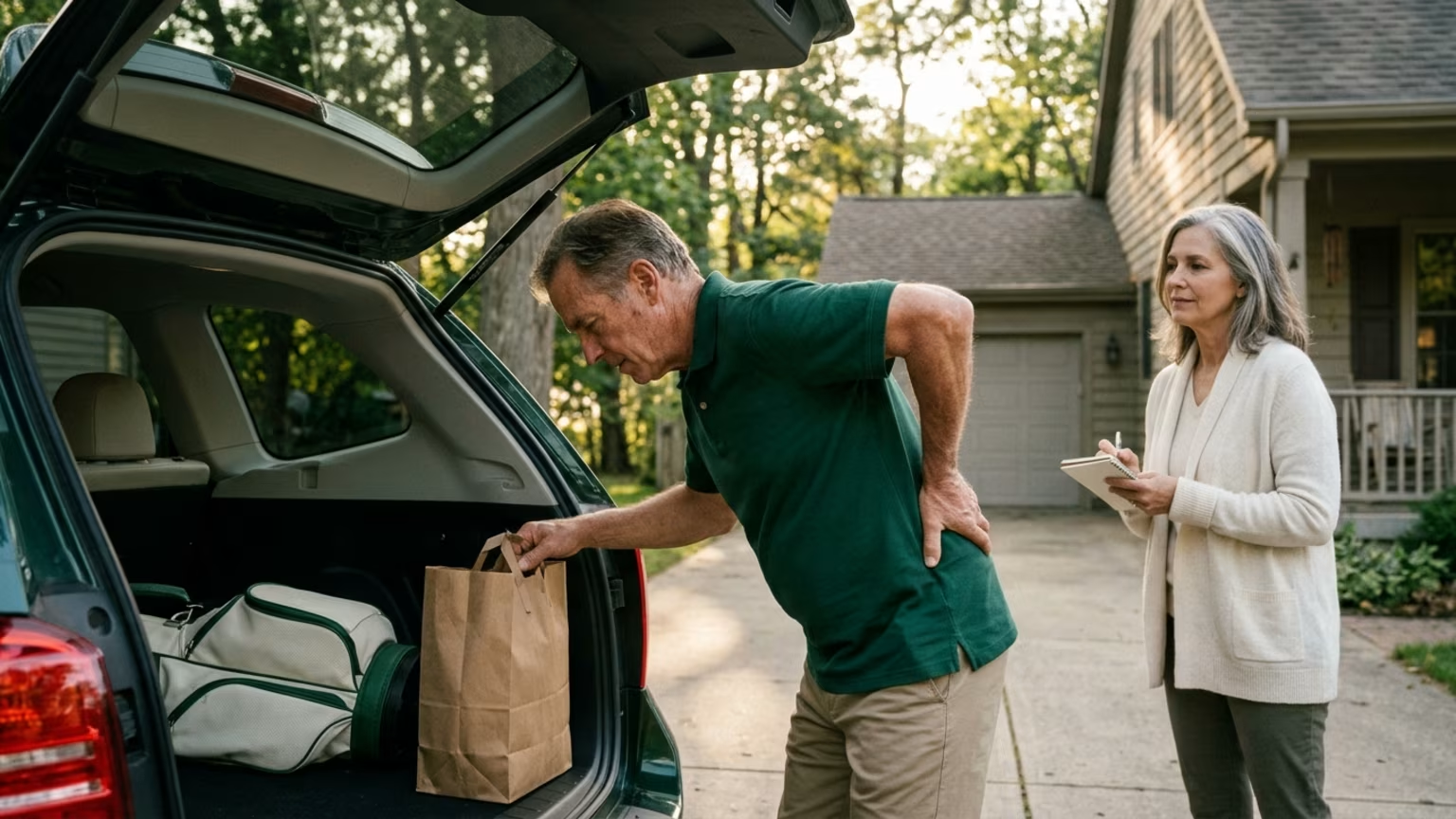
Learn when back discomfort after golf calls for scaling back, a routine assessment or emergency help, with NHS-based guidance.

Plan sleep around early tee times with consistent habits, realistic sleep opportunity and practical guidance for travel and changing golf schedules.
Explore practical resources on performance, recovery, mobility and golf longevity.
Read the Blog