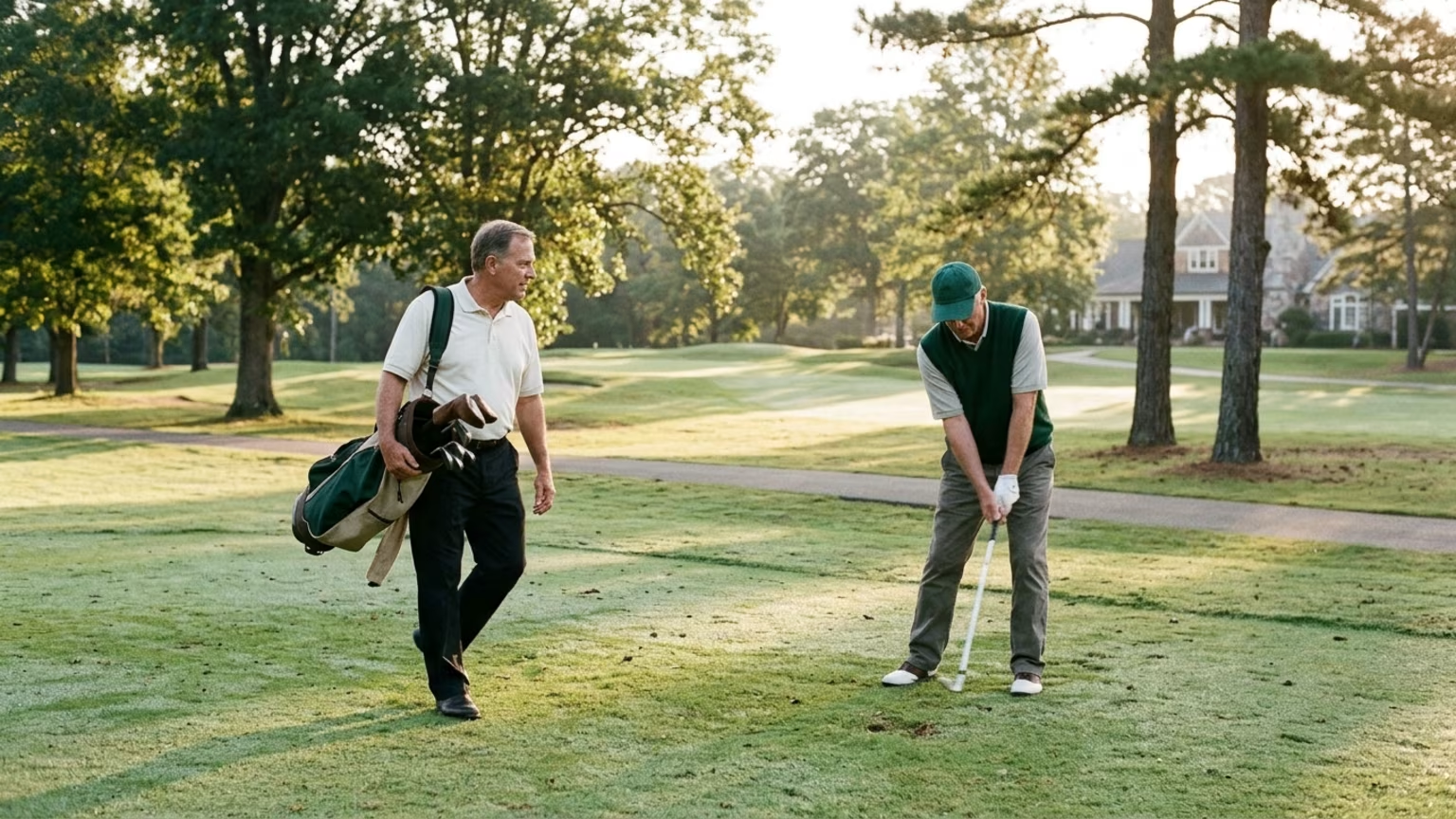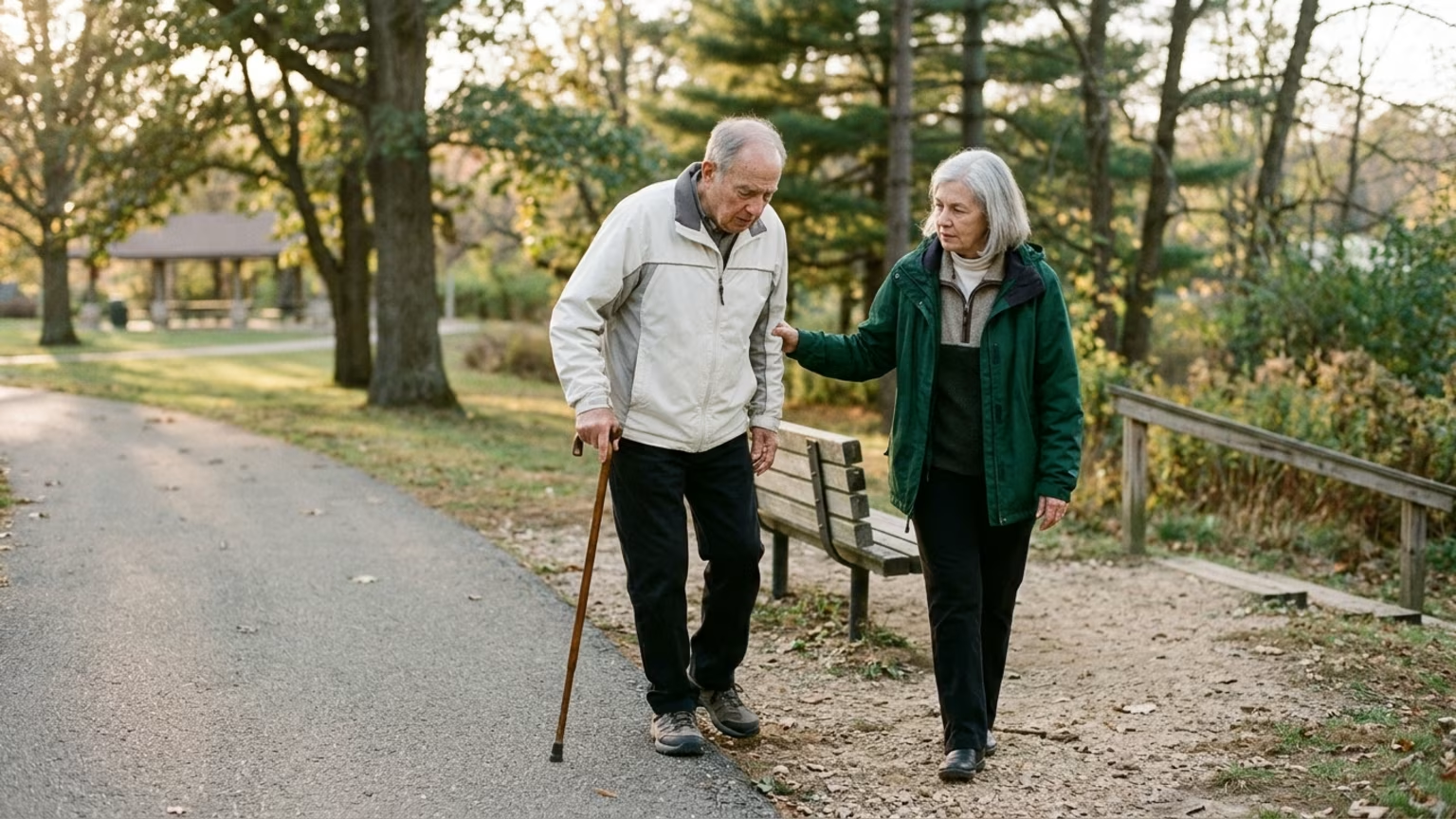

UQ researchers propose a wider view of ageing weakness. See how muscle, movement and function relate to golf, and where the evidence stops.




University of Queensland researchers have proposed a broader way to understand age-related weakness and mobility loss. Their paper “Reframing sarcopenia as a disease of the ageing motor system” was published in The Lancet Healthy Longevity. They argue that muscle mass tells only part of the story.
UQ Research Fellow Lucas Orssatto and his co-authors place the wider motor system at the centre of their argument. That includes the brain and spinal cord alongside nerves and their connections to muscle.
Their proposal changes the starting question. Rather than looking only at how much muscle someone has, it asks how well the system supports strength and movement. For golfers thinking about their playing years ahead, that is a useful shift in focus.
According to the University of Queensland account, muscle loss explains only a “modest proportion” of strength decline among older adults. The researchers also point out that people with similar muscle mass can have different levels of strength and mobility.
This does not make muscle unimportant. It separates muscle quantity from physical capacity. The researchers’ argument is that looking at one does not fully describe the other.
In Medical Journal of Australia Insight+, Orssatto argues that clinical attention should include movement and function. His examples include:
These examples move the discussion away from muscle size alone and towards everyday ability. They also make the research easier to relate to life beyond the gym.
The UQ researchers argue that exercise can improve strength and mobility without a measurable change in muscle mass. The useful distinction is between a change in body tissue and a change in what a person can do.
Separate golf-specific coverage describes a randomized trial involving golfers aged between 55 and 79. A secondary report says an eight-week strength-and-flexibility program improved strength and range of motion. It also reports an improvement in clubhead speed.
That gives the wider discussion a golf-specific example of training affecting both physical qualities and performance. It also keeps strength and movement in the same conversation rather than presenting them as competing goals.
For a golfer following training progress, that distinction matters. No measurable change in muscle mass is not the same statement as no change in function. The researchers’ argument gives a reason to ask about strength and mobility directly instead of treating muscle size as the only outcome worth noticing.
For recreational golfers over 40, the practical relevance is a broader view of capacity. Looking only at muscle size leaves out the functional questions raised by the researchers.
A reasonable translation to golf is to think about walking the course and staying steady while changing direction. Rising from a chair brings the same discussion into everyday life. These examples keep attention on useful movement rather than appearance alone.
At Golfergy, the focus is practical, research-led guidance that helps experienced golfers stay capable for longer. In this case, that means keeping muscle strength and usable movement within the same goal.
The evidence has clear boundaries. The UQ paper proposes a framework and research agenda, not a change to diagnostic standards or a new exercise trial. Applying its ideas to course demands is an editorial translation, not a tested golf finding.
The authors acknowledge that proposed measures have not been shown to outperform existing screens on outcomes or cost. They also note that neuromuscular expertise is not equally available in primary care.
The separate golf trial comes through a secondary report without numerical results. Its age range does not cover every golfer over 40. It does not establish lasting on-course benefits or injury prevention. Neither report establishes an optimal exercise dose for golfers.
The practical step is to review the purpose of training, not copy a routine from this paper. A useful conversation with a qualified exercise professional can separate three questions:
These are discussion points, not a home test or a diagnosis. The chair-rising and walking examples in the researchers’ commentary are ways of thinking about function. They are not performance targets for readers to pass.
Keeping the focus narrow can make that conversation more useful. Walking the course is one goal. Getting up from a chair is another. Naming the task makes the goal clearer than simply asking for a program that fights ageing.
A personal plan can be discussed around those priorities with qualified guidance. The research-led principle is to give function a place beside strength rather than use muscle size as the whole scorecard.
For related reading, see Golfergy’s article on training strength alongside balance and mobility. Our healthy ageing coverage offers more research-led context for staying active and capable.
Orssatto and his co-authors highlight weakness that develops rapidly, affects one side more than the other or seems out of proportion to muscle loss. They argue that these patterns deserve closer examination.
For a golfer noticing that sort of change, the practical implication is to seek assessment from a qualified healthcare professional. A personal assessment is the place to address the change rather than assuming its cause from a general article.
The strongest takeaway is not to trade strength work for movement practice. It is to stop treating muscle size as the whole measure of physical capacity. The UQ authors make the case for considering muscle and the wider motor system together.
Their agenda calls for validated practical tests and trials that track nerve outcomes alongside muscle outcomes. The open questions concern which measures best guide assessment and whether this approach leads to better function in daily life.
For experienced recreational golfers, strength and usable movement belong in the same conversation about staying in the game. The next research task is to establish how best to assess and support that capacity.
Follow Golfergy for practical insights on performance, mobility, recovery and healthy ageing. Stay connected for new articles, research-led guidance and ideas to help you play better for longer.


A reported vascular benefit puts power training on the agenda for golfers over 50. Here is how to separate the health finding from golf evidence.

An 85-study review linked becoming active with lower mortality. Here is the careful takeaway for golfers over 40 returning after a lapse.
A doctor's bone health advice puts strength training alongside daily movement. Here's how it relates to golfers over 40 and where the evidence stops.
Explore practical resources on performance, recovery, mobility and golf longevity.
Read the Blog