Back fatigue on the back nine often ruins good rounds, but adjusting swing mechanics and body maintenance helps seniors play pain-free golf for decades.




Golf longevity is not about chasing the explosive swing speeds of twenty-year-old athletes. It is not about buying the latest high-tech driver in hopes of gaining thirty extra yards. True longevity is a systematic, lifetime discipline. It is the practice of matching your physical movements, your gear, and your strategy to the natural changes in your body as you grow older.
Many players believe that getting older means accepting a slow, painful decline in their game. This is a common misconception. With a structured approach, you can maintain your physical stamina, protect your joints, and keep your scores low. The goal is to walk onto the first tee at eighty years old with the same quiet confidence you had decades earlier.
To achieve this, we must look at the sport as a long-term journey. This guide outlines a complete strategy built on physical conditioning, equipment evolution, and smart course management. By adapting your approach, you can easily protect your body and play this beautiful game for another thirty or forty years. If you want to learn more about our philosophy, you can visit our page on golf longevity philosophy to see how we help mature players thrive.
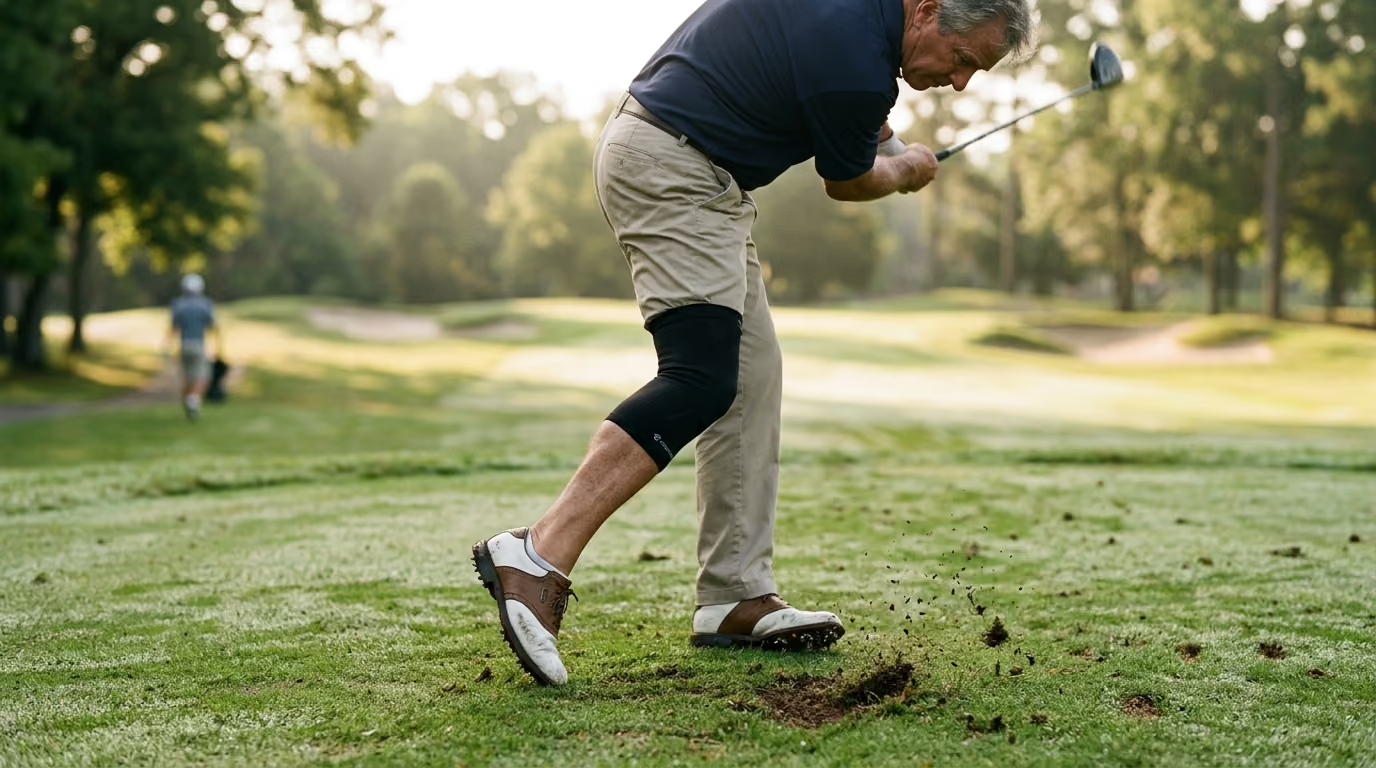
Imagine standing on the fourteenth tee of a long, challenging par-four. You have walked nearly four miles, and the late afternoon breeze is blowing directly against you. Your lower back feels stiff from walking the rolling fairways. Your lead knee has a dull, familiar ache that started three holes ago.
You feel pressure to hit a long drive to clear a fairway hazard. You grip the club tighter, settle into a wide stance, and try to swing with maximum force. As you reach the top of your backswing, a sudden pinch flares in your lower back. Your body stalls, your hips slide instead of rotating, and your ball slices deep into the right rough.
This moment is a classic crossroads for the mature golfer. The physical fatigue of the round combined with a forced swing creates dangerous forces on your spine. Your muscles are too tired to support your joints, so the stress transfers directly to your lumbar vertebrae. This is where acute injuries happen, turning a simple weekend game into weeks of pain and forced rest.
The saddest thing I have seen in golf is watching lifelong playing partners slowly drop out of our weekend group. It usually starts with a nagging shoulder or knee issue they ignore until it requires surgery. That pattern is exactly why I became obsessed with golf longevity. We do not have to stop playing as we age, provided we do the right maintenance work between rounds.
To swing a golf club safely as you age, you must understand the mobility-stability paradox. Your body needs a balance of loose joints and strong, supportive muscles. In a younger golfer, the thoracic spine and hips provide massive rotational range. This range allows them to create a wide separation between the shoulder turn and the hip turn.
As we age, our joints naturally lose some of this passive elasticity. When you try to force a wide separation without the necessary flexibility, your body compensates. Instead of rotating smoothly, your lower back begins to tilt and sway. This movement is called spinal shearing, and it is the primary cause of lower back pain.
Research from the British Journal of Sports Medicine shows that the lifetime injury rate for recreational golfers is about 56.6 percent. Lower back injuries are the most common issue. The key to preventing this wear is prioritizing core stability. Strong core muscles act as a protective corset around your spine, absorbing the rotational forces of the swing.
Beyond injury prevention, staying active on the course has massive health benefits. Studies published in the R&A Golf and Health Report show that golf improves cardiovascular, respiratory, and metabolic health. It also functions as a cognitively challenging physical activity. Playing eighteen holes improves attention and memory in older adults, while also training balance to prevent dangerous falls.
When you feel stiffness building on the back nine, you need an immediate way to protect your body. Do not try to stretch your back aggressively on the tee box. Instead, focus entirely on your physical setup.
First, shorten your backswing to about three-quarters of its usual length. This change reduces the rotational strain on your lumbar spine and hips. You will lose very little distance because a shorter swing often leads to cleaner contact on the sweet spot.
Second, adopt a more upright stance at address. Stand slightly taller and bring your feet a fraction closer together. This posture takes the pressure off your hamstrings and lower back, making it easier to rotate.
Third, focus entirely on turning your trail hip. As you take the club back, let your trail hip slide backward slightly to clear space. This simple adjustment prevents your hips from locking, which immediately relieves tension in your lower back.
To play golf into your eighties, you must build a physical foundation off the course. We recommend a simple training routine built around functional movement. This routine focuses on the "Core 4" movements: squatting, lifting, pressing, and rotating.
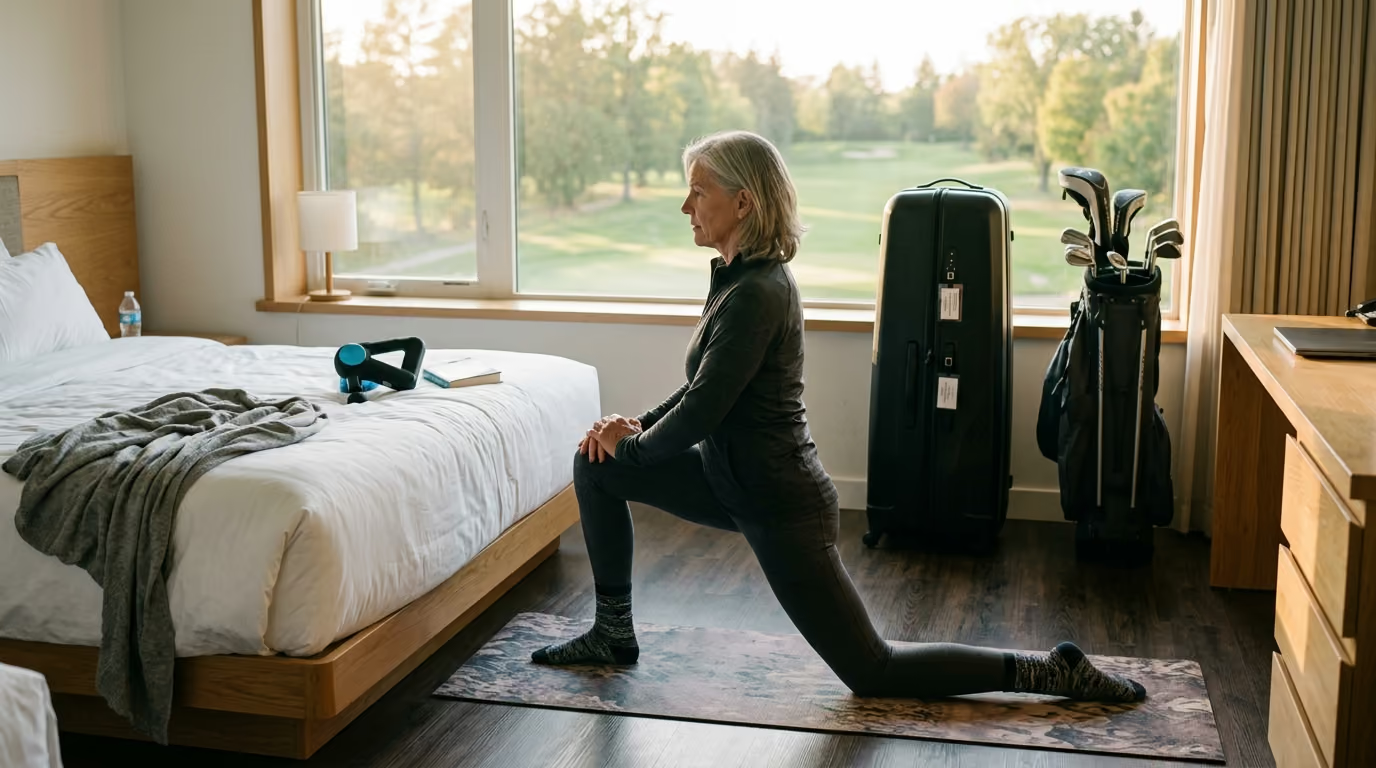
For our daily mobility work, we focus heavily on the hips and the thoracic spine. You can perform these exercises at home in just fifteen minutes. They require no special equipment, making them easy to turn into a daily habit. If you want to dive deeper into these movements, look at our resources on rotational mobility to keep your body moving freely.
This stretch targets the front of your hips, which often tighten up from sitting or walking. Tight hip flexors block your ability to rotate your pelvis during the swing.
This movement improves rotational flexibility in your upper back. This flexibility is critical for keeping your lower back safe during rotation.
Strong glutes are the powerhouse of the golf swing. They support your pelvis and take pressure off your lower back.
This exercise trains your brain and muscles to separate upper body movement from lower body stability. It is a vital movement pattern for a smooth swing.
Your golf clubs should act as an extension of your body, adapting as your physical needs change. Many mature golfers make the mistake of playing the same club specifications for decades. Using stiff, heavy shafts is a guaranteed path to joint pain and chronic fatigue.
Switching your iron and woods shafts to graphite is a vital step for joint preservation. Graphite is much lighter than steel, which helps you maintain clubhead speed with less physical effort.
More importantly, graphite absorbs a massive amount of shock and vibration. This dampening effect protects your wrists, elbows, and shoulders from the repetitive impact of hitting the ball. Over a season, this reduction in joint stress can prevent chronic issues like tendinitis and arthritis flare-ups.
Slower swing speeds need more loft to get the ball into the air for optimal carry. If your swing speed has decreased, a nine-degree driver will only cause frustration.
Try using a driver with 10.5 degrees or even 12 degrees of loft. This design helps launch the ball higher without requiring a violent upward swing. It keeps the ball in the air longer, giving you back the distance you might have lost over time.
Traditional three, four, and five irons are incredibly difficult for mature golfers to hit consistently. They require high swing speeds and precise contact to achieve proper height and distance.
Replace these difficult clubs with modern hybrids or high-lofted fairway woods. Hybrids have a wider sole and a lower center of gravity. This design makes them highly forgiving on off-center hits and much easier to launch from any lie.
If you suffer from arthritis or stiffness in your hands, standard grips can cause serious discomfort. They force you to squeeze the club tightly to keep it from slipping.
Upgrading to midsize or oversized jumbo grips reduces hand tension immediately. These thicker grips allow you to hold the club securely with less physical effort. This change eases the strain on your fingers, hands, and forearms throughout the entire round.
Carrying a heavy golf bag over eighteen holes causes massive fatigue in your shoulders and lower back. This fatigue ruins your posture and saps the energy you need for your swing.
Invest in a high-quality three-wheel or four-wheel push cart, or use an electric trolley. Pushing your clubs is far easier on your body than pulling a two-wheel cart or carrying a bag. This simple equipment change keeps your posture upright and saves your physical energy for your shots.
As your physical body changes, your strategy on the golf course must adapt. Longevity golf is about playing smarter, not harder. Trying to play the same aggressive style you used thirty years ago is a quick way to wear down your body.
One of the best decisions you can make for your game and your health is to move forward to the senior tees. Many players resist this change due to pride, but it completely transforms the playing experience.
Shorter tees allow you to hit shorter, more accurate clubs into the greens. You will no longer feel the need to muscle long irons or fairway woods to reach the putting surface. This change makes the game far more enjoyable, reduces physical strain, and lowers your scores.
Putting and chipping are the most age-resilient parts of the sport. You do not need high swing speeds or massive flexibility to hole a twelve-foot putt or hit a delicate chip.
Shift your practice time away from the driving range and spend it on the putting green. Developing a sharp short game is the most effective way to lower your scores. It allows you to compete with younger players without putting any stressful physical demands on your joints.
Avoid playing thirty-six holes in a weekend, or playing back-to-back days without rest. Your muscles and joints need more time to recover as you grow older.
Instead, play every other day, and use your off days for active recovery. A short walk, a swim, or a light mobility session will help your muscles recover. This routine keeps your joints lubricated and ready for your next round. If you struggle with stiffness after playing, read our guide on physical recovery after golf to learn how to bounce back quickly.
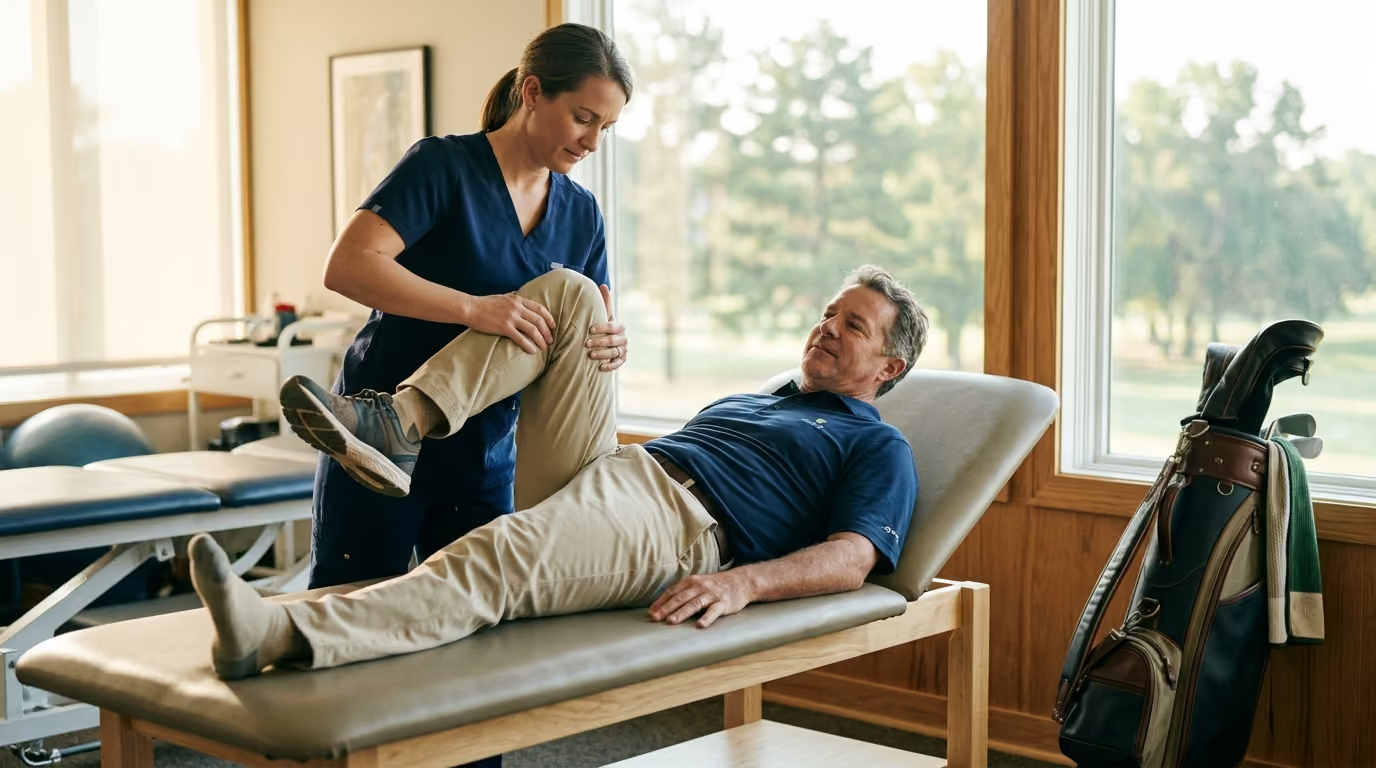
Joint replacements are incredibly common among senior golfers, but they do not have to end your playing days. In fact, research from the Hospital for Special Surgery shows that over ninety percent of golfers return to the course after a hip replacement. Approximately seventy percent return successfully after a knee replacement.
The key to a successful return is following a strict, gradual timeline. You must allow the bone and surrounding tissues to heal completely before subjecting them to the twisting forces of a golf swing. Never rush this process, as early strain can loosen the implant or cause chronic pain.
During weeks four to six after surgery, you can begin putting and light chipping. Keep your feet close together and minimize any lower body rotation. Focus entirely on the feel of the putter and the short wedge in your hands.
Between weeks eight and twelve, you can transition to the driving range. Start with half-swings using your shortest irons, like a pitching wedge or nine-iron. Focus on smooth, rhythmic movements and make sure your weight transfers cleanly without any sharp pain.
By months four to six, most golfers can return to full eighteen-hole rounds. Use a riding cart initially to manage your physical endurance and reduce walking fatigue. Listen to your body, and take a break if you feel any swelling or deep aching in the joint.
Many senior golfers struggle because they fall into common physical and strategic traps. Recognizing these mistakes is the first step toward building a safer, more sustainable game.
The first common mistake is trying to maintain the exact swing speed you had in your forties. Many seniors refuse to accept that their physical peak has shifted.
They swing harder to make up for lost distance, leading to massive compensation patterns. This extra effort usually results in severe golfer’s elbow, shoulder impingement, or lower back strain. Accepting a smoother, slower tempo actually improves ball striking and protects your body from injury. You can learn more about building a safer swing on our page dedicated to golf injury prevention strategies.
The second mistake is using the exact same club specifications for decades. Golfers often stick with heavy steel shafts and small grips because "that is what they have always played."
This same-set fallacy ignores the natural changes in hand strength, joint health, and swing speed. A professional custom fitting is highly recommended every five years, especially after a major injury or joint surgery. Adjusting your clubs to your current physical ability will make the game much easier and safer.
The third mistake is ignoring the need for regular muscle maintenance. Many players believe that stretching is the only physical work they need to do for golf.
Without strength, your joints have no support during the rapid rotation of the swing. Building strong legs, glutes, and core muscles is the absolute best way to protect your joints from wear. If you want to build a simple home routine, check out our guide on functional strength training for mature golfers.
Yes, you can absolutely continue playing with hand arthritis. Upgrading to oversized or jumbo grips will make a massive difference by reducing the hand tension needed to hold the club. Additionally, using graphite shafts will absorb the harsh vibrations of impact, protecting your finger joints from painful shock.
Normal muscle soreness usually appears on both sides of your body and fades within forty-eight hours. It feels like a dull ache that improves with movement. A real injury often presents as a sharp, sudden pain, occurs on only one side, and persists even when resting. If you experience joint swelling, numbness, or pain that worsens during a swing, consult a medical professional immediately.
If your joints allow it, walking with a three-wheel or four-wheel push cart is highly beneficial. It keeps your muscles warm, provides steady cardiovascular exercise, and maintains your rhythm. However, if you suffer from severe knee or hip pain, riding in a motorized cart is a great way to conserve energy and reduce joint stress.
Your ability to play golf into your eighties depends entirely on your willingness to adapt your swing, your equipment, and your expectations to match the natural changes of your body.
Follow Golfergy for practical insights on performance, mobility, recovery and healthy ageing. Stay connected for new articles, research-led guidance and ideas to help you play better for longer.


Explore practical resources on performance, recovery, mobility and golf longevity.
Read the Blog