
Golf aches seem like normal fatigue, but silent systemic inflammation actually slows your physical recovery and increases your lifetime risk of joint injuries.




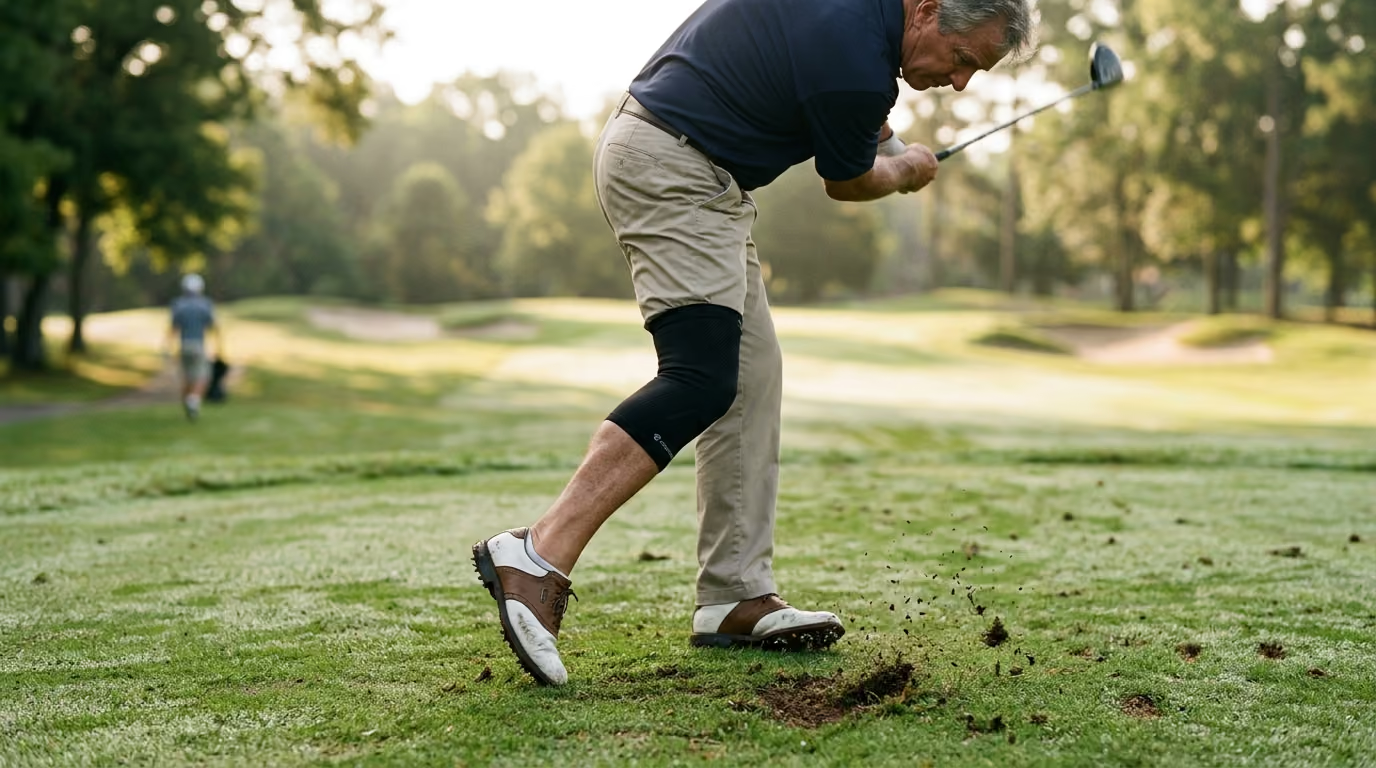
You are standing on the fourteenth tee. The afternoon sun is starting to dip, and you have a clean card going. Then, as you bend down to tee up your ball, a familiar dull ache radiates across your lower back. Your lead knee feels like it is filled with wet sand. When you take your practice swing, you realize your hips are resisting the turn, forcing you to rely entirely on your arms to guide the ball.
The back nine often reveals the true physical cost of our game. For many players, the final five holes become a battle against stiffness rather than a test of skill. This silent opponent is not just simple fatigue. It is systemic inflammation, a physical barrier that quietly chips away at your swing speed, your flexibility, and your enjoyment of the sport.
The saddest thing I have seen in golf is watching lifelong playing partners slowly drop out of our weekend group. It usually starts with a nagging shoulder or knee issue they ignore until it requires surgery. That pattern is exactly why I became obsessed with golf longevity. We do not have to stop playing as we age, provided we do the right maintenance work between rounds.
Taking proactive steps in injury prevention is the key to staying on the fairways for decades. This manual provides a practical, science-backed strategy to manage joint irritation, speed up your recovery, and keep your body moving freely.
To play your best as the years pass, you must understand a process called inflammaging. This term refers to the chronic, low-grade, systemic inflammation that naturally increases as we get older. Unlike the acute swelling you experience after twisting an ankle, this low-grade irritation is quiet and constant. It is characterized by elevated levels of C-reactive protein, which is often shortened to CRP, and pro-inflammatory proteins called cytokines.
These chemical markers act like a slow leak in your physical foundation. When you swing a golf club, your joints and muscles experience repetitive mechanical stress. In a young body, the tissues recover quickly from this twisting force. In a mature player, the background presence of inflammaging slows down this natural healing process.
The injury rates for recreational players highlight this vulnerability. Research published in the British Journal of Sports Medicine shows that annual injury rates for amateur golfers range from 15.8% to 40.9%. Over a lifetime, the injury incidence reaches as high as 67.4%. Most of these issues are overuse injuries in the lower back, shoulders, and knees, which are worsened by chronic baseline inflammation.
Regular golf can actually be part of the solution if you manage your recovery correctly. A study published in Oxford Academic analyzed the physical effects of a ten-week golf program on older adults. The researchers found that regular play decreased CRP levels by 49.80%. It also reduced other key inflammatory markers, dropping Interferon gamma by 14.25% and Tumor necrosis factor alpha by 10.64%.
This data proves that golf is a highly effective way to promote healthy ageing. The walking and rotational movements help clear inflammatory chemicals from your system. However, this benefit only occurs if your body can recover between rounds. If your systemic inflammation is too high, the repetitive swing motion will cause tissue damage instead of building strength.
When joint pain flares up, many players immediately reach for non-steroidal anti-inflammatory drugs, commonly known as NSAIDs. Taking a couple of ibuprofen tablets before your tee time might seem like a smart way to get through eighteen holes. However, relying on these pills creates a dangerous physical cycle. This habit masks your pain while silently accelerating the breakdown of your joints.
This cycle is known as the cartilage breakdown loop. NSAIDs work by blocking certain enzymes that create pain-inducing chemicals in your body. Unfortunately, those same enzymes are responsible for building collagen. Your body needs collagen to repair and maintain the articular cartilage that cushions your joints.
When you block these enzymes, you stop your body from rebuilding its natural shock absorbers. You might feel fine during your round, but you are actually subjecting your joints to friction without any cellular repair. Over time, this accelerates wear and tear, turning mild stiffness into severe arthritis. Your short-term comfort is paid for with the long-term health of your cartilage.
For mature players, the risks of chronic NSAID use extend far beyond joint wear. The Food and Drug Administration has issued clear warnings about the cardiovascular risks associated with these over-the-counter medications. Regular use can increase your risk of heart attack or stroke, even in the first few weeks of treatment.
Furthermore, these drugs pose specific dangers to golfers over the age of sixty-five. For this demographic, frequent use more than doubles the risk of acute kidney injury. It also increases the likelihood of suffering a fall by ten-fold. This spike in fall risk is tied to fluid retention, blood pressure changes, and interactions with other common medications.
Your daily nutrition is your primary defense against chronic joint irritation. The foods you eat can either calm your immune system or fuel the fire of systemic inflammation. By shifting your dietary habits, you can directly influence how your joints feel when you wake up the morning after a tough round.
The balance of fatty acids in your diet is the most critical factor to address. The modern diet is packed with Omega-6 fatty acids, which are found in abundance in refined seed and vegetable oils. These oils are highly unstable and promote inflammatory pathways throughout your body. To protect your joints, you must reduce these oils and focus on Omega-3 fatty acids.
Omega-3s act as natural anti-inflammatory compounds. Excellent sources include wild-caught salmon, sardines, mackerel, and walnuts. These fats help rebuild cell membranes and reduce the production of inflammatory cytokines. Shifting your fat intake toward Omega-3s is one of the most effective ways to lower your baseline CRP levels.
You must also load your plate with colorful, plant-based foods after every round. Berries, cherries, and dark leafy greens are packed with polyphenols. These natural chemical compounds act as scavengers, neutralizing the oxidative stress caused by physical exertion. Eating a cup of blueberries or a spinach salad post-round helps flush out cellular debris before it can settle in your joints.
Dietary fiber is another powerful tool for joint protection. High-fiber foods like oats, quinoa, lentils, and chia seeds support a healthy gut microbiome. A balanced gut helps regulate your immune system and is directly linked to lower systemic inflammatory markers. Aim to get at least thirty grams of fiber into your daily diet to support your joints from the inside out.
At the same time, you must identify and minimize your exposure to inflammatory triggers. Refined sugar is the most common culprit. Consuming just forty grams of sugar, which is the amount in a single can of soda, triggers an immediate inflammatory response that can last for hours. This spike in blood sugar irritates your blood vessels and sensitizes your pain receptors.
Alcohol is another significant trigger that disrupts your recovery process. Having multiple drinks after a round raises your CRP levels and dehydrates your joint cartilage. Limit your intake to one drink for women or two for men, and always drink extra water alongside it. Processed proteins like hot dogs, deli meats, and bacon also contain chemicals that aggravate joint pain.
Some players may have hidden food sensitivities that make joint pain worse. Gluten and casein, which is a protein found in dairy products, are common edge-case triggers. While these proteins do not affect everyone, they can cause arthritis-like symptoms in sensitive players. If you suffer from chronic stiffness, try removing dairy and gluten for two weeks to see if your joints feel more fluid.
What you consume during your four-hour round has a direct impact on your physical performance and inflammation levels. Waiting until you feel thirsty or hungry to fuel your body is a mistake. By that time, your physical performance has already started to decline, and your stress hormones are rising.
Hydration is your first line of defense on the course. Your joint cartilage is made mostly of water, and even mild dehydration reduces its cushioning ability. To keep your joints lubricated, you should drink water every two to three holes. Do not wait for the beverage cart to appear; carry a high-quality water flask in your bag at all times.
To calculate your post-round hydration needs, you can use a simple rehydration metric. Weigh yourself immediately before your round and again immediately after you finish. For every one kilogram of body weight lost during play, you should consume 1.5 liters of water. This specific ratio ensures your cells recover their fluid balance and flush out metabolic waste.
Your nutrition on the course should focus on keeping your blood sugar stable. Eating a massive meal at the turn causes a rapid spike in glucose, followed by a sharp crash. This crash triggers the release of stress hormones like cortisol, which can increase joint pain and muscle tension.
Instead of a heavy mid-round meal, focus on strategic snacking. Eat small, nutrient-dense portions of food every four to six holes. This steady fueling keeps your energy levels flat and prevents physical stress. Good options include a banana, a handful of raw almonds, or a low-sugar protein bar.
These foods provide slow-release energy without triggering an inflammatory response. Bananas offer potassium to prevent muscle cramps, while almonds deliver healthy fats and magnesium to support muscle relaxation. Keeping these options in your bag helps you avoid the temptation of the hot dogs and sugary sports drinks sold at the turn.
Once you hole your final putt, your body enters a critical recovery window. The first two hours after your round determine how quickly your muscles and joints repair themselves. To streamline this process, you should follow the structured framework of the Three Rs: Rehydrate, Repair, and Restore.
The first step is to Rehydrate your system. This involves more than just drinking plain water. You must also replace the electrolytes, specifically sodium and potassium, lost through sweat. Adding a clean electrolyte powder to your post-round water helps your body absorb the fluid and regulates muscle contractions.
The second step is to Repair damaged muscle fibers. The repetitive, explosive movement of the golf swing causes microscopic tears in your muscles. To heal these tissues, you need a high-quality source of protein. Consuming twenty to forty grams of protein within the first hour after play is the optimal threshold for muscle repair.
According to research in the Journal of Strength and Conditioning Research, this protein dosing is critical for muscle protein synthesis. Good sources include a high-quality whey isolate shake, grilled chicken breast, wild fish, or eggs. To maintain muscle mass as you age, try to distribute this twenty to forty-gram protein dose across four to five meals daily.
The final step is to Restore your energy reserves. Your muscles store carbohydrates as glycogen, which is the primary fuel used during physical activity. To replenish these stores, eat a portion of complex carbohydrates with your post-round meal. Sweet potatoes, brown rice, quinoa, or oatmeal are excellent choices that do not cause inflammatory spikes.
By following this post-round routine, you give your body the exact materials it needs to heal. This proactive approach stops the accumulation of micro-damage that leads to chronic tendonitis and joint wear. It ensures you wake up the next morning ready to swing with freedom rather than restriction.
Many golfers believe that total rest is the best cure for joint soreness. However, sitting on the couch for two days after a tough round can actually make your stiffness worse. Without movement, metabolic waste pools in your tissues, and your joints lose their natural lubrication. Active recovery is a much more effective strategy.
To keep your body moving well, you must understand the difference between pre-round and post-round routines. Before you play, avoid static stretching, which involves holding a stretch for a long time. Static stretching can temporarily reduce your muscle power and stability. Instead, use a ten-minute dynamic warm-up to prepare your muscles.
Focus on gentle, active movements that mimic the golf swing. Perform arm circles, gentle torso twists, and leg swings to increase your heart rate and joint lubrication. This dynamic movement prepares your nervous system for the demands of the game without draining your energy reserves.
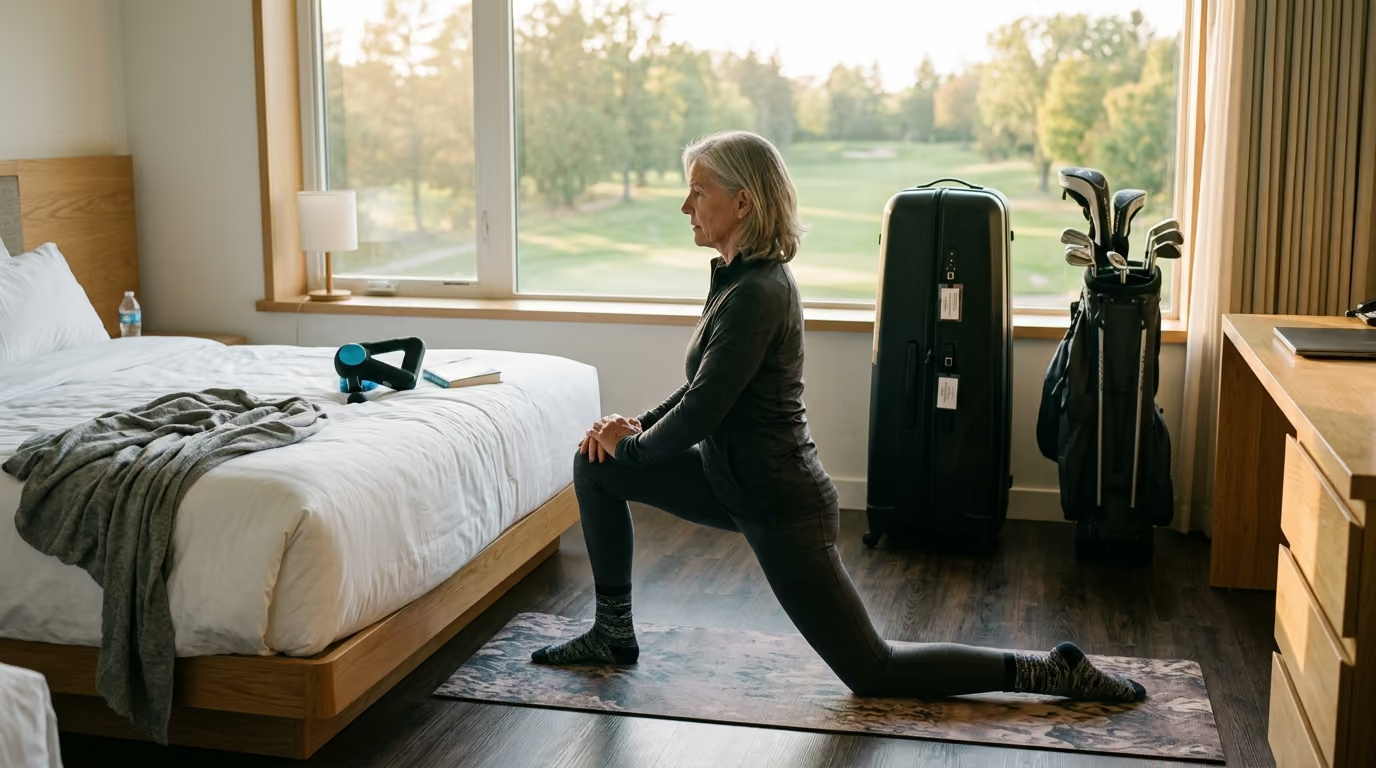
Save your static stretching and deep mobility work for the post-round window. The first twenty-four hours after finishing eighteen holes is the ideal time to restore your range of motion. Use a foam roller on your upper back, glutes, and calves to release tension in your connective tissues.
For a simple post-round routine, focus entirely on turning your trail hip. Stand with your feet shoulder-width apart and cross your arms over your chest. Slowly rotate your hips to the trail side, feeling a gentle stretch deep in your hip socket, and hold for three seconds. Return to the center and repeat this small movement ten times.
This focused exercise helps maintain your rotational flexibility without putting any pressure on your lower back. It targets the specific joint that often gets locked up during a round of golf. Keeping your hips mobile is one of the best ways to protect your lumbar spine from excessive twisting.
If you are feeling generally sore, a simple, fifteen-minute walk on a flat surface can work wonders. This light activity increases your circulation, which delivers fresh oxygen and nutrients to your healing muscles. It is a gentle way to flush out the biochemical byproducts of your round without adding any mechanical stress.
In addition to nutrition and movement, you can use several physical strategies to manage systemic inflammation. These lifestyle tools help calm your nervous system and accelerate tissue healing after a long weekend of golf.
One of the most effective physical therapies is cold-water immersion. Immersing your body, including your arms and legs, in water at approximately ten degrees Celsius for eleven minutes is highly beneficial. This cold therapy constricts your blood vessels, which helps reduce swelling and dampens the pain signals sent to your brain.
This practice is particularly useful for relieving delayed onset muscle soreness, often called DOMS. If you do not have access to a cold plunge tub, a cold shower can offer similar, though milder, benefits. Use this tool within the first twelve hours after a high-stress tournament to jumpstart your recovery.
Thermal management during your round can also prevent inflammation before it starts. On hot, humid days, your body must work hard to stay cool. This heat stress can trigger a systemic inflammatory response, making your joints feel sore and puffy.
To combat this, use cold towels around your neck during your round. Some players even wear light ice vests between holes to keep their core temperature down. This simple adjustment reduces skin temperature and limits the physical stress that leads to joint irritation.
Finally, do not underestimate the power of mechanical load management. If you are playing a hilly course or playing consecutive rounds, use a golf cart instead of carrying your bag. Pacing your movement between shots and taking breaks when possible helps conserve your energy. This reduces the total cumulative load on your knees and hips, protecting them from overuse.
Your choice of golf equipment has a direct impact on the physical stress placed on your body. The vibration and shock of hitting a golf ball travel up the shaft and into your hands, wrists, elbows, and shoulders. Making a few simple gear changes can significantly reduce this impact.
Start by inspecting your golf grips. Thin, worn-out grips force you to squeeze the club tightly to keep it from twisting. This high grip tension travels up your forearms, putting extra stress on your elbows and shoulders. Over time, this constant tension can lead to painful conditions like golfer's elbow.
Switching to midsize or jumbo grips is an excellent way to reduce hand tension. These thicker grips allow your hands to stay relaxed throughout your swing. They also feature softer materials that absorb a large amount of the shock generated when your club strikes the turf.
Next, look at your golf shafts. Heavy, stiff steel shafts transfer a massive amount of high-frequency vibration directly to your joints. If you suffer from arthritis or tendonitis in your upper body, consider switching to graphite shafts.
Modern graphite shafts are incredibly stable and can match the performance of steel. However, they are much lighter and possess superior dampening qualities. This means they absorb the harsh vibrations of impact, protecting your wrists, elbows, and shoulders from micro-trauma during your round.
Finally, evaluate your golf shoes. Rigid, heavy shoes with traditional metal or hard plastic spikes can lock your feet into the ground. This lack of foot mobility prevents your ankles from rotating naturally, forcing your knees and lower back to absorb the twisting forces of your swing.
Look for modern, spikeless golf shoes that offer plenty of cushioning. These shoes allow your feet to flex and move naturally, which reduces the mechanical strain on your knees. The extra cushioning also acts as a shock absorber as you walk the fairways, saving your joints from the repetitive impact of five miles of walking.
You should revisit this manual whenever you notice your recovery times starting to slow down. If you find yourself feeling stiff for more than twenty-four hours after a round, your systemic inflammation is likely elevated. Use these strategies to reset your nutrition, refine your hydration, and adjust your lifestyle habits.
Remember, playing pain-free golf as you age is not about finding a single magic cure. It is about building a consistent routine of physical maintenance and smart nutrition that supports your body. By taking care of your joints between rounds, you can look forward to standing on the first tee with confidence for many years to come.
Take a moment to review your current post-round habits before your next tee time. Make sure you have healthy snacks packed in your bag and a clear recovery plan in place. Your body will thank you, and your scorecard will show the difference.
To play your best golf for decades, you must treat your body with the same care and precision that you apply to your swing.
Follow Golfergy for practical insights on performance, mobility, recovery and healthy ageing. Stay connected for new articles, research-led guidance and ideas to help you play better for longer.


Explore practical resources on performance, recovery, mobility and golf longevity.
Read the Blog