
Senior golfers can protect aging joints, reduce post-round soreness, and bounce back faster between rounds with a structured 48-hour recovery protocol.




The 48-Hour Recovery Protocol is a structured, time-bound system of hydration, nutrition, and movement. It is designed specifically for mature golfers. It is not a passive afternoon on the couch. It is not a collection of random stretches or quick fixes. It is a scientific approach to managing muscle repair and joint health after 18 holes of golf. This protocol helps senior golfers maintain physical freedom and prepare for their next round.
In our experience, proper preparation and recovery make all the difference. I used to stand on the first tee doing long, static hamstring stretches because I thought it was the right way to warm up. I would actually feel weaker on my first drive. Research later showed me that dynamic movements, like leg swings and torso twists, prime the nervous system much better. Changing my five minute warmup completely transformed my opening tee shots.
Just as we changed our pre-round habits, we must change our post-round habits. The mature body requires active help to bounce back. This guide provides a detailed blueprint to help you recover quickly, stay injury-free, and extend your playing years. We will look at why senior golfers require a unique recovery system, the exact four-stage timeline, and the science of older muscle repair. This system will help you stay active, reduce pain, and play the game you love for many years to come.
Golf is a physically demanding sport. It places unique rotational stresses on our joints and muscles. As we cross the age of 50, our bodies process exercise differently. We can no longer treat recovery the same way we did in our thirties.
Research indicates that golfers aged 50 to 65 have a significantly higher injury prevalence than younger players. Specifically, 64.9 percent of older golfers experience injuries. In contrast, only 58.3 percent of younger players suffer from golf-related pain. This difference is not a matter of swing skill. It is a natural result of biological aging.
The areas most vulnerable to injury in senior players are the lower back, elbows, and shoulders. The lower back accounts for 15.2 to 34 percent of golf injuries. Elbows represent 7 to 27 percent of injuries. Shoulders make up 4 to 19 percent of injuries. These joints absorb massive torque during a golf swing, making them highly susceptible to micro-trauma.
One major biological shift is a phenomenon called anabolic resistance. This is a condition where older muscles require higher doses of protein to stimulate muscle protein synthesis compared to younger adults. In your youth, your body could easily rebuild muscle fibers with a light meal. As you age, your muscles become less sensitive to dietary protein. They require a much stronger nutritional signal to repair the micro-tears caused by 18 holes of golf.
Another factor is the decline in joint lubrication. Over time, the body produces less synovial fluid. This fluid acts as a cushion between your bones. When you walk four miles on a golf course, your joints experience repetitive impact. Without proper recovery, this impact leads to chronic joint inflammation and stiffness.
We must also look at the nervous system. The brain-to-muscle connection slows down slightly as we age. This means your muscles stay tight for longer after a round. If you do not actively help them relax, they will remain in a semi-contracted state. This semi-contracted state leads to the tight, aching feeling you experience the next morning.
This is why traditional recovery advice does not work for older golfers. Simply sitting in a chair and resting is not enough. You need an active system that addresses these age-related changes. This system supports your journey toward healthy ageing on the course.
The recovery process is not a single event. It is a 48-hour window divided into four distinct phases. Each phase has a specific biological goal.
The first phase begins the moment you finish your final putt. The primary goal is to halt the inflammatory response and begin rehydration. When you walk off the 18th green, your body is in a state of high stress. Your cortisol levels are elevated, and your muscles are inflamed.
You must act quickly to signal to your body that the threat is over. The clubhouse routine is your first step. Mix one electrolyte packet with 20 ounces of water immediately after finishing your round. Drink this before you have a beer or lunch.
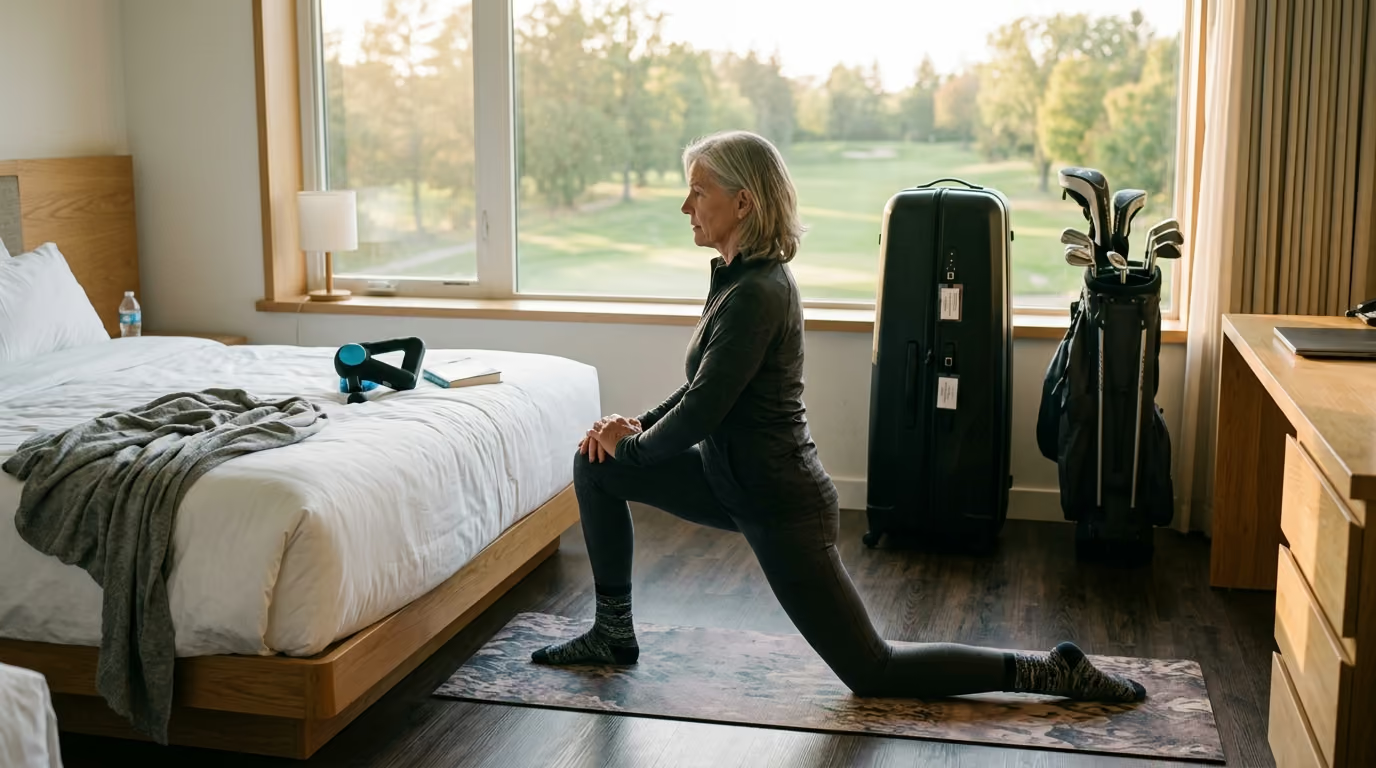
Next, spend 5 to 10 minutes using a foam roller or a massage gun. Focus on your calves and thighs. This soft tissue work helps prevent fluid pooling in your lower legs. It improves blood flow back to your heart and starts the recovery process.
To guarantee full recovery, you must understand your hydration needs. Golfers should consume 1.5 liters of fluid for every 1 kilogram of body weight lost during a round. If you do not have a scale, aim to drink at least 32 ounces of water with electrolytes within the first two hours. This standard is based on research from the Professional Golfers' Association.
This phase focuses on nutritional repair and sleep preparation. Your body does most of its healing while you sleep. However, you must provide the raw materials before you go to bed.
This is where we address anabolic resistance. Older adults need about 40 grams of high-quality protein post-exercise to stimulate muscle repair. Younger players only need 20 to 25 grams. Eat a meal containing lean chicken, fish, or a high-quality protein shake within this window.
Before bed, use temperature therapy. Take a 15 to 20 minute warm bath or shower. This raises your core body temperature by 1 degree. When you get out, your body temperature will drop. This drop in temperature signals your brain to produce melatonin, which improves your sleep quality.
Use strategic positioning when you sleep. Place a small pillow or cushion under your knees if you sleep on your back. If you sleep on your side, place the pillow between your knees. This simple adjustment reduces strain on your lower back. It keeps your pelvis in a neutral position throughout the night.
The second day is just as critical as the first. This phase focuses on low-intensity movement to flush metabolic waste from your muscles. Do not sit still on day two.
Plan a 30 minute light walk or a low-intensity yoga session. This light movement stimulates blood flow without adding new mechanical stress to your joints. It helps transport oxygen and nutrients to your healing muscles.
Continue your high-protein intake on day two. Eat 25 to 30 grams of protein every 3 to 5 hours. This keeps your muscle protein synthesis rates elevated throughout the 48-hour window. It guarantees your body has a steady supply of amino acids to repair damaged tissue.
Avoid high-intensity workouts during this phase. Your muscle fibers are still repairing from the golf round. Adding heavy weights or fast running can interrupt the healing process. Stick to gentle, continuous movement that leaves you feeling refreshed.
The final phase is about assessing your physical state before your next round. You need to distinguish between normal soreness and potential injury. This is the peak window for Delayed Onset Muscle Soreness, also known as DOMS.
According to the Cleveland Clinic, DOMS typically peaks 24 to 72 hours after exercise. It rarely lasts more than five days. Perform a gentle range-of-motion check to see how your body has recovered.
Stand up and slowly turn your torso from side to side. Bend forward and try to touch your toes. If you feel a dull, even ache in your muscles, that is normal soreness. If you feel a sharp, stabbing pain on one side of your lower back, that is a warning sign. You may need to rest longer before your next tee time.
This assessment helps you make smart decisions about your playing schedule. If you pass the readiness check, you can safely plan your next 18 holes. If you feel lingering pain, you should extend your recovery. You can find more helpful recovery strategies for the mature player to manage these timelines.
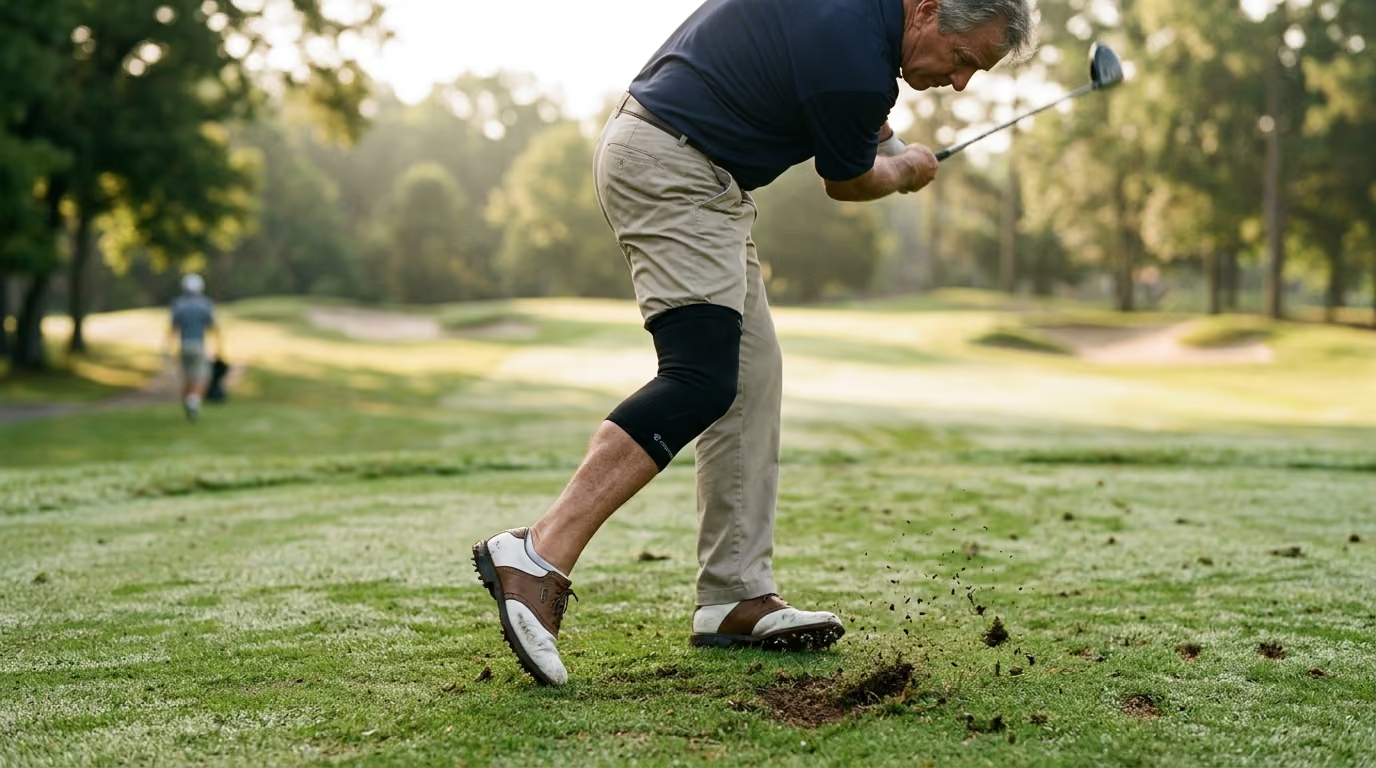
Let us paint a realistic scene on the course. You are standing on the 14th tee box of a long, hilly par five. The wind is blowing, and you have been waiting ten minutes for the group ahead to clear the fairway. As you bend down to tee up your ball, you feel a sharp, restrictive tightness in your lower back. Your hips feel locked, and you struggle to stand up straight.
You feel a wave of frustration. You still have five holes to play. Your swing feels restricted, and you are worried about hurting yourself.
Your natural reaction might be to bend over and stretch your hamstrings. You might try to twist your torso violently to "crack" your spine. These reactions are mistakes. They can worsen muscle spasms and cause further injury. The brain interprets these aggressive movements as threats, which makes the muscles tighten even more.
Instead, you need a quick fix that calms the nervous system and releases the spasm. First, stand completely still. Take three slow, deep belly breaths. This triggers the parasympathetic nervous system, which helps tight muscles relax.
Next, perform a standing pelvic tilt. Place your hands on your hips. Focus entirely on turning your trail hip and tilting your pelvis. Gently tuck your tailbone under, flattening your lower back. Then, slowly arch your lower back. Repeat this tiny movement five times. This gentle rocking motion helps release the protective spasm in your lower back muscles.
After releasing the spasm, adjust your swing for the remaining holes. Take one extra club and swing at 80 percent effort. Focus on keeping your feet quiet during the swing. Do not try to hit the ball with maximum power. This protective adjustment allows you to finish your round safely.
Once you reach the clubhouse, transition immediately into Phase 1 of the recovery protocol. Do not skip the hydration or the soft tissue work. This immediate care prevents the spasm from turning into a multi-week injury. For more on this, look at our guide on protecting your joints from golf injuries.
To recover effectively, we must understand the biological changes in our muscles. When we swing a golf club, our muscle fibers experience microscopic tears. This is a normal part of physical activity. The body repairs these tears by fusing muscle fibers together. This process is called muscle protein synthesis.
In younger athletes, this process is highly efficient. A small meal triggers a robust recovery response. However, mature muscles suffer from anabolic resistance. This means the pathways that signal muscle growth and repair become less sensitive.
Research published in the journal Sports Medicine shows that older muscles require a larger stimulus to start the repair process. Older adults need about 40 grams of high-quality protein after exercise to trigger muscle protein synthesis. If you only consume 20 grams, your muscles may not receive the signal to rebuild. They will remain sore and weakened for a longer period.
Another critical factor is hydration. The human body is mostly water, and our muscles are highly sensitive to fluid loss. During a round of golf, you lose water through sweat and respiration. Research shows that older adults have a blunted thirst mechanism. This means you do not feel thirsty even when your body is dehydrated.
When you are dehydrated, your blood volume decreases. This makes it harder for your cardiovascular system to deliver oxygen and nutrients to your muscles. It also slows down the removal of metabolic waste products, such as lactate. This waste buildup contributes to the severity of Delayed Onset Muscle Soreness.
Dehydration also affects your joints. Your joints are cushioned by synovial fluid, which is composed mostly of water. When you do not drink enough fluids, this cushion thins. Your joints experience more friction during the swing, leading to pain in your knees, hips, and lower back.
To fully recover, you must consume 1.5 liters of fluid for every kilogram of body weight lost during a round. This is the standard recommended by sports science research. Weighing yourself before and after a round can help you calculate this fluid loss. If you lose two pounds, you need to drink about 1.4 liters of water with electrolytes to rehydrate.
While immediate recovery is vital, you must also address the root causes of physical strain. The golf swing requires a high degree of rotational flexibility. If your hips are tight, your lower back must twist to compensate. The lower back is not designed for rotation. This compensation is a primary cause of back pain in senior golfers.
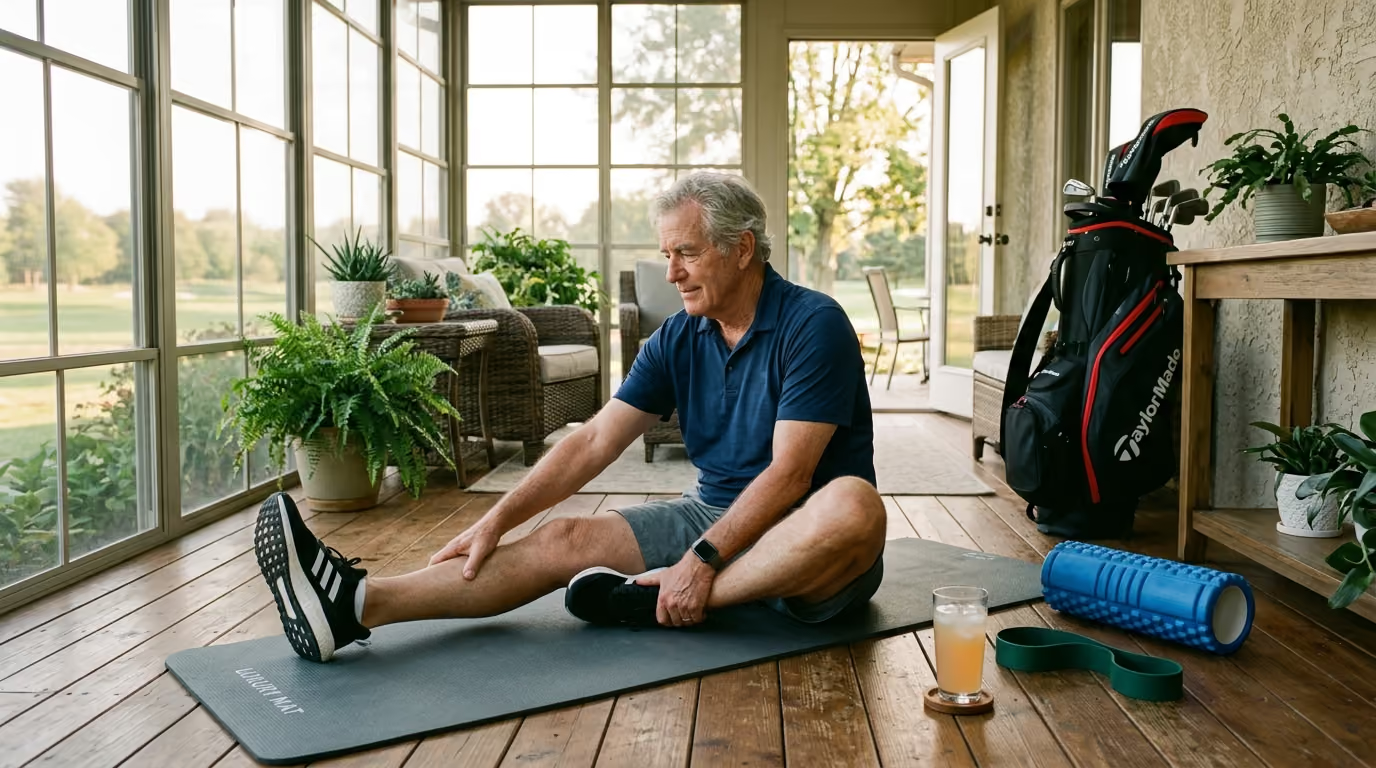
To protect your lower back, you must build mobility in your hips and mid-back. We recommend a simple, daily routine that targets these key areas. This routine takes less than ten minutes and can be done in your living room.
The first movement is the 90-90 Hip Switch. Sit on the floor with your knees bent at 90 degrees. Place your feet flat on the ground, wider than shoulder-width apart. Let both knees fall to the right. Your right outer thigh and left inner thigh should rest on the floor.
Keep your torso as upright as possible. Focus entirely on turning your trail hip. Hold this position for 30 seconds, breathing deeply. Slowly lift your knees and let them fall to the left. Hold for another 30 seconds. Repeat this process five times on each side.
The second movement is the Thread the Needle stretch. This exercise improves rotation in your thoracic spine, which is your mid-back. Start on your hands and knees in a tabletop position. Reach your right arm under your left arm, sliding the back of your hand along the floor.
Lower your right shoulder and ear to the ground. Hold this position for five deep breaths, feeling the stretch in your upper back. Return to the starting position and repeat on the other side. Perform three repetitions on each side.
The third movement is the Cat-Cow stretch. This movement helps restore flexion and extension to your entire spine. On your hands and knees, slowly arch your back toward the ceiling, tucking your chin. Hold for two seconds.
Then, slowly drop your belly toward the floor, lifting your chest and tailbone. Hold for two seconds. Perform ten slow repetitions.
Consistency is the key to building long-term resilience. Do these movements every day, not just after a round of golf. Over time, your joints will become more supple. You will feel less stiffness on the back nine, and your recovery times will shorten. To find more ways to improve your movements, read about improving your physical mobility.
Many golfers make mistakes that actually delay their recovery. Understanding these pitfalls can save you from unnecessary pain and injury.
As we mentioned in our team's experience, static stretching cold muscles is counterproductive. Holding a stretch for 30 seconds or more relaxes the nervous system and the muscles. This reduces their power output and makes them less stable.
Instead, use a dynamic warm-up before you play. Dynamic movements, like leg swings and torso twists, prime your nervous system. They prepare your body for the explosive movements of the golf swing. Save static stretching for the evening after your round.
A common misconception is that "total rest" is the best way to recover. After a tiring round, it is tempting to spend the rest of the day sitting on the couch watching television.
This complete inactivity is a mistake. It allows fluid to pool in your lower extremities and increases muscle stiffness. Active recovery, such as a light 20 minute walk, is far more effective. It stimulates blood circulation, which helps flush metabolic waste products from your muscles. It keeps your joints moving and prevents the next-day stiffness that makes it hard to get out of bed.
We have discussed how older adults have a blunted thirst mechanism. If you wait until you feel thirsty to drink, you are already dehydrated.
This chronic dehydration slows down tissue repair and compromises joint health. You must treat hydration as a scheduled task. Drink water at regular intervals during your round, regardless of whether you feel thirsty. Keep an electrolyte drink in your golf bag and consume it immediately after you finish playing.
Your body performs the majority of its tissue repair while you sleep. If you go to bed without adequate nutrients, your recovery will suffer.
Research shows that protein intake specifically before sleep boosts overnight muscle protein synthesis rates in older adults. A small, high-protein snack, such as Greek yogurt or a casein protein shake, can make a significant difference. It provides your body with a steady stream of amino acids to repair damaged muscles while you rest.
Your choice of equipment plays a major role in how much physical strain you experience during a round. Making a few simple adjustments to your gear can reduce the impact on your body. This makes recovery much easier.
If your grips are worn out or too thin, you must squeeze the club harder to keep it from slipping. This constant, high-pressure grip places immense strain on your fingers, wrists, and elbows. It can contribute to golfer's elbow, which is a common injury in senior players.
Consider switching to midsize or jumbo grips. These thicker grips allow you to hold the club with less hand pressure. This simple change reduces the strain on your forearms and protects arthritic hand joints.
Your feet are your only connection to the ground during the swing. If your golf shoes lack proper support or cushioning, your entire body suffers.
Look for golf shoes with generous midsole cushioning and excellent arch support. Spikeless shoes are often more comfortable and place less stress on your knees and lower back. Make sure your shoes fit well and replace them when they begin to lose their structural integrity.
Stiff, heavy steel shafts require a high swing speed and significant physical force. If you are struggling with shoulder or back pain, your shafts may be too stiff.
Switching to lighter, more flexible graphite shafts can reduce the physical demands of your swing. Senior flex shafts are specifically designed to help players maintain distance with less effort. They absorb more of the impact of the strike, protecting your joints from painful vibrations.
Carrying a heavy golf bag on your shoulders is a recipe for back strain. If you prefer to walk, invest in a high-quality push cart.
A push cart allows you to walk the course without carrying weight on your spine. If you are feeling particularly fatigued, do not hesitate to ride in a golf cart. Saving your physical energy during the round makes your post-round recovery much faster and more effective. You can find more helpful advice on equipment and techniques in our golf longevity resources.
Unlike younger athletes, for whom non-steroidal anti-inflammatory drugs (NSAIDs) like ibuprofen can hinder muscle growth, short-term NSAID use in seniors may actually be beneficial. Research in the Journal of Gerontology suggests that short-term use can improve muscle hypertrophy and strength gains by managing chronic, low-grade inflammation. However, long-term use remains a risk for gastrointestinal and kidney health. Use them sparingly and consult your doctor if you have chronic pain.
If you are playing two days in a row, you must accelerate your recovery. Focus heavily on Phase 1 and Phase 2. Drink your electrolyte mix immediately after the first round. Eat a meal with 40 grams of high-quality protein within two hours. Sleep with a pillow under your knees and get at least 8 hours of sleep. On the second morning, use a dynamic warm-up to prepare your body instead of static stretching.
Inadequate sleep, which is less than 7 hours, inhibits the repair of damaged tissue. Your body releases growth hormone during deep sleep, which is critical for muscle and joint healing. To boost overnight muscle repair, eat a small, protein-rich snack before bed. This provides your body with the necessary amino acids to rebuild tissue throughout the night.
Do not rely on feeling thirsty because older adults have a blunted thirst mechanism. Instead, monitor your urine color. It should be a pale, clear yellow, like lemonade. If it is dark yellow or amber, you are dehydrated. You must increase your fluid intake immediately.
Remember that a systematic 48-hour recovery process is not just about resting, it is about actively giving your body the fluids, protein, and light movement it needs to rebuild.
Follow Golfergy for practical insights on performance, mobility, recovery and healthy ageing. Stay connected for new articles, research-led guidance and ideas to help you play better for longer.


Explore practical resources on performance, recovery, mobility and golf longevity.
Read the Blog