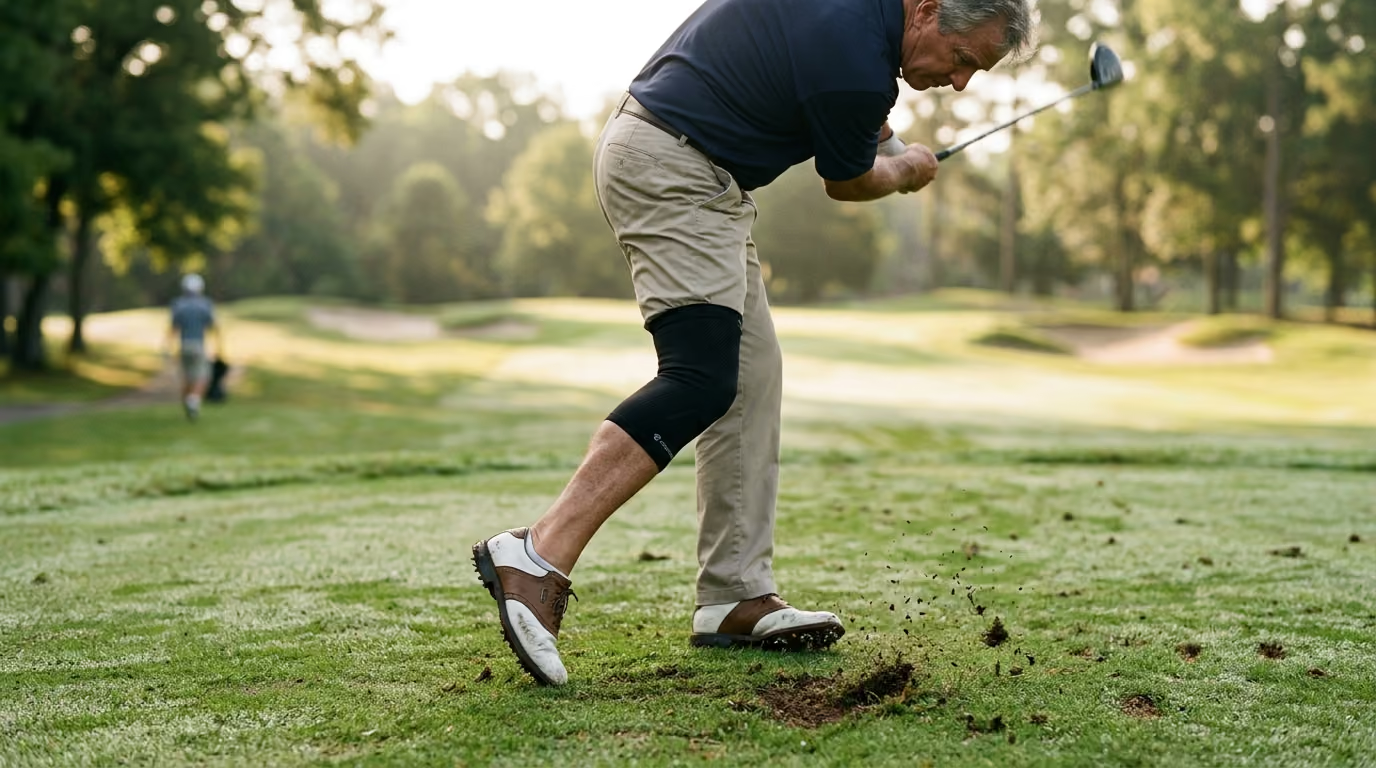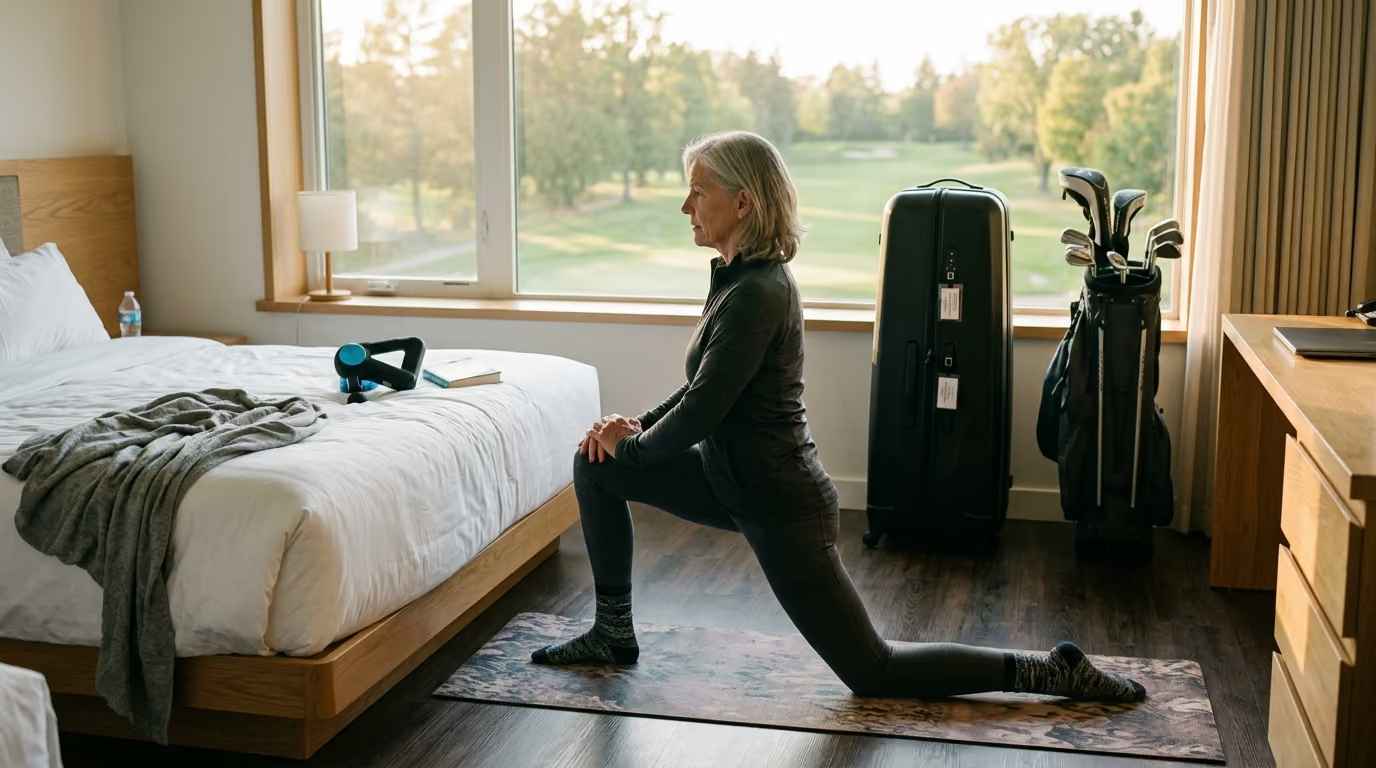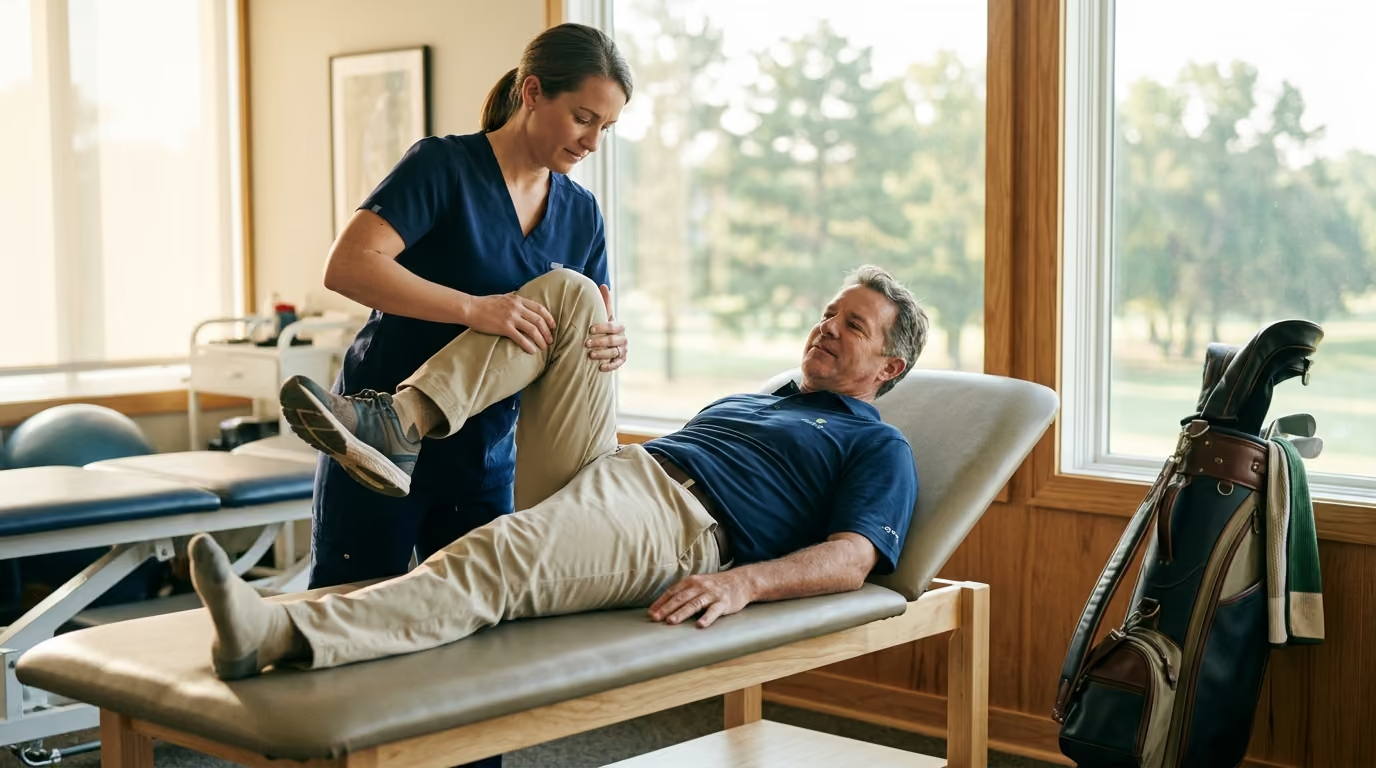
Ten essential health rules help senior golfers protect their joints and avoid back injuries so they can stay active on the course for decades.




Many golfers believe that the best way to play more golf is simply to play more golf. They think that hitting hundreds of balls at the range keeps their body sharp. They assume that physical decline is just a natural part of getting older.
This view is actually incorrect. Pushing through joint pain and forcing a stiff spine to rotate does not build durability. It actually accelerates joint wear. To play this game into your eighties, you need a calculated, slow-burn approach to your physical health.
This guide provides a comprehensive framework for lifelong play. It translates sports science into clear, actionable habits. By modifying how you move, recover, and train, you can protect your body from wear.
Playing golf is not just a leisure activity. It is a powerful contributor to a longer life. Research from the Swedish Golf Federation shows that golfers have a 40 percent lower mortality rate compared to non-golfers. This difference translates to an average increase in life expectancy of five years.
This benefit is especially clear when looking at heart health. Regular play is associated with a death rate of 15.1 percent in older adults. For non-golfers, that rate rises to 24.6 percent. Walking the course and swinging the club provides a steady, low-impact cardiovascular workout.
However, the physical demands of the game can cause issues if your body is unprepared. Players aged 50 to 65 face a high injury prevalence of 64.9 percent. In contrast, younger players experience an injury rate of 58.3 percent. This increase is often due to age-related conditions like osteoarthritis.
To enjoy the longevity benefits of the game, you must actively protect your joints. This means understanding where injuries occur and how to prevent them. If you want to maintain your swing as you age, you should study practical advice on healthy ageing.
The golf swing is a highly repetitive movement. It requires a unique combination of mobility and stability. If one joint cannot move, another joint must compensate.
Imagine standing on the fourteenth tee. You have walked several miles, and your lower back is starting to feel tight. You step up to the ball and try to swing hard.
Because your hips are stiff, your body cannot rotate fully. Your lower back tries to twist extra to make up for the lack of hip movement. You feel a sharp pinch in your lumbar spine. The ball slices weakly into the trees, and you spend the next four holes in pain.
This scenario is a classic example of the body-swing connection. Your body works as a chain of alternating joints. Some joints need to be highly mobile, while others must remain stable.
The hips and the middle back, also called the thoracic spine, are built for rotation. The lower back, or lumbar spine, is designed for stability. It only has about fifteen degrees of rotational capacity.
When your hips are tight, your lower back is forced to twist beyond its design. This compensation causes micro-tears in the muscles and spinal discs. Over time, these small tears lead to herniated discs and chronic pain.
Focusing on injury prevention is the first step to playing without pain. Lower back issues are the most common complaint, accounting for up to 34 percent of all golf injuries.
If you feel your lower back tightening during a round, do not try to stretch it by bending forward. Instead, focus entirely on turning your trail hip.
When you stand at address, flare your trail foot outward by about twenty degrees. This simple adjustment opens your pelvis. It permits your hips to rotate freely, which immediately reduces the twisting force on your lower back.
Most amateur golfers arrive at the course minutes before their tee time. They grab a driver, swing it hard twice, and walk to the first tee. This lack of preparation is a major cause of muscle strains and joint damage.
Longevity icons like Bernhard Langer do not start their day on the driving range. Langer uses a structured protocol that lasts over an hour. This routine prepares the cardiovascular system and activates the nervous system.
A proper warm-up raises your core body temperature. It lubricates your joints with synovial fluid. This fluid acts as a natural shock absorber for your cartilage.
Your sixty-minute routine should start with ten minutes of light cardiovascular movement. You can ride a stationary bike, walk briskly, or use a treadmill. The goal is to break a light sweat without causing fatigue.
After cardio, move to dynamic stretching. Do not hold static stretches, as this can temporarily reduce muscle power. Instead, use movements that mimic the golf swing.
Perform gentle arm circles, torso twists, and leg swings. Spend at least fifteen minutes on these movements. This preparation makes your muscles more elastic and ready for high-speed motion.
Next, focus on muscle activation. Use light resistance bands to wake up your glutes and shoulder blades. Strong glutes protect your lower back by stabilizing your pelvis.
Finally, transition to the driving range. Start with your shortest wedges and take slow, half-swings. Gradually increase your swing size and speed as you work up to your driver. This systematic progression protects your muscles from sudden strain.
The lower back bears the brunt of the forces generated during a golf swing. To protect it, you must build a strong shield around your spine.
Spinal protection requires a strong, stable core. However, traditional sit-ups can actually increase pressure on your spinal discs. You need anti-rotational core work instead.
These exercises train your core muscles to resist unwanted movement. This resistance is exactly what keeps your spine safe during the high-velocity phases of the swing.
To perform an anti-rotational plank, start in a standard forearm plank position. Keep your body in a straight line from your head to your heels.
[Shoulders] ────────── [Hips] ────────── [Heels]
│ │ │
(Stable) (Squeeze) (Anchor)
Focus entirely on squeezing your glutes as hard as possible. This squeeze locks your pelvis into a safe, neutral position.
Slowly lift your right hand off the ground and touch your left shoulder. Hold this position for two seconds without letting your hips tilt.
Place your hand back down and repeat the movement on the other side. Perform three sets of ten repetitions. This movement teaches your core to stabilize your spine while your limbs are moving.
Without proper rotation in your hips and upper back, a safe golf swing is impossible. You must actively maintain these ranges of movement.
As we age, our joints naturally lose their elasticity. This loss is especially common in the thoracic spine and the hip sockets. To rotate your torso fully, you must dedicate time to mobility exercises.
The thoracic spine is designed to twist, bend, and extend. If it becomes stiff, your shoulders cannot turn fully. This stiffness forces you to bend your lead arm, which ruins your swing consistency.
Your hips are ball-and-socket joints. They require mobility in all directions. Tight hip flexors and rotators prevent you from clearing your hips during the downswing.
To perform this stretch, lie on your left side on a comfortable mat. Bend both knees to ninety degrees and pull them up toward your chest.
Hold your knees down with your left hand to keep your lower back stable. Extend your right arm straight out in front of you.
Slowly rotate your right arm up and over your body toward the floor behind you. Focus entirely on turning your ribcage while keeping your knees locked together on the mat.
[Right Arm] <- (Rotate this arm open)
/
/
[Left Hand] ─── [Bent Knees] <- (Keep knees pinned to floor)
Hold the stretch for three deep breaths when you reach your maximum comfortable limit. Return to the starting position. Perform ten repetitions on each side daily to maintain thoracic rotation.
The modern golf swing is designed to create maximum clubhead speed. It relies on a high-torque motion where the hips remain relatively quiet while the upper body twists. This style is incredibly stressful for mature joints.
To play golf for a lifetime, you must adapt your swing to your physical capacity. Accepting the natural changes of aging is a sign of wisdom, not weakness.
Instead of trying to create speed through extreme body twist, focus on solid contact. Center-face contact transfer energy much more efficiently than a fast, off-center strike.
Modify your swing to reduce physical stress. Let your lead heel lift slightly off the ground during your backswing.
[Standard Swing] [Senior Swing]
Lead heel pinned to turf Lead heel lifts slightly
High twist on lower back Free hip rotation, low stress
Lifting the heel allows your pelvis to rotate more fully. This motion reduces the twisting force on your lower back and lead knee.
In the downswing, let your trail foot release early. Do not keep your back foot pinned to the turf. Allowing it to roll forward helps your hips rotate through the ball, which protects your joints.
The work of golf longevity does not end when you hole your final putt. What you do in the hours after your round determines how your body feels the next day. Your muscles need proper nutrition and rest, which you can find in our guide to post-round recovery.
The physiological framework for recovery consists of three steps. You must rehydrate, repair, and restore.
First, rehydrate your body. Walking eighteen holes can cause significant fluid loss, even in cool weather. Dehydration reduces joint lubrication and causes muscle fatigue.
Drink water mixed with electrolytes immediately after your round. Aim to drink 1.5 liters of fluid for every kilogram of weight lost during play.
Second, repair your muscle tissue. The repetitive motion of the swing causes micro-damage to your muscles.
Consume twenty to forty grams of high-quality protein within two hours of finishing your round. This protein provides the amino acids needed to rebuild your muscles.
Third, restore your energy stores. Your muscles use glycogen for energy during play.
Eat a meal with clean carbohydrates, such as sweet potatoes or brown rice. This replenishment helps prevent post-round fatigue and keeps your energy stable.
In addition to nutrition, physical recovery tools can help reduce muscle soreness. Foam rollers, percussive massage guns, and compression garments are highly effective.
Use a foam roller on your glutes, hamstrings, and upper back. Spend two minutes on each muscle group. This pressure helps break up muscle tension and increases blood flow.
If you use a massage gun, apply it to large muscle groups like your thighs and calves. Avoid bony areas and joint spaces. Keep the setting on low and move the device slowly across the muscle.
Cardiovascular health is important, but muscle strength is the true foundation of youth. Without muscle, your joints must absorb all the impact of the swing.
As we age, we naturally lose muscle mass. This process is called sarcopenia. It can reduce your clubhead speed and make you more vulnerable to injury. Building your physical power requires targeted strength training.
You do not need to lift extremely heavy weights to see benefits. Using light to moderate dumbbells is highly effective.
Perform compound movements that work multiple joints at once. Exercises like squats, overhead presses, and bicep curls are excellent choices.
Lifting weights also strengthens your bones. The mechanical stress of resistance training stimulates bone growth. This stimulation helps protect you against osteoporosis and fractures.
Aim for two to three strength sessions per week. Focus on proper form and controlled movements. Never sacrifice your posture to lift a heavier weight.
Playing only golf can lead to muscular imbalances. The swing is a one-sided movement that works some muscles more than others.
To prevent these imbalances, engage in non-golf activities. Swimming, cycling, and rowing are excellent options.
Swimming provides a full-body workout without any joint impact. It builds cardiovascular endurance while stretching your shoulders and torso.
Cycling strengthens your legs and glutes. It provides a steady aerobic workout that supports your walking endurance on the course.
True physical recovery happens when you sleep and rest. Your daily lifestyle habits have a major impact on how your body heals.
Sleep is the ultimate recovery tool. During deep sleep, your body releases human growth hormone. This hormone is necessary for tissue repair and muscle growth.
A lack of sleep raises your stress hormones, like cortisol. High cortisol levels increase inflammation and slow down muscle recovery.
Aim for seven to eight hours of high-quality sleep each night. Keep your bedroom cool, dark, and quiet. Avoid screens for at least one hour before bed, as blue light can disrupt your sleep cycle.
Chronic inflammation is the enemy of joint health. It accelerates the breakdown of cartilage and causes persistent pain.
Limit your consumption of alcohol and highly processed foods. Alcohol impairs protein synthesis, which prevents your muscles from repairing after a round. It also disrupts your sleep quality.
Avoid smoking, as it reduces oxygen delivery to your tissues. This lack of oxygen slows down joint healing and lowers your endurance.
Focus on eating an anti-inflammatory diet. Include plenty of leafy greens, berries, fatty fish, and nuts. These foods contain antioxidants that help soothe inflamed joints.
Sometimes, joint pain is not caused by your body or your swing. It can be a direct result of using the wrong equipment.
If you suffer from arthritis in your hands or wrists, check your grip size. Standard-sized grips require you to squeeze the club tightly. This tension can irritate sore joints.
Consider switching to midsize or oversized grips. These thicker grips permit you to hold the club with less hand pressure. This reduction in tension protects your fingers and wrists from strain.
[Standard Grip] [Oversized Grip]
Requires tight finger squeeze Permits relaxed hand pressure
High strain on finger joints Low strain, absorbs vibrations
The material of your shafts has a big impact on joint health. Steel shafts are heavy and transfer a lot of vibration to your hands, elbows, and shoulders.
Switching to graphite shafts can make a significant difference. Graphite is lighter and absorbs shock much better than steel. This reduction in vibration helps protect your joints from repetitive impact.
Your feet are your only contact point with the ground. Wearing the wrong shoes can cause knee, hip, and lower back issues.
Avoid shoes with extremely stiff, traditional spikes if you have knee issues. These shoes lock your feet into the turf, which forces your knees to twist.
Consider wearing flexible, spikeless shoes instead. These shoes permit your feet to move naturally. They provide enough traction without placing extra strain on your lower joints.
When trying to fix physical issues, many golfers make critical mistakes. These errors can turn a minor strain into a chronic injury.
Many players believe in the "no pain, no gain" philosophy. They take anti-inflammatory medications before a round to mask joint pain.
This habit is highly dangerous. Pain is your body's warning system. Masking pain with pills permits you to push your joints past their safe limits. This behavior can cause permanent joint damage.
If you feel pain during a swing, stop playing. Rest and assess the issue before returning to the course.
Some golfers try to loosen up on the first tee by pulling their arms across their chest. They force their cold muscles into deep, static stretches.
Stretching cold muscles can cause micro-tears in the tissue. It also reduces your muscle power, which can lead to poor swing mechanics.
Always warm up your body with light movement before stretching. Save deep, static stretches for after your round when your muscles are warm and pliable.
Many golfers drink water only when they feel thirsty. By the time you feel thirsty, you are already mildly dehydrated.
Dehydration causes muscle fatigue and lowers your concentration. This mental fatigue leads to poor swing decisions and bad mechanics on the final holes.
Carry a water bottle and drink a few sips on every tee box. Do not wait until you reach the turn to start hydrating.
Your body is your most important piece of golf equipment. By protecting your joints, staying mobile, and recovering properly, you can enjoy this great game for decades to come.
Follow Golfergy for practical insights on performance, mobility, recovery and healthy ageing. Stay connected for new articles, research-led guidance and ideas to help you play better for longer.


Explore practical resources on performance, recovery, mobility and golf longevity.
Read the Blog