
Tiger Woods returning to the practice range highlights the difference between hitting balls and full-round readiness. Learn why mature golfers must pace recovery.




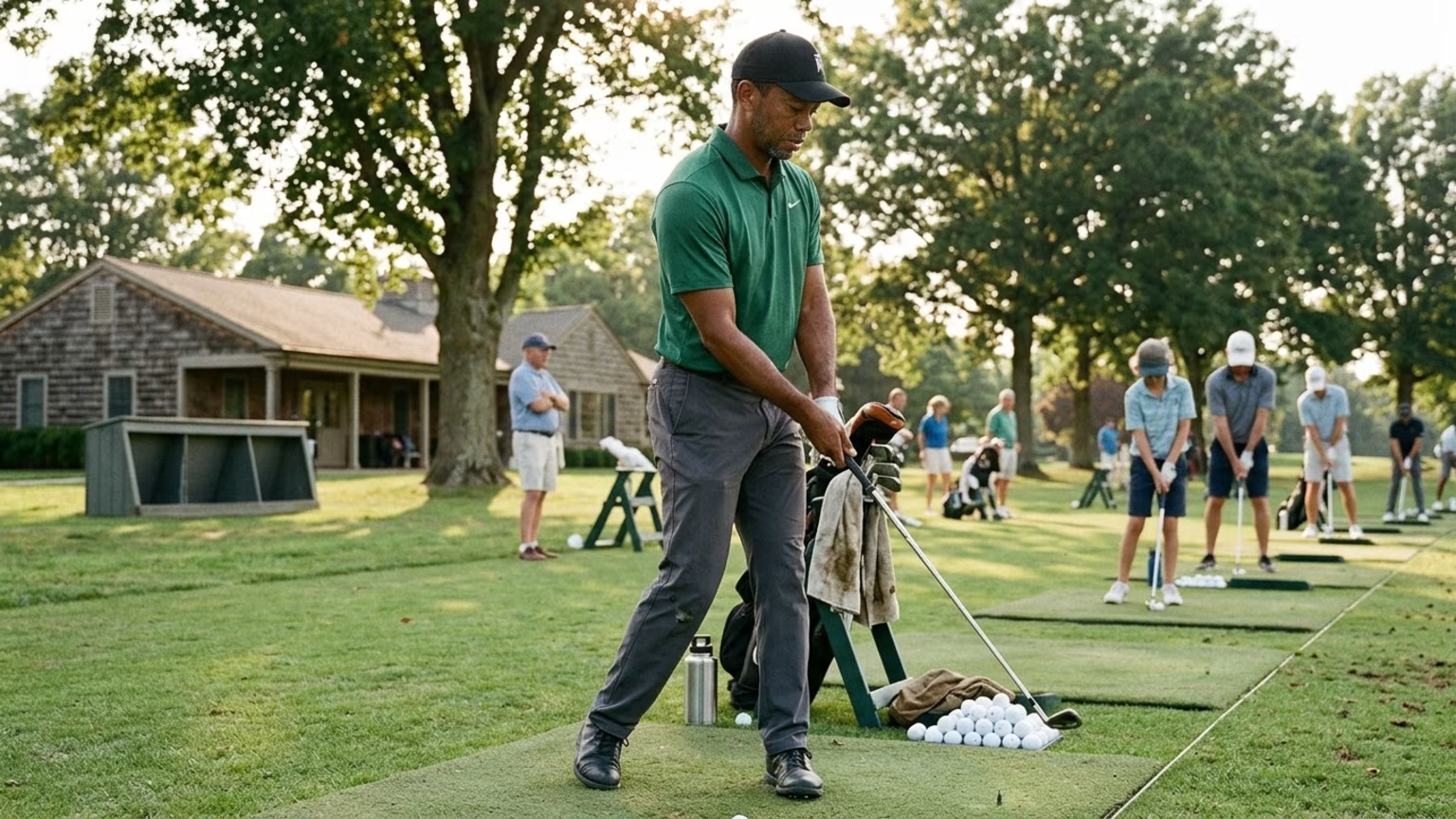
On September 15, 2026, footage emerged of Tiger Woods hitting golf balls at Liberty National Golf Club in New Jersey. This event marked his first publicly reported range session since a car accident in March. The practice took place ahead of the Nexus Cup, an amateur event Woods is hosting to raise money for the TGR Foundation. During a clinic at the venue, Woods was asked about his recovery and said, "I can hit pretty much anything."
The PGA Tour published footage captioned "Tiger Woods is back on the range!" while reporting that it remained unclear whether Woods was preparing for a competitive comeback. The 50-year-old has not played a competitive tournament since the 2024 Open Championship at Royal Troon according to contemporaneous coverage. Marca and Golf Monthly reported that Woods spent time in rehabilitation in Switzerland following the accident. The public reporting does not establish his precise treatment protocol, duration or which elements targeted swing mobility.
Hitting a golf ball smoothly on the practice tee requires precise biomechanical coordination from the ground up. The golf swing generates significant torque that must be absorbed and transferred by the human body. The thoracic spine and the hips act as the primary engines for this necessary rotation. When trauma or simple aging limits movement in these crucial joints, the body forces the lower back or the knees to handle the structural stress.
These smaller joints are simply not designed to bear the brunt of a high-speed rotational movement. Returning to the range means an athlete has restored enough rotational capacity to strike the ball cleanly. The muscles must contract rapidly while the joints move through a wide range of motion. Restoring this critical function involves much more than stretching a tight muscle group.
A defensible rehabilitation model combines mobility work with progressive strength, control and golf-specific loading. This integrated approach helps the tissues tolerate the intense physical forces of impact. It teaches the nervous system how to decelerate the club safely after the ball is struck.
The gap between hitting balls on a flat mat and playing a tournament is massive. Sector coverage highlights a report on a randomized cross-over study involving 25 healthy older golfers. These participants, who had a mean age of 68, completed an 18-hole round on foot, a six-kilometre Nordic walk and a six-kilometre walk in random order. This older-golfer study highlights the intense physical demand of walking a full round.
A golfer may strike balls beautifully while still lacking the walking endurance or recovery capacity needed for 18 holes. This distinction matters deeply for everyday players seeking to extend their playing years on the course. Swinging a club uses entirely different energy systems than hiking up and down hills for four hours.
Older recreational golfers face a significant physical risk when returning from an injury or a long layoff. You might feel perfectly fine hitting a bucket of balls at your local practice facility. The real threat emerges when you transition to uneven lies and fatigue sets in on the back nine. Experienced golfers over 40 often lose rotational capacity slowly over time without noticing the gradual decline.
This gradual loss means the body creates new compensatory movement patterns to finish the swing. The saddest thing our team has seen in golf is watching lifelong playing partners slowly drop out of our weekend group. It usually starts with a nagging shoulder or knee issue they ignore until it requires surgery. Instead of completing a proper rehabilitation program, they rush back to the course the moment they can hit a ball.
This rushed pattern usually leads to secondary injuries that sideline them permanently. Elite athletes have access to medical supervision, dedicated strength coaching and constant physical monitoring. Everyday players do not have this luxury available to them. Without a structured plan, older players often speed up the process and reinjure themselves on the course.
Protecting your joints requires a smarter approach to preparation. In our experience, many older players try to stretch their way out of stiffness when returning from a layoff. I used to stand on the first tee doing long static hamstring stretches because I thought it was the right way to warm up. I would actually feel weaker on my first drive.
Research later showed me that active dynamic movements prime the nervous system much better for rotational speed. When rebuilding your swing after time away, replacing passive stretching with active movement makes a massive difference. A clinical golf-rehabilitation source describes a typical return-to-golf framework as highly individualized. This comprehensive framework includes load modification, mobility work, progressive strength training and golf-specific drills.
You can build a 15-minute mobility routine that focuses on controlled movement rather than aggressive pulling. Older players should always test whether they can walk, recover and repeat the workload without physical deterioration. Start with partial swings on the practice tee before gradually progressing to a full round. Understanding what your swing actually needs after 40 makes a noticeable difference in your overall comfort level.
Many players wrongly believe that aggressive stretching alone is the key to preventing nagging golf injuries. Relying entirely on passive stretching fails to build the strength needed to control the joint during a high-speed swing. A golf-rehabilitation source emphasizes that a successful return-to-golf framework relies on progressive strength and power training rather than simple flexibility work.
You should closely track your physical response after every single practice session. Pain during the swing is only one warning signal to watch for. Next-day stiffness, swelling, altered gait and reduced range of motion indicate that your previous workload was simply too high. Building active joint control protects the body better than forced flexibility routines.
Taking a steady approach to physical recovery keeps you on the golf course for the long haul. Treat a good range session as one checkpoint rather than a final verdict on your health and readiness. Rushing back to full rounds before your body is prepared will only invite further setbacks. What adjustments will you make to your mobility routine this season to steer clear of this hazard?
Follow Golfergy for practical insights on performance, mobility, recovery and healthy ageing. Stay connected for new articles, research-led guidance and ideas to help you play better for longer.


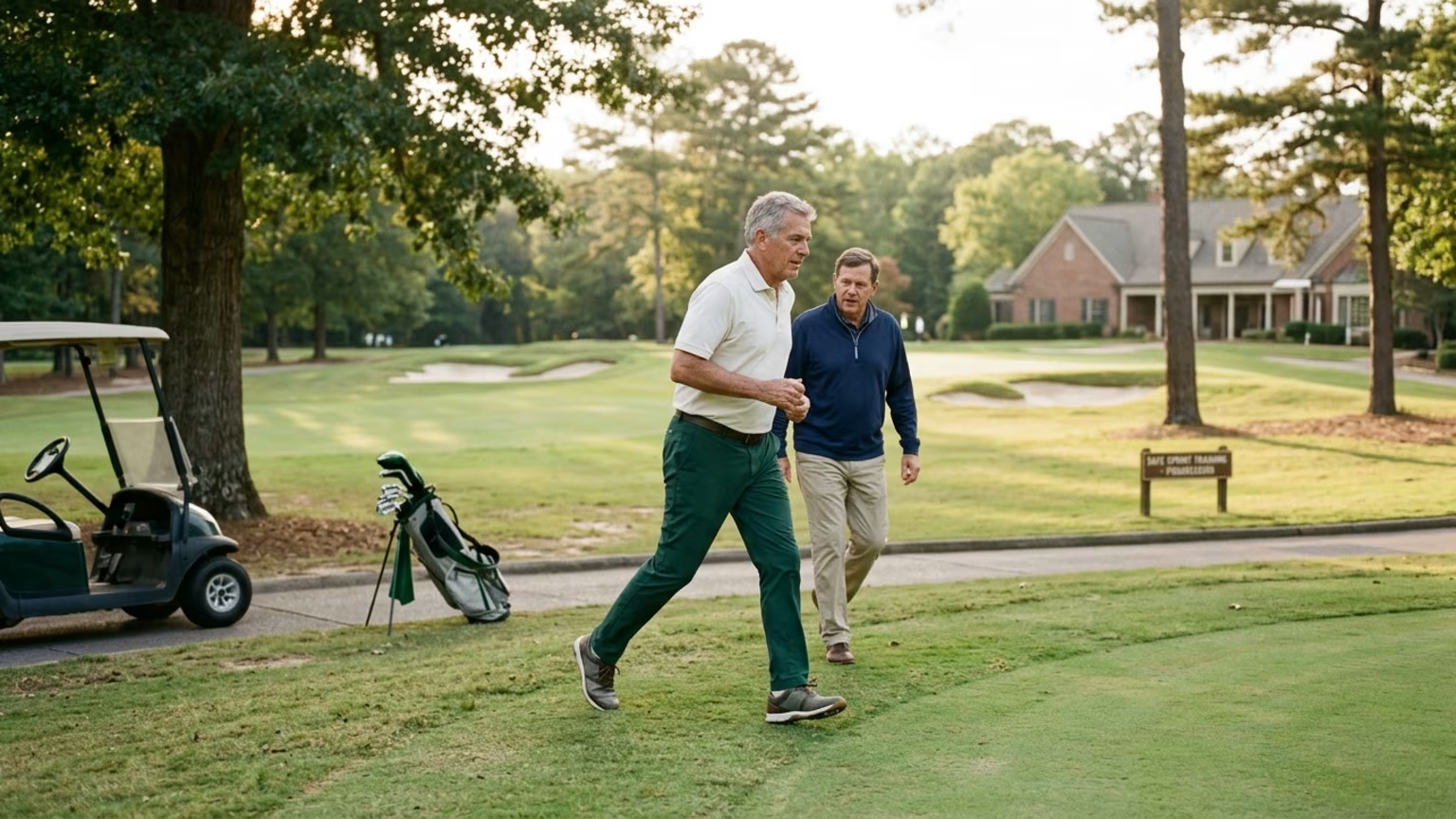
Older golfers can safely build explosive leg power using P4S Golf's guided sprint progressions, dynamic mobility routines, and lower-impact fan bike workouts.

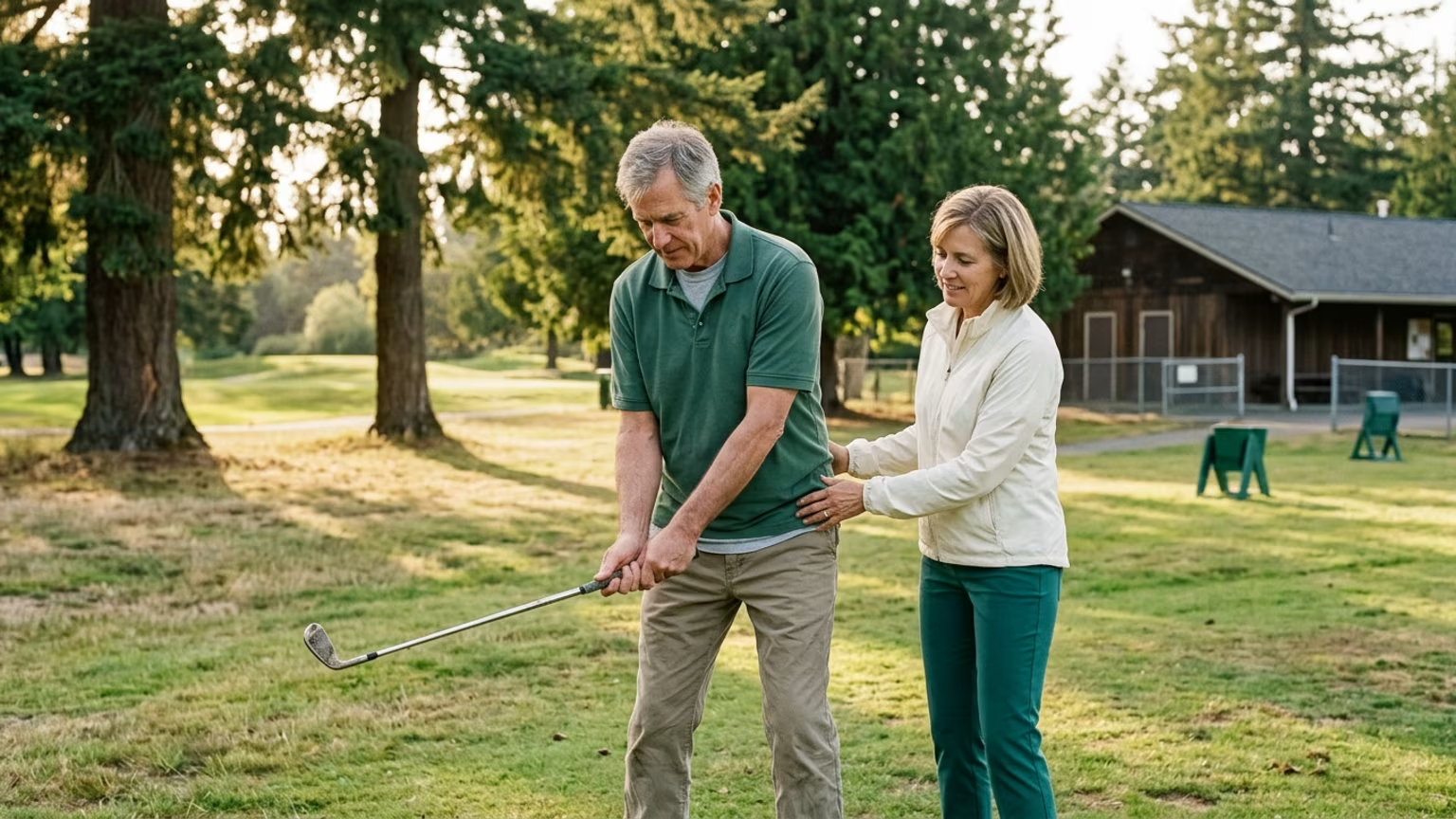
Learn how proper pelvic rotation can protect your back and knees. We review WatchItGolf's recent biomechanics data and share drills for a safer swing after 40.

Compare static stretching against dynamic movement for older golfers. Learn why active motion prepares your golf swing while static holds belong post-round.
Explore practical resources on performance, recovery, mobility and golf longevity.
Read the Blog