

How strength and aerobic activity fit into healthy ageing for golfers over 40, with evidence on function and guidance on technique and recovery.




Strength-training guidance published by USA TODAY and republished by Yahoo on October 30, 2026, gives golfers over 40 a useful way to think about fitness. Walking and resistance work serve different purposes. The article presents both as parts of healthy ageing rather than substitutes for each other.
For experienced recreational players, the useful shift is toward physical function. Strength training is not only a subject for golfers chasing more speed. The guidance is about maintaining the ability to move and manage daily tasks, with golf providing a reason to keep that work relevant.
The USA TODAY article describes aerobic activity as supporting cardiovascular health, mood and endurance. Resistance training challenges muscles through weights, bands or body weight. A walk around the course may contribute to aerobic activity, but it does not replace the separate muscle-strengthening work described in the guidance.
The article relays weekly activity targets of at least 150 minutes of moderate-intensity aerobic activity or 75 minutes of vigorous activity. It also includes muscle-strengthening activity on at least two days a week.
For a golfer who already walks regularly, the planning question is straightforward: where does resistance work fit? The aim is not to dismiss walking. It is to recognise that being active and directly challenging the muscles are related but different tasks.
Emily Miller, a UCLA sports medicine physician, told USA TODAY that more than 100 randomized controlled trials support improvements in mobility and daily function through strength training. The outcomes she describes include walking speed and the ability to rise from a chair. She also points to activities of daily living.
These are useful measures because they move the discussion beyond the amount of weight lifted. Getting out of a chair and moving around independently are understandable goals. For golfers focused on staying capable, that is a more grounded starting point than treating every training session as a test of swing speed.
The article also reports that age-related muscle loss commonly begins in the 40s and increases with age. Sports medicine physician Jordan D. Metzl discusses the role of stronger muscles in supporting painful joints, including arthritic knees. His comments place strength within a wider conversation about physical function.
A golf-health article in Sports Medicine Weekly reports an eight-week strength-and-flexibility programme involving older male golfers. The programme was reported to improve strength, range of motion and clubhead speed. That gives the general healthy-ageing guidance a golf-related connection.
The same article summarizes a 2023 comparison of older recreational golfers and sedentary peers. The golfers had higher grip strength and better static and dynamic balance.
The comparison was cross-sectional, so it cannot show that golf caused those differences. The training finding comes through a secondary summary without full methods or precise results. USA TODAY offers general guidance rather than a golf routine, and it does not identify Miller's individual trials. Together, these sources do not establish golf injury prevention or guarantee better scores or more playing years.
For recreational golfers in their 40s and beyond, the useful connection is function rather than a promised handicap change. The evidence gives a reason to include strength in the fitness conversation. It does not require copying a professional player's routine.
At Golfergy, the focus is practical guidance on mobility, recovery and healthy ageing for experienced recreational players. Our guide to planning around the demands of a round keeps that wider purpose in view.
USA TODAY's practical suggestions centre on regular training, sound technique and gradual change. They offer a framework for discussing a routine with a qualified trainer, rather than a list of exercises every golfer should perform.
The article recommends regular work across the major muscle groups. It also suggests exercising with a buddy or joining a class. For someone arranging a weekly routine, those are ways the article proposes making strength work part of normal life rather than an occasional effort.
The guidance puts technique ahead of loading unfamiliar equipment. It recommends learning good form and using controlled repetitions. An introductory class or qualified trainer is one of its suggested starting points for people with little lifting experience.
For related reading, Golfergy's guide to strength and controlled movement covers the difference between mobility and flexibility.
The article advises adapting exercise to current strength and mobility. It recommends starting with manageable resistance and increasing resistance or repetitions gradually. The relevant benchmark is the person's current ability, not what another golfer lifts.
That is a useful distinction for an audience spanning several decades. Being over 40 describes a readership, not a single level of strength or movement.
Recovery is part of the article's framework. It advises allowing recovery between demanding sessions for the same muscles. The practical point is to plan recovery alongside training rather than treat it as time that has been wasted.
Metzl advises stopping an exercise and seeking assessment if pain changes how a person moves. That is a reason for qualified care, not for guessing at a different exercise or treating the pain through a generic golf routine. Decisions about an existing injury or painful joint need individual clinical advice.
The documented takeaway is that aerobic activity and resistance work have separate roles in healthy ageing. For golfers over 40, strength deserves attention because the guidance links it to mobility and everyday function.
The open questions concern which approaches produce lasting golf-specific benefits and how those changes affect play. A useful starting point is the broader goal: keep physical function in the plan, rather than judging every part of training by the scorecard.
Follow Golfergy for practical insights on performance, mobility, recovery and healthy ageing. Stay connected for new articles, research-led guidance and ideas to help you play better for longer.


A measured look at golf’s possible balance benefits, walking demands and why a round’s physical load is not proof of complete fitness.

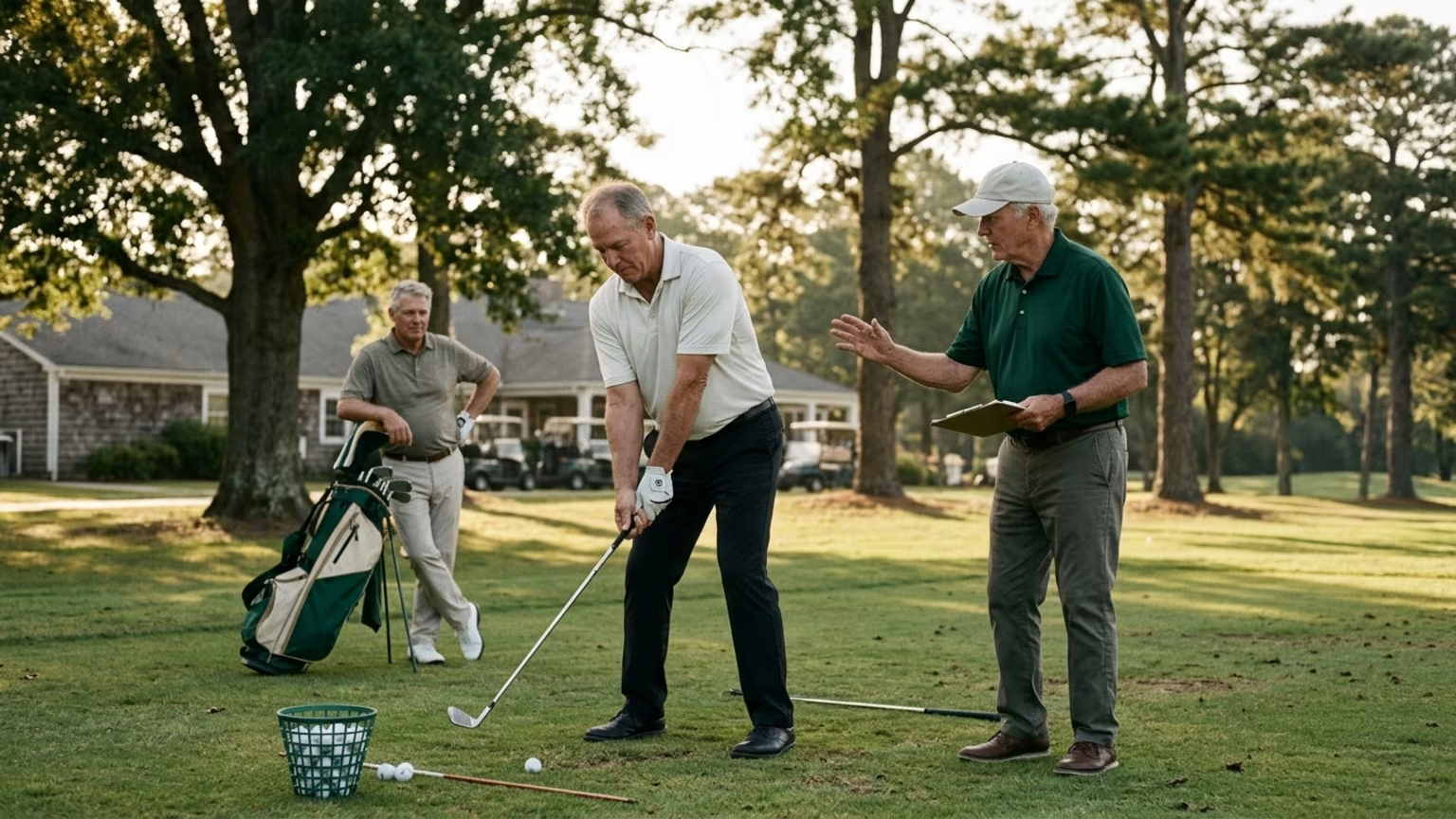
Learn how strength, mobility, balance and power relate to golf after 40, with practical ways to notice needs and discuss a sensible starting point.
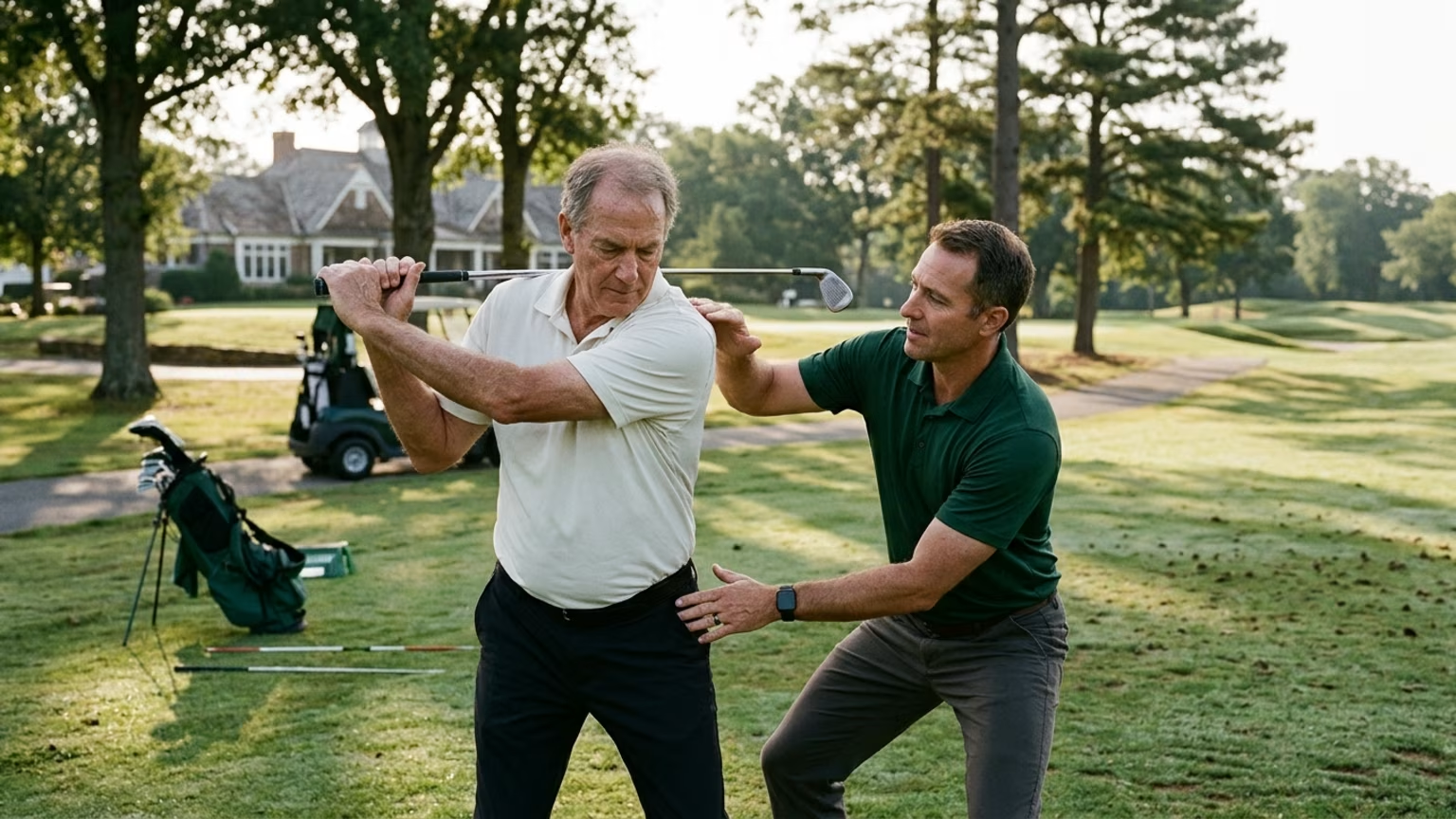
Separate golf mobility from strength and warm-ups, keep practice manageable, and recognise when a restriction needs professional assessment.
Explore practical resources on performance, recovery, mobility and golf longevity.
Read the Blog

