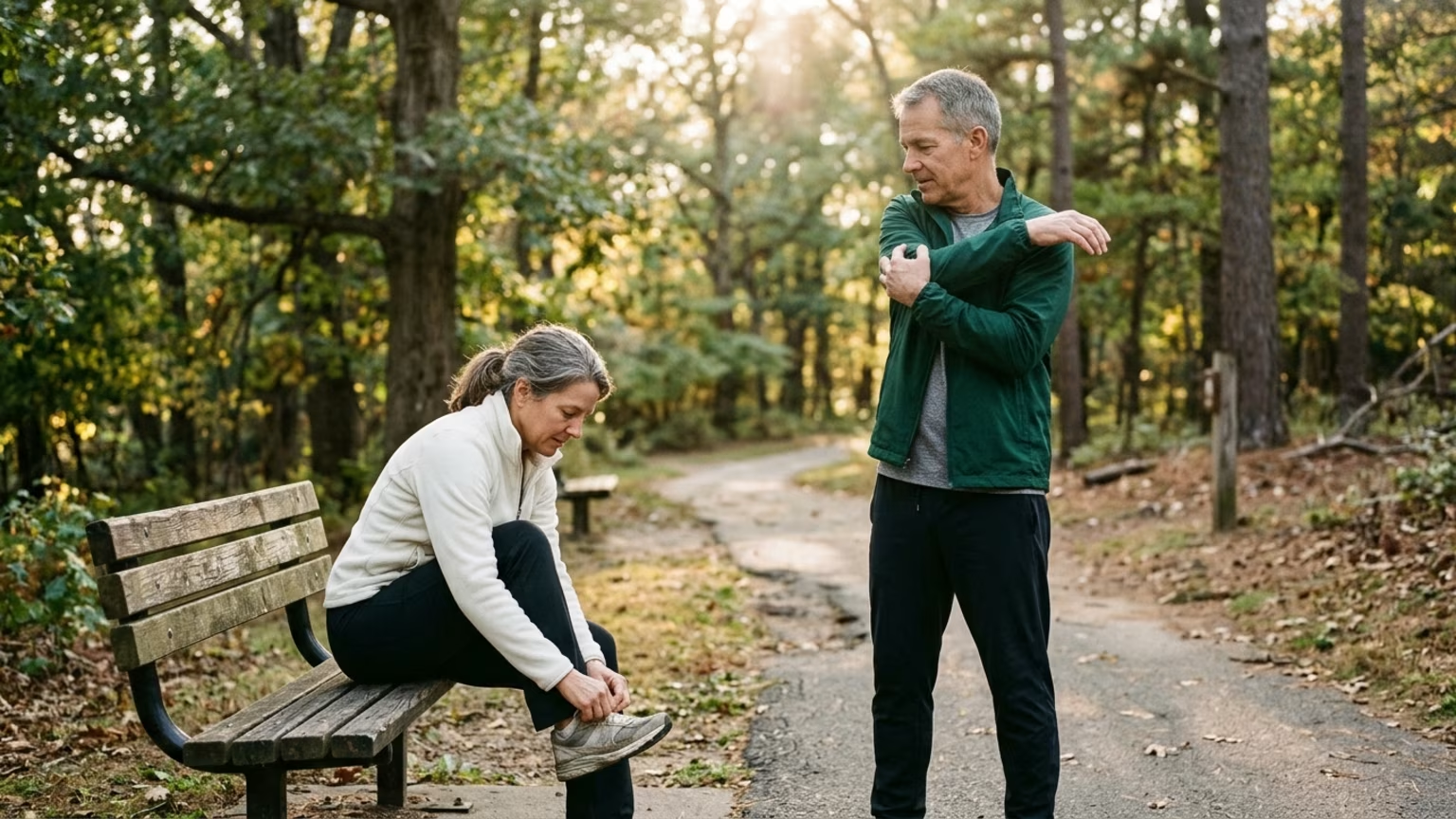

An 85-study review linked becoming active with lower mortality. Here is the careful takeaway for golfers over 40 returning after a lapse.




In July 2025, ANI reported on a review in the British Journal of Sports Medicine that examined how changes in physical activity related to mortality. The review brought together 85 studies that measured activity at two or more points in time. Adults who became active had lower reported mortality risk than those who remained inactive.
That focus on change makes the review relevant to anyone whose activity has lapsed. It looked beyond whether people were active at a single moment. It also examined what happened when their activity patterns changed over adulthood.
For experienced recreational golfers, the useful starting point is not a promise about living longer through golf. It is a more grounded message: past inactivity need not be treated as a reason to write off becoming active again.
According to ANI's report, participants who moved from inactive to active were 22% less likely to die from any cause than participants who remained inactive. The review also reported that people who increased leisure-time activity were 27% less likely to die from any cause.
These figures describe different comparisons. They are not separate benefits that a person can add together. The outcome was all-cause mortality, which means death from any cause.
The review also found lower mortality risk among people who remained consistently active. But its findings were not limited to people with an uninterrupted history of activity. Increasing activity from a lower starting point was associated with lower risk too.
Another finding gives the story useful balance. ANI reported that moving from an active lifestyle to an inactive one was not associated with a lower risk of all-cause death. A history of activity did not carry the same reported association once participants became inactive.
The researchers also reported favorable associations when people maintained or increased activity below the recommended weekly amount. ANI quoted their interpretation that “some physical activity is always better than none.” That finding challenges the idea that movement only counts after someone reaches a full activity target.
Taken together, the results favor attention to present activity patterns rather than treating an active past or an inactive past as the whole story.
For golfers over 40, the subject is broader than getting back to an old handicap. It concerns how regular movement fits into life now. Returning to the game can be part of that discussion without becoming a claim that golf is a longevity treatment.
A secondary article from Sports Medicine Weekly describes golf as predominantly moderate-intensity physical activity. It identifies walking the course as particularly relevant to the activity involved. That gives golf a reasonable place in a conversation about becoming more active.
The useful connection is participation in movement, not a direct transfer of the review's percentages to a round of golf. A recreational golfer can find the broader finding encouraging without turning a mortality statistic into a forecast for their own health.
At Golfergy, our focus is research-led guidance for mature recreational golfers. Here, the most useful translation is to separate the encouraging message about returning to activity from promises the evidence has not established.
The review reported associations rather than proof that becoming active caused people to live longer. ANI noted that most included studies relied on subjective activity assessments that may have been inaccurate. The studies also used different analytical methods, which the researchers addressed through separate analyses.
The reported mortality estimates were not specific to golfers or adults over 40. The evidence does not establish that resuming golf produces those estimates or prevents injury. It also does not establish that returning to golf preserves mobility or extends playing years.
Sports Medicine Weekly's cited comparison of older golfers with sedentary peers was cross-sectional. That means it compared groups at a point in time rather than establishing that golf caused their differences. It adds context to the golf discussion but does not close the gap between a general activity review and a golf-specific result.
The practical implication is modest but useful: a lapse does not have to become a permanent stop. A gradual return to regular movement that fits current capacity is a reasonable editorial takeaway from the findings.
This is different from trying to recover an old routine immediately. The review's finding about activity below recommended amounts supports recognizing value in a return that is still incomplete. The starting point does not have to look like the eventual goal.
For a recreational golfer, three planning ideas follow from that message:
These are broad planning principles rather than an exercise prescription. Personal decisions about exertion, symptoms or health conditions belong with a qualified healthcare professional.
For related reading, Golfergy's discussion of fitting golf load around age and schedule addresses the planning side of participation. Our article on preparing for play without rushing the start covers another part of the return-to-golf conversation.
The aim is not to make restarting sound effortless. It is to avoid making past inactivity a reason not to begin.
The documented takeaway is encouraging: the review associated becoming active with lower all-cause mortality than remaining inactive. It also reported favorable associations when activity remained below recommended amounts.
For golfers returning after a lapse, that supports a steady outlook rather than an all-or-nothing one. Today's activity pattern deserves attention without turning yesterday's inactivity into a verdict.
The open questions concern the details of that return. Which activity patterns are most relevant to older recreational golfers? How do changes in golf participation relate to long-term health? Those questions remain separate from the finding available here: increasing activity later in adulthood was associated with lower mortality risk.
Follow Golfergy for practical insights on performance, mobility, recovery and healthy ageing. Stay connected for new articles, research-led guidance and ideas to help you play better for longer.


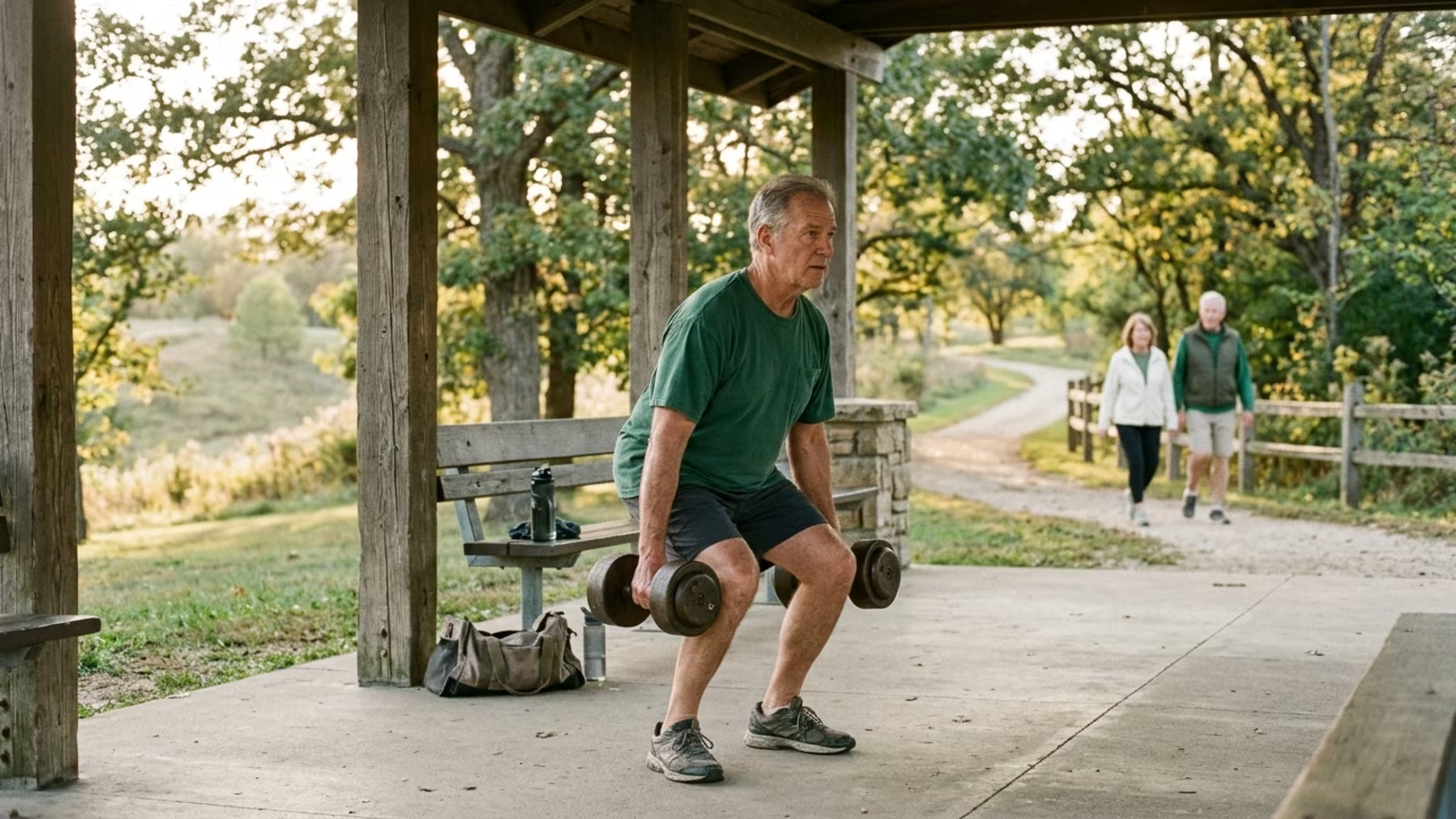
A doctor's bone health advice puts strength training alongside daily movement. Here's how it relates to golfers over 40 and where the evidence stops.


A research-led strength framework for golfers over 40, connecting lower-body, upper-body and trunk capacity with the demands of a full round.
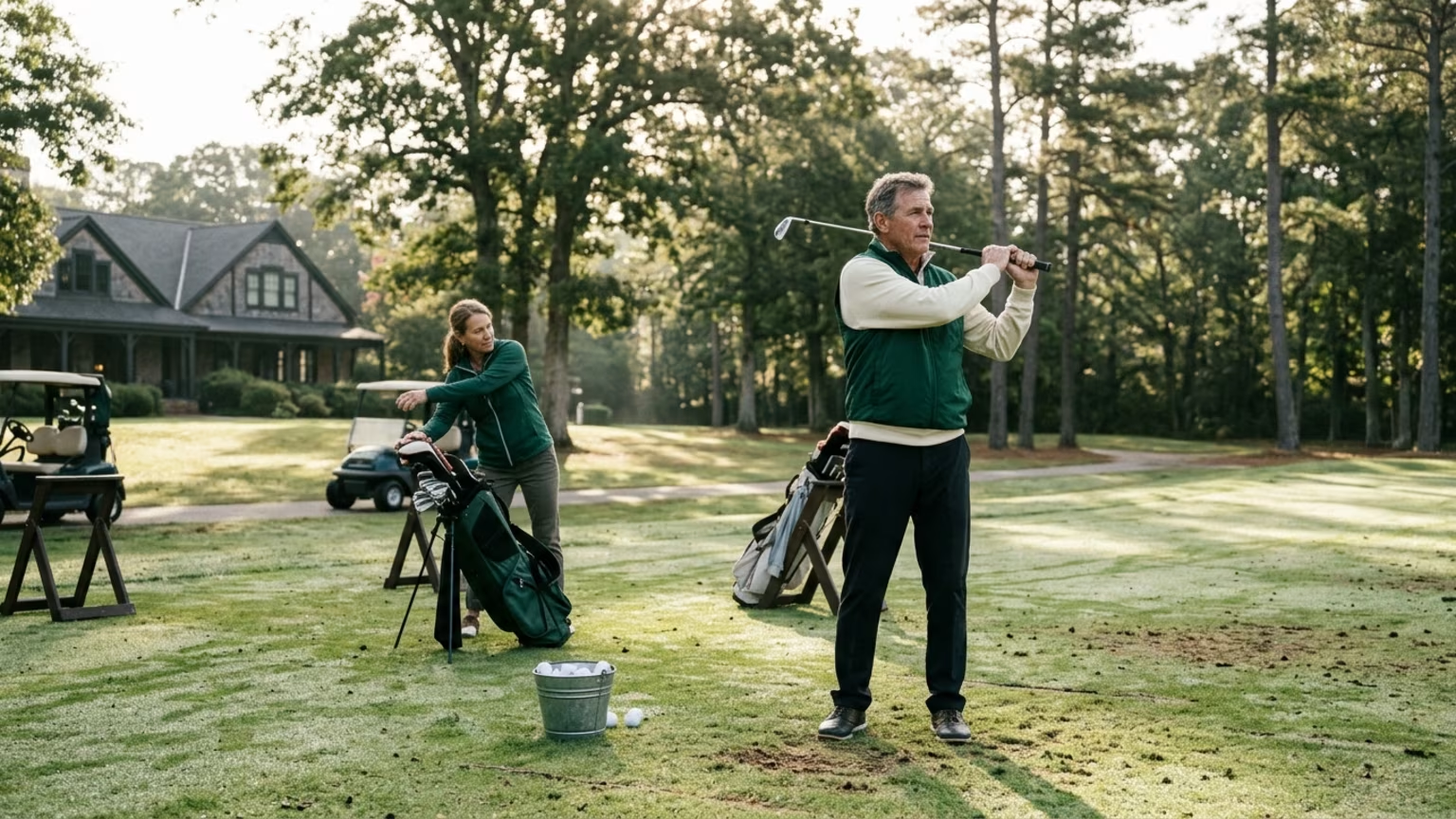
A movement-led golf warm-up for golfers over 40, with a flexible example, practical adaptations and clear limits on injury-prevention claims.
Explore practical resources on performance, recovery, mobility and golf longevity.
Read the Blog


