
Solo rounds seem easier on your nerves, but golfing with friends delivers massive brain benefits and extends your overall lifespan.




Many golfers search the internet for ways to stop choking on the first tee. You might type phrases like "how to calm first tee jitters" or "why do I play worse with friends" into your search engine. While those tips help, they miss the bigger picture. Your playing partners are not just spectators.
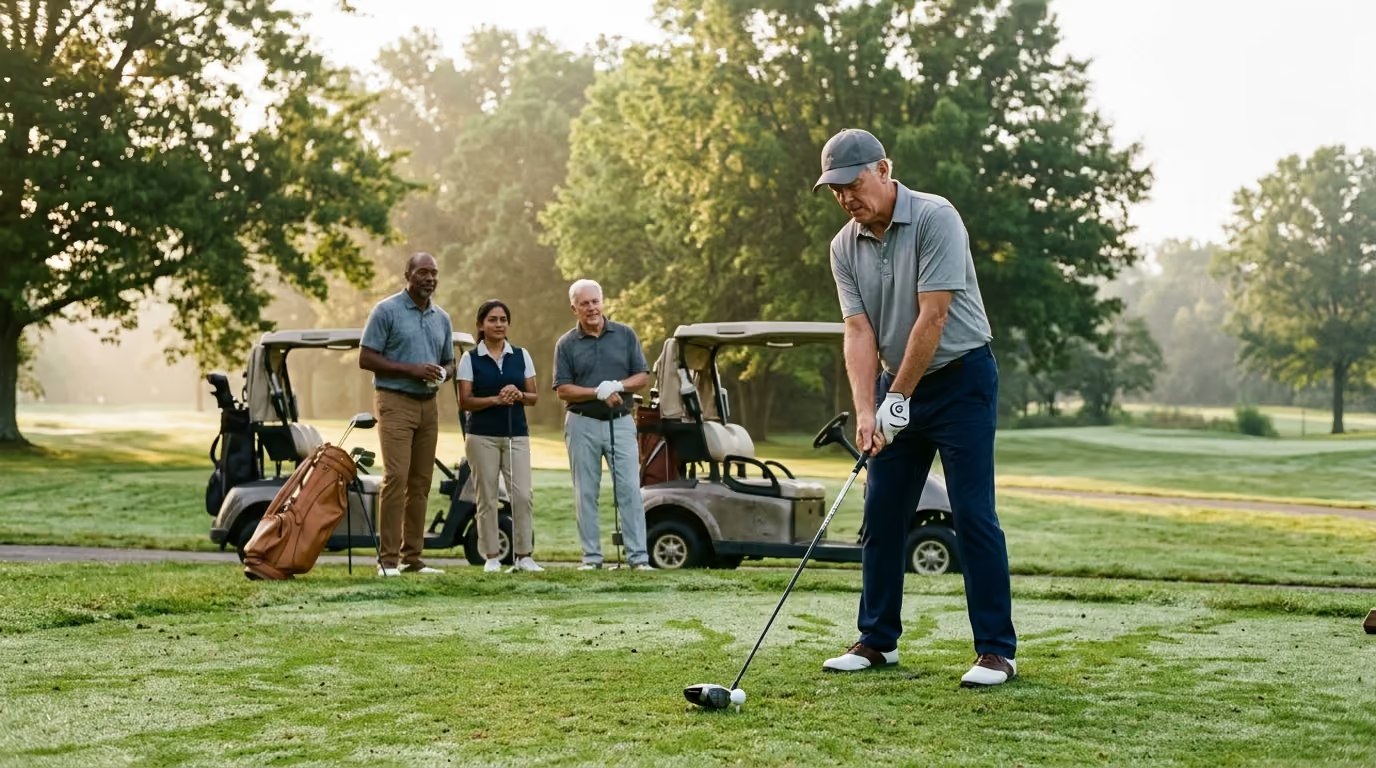
They are active participants in your brain chemistry. Imagine you are standing on the first tee of your local course. The morning air is crisp. Three of your regular playing partners stand near the tee box.
They are watching you closely. Your hands feel slightly damp. Your chest feels tight. You swing, and the ball slices deep into the right trees.
You feel a wave of embarrassment. This is not just a bad swing. It is a biological reaction to being watched by your peers. Playing golf alone might seem like an easy way to avoid this pressure.
However, playing alone deprives your brain of its greatest performance tool. The presence of other people changes how your body reacts to stress. Over a lifetime, these social connections can actually extend your life. This resource will show you how your golf group protects your brain and your body.
According to research from the Karolinska Institutet in Sweden, golfers have a 40 percent lower mortality rate compared to non-golfers of the same age and sex. This study shows that regular golfers can expect a five-year increase in life expectancy. This benefit does not come from the exercise alone. It comes from the combination of walking, nature, and social contact.
The R&A published reports confirming these findings. They found that walking 18 holes counts as moderate-intensity physical activity. Walking a full round can help prevent chronic diseases like type 2 diabetes. It also helps manage cardiovascular health.
The physical side of the game is only half of the story. The social side is what makes golf a true longevity tool. Working on your physical game is critical, but connecting with others is what keeps you young.
Let us look closely at the landmark study from the Karolinska Institutet. Researchers analyzed over 300,000 Swedish golfers. They compared these golfers to non-golfers of similar backgrounds. The results were clear and surprising to many medical professionals.
The golfers showed a 40 percent lower death rate during the study period. This is not a small statistic. It represents a massive difference in longevity. The researchers concluded that the physical activity of walking several miles was a key factor.
Many sports offer physical exercise, but they do not show the same mortality benefits. For example, running alone does not provide the same social engagement. Playing golf combines these benefits into a single activity. This combination is what creates the five-year increase in life expectancy.
For mature golfers, this study provides strong motivation. It means that every round you play is an investment in your future. You are not just wasting an afternoon with your friends. You are actively adding years to your life through a pleasurable, social activity.
As we age, our brains need regular challenges to stay sharp. This concept is called cognitive reserve. It is the brain's ability to improvise and find alternate ways of getting things done when it faces aging.
Golf acts as a multidomain intervention for your brain. It requires physical movement, strategic planning, and social interaction all at once. If you want to keep your brain active, you need to combine these elements. You can find more guides on brain health in our resources section.
A study from the University of Ottawa looked at golf-based interventions for seniors. Researchers found that regular golf significantly improved logical memory. The improvements were clear in both immediate memory tests and delayed memory tests. Walking on a treadmill does not provide this same mental boost.
The treadmill does not ask you to calculate wind speed or choose a club. It does not ask you to talk to a friend while navigating a green. When you play golf, you constantly make complex decisions. This continuous mental workout helps build a stronger brain.
To understand cognitive reserve, think of your brain as a computer network. If one path is blocked, a strong network can route around it. Cognitive reserve is the brain's capacity to build these alternate pathways. It is built through lifelong mental and social stimulation.
Golf is the perfect activity for building this reserve. Every hole presents a new set of problems to solve. You must calculate the wind, the slope, and the distance. You must also manage your emotions after a poor shot.
The social aspect of golf adds another layer of mental stimulation. Conversing with friends requires your brain to process language and emotion. You must listen, interpret, and respond in real-time. This verbal exchange exercises your brain's frontal lobe, which is responsible for executive function.
Without this social stimulation, the brain can begin to atrophy. Studies show that isolated seniors experience faster cognitive decline. By playing golf with a regular group, you keep these brain networks active. This simple habit acts as a powerful shield against memory loss.
Psychologists study how friends affect our performance. They use two main ideas to explain this. The first idea is the stress-buffering model. This model suggests that social support acts as a shield when things get tough on the course.
Your friends help you calm down after a bad shot. They offer kind words when you miss a short putt. This buffering effect lowers your physical stress response.
The second idea is the direct effect model. This model shows that social support helps your performance all the time. It does not matter if you feel stressed or relaxed. Having a supportive group directly improves your focus and execution.
Research shows that social support accounts for 10 percent to 24 percent of the variance in golf performance. This means your playing partners can directly lower your scores. When you feel accepted by your group, your brain stays out of threat mode. Your muscles stay loose, and your swing remains smooth.
When you feel anxious before a shot, your body releases stress hormones. These hormones include adrenaline and cortisol. In small amounts, they can help you focus. However, too much stress ruins your physical coordination.
Your muscles tighten, and your breathing becomes shallow. This physical state is known as somatic anxiety. It makes it very difficult to execute a smooth, rhythmic swing. This is why you might hit a terrible shot when you feel nervous.
Your golf group can help regulate this stress response. When you laugh with your friends, your brain releases endorphins. These chemicals act as natural pain relievers and mood boosters. They help lower your heart rate and relax your muscles.
This biological shift allows you to swing more naturally. It shows that social support has a direct, physical effect on your swing. Your friends are not just there for company. They are actually helping to regulate your nervous system.
While community is helpful, it can also cause stress. This is called social-evaluative threat. It is the fear of looking bad in front of other people. When you stand on the first tee, your brain might view your friends as judges.
This stress is called somatic anxiety. You feel it directly in your body. Your heart rate rises, your hands sweat, and your muscles tighten up.
Studies in the Psychology of Sport and Exercise show that this anxiety changes your movement. It shortens your routine and ruins your fine-motor skills. This is why putts often miss short when you feel judged.
Men and women show different chemical reactions to this pressure. Research shows that male golfers tend to have higher levels of cortisol before a round. Female golfers often show higher cortisol levels after a round. Understanding these patterns can help you manage your mental game.
The fear of being judged by others is a deep-seated human trait. In ancient times, being rejected by the group meant danger. Today, this fear appears when we stand on the first tee. We worry about what our friends will think of our swing.
This fear can cause you to rush your pre-shot routine. You might grip the club too tightly and swing too fast. This reaction is a classic response to a social-evaluative threat. To overcome this, you must change your mental perspective.
Remind yourself that your friends want you to play well. They are not there to judge your mistakes. In most cases, they are worrying about their own games. By shifting your focus to a supportive partner, you can quiet these anxious thoughts.
You can also use physical cues to stay grounded. Focus entirely on the feel of your feet on the ground. Take a slow, deep breath and let your shoulders drop. This simple routine helps your nervous system feel safe, allowing you to swing freely.
A typical round of golf takes four to five hours. During that time, you only spend a few minutes actually swinging a club. The rest of the time is spent walking and talking. This is what sports scientists call the space between shots.
In sports like tennis or soccer, interactions are quick and intense. You do not have time to discuss your life, your career, or your health. In golf, the slow pace allows for deep conversations. This long duration helps build trust and strong relationships.
These deep connections are vital for healthy ageing. Loneliness is a major health risk for older adults. It can be as dangerous as smoking or obesity. Regular golf dates keep you connected to a community.
The British Journal of Sports Medicine published a consensus statement on golf. They noted that the social aspects of the game help fight depression and anxiety. For many older players, the weekly tee time is their primary social outlet. This regular contact keeps them active and gives them a sense of purpose.
Let us look at some specific examples of how golf helps people stay healthy. The first pattern is the Post-Illness Rebuilder. This pattern shows how golf helps people recover from major health crises.
According to the University of Edinburgh's Golf and Health Project, the game acts as a bridge. It allows people to step back into society in a safe environment. They can interact with others without pressure. This structured interaction builds confidence slowly and steadily.
The second pattern comes from a large-scale study of Japanese seniors. Researchers tracked older adults over several years. They found that seniors who maintained a regular golf schedule had much higher resilience. They were far less likely to suffer from social isolation.
This active lifestyle acted as a protective shield against Mild Cognitive Impairment. The third pattern is Golf as Therapy. Programs for people recovery from substance use disorders use the game to build new habits. The sport provides a clean, positive environment.
Golf is being used more often in therapeutic settings. For example, programs for people recovering from chronic illnesses often include golf. The sport provides a safe space to rebuild physical strength and social confidence. It offers a structured routine that helps people regain control of their lives.
According to research from the University of Edinburgh, these programs are highly effective. Participants report feeling a sense of achievement and belonging. They build strong friendships with other participants who share their struggles. This peer support is a critical part of the recovery process.
This therapeutic model can also apply to your weekly game. If you are dealing with stress, grief, or retirement, golf can help. The game offers a healthy distraction from your daily worries. It gives you a reason to get out of the house and connect with others.
By viewing golf as a form of therapy, you can change your relationship with the game. You will worry less about your score and more about the experience. This shift in perspective can improve both your mental health and your performance.
In professional golf, players rely heavily on their caddies. This relationship is not just about carrying bag straps or cleaning club faces. The caddie serves as a primary source of social support. Studies show that a supportive partner on the course directly impacts performance.
This is known as the caddie effect. When a caddie is supportive, the golfer displays better focus and strategy. The player does not feel alone when facing a difficult shot. This same effect applies to recreational golfers.
Your playing partners can act as your caddies. Their positive comments can settle your nerves before a crucial shot. This effect works independently of how stressed you feel. Even if you are having a terrible day at work, a supportive partner can help you play well.
They help you stay committed to your targets. They remind you of your past successful shots. This verbal support helps quiet the analytical side of your brain. It allows you to trust your swing.
To use this effect, you should learn how to support your friends. Give them simple, positive reinforcement. Do not say things like "don't hit it left." Instead, say things like "you have a great line here."
This positive framing keeps their brain focused on the target and reduces their somatic anxiety. It helps them maintain their swing tempo. Over time, this supportive talk builds a strong team spirit. This spirit makes the game more enjoyable for everyone.
Golf is more than a recreational pastime. It is a major contributor to public health. In the United Kingdom, researchers studied the social value of the sport. They found that regular golf participation prevents thousands of chronic illnesses every year.
This prevention saves the healthcare system millions of pounds annually. The study shows that golf is a powerful tool for healthy aging. It combines low-impact physical exercise with regular cognitive challenges. Most importantly, it provides a structured space for social connection.
These factors work together to keep older adults out of hospitals. When you play golf, you are active for several hours. This physical activity is crucial for maintaining your cardiovascular system. It also helps preserve your joint health and muscle strength.
For more tips on building physical strength, check out our strength guides. Combining physical training with social play creates a complete wellness plan. The mental benefits of this public health impact are just as significant.
Regular play reduces the risk of isolation, which is a leading cause of depression in seniors. It keeps older adults engaged with younger generations. This intergenerational contact keeps minds sharp and spirits high. It gives older players a sense of ongoing contribution.
Retirement is a major life transition. Many people lose their sense of identity when they leave their careers. They miss the daily social contact with coworkers. This sudden change can lead to feelings of depression and anxiety.
Golf offers an excellent way to rebuild your social identity. When you join a golf club, you enter a new community. You become part of a group that shares your passion. This gives you a new goal to work toward.
You can read about golf longevity on our blog to find new ways to improve. This shared pursuit of improvement builds strong bonds between players. Studies show that this transition is easier for active golfers. They maintain a higher level of resilience during major life changes.
They do not view retirement as an end. Instead, they see it as an opportunity to spend more time with their community. This positive outlook has a direct effect on physical health. It lowers systemic inflammation and improves sleep quality.
To build this resilience, you must actively seek out new playing partners. Do not always play with the same person. Join local scrambles or club tournaments. These events push you out of your comfort zone and help you build a wider network of supportive friends.
If you feel anxious on the first tee, you can use a simple technique to calm down. Instead of trying to ignore the crowd, change how you look at them. Turn your head and look directly at your playing partners. Focus entirely on one specific person who is supportive.
Next, adjust your physical focus. Do not think about your entire swing. Focus entirely on turning your trail hip. This simple physical focus takes your mind away from the crowd.
It moves your brain from threat mode to movement mode. It also prevents you from rushing your routine. Take a slow breath out, making sure your exhale is longer than your inhale.
This simple breathing shift slows your heart rate. Now, execute your swing with your focus on that trail hip. This quick routine breaks the social-evaluative cycle. It lets you swing with freedom and ease.
To build long-term mental resilience, you must build a routine around your golf group. This is not just about playing eighteen holes once a week. It is about how you interact before, during, and after the round. You can create a structured approach to maximize the social benefits of the game.
First, arrive thirty minutes early for your round. Do not run straight to the driving range to hit fifty balls. Instead, spend fifteen minutes at the putting green with your partners. Use this time to chat and laugh.
This light interaction lowers your baseline cortisol before you even reach the first tee. During the round, practice active listening. When your partner is walking to their ball, ask them a question about their week. Listen to their answer without thinking about your next shot.
This practice keeps you grounded in the present moment. It prevents you from obsessing over your bad shots and helps your recovery from stress. After the round, spend twenty minutes at the clubhouse. Order a simple drink or snack to share.
Research shows that this post-round social time is crucial for building trust. It cements the bonds you made on the course. It turns a simple physical activity into a rich social ritual. This ritual supports your mental longevity and keeps you coming back.
Many golfers try to improve their game by changing how they interact. However, they often make mistakes that hurt both their performance and their health. The first common mistake is isolating yourself during a bad round. When you hit a few bad shots, you might put your headphones in.
Or you might walk far ahead of your group in silence. This behavior triggers a negative cycle. It cuts off the social support that could help you recover. It also alerts your brain that you are in danger, which increases muscle tension.
Staying engaged with your group actually helps calm your nervous system. Even when playing poorly, keep talking to your partners. The second mistake is focusing too much on unsolicited advice. Some golfers think they are helping when they point out swing flaws.
However, this raises the social-evaluative threat for the receiver. It makes the other player feel judged and self-conscious. Unless someone asks for your help, keep your advice to yourself. Focus instead on offering encouragement.
The third mistake is ignoring the physical benefits of walking together. Many players ride in separate carts to save time or energy. Riding in separate carts reduces the opportunity for conversation. It turns a social round into a series of isolated shots.
Your gear can impact how comfortable you feel in a group setting. If you worry about your physical comfort, you cannot focus on social connection. For example, wearing uncomfortable shoes can ruin your walk. It can make you irritable and less likely to talk with your friends.
Choose shoes that offer excellent support and grip. This is critical for injury prevention as you age. If you feel secure on your feet, you will walk with more confidence. This confidence translates to a more relaxed mental state.
You will have more energy to share with your group. You should also look at your club grips. If your grips are old and slick, you will squeeze the club too tightly. This extra tension travels up your arms to your neck.
This tension mimics the physical signs of anxiety. Fresh, soft grips allow you to hold the club with light pressure. This keeps your whole body relaxed. It makes it easier to stay calm and conversational.
You can design your golf routine to minimize performance anxiety. This starts with how you organize your weekly games. If you play with highly competitive people who criticize every shot, your stress levels will rise. This can lead to tension and injury over time.
Make sure you choose your partners wisely. Try to build a group that values progress over perfection. Look for players who laugh at their own mistakes. This attitude is contagious and helps keep the mood light.
A light mood reduces the social-evaluative threat. It allows you to swing with complete freedom. You can also establish simple ground rules for your group. For example, agree that no one will talk during another player's swing.
Agree to keep advice to a minimum unless asked. These simple boundaries make everyone feel safe and respected. They create an environment where everyone can perform at their best. Finally, make time for celebration.
When someone in your group hits a great shot, celebrate it together. High-fives and words of praise build a positive team environment. This positive environment releases dopamine in your brain. This chemical helps you stay motivated and improves your motor learning.
Walking the course is far better than riding in a cart. When you walk, you engage in low-intensity cardiovascular exercise. This exercise helps keep your leg muscles strong and your joints flexible. It is a fantastic way to maintain your overall mobility as you get older.
Walking also gives you more time to talk with your group. As you walk to your balls, you can share stories and advice. This regular movement and conversation keep your heart rate in a healthy zone. It prevents your muscles from tightening up between shots.
This is a common problem when you sit in a cart for long periods. If you find walking eighteen holes too difficult, start small. Try walking nine holes and riding the other nine. You can also use a pushcart to reduce the strain on your back.
To learn more about protecting your back, look at our injury prevention resources. Taking care of your body allows you to stay active in your golf community for decades. The physical effort of walking also helps clear stress hormones from your body.
If you hit a bad shot, walking to your ball gives you time to process it. You can burn off that nervous energy through physical movement. By the time you reach your ball, your mind will be clear again. You will be ready to make a calm, focused swing.
If you want to maximize these benefits, you can start your own small golf society. This does not need to be a formal club. It can be a group of six to eight friends who play together regularly. The key is to design the society with social longevity in mind.
Create a simple rotating schedule. This makes sure that everyone plays with different members of the group each week. It prevents cliques from forming and keeps the social dynamics fresh. This variety also challenges your brain as you adapt to different personalities.
Keep the scoring system simple and fun. Use formats like Stableford or Texas Scramble. These formats reduce the pressure on individual shots. They encourage teamwork and cooperation, which builds stronger relationships.
They also keep the games exciting for players of all skill levels. To learn more about the basic philosophy of our community, visit our about page. We believe in sustainable progress and healthy aging through sport.
Starting a small society is the perfect way to bring these principles to your local course. It ensures you have a supportive group to play with for many years. It turns your weekly game into a cornerstone of your long-term health plan.
Your playing partners are your greatest allies for healthy aging, so treat the space between shots as an opportunity to build a stronger brain and a calmer nervous system.
Follow Golfergy for practical insights on performance, mobility, recovery and healthy ageing. Stay connected for new articles, research-led guidance and ideas to help you play better for longer.


Explore practical resources on performance, recovery, mobility and golf longevity.
Read the Blog