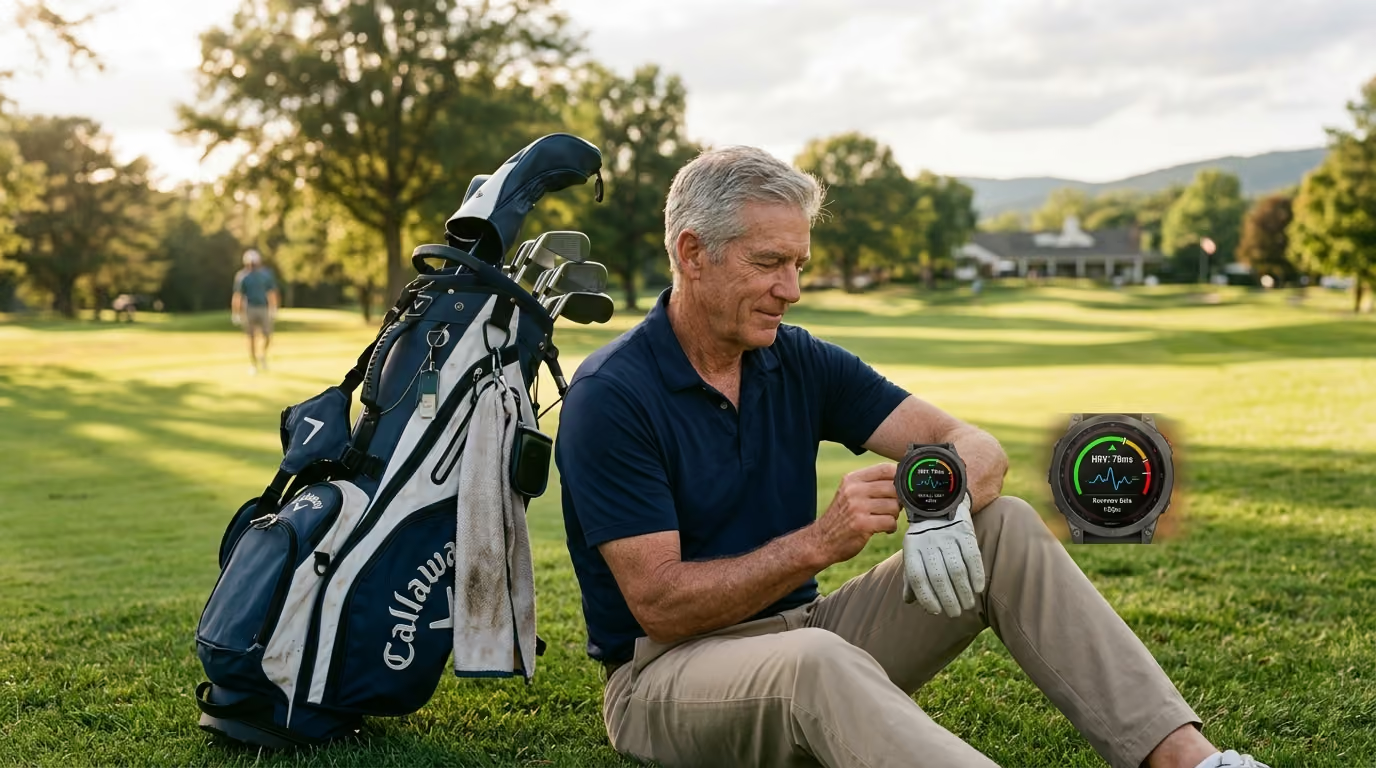

Golfers usually blame their swing mechanics for late-round mistakes, but tracking heart rate variability provides the biofeedback needed to fix underlying autonomic nervous system fatigue.




"Why does my swing fall apart on the back nine?" "How can I stop losing my driving distance after the twelfth hole?" Many mature golfers search online for answers to these exact frustrations. They look for mechanical fixes. They change their grip. They buy new drivers. Yet the actual issue is rarely mechanical. It is often a fatigued autonomic nervous system. This guide provides a complete, research-led framework for using heart rate variability to measure recovery, manage practice strain, and extend your playing years.
Paint a clear picture of the fourteenth hole. You started the morning with great swing tempo. Your drives were finding the fairway. Now, you stand on the tee box of a long par four. Your lower back feels tight. Your hands feel slightly unsteady. You try to take a deep breath, but your chest feels restricted. Your swing tempo feels rushed. You swing and slice the ball into the right trees.
This moment represents a physical breakdown. It is not a sudden lack of swing skill. It is a sign of nervous system fatigue. When your body is tired, your brain struggles to coordinate fine motor skills. Your hands grip the club too tightly. Your hips refuse to turn fully.
You struggle to find your rhythm. Walking up the fairway feels heavier than it did two hours ago. You stand over an eight-foot par putt. Normally, your hands are steady. Today, they feel tense. You push the putt right. This is autonomic fatigue in action. Your body is stuck in a high-alert state.
This state prevents you from accessing your natural swing. Understanding this physical state is the first step to fixing it. You cannot practice your way out of a fatigued nervous system. You must learn to measure it.
Heart rate variability measures the variation in time between successive heartbeats. Your heart does not beat like a metronome. If your heart rate is sixty beats per minute, it does not beat exactly once every second. There are microsecond variations between each beat. One interval might be 0.95 seconds. The next might be 1.05 seconds.
This variation is controlled by your Autonomic Nervous System. This system manages all involuntary bodily functions. It has two main branches. The sympathetic branch acts as the accelerator. It prepares your body for physical action or mental stress. The parasympathetic branch acts as the brake. It allows your body to rest, digest, and recover.
High variability is a positive sign. It shows that both branches are active and responsive. Your body can adapt quickly to changes in your environment. Low variability means one branch is dominating. This is usually the sympathetic branch. When sympathetic dominance occurs, your body is under stress. Your muscles tighten, your focus narrows, and your fine motor control suffers.
In sports science, researchers use specific metrics to track this balance. The Root Mean Square of Successive Differences is the gold-standard metric. It is commonly abbreviated as RMSSD. This metric specifically reflects vagal-mediated heart rate variability. The vagus nerve is the main pathway of the parasympathetic system.
Higher RMSSD values mean your parasympathetic system is strong. This allows your cardiovascular system to stabilize during stressful moments. This stability is critical for golf performance. A stable heart rate prevents the shaking hands that ruin short putts. It keeps your muscles relaxed during the backswing.
Resting heart rate is another valuable metric. But it is not the same as heart rate variability. Your resting heart rate shows general cardiovascular fitness. Your heart rate variability shows real-time nervous system stress. You can have a low resting heart rate but still have low variability. This means your cardiovascular system is fit, but your nervous system is exhausted.
To maintain your performance as you age, you must protect this autonomic balance. Natural aging causes a gradual decline in parasympathetic activity. This decline reduces your natural heart rate variability. But you can slow this process down. Regular physical activity, particularly walking, helps preserve autonomic function in older adults.
Tracking these numbers helps you train smarter. It keeps you from pushing through workouts when your body needs rest. It allows you to align your practice intensity with your physical capacity. This is the key to healthy aging on the course. It prevents the chronic fatigue that leads to injury.
You can influence your autonomic nervous system on the course. You do not have to wait for your next rest day to reset your body. An immediate technique is slow-paced breathing. This is also called Resonant Frequency Breathing. This technique acts as a physiological buffer against stress.
To perform this, breathe at a rate of six breaths per minute. This requires a five-second inhalation followed by a five-second exhalation. Focus entirely on expanding your lower abdomen rather than your chest. Keep your shoulders relaxed. Let the air flow in through your nose and out through your mouth.
This specific breathing rate stimulates the vagus nerve. The vagus nerve signals your brain to lower your heart rate. It reduces muscle tension in your neck and shoulders. It restores fine motor control when you feel nervous. You can use this during your pre-shot routine.
Take two of these deep breaths before you step up to the ball. Focus entirely on turning your trail hip while keeping your upper body relaxed. This simple routine calms your racing mind. It stabilizes your heart rate before a difficult drive. It prevents the sudden, jerky movements that lead to poor shots.
Research shows that slow-paced breathing improves athletic performance. It helps you maintain swing distance under pressure. It keeps your focus on the present physical sensations. It keeps your autonomic system in a balanced state. Use this tool on every tee box to protect your energy levels.
To build long-term recovery habits, you must track your data daily. Wearable devices make this process simple. Devices like Oura rings, Whoop bands, and Garmin watches measure your heart rate variability during sleep. Use these devices to establish a personal baseline over four to eight weeks.
Once you have your baseline, you can use the Traffic Light Practice System. This system matches your daily practice intensity to your recovery score. It helps you avoid overtraining. It protects your joints from unnecessary wear and tear. It makes your practice sessions more productive.
Green Light Days occur when your heart rate variability is at or above your baseline. Your nervous system is fully recovered. This is the perfect time for high-intensity training. You can schedule long range sessions. You can work on technical swing changes that require high mental focus.
This is also the ideal time for intense physical workouts. You can challenge your body because it is ready to adapt. Use these green days to build strength. You can perform heavier exercises in the gym to support your golf longevity. Focus on movements that build power in your lower body.
Your nervous system can handle the stress. You will recover quickly from these sessions. This builds a resilient foundation for your game. For advice on building this resilience, see our strength training programs.
Yellow Light Days occur when your score shows a moderate dip below your baseline. Your nervous system is under mild stress. You should not cancel your practice, but you must reduce the physical strain. Focus on technical drills that do not require maximum speed.
This is an excellent time to work on your short game. Spend your session on the putting green or the chipping area. Avoid hitting dozens of driver shots on yellow days. Your body is slightly fatigued, which increases the risk of bad habits. Keep your movements controlled.
Work on your alignment and your putting stroke. This allows you to improve your skills without overloading your nervous system. It keeps your momentum going while giving your body a partial break. Explore more about keeping your body supple on these moderate days in our joint mobility routines.
Red Light Days occur when your score shows a significant drop below your baseline. Your nervous system is exhausted. On these days, high-intensity training is counterproductive. Your body cannot adapt to the physical stress. Pushing through a hard practice session on a red day increases your risk of injury.
It also reinforces poor movement patterns because your motor control is compromised. Limit your activity to active recovery. You can do some light stretching at home. You can take a gentle walk around your neighborhood. If you must go to the course, limit your practice to short putts.
Do not hit full shots. Focus entirely on relaxing your muscles and resting. This systematic approach protects your health. It prevents the chronic fatigue that leads to long-term injuries. It makes sure that every hard practice session is backed by a fully recovered nervous system.
This is the key to steady improvement over forty. It allows you to play better golf for decades. Discover how to plan your rest days by reading about proper muscle recovery.
Many golfers make mistakes when they begin tracking their heart rate variability. The most common mistake is believing that higher is always better. While high variability is generally positive, an abnormally high reading can be a warning sign. It can indicate parasympathetic overreaching.
This occurs when your body is extremely fatigued. Your nervous system overcompensates by putting the brake on too hard. Your resting heart rate may drop unusually low. Your heart rate variability may spike far above your normal average. Exercise physiologist Alan Couzens has highlighted this risk.
If you feel exhausted but your heart rate variability is unusually high, do not push yourself. Your body is crying out for rest. Treat this as a red light day. Listen to your physical feelings rather than just the digital score. Your subjective feelings are always a critical piece of the recovery puzzle.
Another common mistake is comparing your numbers to other golfers. Heart rate variability is highly individual. It is influenced by age, genetics, and past athletic history. A younger golfer may have an average score of ninety. A healthy fifty-year-old may have an average score of forty.
Comparing your scores to theirs is pointless. Your only useful metric is your personal baseline. A score of fifty is excellent for you if your baseline is forty. Focus entirely on your own trends. Do not look at group averages or friend leaderboards on your fitness apps.
Finally, do not obsess over a single day's score. Your heart rate variability changes constantly. A single low score can be caused by a late meal. It can be caused by a single glass of wine. It can be caused by minor dehydration.
Adjusting your entire week because of one low morning score is a mistake. Always look at your rolling seven-day average. This average smooths out the daily noise. It gives you a true picture of your recovery trends. It helps you make logical decisions about your training.
Another minor mistake is inconsistent measurement conditions. If you measure your heart rate variability at different times each day, your data will be useless. Some golfers measure immediately upon waking. Others measure after their morning coffee. The caffeine will spike your sympathetic activity and lower your score.
To get accurate data, keep your measurement conditions identical. If you use a wearable device, let it track you automatically during sleep. If you use a finger-sensor app, take the reading immediately upon waking. Sit in the same posture every morning. Do not look at your email or drink water before the test.
This consistency makes sure your data is clean. It allows you to trust the trends you see. It prevents false alarms caused by poor measurement habits. Accurate data is the foundation of the entire system.
Your physical equipment can impact your autonomic data and your physical recovery. First, consider your wearable device itself. To get accurate heart rate variability data, the sensor must fit correctly. A loose watch strap or ring will produce inaccurate readings.
This is particularly true during sleep when you move around. Make sure your device is snug against your skin. Clean the sensor regularly to prevent dirt from blocking the signal. If your data is inconsistent, try wearing the device on your non-dominant hand. This often reduces movement artifacts during the night.
Second, look at your golf grips. Tight hand tension sends a stress signal directly to your brain. This tension triggers the sympathetic nervous system. It raises your heart rate and tightens your shoulder muscles. If your grips are too small, you will naturally squeeze the club tighter.
Consider switching to midsize or oversized grips. These grips allow you to hold the club with less hand pressure. They help keep your forearms and shoulders relaxed. This physical relaxation keeps your nervous system in a calmer state. It allows for a smoother swing and better heart rate control.
Third, examine your footwear. Heavy, rigid shoes increase the physical strain of walking eighteen holes. This extra strain drains your energy. It lowers your heart rate variability for the next day. Choose lightweight, supportive golf shoes that allow your feet to move naturally.
This choice reduces the overall stress on your body. It helps you maintain your posture throughout the round. It protects your joints from repetitive impact. Small changes in your gear can lead to significant improvements in your autonomic recovery. Protect your joints as you age by reading our injury prevention strategies.
As we age, our bodies change. Our natural heart rate variability decreases. This decline is a normal part of the aging process. It is caused by a natural reduction in parasympathetic tone. But this decline is not inevitable. You can take steps to preserve your autonomic health.
Research shows that endurance-trained older adults maintain higher heart rate variability. They have stronger parasympathetic systems than sedentary peers. You do not need to run marathons to achieve this. Regular, brisk walking is highly effective. Walking eighteen holes regularly provides a fantastic cardiovascular benefit.
Using heart rate variability tracking helps you manage this aging process. It acts as an early warning system. It tells you when your body is struggling to adapt to stress. This allows you to rest before an injury occurs. It keeps you on the course and out of the doctor's office.
By tracking your longitudinal baseline, you can see how your lifestyle choices affect your longevity. You can see the positive impact of better sleep. You can see how a healthier diet improves your recovery. This feedback is highly motivating. It helps you build sustainable habits that support your health.
These habits extend your playing years. They allow you to swing with speed and confidence well into your sixties and seventies. You can maintain your mobility and your strength. This is the true power of biofeedback. It is not just about playing better next weekend. It is about playing better for the next thirty years. Find out how to maintain your body's youthfulness in our healthy ageing guidelines.
You can start optimizing your recovery today. You do not need to change your entire routine at once. Focus on making small, consistent changes. These steps will help you integrate biofeedback into your weekly routine.
Buy a reliable wearable device that tracks heart rate variability during sleep. Wear it every night for four weeks without changing your physical habits. This period allows the device to calculate your personal baseline. Avoid comparing your initial numbers to other players. Focus entirely on your own average.
Practice slow-paced breathing for five minutes every evening. Sit in a quiet room with your back straight. Inhale through your nose for five seconds, then exhale through your mouth for five seconds. Focus entirely on moving your stomach rather than your chest. This simple daily drill trains your vagus nerve to respond quickly.
Begin adjusting your practice schedule based on your morning recovery score. If your score is green, schedule a challenging range session or a heavy workout. If your score is yellow, spend your time on short game drills and mobility. If your score is red, take a rest day or focus purely on short putts.
Review your seven-day rolling average every Sunday. Do not react to single-day drops caused by a poor night of sleep. Look for long-term downward trends, which indicate chronic stress or overtraining. If your weekly average declines for two consecutive weeks, increase your sleep time and reduce your practice volume.
Follow Golfergy for practical insights on performance, mobility, recovery and healthy ageing. Stay connected for new articles, research-led guidance and ideas to help you play better for longer.


Explore practical resources on performance, recovery, mobility and golf longevity.
Read the Blog