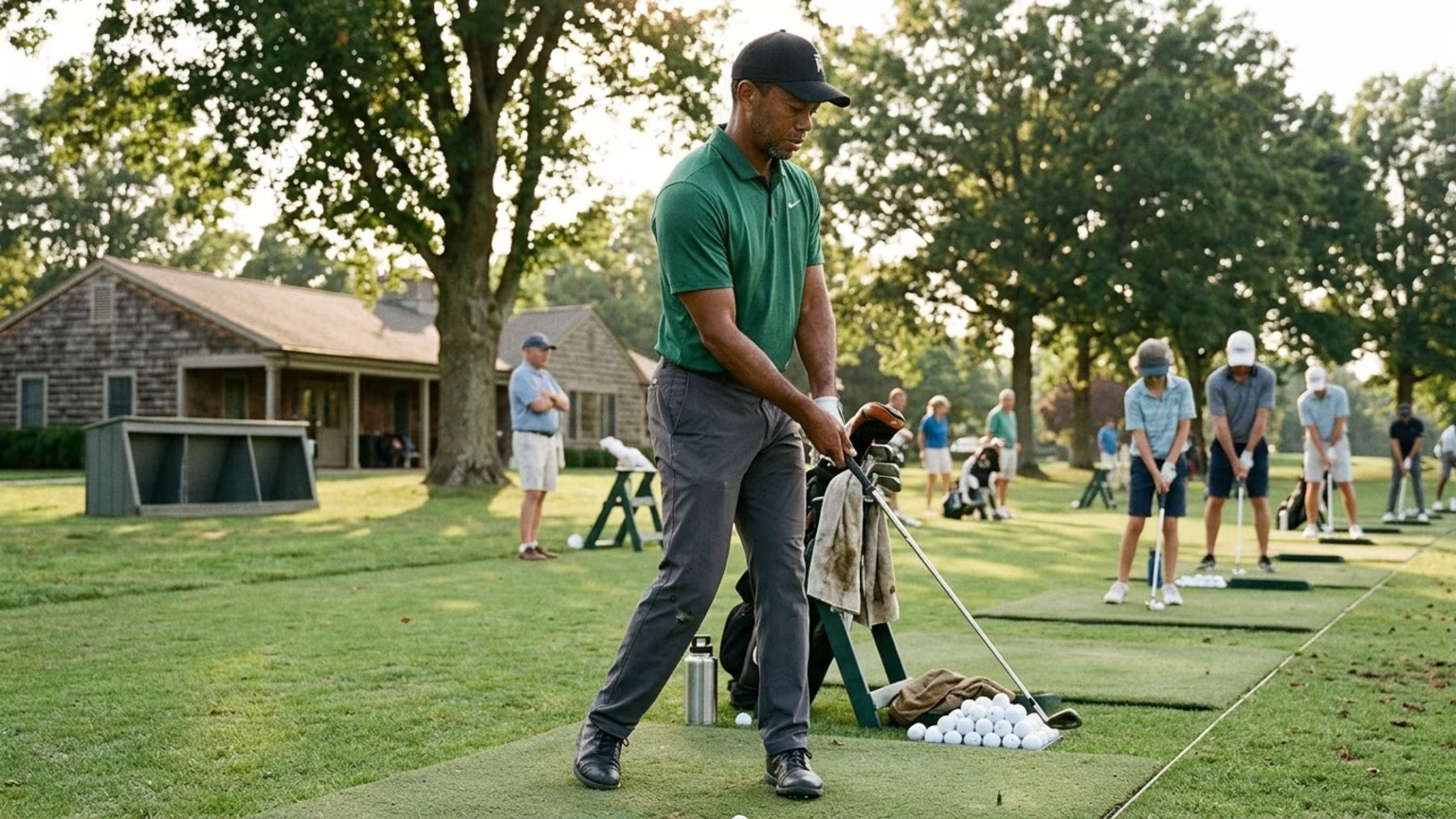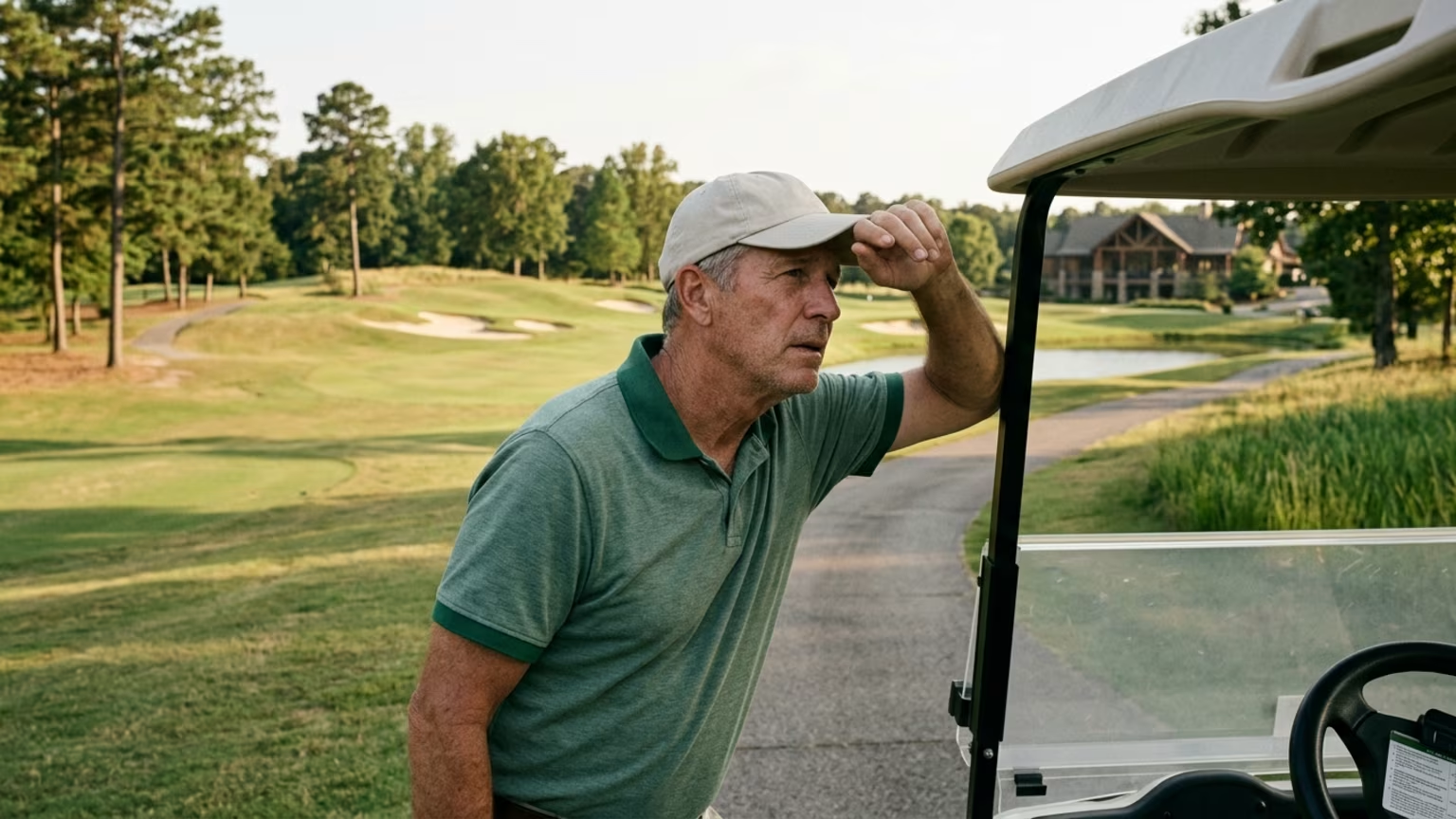

A recent review explores how a daily creatine maintenance dose may help older golfers manage cognitive fatigue and physical impairment after poor sleep.




On September 16, 2026, Ones Health updated an explainer titled "Does Creatine Help with Insomnia? What the Research Says". The publication reviewed recent clinical data on how the body reacts to acute sleep restriction. The central conclusion stated clearly that creatine is not a sleep aid. It does not shorten the time it takes to fall asleep in healthy adults.
It also fails to reduce nighttime awakenings or improve overall sleep architecture. Instead, the review framed the supplement as a possible support layer during periods of sleep restriction. It can help preserve specific cognitive and physical performance metrics when rest is disrupted. The research offers a timely update for recreational players who struggle with fatigue.
Sleep deprivation creates immense metabolic stress in the brain before you even reach the course. This stress directly depletes phosphocreatine in your prefrontal cortex. That specific area of the brain controls your executive function, decision-making, and working memory. When you lose sleep, your brain struggles to maintain enough energy to process complex tasks.
This cognitive deficit quickly spills over into physical movements during your golf swing. A tired brain has a harder time sending clear signals to your muscles. This communication breakdown severely impairs your reaction time and physical balance. According to the Ones publication, creatine may help maintain brain phosphocreatine availability under this metabolic stress.
A 2024 randomized crossover study tested a single 0.35-gram-per-kilogram dose of creatine. The study involved 15 healthy adults during 21 hours of supervised wakefulness. Researchers reported noticeable improvements in cognitive performance and processing speed. They also noted positive changes in cerebral high-energy phosphates.
The 2024 study even showed the prevention of brain-tissue pH decline during sleep deprivation. A follow-up McMorris study involving 36 hours of sleep deprivation yielded similar insights. That research found attenuated declines in mood and cognitive performance. The benefits were particularly strong on tasks dependent on the prefrontal cortex.
Another study using a single 0.2-gram-per-kilogram dose reported less deterioration than a placebo on logical reasoning. Researchers also noted improvements in numerical processing, language-related processing speed, and psychomotor vigilance. Some outcomes saw improvements of up to 12 percent in this specific study. These acute findings come from closely related research programs rather than a large body of independent replications.
The prognosis for recovering from sleep loss involves restoring your brain energy levels. The 2023 Rawson and Venezia systematic review offers directionally relevant data for athletes. That review concluded that creatine may reduce performance decrements during sleep restriction. It also suggested the supplement might support faster post-exercise recovery in athletic populations.
The article characterizes the post-sleep-deprivation recovery evidence as emerging. Golfers should note that the Ones article does not report a golf-specific trial. There is no golfer sample, golf-performance test, or age-specific dosing recommendation in the current research. No source located for this research establishes that creatine improves driving distance or golf-specific recovery.
Golfers over 40 face a significant risk of physical impairment after a bad night of sleep. A younger player might temporarily mask their fatigue with raw athletic speed. A mature golfer relies heavily on precise timing, balance, and strategic thinking. When sleep deprivation limits prefrontal cortex function, poor course management decisions often follow.
You might misjudge a critical distance, pick the wrong club, or rush a delicate putt. The physical consequences of this fatigue are just as concerning for older amateurs. A 2024 systematic review and meta-analysis of 16 trials examined these effects in 492 adults. The review found statistically significant effects on memory and attention time.
However, researchers found no significant improvement in overall cognitive function or executive function. This suggests the mental benefits of supplementation are very domain-specific. For older adults, declining balance and slower reaction times increase the risk of poor swing mechanics. This makes playing tired a genuine physical hazard for experienced amateurs.
The International Society of Sports Nutrition position stand provides helpful context here. The stand reports that creatine supplementation up to 30 grams per day for five years was safe. This safety profile applied across populations ranging from infants to older adults. It noted that a habitual low intake around 3 grams per day may provide health benefits.
The most defensible message from the clinical research is that creatine offers support, not a solution. If you occasionally play after a poor night of sleep, practical adjustments are your best defense. Ones presents a daily maintenance protocol of 3 to 5 grams of creatine monohydrate. The timing of this daily dose relative to your sleep schedule does not appear to matter.
The article characterizes the evidence for this simple daily maintenance dose as strong. For golfers, managing a tired day requires more than simply taking a powder. You must actively change how you prepare your body on the first tee. I used to stand on the first tee doing long, static hamstring stretches.
I thought a deep stretch was the right way to wake up my tired muscles. Research later showed me that dynamic movements prime the nervous system much better. When you are sleep-deprived, changing to a dynamic warm-up completely transforms your physical readiness. Your main priority on tired days should be reducing risk and protecting your joints.
Lower your performance expectations and emphasize hydration throughout the round. Ones suggests adding 300 to 500 milliliters of water per day as a practical tip. Avoid unusually aggressive swings when your balance feels compromised. Focus entirely on turning your trail hip smoothly rather than chasing maximum distance.
Proper sleep science for golfers shows that adapting your play style prevents injuries on fatigued days. Building a smart sleep and performance strategy starts long before your tee time. Anyone with ongoing insomnia, loud snoring, or suspected sleep apnea should seek clinical assessment. Older golfers should treat creatine as just one component of a broader longevity plan.
It is a major mistake to treat creatine as a direct treatment for chronic sleep restriction. Ones explicitly warns that presenting the supplement as an insomnia cure overstates the clinical evidence. The available research concerns the mitigation of selected physical and mental impairments. It does not show any correction of the underlying sleep problem itself.
The evidence does not establish that creatine reduces natural sleep pressure. It also does not reverse the physiological consequences of adenosine accumulation in the brain. The supplement simply cannot substitute for a full night of restorative sleep. Golfers must also distinguish everyday daily habits from acute laboratory testing protocols.
The 2024 acute sleep-deprivation experiments used large single doses during supervised wakefulness. A 2006 study by McMorris and colleagues used 20 grams of creatine daily for seven days. These large laboratory loading doses are quite different from the suggested daily maintenance routine. It is not valid to assume that a standard maintenance dose produces the same short-term cognitive effect.
Temporary water retention is a recognized practical consideration with any creatine supplementation. Gastrointestinal discomfort can also occur, particularly with larger daily doses. Healthy users should follow product directions and discuss supplementation with a clinician if they have kidney disease. Anyone taking relevant medication should also consult a doctor before starting a new routine.
Poor sleep will eventually catch up with every golfer on the course. Planning for those difficult mornings can help you play safely and avoid nagging physical setbacks. The research makes it very clear that we cannot replace a good night of rest. What adjustments will you make to your mobility routine this season to steer clear of this hazard?
Follow Golfergy for practical insights on performance, mobility, recovery and healthy ageing. Stay connected for new articles, research-led guidance and ideas to help you play better for longer.


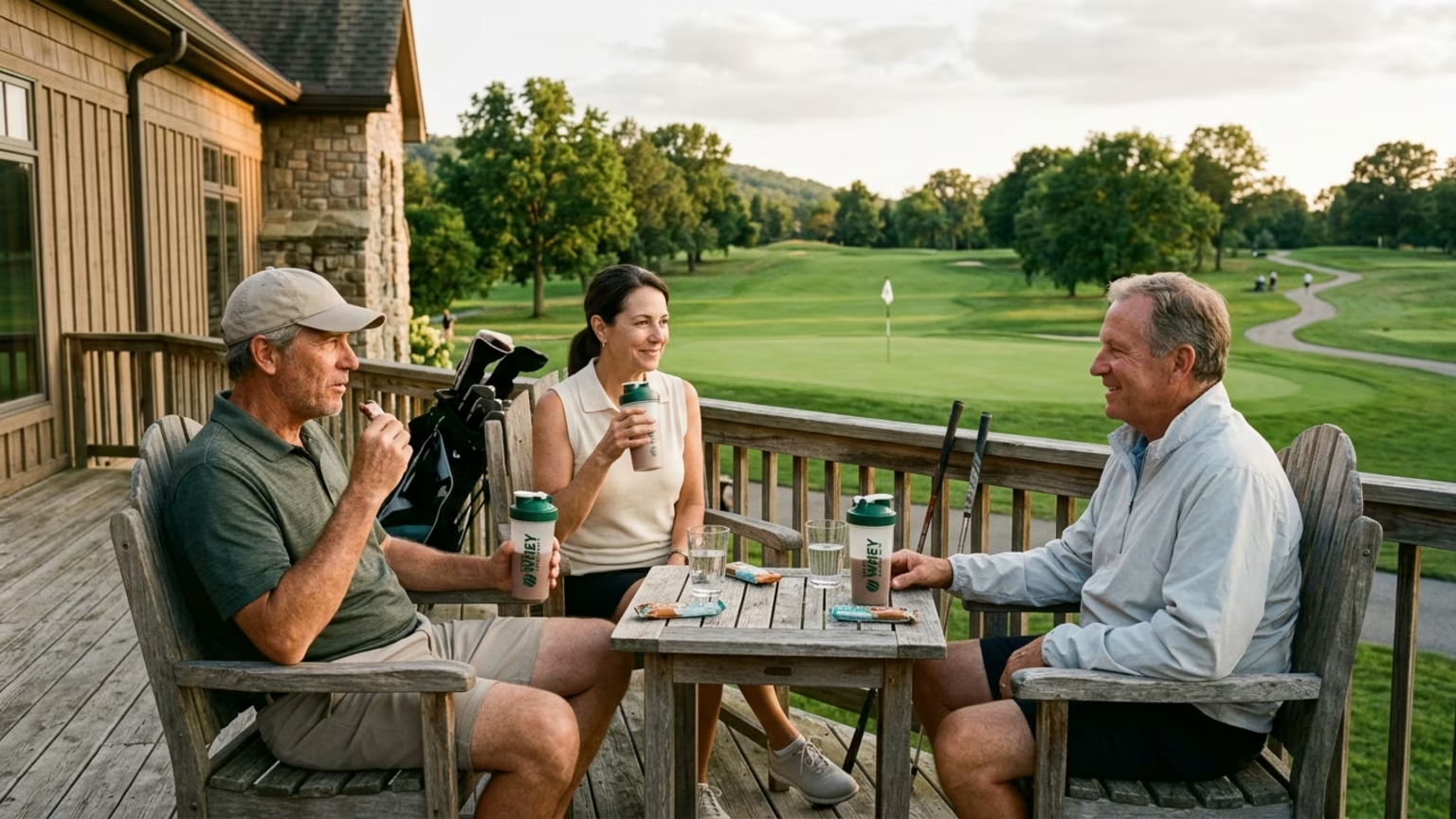
Learn practical whole-food protein targets to support your post-round golf recovery. See how balanced meals can help older players maintain muscle mass.

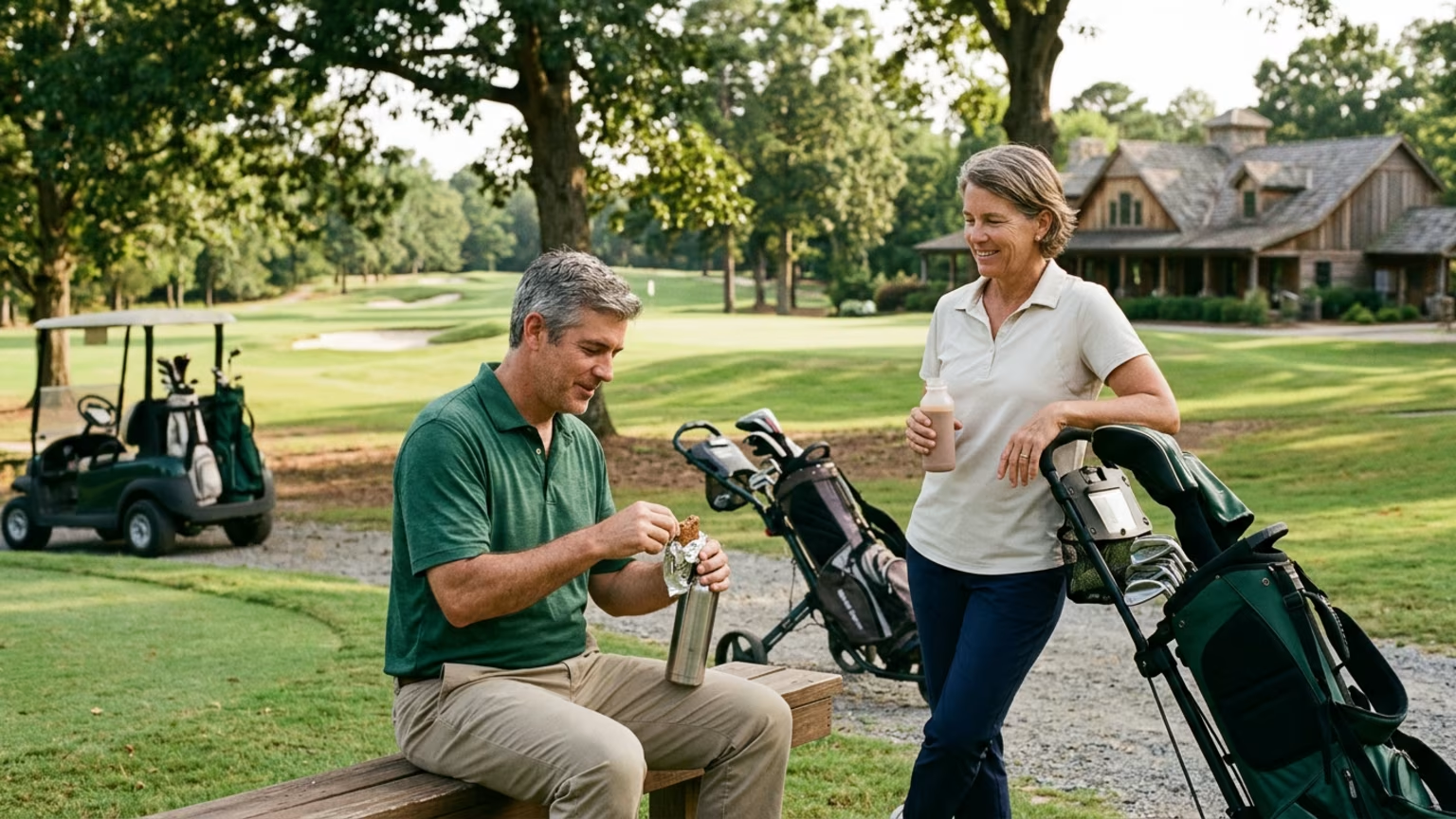
A September 2026 analysis reveals that golfers over 40 should prioritize total daily protein and complete amino acid profiles over traditional BCAA ratios.
MIT research shows short bursts of pink noise can strengthen brain waves and fluid flow during sleep. Learn why natural rest is vital for older golfers.
Explore practical resources on performance, recovery, mobility and golf longevity.
Read the Blog