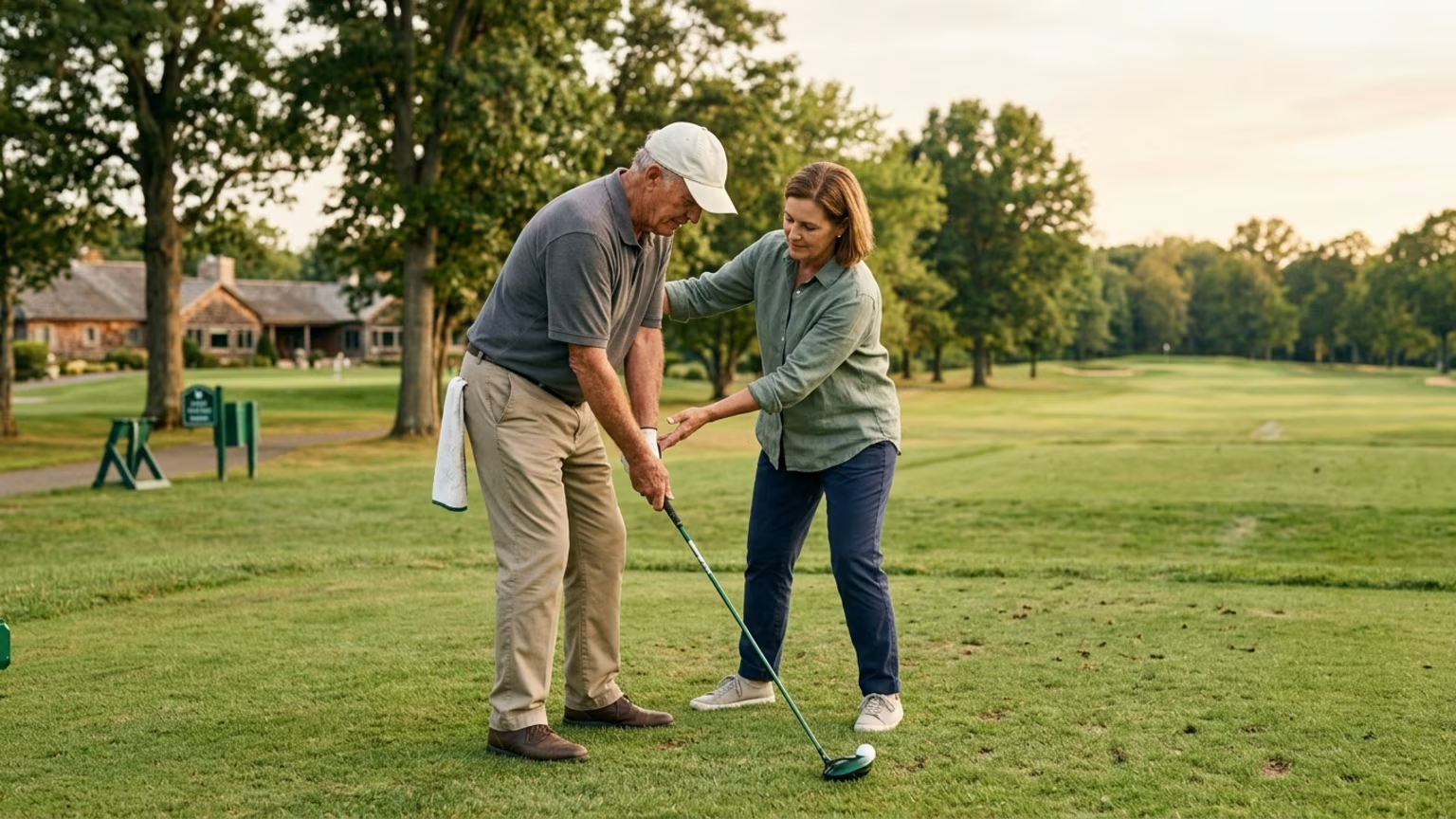
Read how tour professionals manage physical recovery and learn practical, evidence-based habits older recreational golfers can use to protect their joints.




On September 28, 2026, Golf Digest published a first-person account by an unnamed touring professional about the realities of tour medical care. The article features Christopher Powers as a contributor. It details how the player relies heavily on pre-round preparation and post-round recovery to manage the physical toll of competitive golf. The pre-round sessions focus on stretching and checking that the body feels physically ready to swing.
Following the round, the player undergoes treatment to address the accumulated stress and physical wear from the course. The professional describes a massive shift in treatment culture over roughly 20 years on tour. When he first turned pro, massages around tournament rounds were quite uncommon. The official treatment trailer was used by only a handful of players.
Today, the player views the physio room as a private place to talk and decompress. He characterises this treatment environment as a safe space for players.
The golf swing is a complex movement that forces the body to rotate rapidly and repeatedly. This athletic motion places tremendous rotational stress on the lower back, hips, and shoulders. During a standard round of golf, your joints and soft tissues absorb that extreme force dozens of times. Over hours of play, this repetitive torque creates micro-trauma in your muscle fibres and ligaments.
The modern golf swing prioritises an enormous shoulder turn against a relatively stable lower body. This separation creates a coiled effect that generates clubhead speed. When that coil unwinds, the lower back and leading hip take the brunt of the braking force. Tour professionals spend hours each day conditioning their bodies to handle this immense braking force safely.
The anonymous professional noted that he experienced minor injuries early in his career. He attributed these early issues to doing too little physical therapy before and after facing these severe rotational demands. Without adequate preparation, soft tissues remain stiff and are forced to stretch beyond their comfortable limits. When muscles are tight, they pull unevenly on joints during the swing.
The saddest thing I have seen in golf is watching lifelong playing partners slowly drop out of our weekend group. It usually starts with a nagging shoulder or knee issue they ignore until it requires surgery. That pattern is exactly why our team became obsessed with golf longevity. We do not have to stop playing as we age, provided we understand the physiology of the senior swing and do the right maintenance work between rounds.
Recreational players over 40 face an even greater risk of soft-tissue damage than tour professionals. We might swing with less clubhead speed, but our tendons and ligaments naturally lose elasticity over time. When we lose rotational flexibility in our mid-section, we often force our lower back or shoulders to compensate. This compensation creates abnormal stress on joints that are simply not built for extreme rotation.
Furthermore, amateur golfers do not have the elite support system detailed in the Golf Digest report. The tour provides complimentary services from physical therapists, chiropractors, and osteopaths in a dedicated medical trailer. Private care has also expanded dramatically among the elite ranks. The professional estimated that roughly 10 full-time masseuses are now privately hired by pros in a typical week.
We have to manage our own physical health without a traveling team of dedicated specialists. Our daily habits outside of golf also compound this physical vulnerability. Many older amateurs spend hours sitting at desks or driving, which naturally tightens the hip flexors and rounds the shoulders. We arrive at the first tee with a stiff body that is unprepared for explosive movement.
Without a dedicated warm-up, the first few drives of the day become a prime opportunity for a painful strain. Recreational golfers typically only swing a club on the weekends. We ask our bodies to perform an unnatural movement without the daily foundational work. This weekend warrior approach leaves us highly susceptible to lingering aches.
The most practical lesson from the tour is to treat recovery as a standard part of every round rather than an afterthought. The touring professional described specific Monday treatments aimed at recovering from travel and feeling normal again. While we do not need elite interventions, we can adopt a highly structured and repeatable habit. Mutual of Omaha’s senior-golf guidance recommends simple preparation and recovery steps for older players.
You should start with gentle movement before you head to the first tee. Preparing your body with a 10-minute first-tee warm-up can significantly improve your rotational safety. After the round, complete an easy cool-down and incorporate light stretching if it feels comfortable. Rehydrate properly and pay close attention to how your body feels later that evening.
Monitoring your body is a crucial component of healthy ageing in golf. Consistent post-round recovery habits give your joints a chance to reset before your next tee time. Notice any localized fatigue, muscle tightness, or joint discomfort the morning after you play. If you spot these signs early, you can adjust your activity level before a minor ache becomes a major problem.
It is very easy to assume that copying a professional treatment menu will guarantee a pain-free season. The anonymous pro recounted using massage and cupping for his later-career recovery. He also mentioned adding dry needling, saunas, and cold plunges. A September 2026 Golf Digest report on the Solheim Cup noted that team physios planned to use compression boots and hands-on therapy.
However, these reports simply document what is available at the highest level of the sport. A golf rehabilitation clinic overview cautions that direct evidence for specific golf-injury prevention programs remains limited. They recommend individualising your prevention approach instead of expecting a universal fix. The clinic suggests focusing on physical capacity and preparation.
They also advise gradual increases in playing volume and proper recovery between demanding sessions. You do not need to purchase expensive compression devices to maintain a healthy body for golf. The anonymous professional stated his personal belief that major soft-tissue injuries have become less common over the past five years. However, the Golf Digest account provided no actual injury data to verify that impression.
Mutual of Omaha’s guidance simply suggests monitoring next-day fatigue or pain and contacting a doctor if symptoms do not improve. Listening to your own body and seeking professional medical advice is far more effective than blindly copying a tour player.
Protecting your body requires consistent attention to your daily habits and an honest assessment of your physical limits. Treating recovery as a routine step rather than an emergency response is the true lesson from the professional ranks. We encourage you to focus entirely on small, manageable changes to your pre-round and post-round routines. What adjustments will you make to your mobility routine this season to steer clear of this hazard?
Follow Golfergy for practical insights on performance, mobility, recovery and healthy ageing. Stay connected for new articles, research-led guidance and ideas to help you play better for longer.


Learn why a bad night of sleep does not automatically ruin your next golf round. Discover a flexible, research-backed recovery routine for golfers over 40.

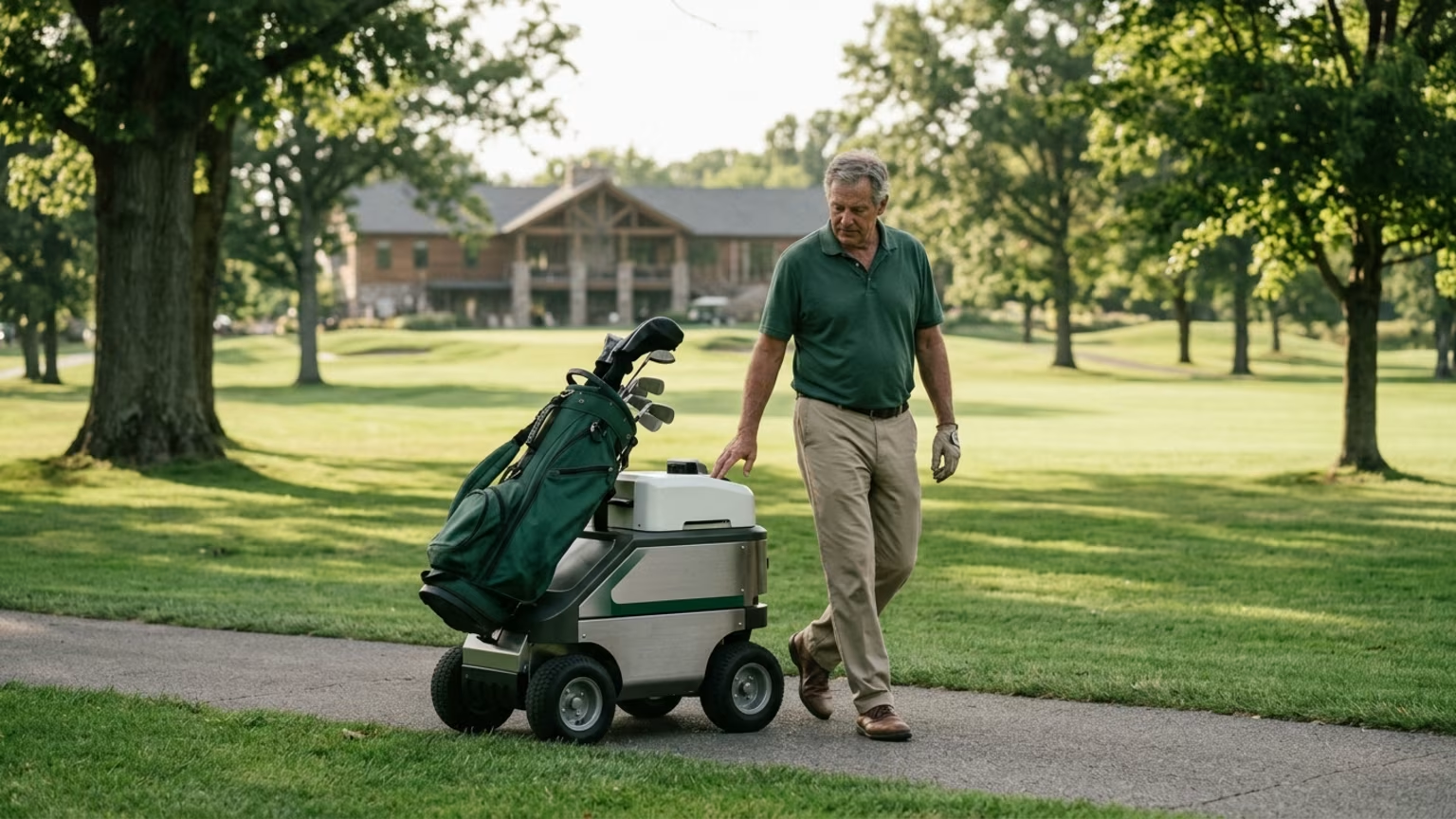
Goyang Country Club recently introduced Hello Caddy robots. Learn why walking six kilometers with AI support still requires older golfers to manage fatigue.

Learn how adequate sleep, sensible workload management, and strategic rest periods reverse overtraining and protect older golfers from chronic fatigue and pain.
Explore practical resources on performance, recovery, mobility and golf longevity.
Read the Blog