
Discover a structured post-round recovery routine for golfers over 40. Learn how light movement and targeted mobility work protect your swing and prevent stiffness.




You just finished a grueling 18 holes in July. Now your lower back is barking as you order a drink at the clubhouse. The physical toll of a full round is often ignored once the final putt drops. We expect our bodies to transition instantly from athletic performance to a resting state.
A few years ago, I noticed my swing falling apart around the 14th hole. My lower back would tighten up, and I started compensating with my arms. I spent months thinking it was a swing flaw. It was not until I started a simple evening hip mobility routine that I realized my glutes were just turning off from fatigue.
Fixing that one physical limitation brought my back nine scores down drastically. Golfers over 40 face a unique physical challenge after holing out on the final green. The choices you make right after your round determine how your joints will feel the next morning. Let us look at two distinct paths for your post-round routine.
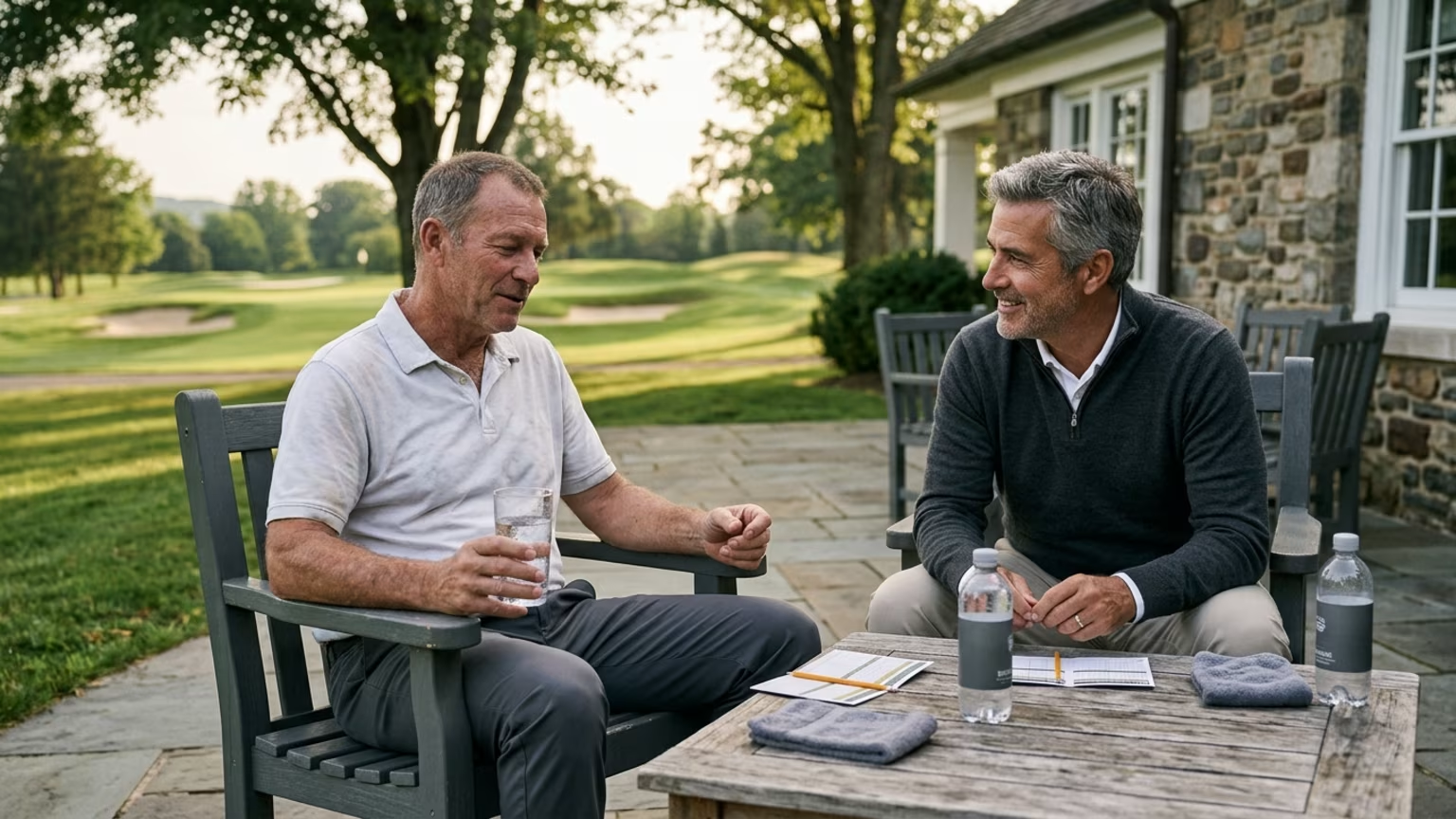
When the round ends, players typically choose one of two distinct recovery methods. Option A is the traditional clubhouse sit-down. This path involves heading straight off the final green to a chair for an immediate rest. Option B is a structured physiological reset.
The second option requires a deliberate physical transition sequence before you sit down. It involves light continuous movement, deliberate hydration, and gentle mobility work. Golfers often find themselves torn between the easy comfort of the clubhouse chair and the physical demands of an active reset. Your body craves rest, making the nearest chair extremely tempting.
The social aspect of golf heavily favors the first choice. Friends want to tally scorecards, share stories, and relax immediately. The clubhouse environment is built entirely around this stationary tradition. Older athletes are increasingly looking at the structured reset to prevent morning stiffness.
The traditional clubhouse approach offers obvious mental relief after a frustrating round. Sitting down immediately feels wonderful on tired legs. It provides a chance to catch up with friends and decompress mentally. For many recreational players, this social time is the best part of the day.
The physical drawbacks for older joints are significant. When you stop moving abruptly, you increase the risk of a severe mobility issue on your drive home. Golfers should walk for five to ten minutes to maintain circulation instead of moving directly from the 18th green to a car seat. Going straight to a static seated position abruptly halts this vital blood flow.
Research shows that older players need continued light movement to clear metabolic waste effectively. Without a proper physical transition, your core rotational muscles will stiffen rapidly. Experts advise prioritizing thoracic spine and hip mobility, as these are primary limiters in the golf swing that stiffen with age. The traditional clubhouse sit-down actively works against this mobility goal.
Sitting down immediately ignores the massive physical effort you just completed. Your muscles are cooling down in a shortened, seated position. This creates a recipe for significant lower back pain the next morning. By choosing absolute rest immediately, you are essentially shocking your muscular system.
A structured physical reset starts with continued low-intensity movement. Experts suggest a five to ten minute low-intensity activity immediately after play to facilitate blood circulation and lactate removal. Walking your clubs to your vehicle is a perfect way to accomplish this. This brief walk keeps the blood flowing while your heart rate gradually returns to normal.
Once your muscles are warm from this transition walk, you can safely apply targeted static stretching. Static stretching should be avoided before a round where dynamic movement is preferred. It is best reserved for post-round recovery when muscles are warm. Focus entirely on turning your trail hip or opening your thoracic spine during these static holds.
Recreational players are also increasing their adoption of recovery technology to manage inflammation. Tools like percussive massage guns, TENS/EMS (Transcutaneous Electrical Nerve Stimulation), and compression boots provide excellent targeted relief. These devices can accelerate blood flow to tired extremities after a long day of walking. A quick session with a massage gun can prevent the calves from tightening up overnight.
While these tools are helpful, you must use them correctly. Experts warn against aggressively stretching late at night or using excessive force in post-round mobility work. Applying too much force can cause muscle strain if the tissue is already fatigued. Gentle, consistent movement is always safer than forceful manipulation.
When evaluating which method helps you play better for longer, the numbers heavily favor the structured reset. A single 18-hole round is a massive physical undertaking for the human body. Research indicates that a round often involves walking 11,000 to 17,000 steps. That translates to walking roughly 6.4 to 8 kilometers across uneven terrain.
Navigating this distance means you can burn between 1,000 and 2,000 calories depending on the terrain. Your body needs a deliberate transition to recover from that level of physical output. A quick transition walk facilitates this necessary recovery. Regular golf helps maintain lower body muscle strength and balance, significantly reducing the risk of falls in older adults.
The long-term health benefits of playing regularly are staggering. A study of 300,000 individuals suggests golfers live approximately five years longer than non-golfers. This same study found that players face a 40 percent lower death risk. To reap these benefits, you must protect your joints and maintain a consistent playing schedule.
Dr. Andrew Murray notes that golf can improve or lower the risk for over 40 chronic conditions, including type 2 diabetes and heart disease. The active reset clearly wins the longevity battle by protecting your mobility for future rounds. For more context on managing your physical recovery, read our guide on The Post-Round Recovery Checklist.
Your post-round routine dictates your physical readiness for your next tee time. A systematic recovery approach takes very little time to execute properly. Five minutes of walking and a few gentle hip stretches make a massive difference in how you feel. You can learn more about protecting your mobility in our piece on The 19th Hole Audit: Balancing Social Tradition with Longevity Goals.
If you choose to sit down immediately, you are inviting next-day stiffness. If you choose the active reset, you are investing in your future golf game. Small physical habits compound over time to create a much healthier athletic profile. Choose the clubhouse chair for immediate socializing, but choose the transition walk and mobility reset for long-term swing health.
Follow Golfergy for practical insights on performance, mobility, recovery and healthy ageing. Stay connected for new articles, research-led guidance and ideas to help you play better for longer.


Learn how golfers over 40 can accelerate muscle recovery using exact protein timing, balanced meals, and sensible hydration based on new medical guidance.


A 2026 evidence review shows that sleep, nutrition, and planned rest days outperform popular golf recovery tools like ice baths and massage.

Explore how elite football's strategic use of tart cherry juice to manage oxidative stress and improve sleep translates to recovery protocols for older golfers.
Explore practical resources on performance, recovery, mobility and golf longevity.
Read the Blog


