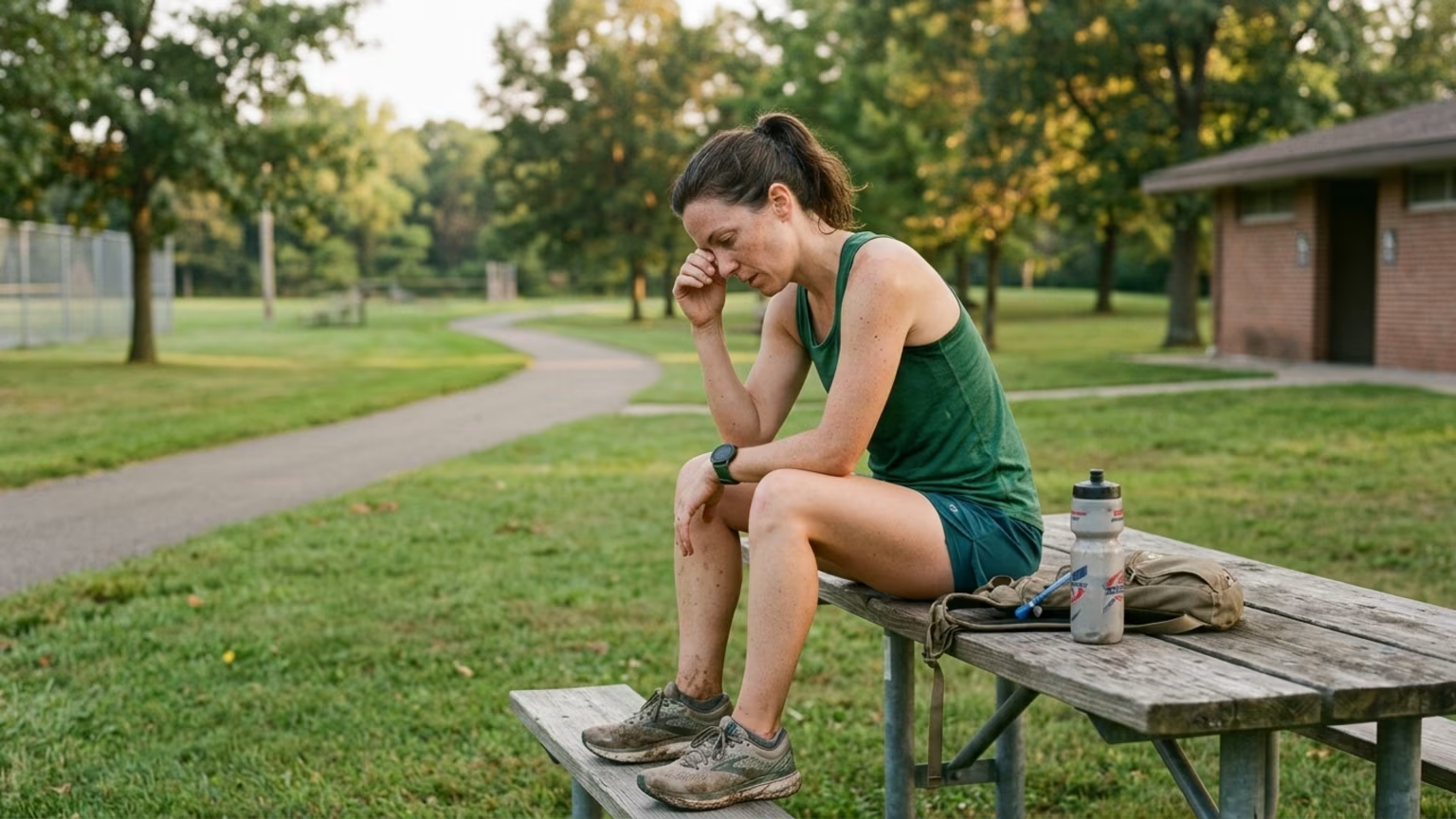

Learn why a bad night of sleep does not automatically ruin your next golf round. Discover a flexible, research-backed recovery routine for golfers over 40.




You have probably heard a million times that a single short night of sleep will completely ruin your golf score the next morning. We often accept this idea as an undisputed medical fact. However, the truth according to sports science is much less predictable. A bad night in bed does not guarantee a terrible day on the links.
It is easy to understand why this myth is so popular among recreational players. We have all stood on the first tee feeling completely stiff after a restless night. When we proceed to hit a poor drive, we instantly blame our lack of rest. It feels like a very simple cause and effect relationship.
The saddest thing I have seen in golf is watching lifelong playing partners slowly drop out of our weekend group. It usually starts with a nagging shoulder or knee issue they ignore until it requires surgery. That pattern is exactly why I became obsessed with golf longevity. We do not have to stop playing as we age, provided we do the right maintenance work between rounds.
Many older players balance their weekend tee times with demanding travel schedules or busy family obligations. This reality makes perfectly uninterrupted sleep very rare. When we hold ourselves to an impossible standard of perfect rest, we create a cycle of frustration. A poor night of sleep becomes an excuse to stop focusing on the shots in front of us.
Part of that maintenance is knowing the difference between a real physical limitation and a tired mind. When older players believe their round is ruined before it begins, they often try to force their swing. This creates dangerous physical tension that hurts their mechanics far more than the actual lack of sleep. We need a more realistic view of how rest truly impacts our game.
To understand the real impact of rest, we can look at a major systematic review of physical performance tests. This analysis examined 227 outcomes from 69 publications involving 959 adults. The vast majority of the participants were male, making up 89 percent of the entire group. Researchers compared normal sleep of more than six hours against sleep loss of six hours or less in a 24-hour period.
In this meta-analysis of varied adult exercise tasks, performance averaged 7.56 percent lower under sleep-loss conditions. The researchers noted substantial variation between the individual studies. The effects depended heavily on the specific sleep-loss protocol used during the various tests. The review reported consistent negative effects after sleep deprivation and late restriction, while early restriction was not consistently associated with lower performance.
The timing of the physical activity also played a large role in the final results. Morning tasks were less affected overall than afternoon or evening tasks in the review. The pooled estimates showed a 5.42 percent performance drop for morning tasks and an 8.31 percent drop for afternoon tasks. This relative difference shows that early tee times might be slightly protected, but they are not completely immune to fatigue.
It is also critical to understand that this research focused almost entirely on sleep quantity. The review was primarily about sleep quantity and could not determine how sleep quality independently relates to next-day exercise performance. The researchers noted that about 98 percent of the outcomes measured quantity rather than quality. They identified only one investigation that specifically looked at fragmented sleep.
The evidence specifically related to golf skills is much smaller than most people assume. The review found significant reductions in combined analyses for strength and endurance, but its skill analysis included only nine studies and 146 participants. The review enrolled adults aged 18 and older but does not provide a verified estimate specific to golfers over 40.
Furthermore, this specific review does not prove that a lack of sleep directly causes golf injuries. The researchers assessed physical performance outcomes, but the available evidence does not establish that improving sleep actively extends your playing years. We must look at rest as a general baseline rather than a magic shield against joint pain.
Since we cannot perfectly predict how a short night will impact a specific round, we need a flexible approach. The goal is to make practical choices that support your baseline physical readiness. You should aim to protect your rest without stressing when work or family schedules interrupt your plans. A simple routine helps you manage fatigue without turning it into a mental block.
When scheduling allows, try to protect a normal sleep opportunity rather than sacrificing rest to prepare for your game. Keep your packing and course planning simple so they do not take up your entire evening. Doing these things early prevents them from displacing your actual time in bed. A simple post-round recovery protocol from the previous day can also help you wind down and transition into a restful state.
When you wake up, take a moment to check in with your alertness and general energy levels. Use this feeling as helpful context rather than a precise performance forecast for the day. Tracking simple daily wellness markers can smoothly guide your warm-up decisions without causing unnecessary panic. If you feel exceptionally tired, just accept it and move straight into a gentle stretching routine. Warming up slowly gives your nervous system time to coordinate your movements before you swing.
If you feel unusually fatigued on the course, consider adjusting your expectations for that specific round. Emphasize deliberate decision-making instead of trying to force extra clubhead speed out of a tired body. Keep your swing thoughts simple, such as choosing to focus entirely on turning your trail hip. This conservative approach protects your mechanics and prevents compensatory injuries when your physical energy is low. Playing a smart and controlled game can often salvage your score even when you feel terrible.
Once the round is completely over, make smart choices that fit naturally into the rest of your daily schedule. Avoid an unnecessarily late evening if you are already feeling behind on your weekly rest goals. Basic sleep recovery strategies will help you gradually reset your system for your next practice session. Maintaining this steady rhythm is how you protect your physical capabilities over the long haul.
Next time your playing partner complains about a terrible night of sleep, remind them that their round is not automatically ruined. Experimental evidence links acute sleep loss with worse results across varied physical tasks, but the effects vary widely based on timing and task type. Trust your body to handle the occasional short night, adjust your on-course expectations, and simply enjoy the walk.
Follow Golfergy for practical insights on performance, mobility, recovery and healthy ageing. Stay connected for new articles, research-led guidance and ideas to help you play better for longer.


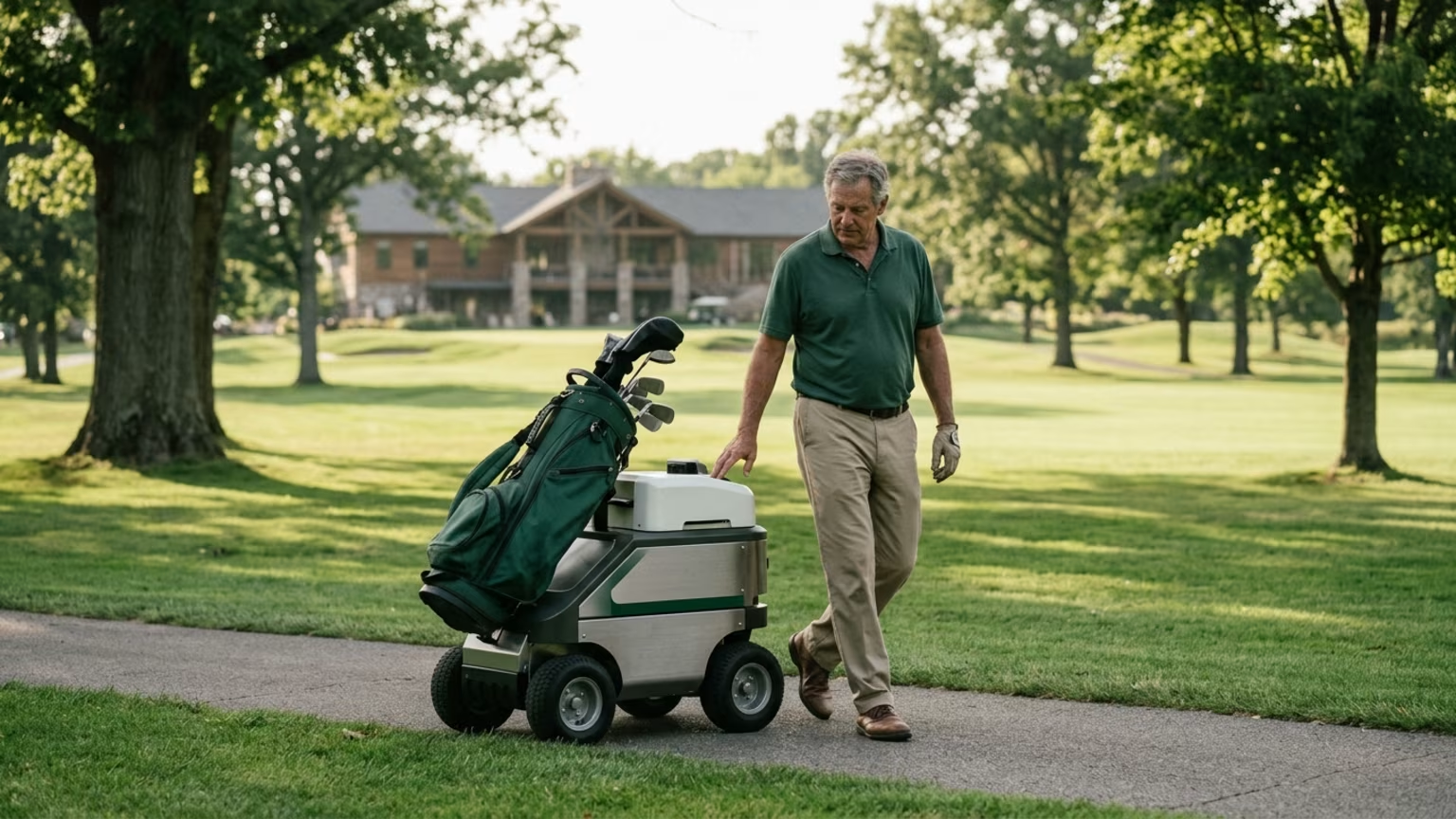
Goyang Country Club recently introduced Hello Caddy robots. Learn why walking six kilometers with AI support still requires older golfers to manage fatigue.

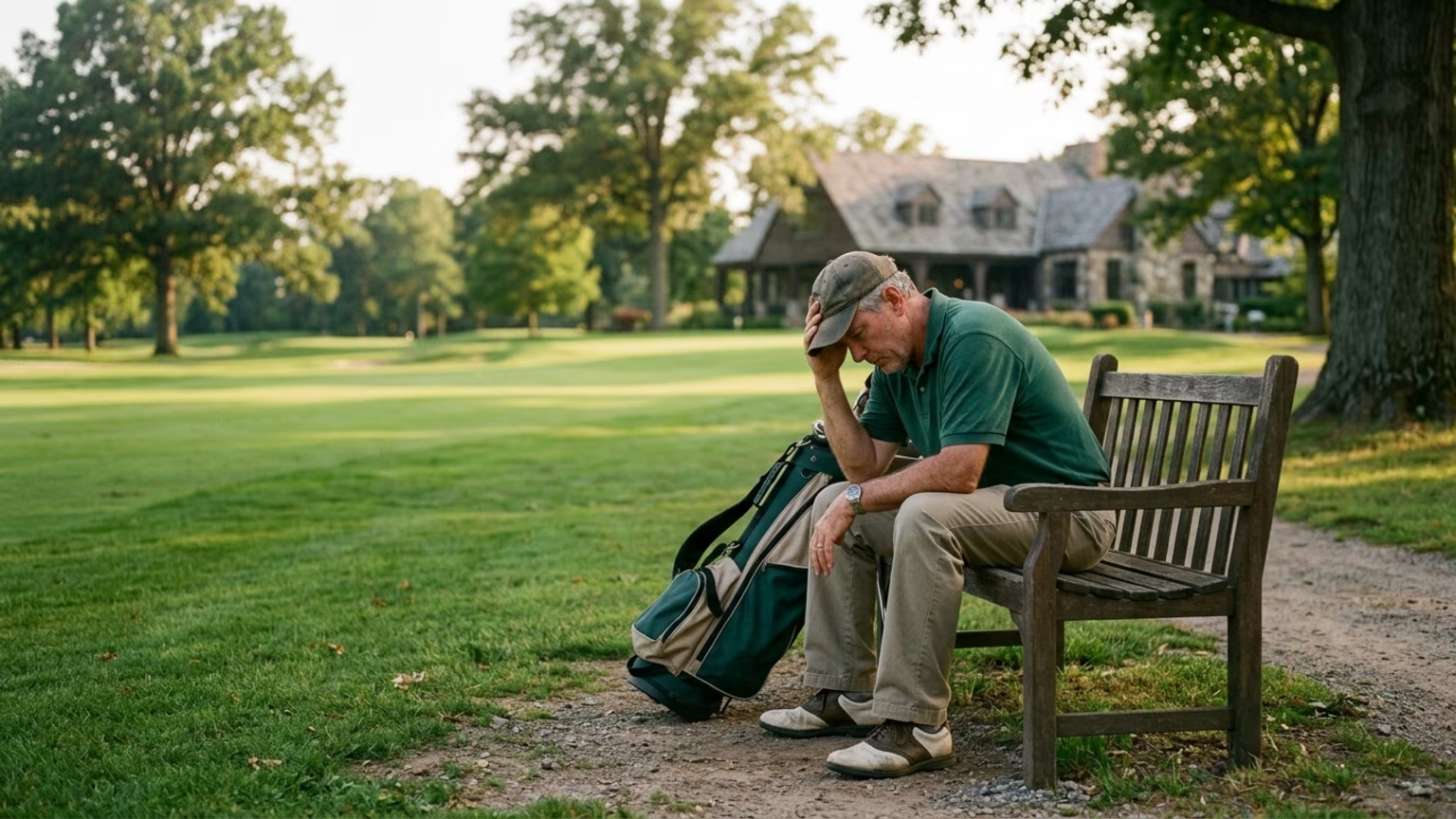
Learn how adequate sleep, sensible workload management, and strategic rest periods reverse overtraining and protect older golfers from chronic fatigue and pain.

Learn how to stop mid-round back tightness with a practical recovery nutrition plan. We share how proper hydration and small snacks maintain your swing mechanics.
Explore practical resources on performance, recovery, mobility and golf longevity.
Read the Blog