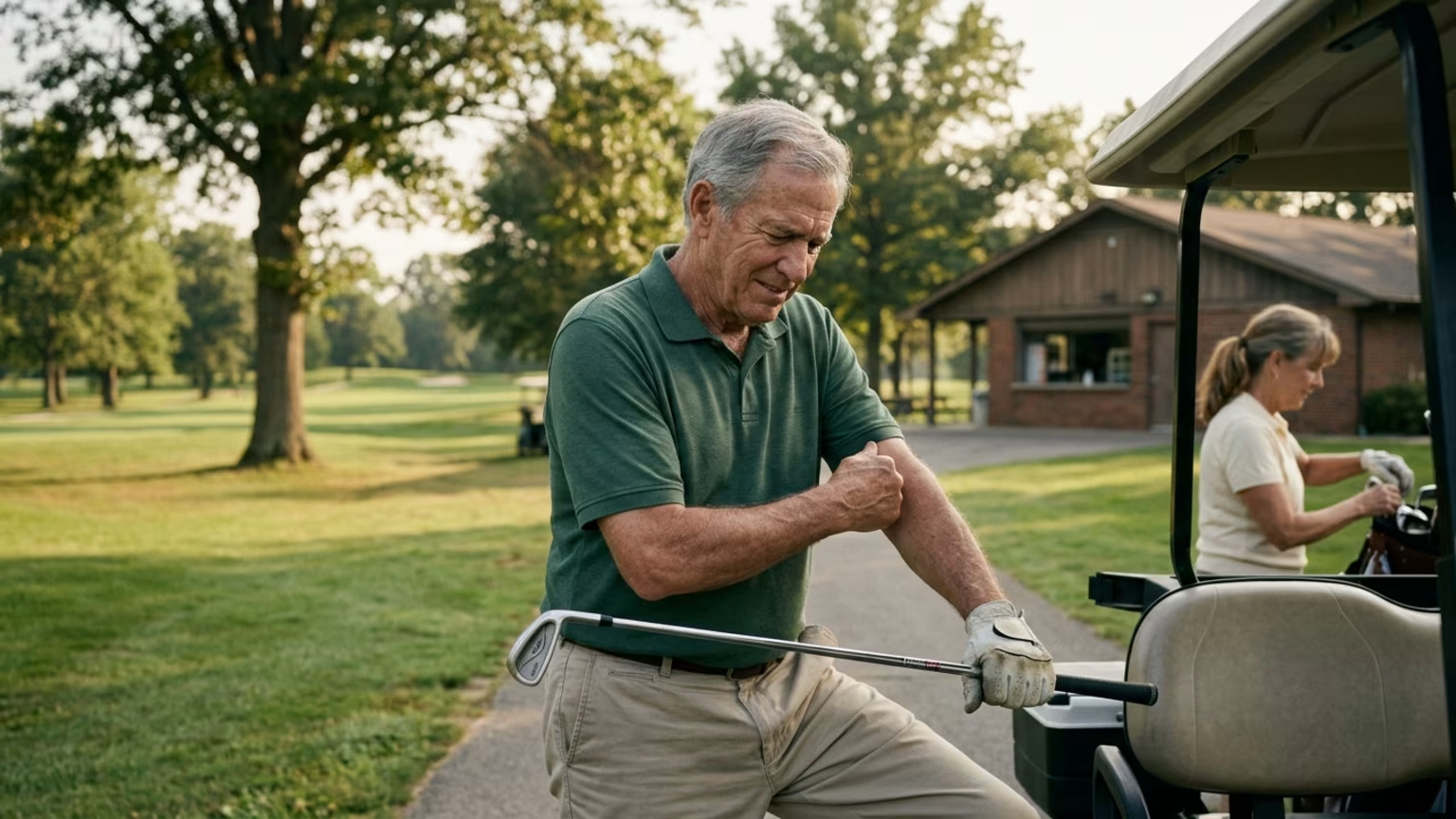

Learn how adequate sleep, sensible workload management, and strategic rest periods reverse overtraining and protect older golfers from chronic fatigue and pain.




On September 8, 2026, Fitcram published new guidance detailing the severe impacts of overtraining. The sports science platform outlined how persistent fatigue and non-restorative sleep point to overtraining syndrome. This condition causes a multisystem performance decline that continues even when a player reduces their practice volume. Fitcram warned that ordinary post-training tiredness is vastly different from this persistent physical exhaustion.
Their experts outlined clear warning signs that require immediate attention rather than simple programming tweaks. This guidance reflects a broader shift away from treating fatigue as a simple motivation problem. Players often ignore early symptoms and attempt to push through the exhaustion on the practice tee. Fitcram identifies several specific red flags that demand a swift shift in routine.
These include fatigue that persists even after a full rest day, disturbed sleep, and unusual changes in resting heart rate. Golfers might also notice mood changes or unexplained shifts in appetite and libido. When a performance decline happens alongside these symptoms, the issue has progressed beyond normal muscle soreness. Fitcram says the combination of several symptoms should lead to medical referral.
When we push our bodies through repeated golf rounds without adequate rest, our internal systems start to misfire. Fitcram explains that insufficient sleep directly affects glycogen replenishment. Glycogen acts as the primary fuel source for your muscles during a long round. Without proper levels, your perceived exertion spikes, meaning a normal golf swing suddenly feels incredibly heavy.
Poor sleep also slows your reaction time and impairs course management decisions. The hormonal environment necessary for muscle repair becomes compromised when we cut our rest short. Reduced immune function is another direct consequence of skimping on recovery. Ignoring the early signs of physical burnout can lead to serious internal stress over time.
Fitcram lists potentially urgent warning signs that indicate dangerous physiological limits. These include disproportionate pain or swelling and unusual muscle weakness. Players might even notice tea-colored or cola-colored urine, which points to myoglobin-related muscle damage. When extreme symptoms appear alongside high training volume, Fitcram advises seeking medical evaluation immediately.
Our bodies need profound rest to repair the micro-tears created by repeatedly swinging a golf club. Restoring optimal physical function requires a strict commitment to baseline recovery metrics. Fitcram recommends making sleep your absolute first recovery priority. Most adults require seven to nine hours of sleep per night to maintain basic physiological health.
Fitcram notes that people under heavy training loads potentially need the upper end of that range. This acts as a broad coaching recommendation, meaning some players might need even more rest based on their specific workload. If your sleep remains broken over several nights, your body cannot complete the necessary cellular repairs. Proper rest is the absolute bedrock of golf performance and longevity.
The saddest thing I have seen in golf is watching lifelong playing partners slowly drop out of our weekend group. It usually starts with a nagging shoulder or knee issue they ignore until it requires surgery. That pattern is exactly why Golfergy focuses so heavily on physical maintenance between rounds. Mature recreational golfers face a significant risk when they try to mask exhaustion with more practice.
We do not have to stop playing as we age, provided we do the right maintenance work between rounds. Older players often use conditioning programs to preserve swing speed, mobility, and balance. However, pushing through persistent pain carries hidden costs that can ruin a season. A 2026 review provided sobering context regarding how physical strain affects older adults over time.
The researchers found an association between pain and higher odds of sarcopenia-related outcomes in middle-aged and older adults. Sarcopenia involves the gradual loss of muscle mass and physical strength. The review authors noted substantial heterogeneity in the data and urged caution in interpreting some secondary analyses. Still, the underlying message for experienced recreational golfers remains clear.
Ignoring chronic pain and pushing past your physiological limits can accelerate a decline in overall physical capability. Protecting your body requires a structured approach to rest and workload management. Fitcram recommends using a planned deload to manage fatigue proactively. A deload involves a planned, temporary reduction in training volume or intensity, typically lasting about a week.
This tactic is incorporated into a periodized program to allow adaptation after a hard training block. Fitcram says this reduction can also be used reactively when early signs of non-functional overreaching appear. Instead of stopping all activity, you can simply reduce the specific movement pattern causing fatigue. Managing the load is just as critical as choosing the least straining way to transport your bag around the course.
You should also alternate hard and easy days to protect your joints and nervous system. Fitcram specifically recommends avoiding back-to-back maximal efforts. Stacking heavy gym sessions right before a strenuous walking round creates an unmanageable physical burden. Distributing your challenging sessions throughout the week prevents your body from falling into a deep recovery deficit.
As a minor secondary support, Fitcram presents pre-sleep slow-digesting protein to maintain amino-acid availability overnight. This minor nutritional step helps muscle protein synthesis, but Fitcram explicitly states it cannot replace actual sleep. Learning how strength and recovery habits shape performance makes a massive difference for weekend players. Many players believe that expensive technology is the secret to bouncing back quickly.
The latest research challenges the idea that passive recovery must be supplemented by complicated tools. A 2026 systematic review of physical recovery modalities in competitive sport analyzed 16 randomized controlled trials involving 273 participants. The review found no recovery modality examined could outperform passive recovery. Devices failed to show a clear advantage in treating delayed-onset muscle soreness, creatine kinase levels, or sport-specific performance.
Basic sleep and sensible workload management beat elaborate post-round protocols every time. If you want to understand more about managing your body, our recovery resources outline evidence-based habits that actually work. Monitoring your sleep quality and spacing out intense sessions will keep you on the course for years to come. Recognizing the difference between normal soreness and genuine exhaustion gives you the power to adjust your routine wisely.
Treating your rest as seriously as your swing mechanics is the true secret to longevity in this sport. What adjustments will you make to your weekly routine this season to steer clear of the overtraining trap?
Follow Golfergy for practical insights on performance, mobility, recovery and healthy ageing. Stay connected for new articles, research-led guidance and ideas to help you play better for longer.


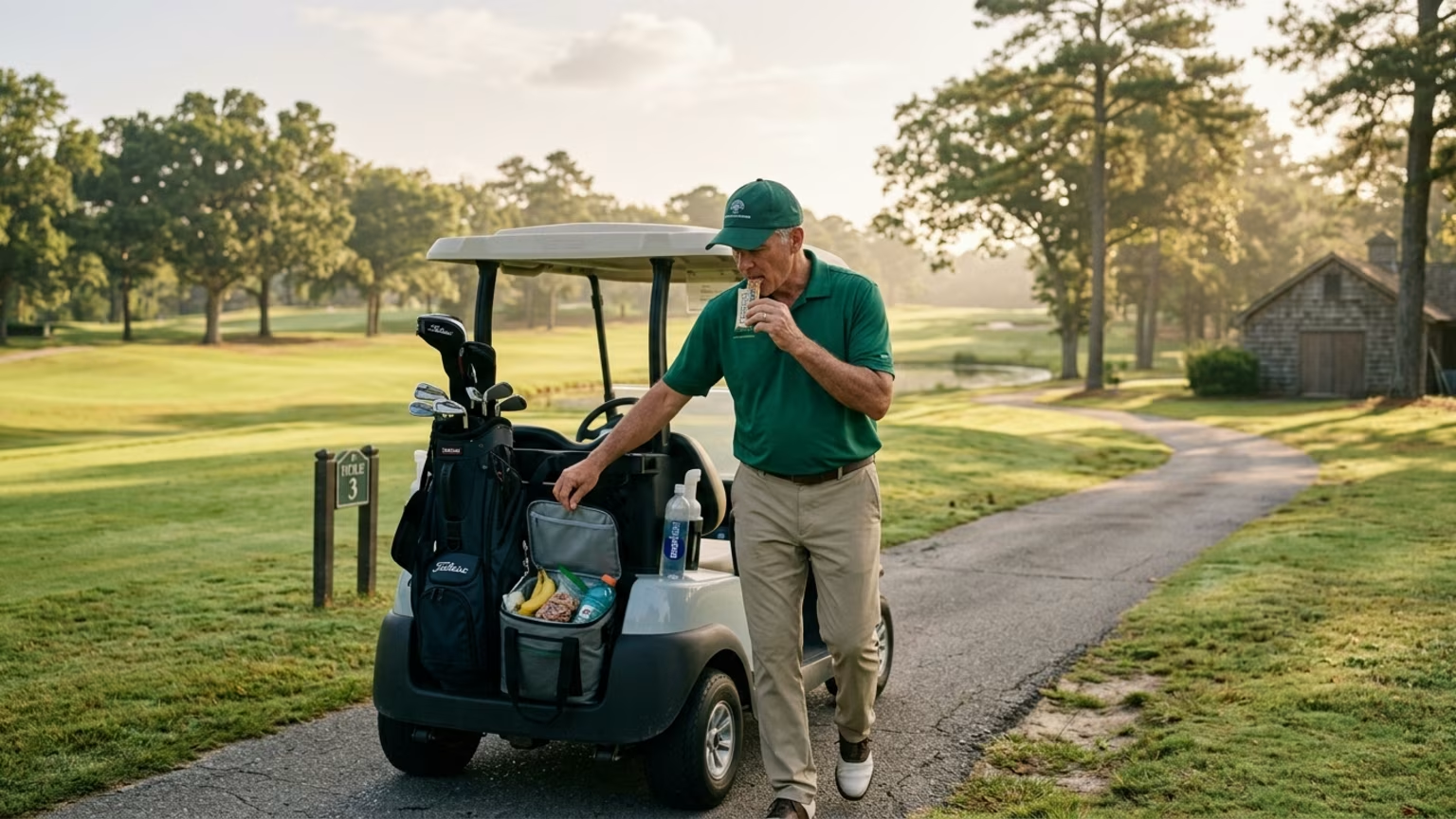
Learn how to stop mid-round back tightness with a practical recovery nutrition plan. We share how proper hydration and small snacks maintain your swing mechanics.


Recent findings from the University of Sydney show that consistent morning exercise may help shift sleep earlier, offering a practical recovery tool for golfers.

Private clubs are launching 16-week wellness cohorts focused on sleep, nutrition, and mobility. Learn how these programs protect golfers over 40 from injury.
Explore practical resources on performance, recovery, mobility and golf longevity.
Read the Blog