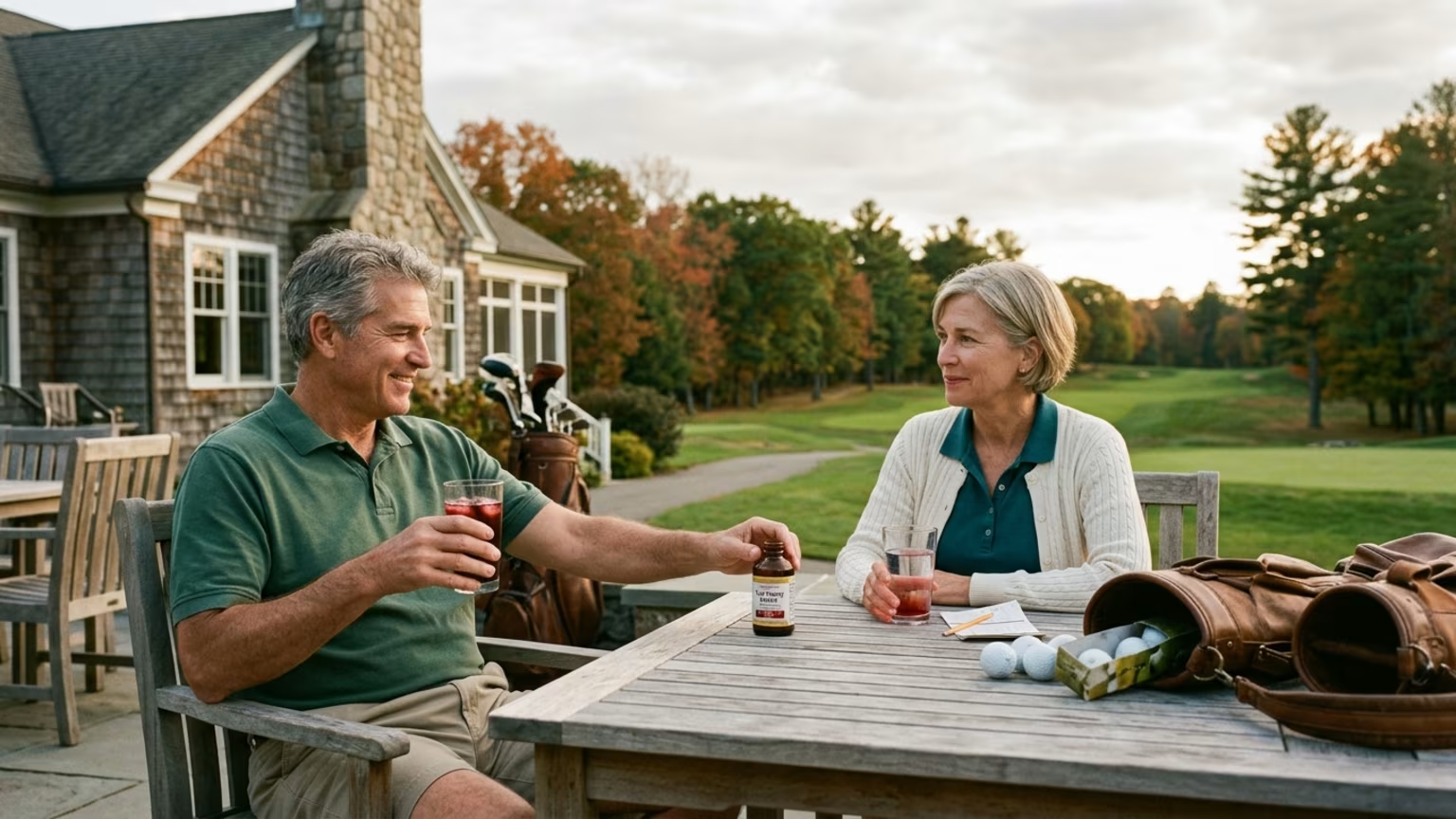

Explore how elite football's strategic use of tart cherry juice to manage oxidative stress and improve sleep translates to recovery protocols for older golfers.




On the opening day of the Premier League season, when Liverpool midfielder Florian Wirtz drank a deep-red cherry beverage from the bench during a 2-2 draw with Newcastle United, the broadcast captured a physiological strategy gaining significant traction. The Athletic reports that tart cherry products are becoming increasingly visible in elite football. This movement follows several years of adoption in endurance sports like professional cycling. Newcastle midfielder Sean Steur is also identified as an enthusiastic advocate of cherry juice for muscle support.
Amacx chief executive Gino Vierhouten notes that clubs including Chelsea, Manchester City, and Manchester United have used cherry products for some time. The primary objective for these athletes is the management of exercise-related oxidative stress during congested schedules. Vierhouten adds that AZ worked directly with Amacx to assess players' daily routines. This demonstrates a structural commitment to muscle repair across professional leagues.
Vierhouten argues that younger players increasingly view themselves as professional athletes rather than merely footballers. These athletes often arrive at their respective clubs already familiar with cherry juice and proactive recovery methods. This shift in mindset highlights a growing awareness of physiological maintenance. Recreational players can adopt a similar, proactive mindset to extend their playing years.
When we swing a golf club, our muscles absorb significant mechanical forces. The rapid rotational movement required to strike the ball generates friction and micro-tears within the muscle tissue. The force transfer from the ground up through your torso requires immense stability. This physical disruption happens primarily around the hips, obliques, and lower back.
This mechanical breakdown creates exercise-related oxidative stress and muscle discomfort in the hours following your round. In plain terms, the affected tissues become inflamed as the body initiates the natural cellular repair process. This inflammation causes the familiar soreness and stiffness experienced after a difficult walk. Playing another round the next day forces these tissues to contract repeatedly before the repair sequence is complete.
Experienced recreational golfers aged forty and older face a greater risk of compounded muscle soreness, while swinging with significantly less speed than elite athletes. As we age, our internal repair systems naturally slow down, and our tissues lose elasticity. The oxidative stress generated during a four-hour round lingers longer in the body. A younger player might bounce back seamlessly from back-to-back rounds, but the mature body requires more time to rebuild muscle fibers.
The saddest thing I have seen in golf is watching lifelong playing partners slowly drop out of our weekend group. It usually starts with a nagging shoulder or knee issue they ignore until it requires surgery. That pattern is exactly why I became obsessed with golf longevity. We do not have to stop playing as we age, provided we do the right maintenance work between rounds.
Implementing a sensible, science-backed recovery strategy is the only way to protect our joints and muscles. Elite sports adoption of targeted supplements offers a practical adjustment for your own post-round routine. The Athletic identifies Montmorency tart cherries as particularly relevant because of their polyphenol content. These polyphenols include anthocyanins, which are chemical compounds associated with antioxidant and anti-inflammatory activity.
To evaluate these properties, a Northumbria University study divided twenty marathon runners into cherry juice and placebo groups. A golfer could reasonably test this protocol during a short period of unusually high load, such as consecutive rounds or a club championship. Integrating this approach into your active recovery strategies can help reduce next-day stiffness. Amacx says it has received more regular inquiries from football clubs seeking nutritional advice than it did two years earlier.
One of the secondary benefits noted in the reporting is the potential for improved rest. The article says naturally occurring melatonin in dark cherries may help reduce the time needed to fall asleep, particularly after late-evening events. However, consuming large liquid servings before bed introduces a logistical problem. Large late-night servings of liquid cherry products can be inconvenient because they increase urination, interrupting the sleep cycle.
To address this hydration issue, Amacx developed cherry gummies with football-club input. The commercial market has become more crowded over the past fifteen years, with brands like SiS, Healthspan, HSN, and Enervit offering various formats. Older golfers should check product labels carefully to find a delivery method that supports a targeted recovery protocol without causing bathroom trips. Finding the right format helps you wake up rested for your next tee time.
The reported football use does not provide a validated serving size, concentration, product standard, or precise timing recommendation. There is no universally validated dose directly transferred to recreational golfers aged forty and older. A simple self-monitoring approach involves recording your morning stiffness, soreness, and next-day walking comfort. Tracking these basic metrics can help you decide whether a cherry supplement is a worthwhile addition to your tournament preparation.
A common mistake is assuming that antioxidants should be taken continuously to manage this physical toll. Harde of Amacx says the key question is whether an athlete is seeking rapid recovery or long-term training adaptations. Cherry products are intended to be used strategically rather than automatically every single day. If you are completing off-season strength training to build muscle resilience, blunting the inflammatory response daily might actually interfere with natural tissue adaptation.
Your body relies on minor inflammation to signal muscle growth and strength development after training. Masking that signal during a dedicated practice block can halt your physical progress. The objective is to preserve the beneficial stress of a gym workout while deploying supplements only when tournament schedules demand immediate physical relief. What adjustments will you make to your mobility routine this season to steer clear of this hazard?
Follow Golfergy for practical insights on performance, mobility, recovery and healthy ageing. Stay connected for new articles, research-led guidance and ideas to help you play better for longer.


A practical guide to recurring golf pain, warning signs and when to pause for medical advice, without self-diagnosing or forcing a stretch.


Build a familiar post-round meal or snack around appetite, carbohydrate and protein foods, without strict timing rules or promises of better scores.
Plan sleep around early tee times with regular schedules, calming habits and realistic expectations, without treating general advice as a golf formula.
Explore practical resources on performance, recovery, mobility and golf longevity.
Read the Blog