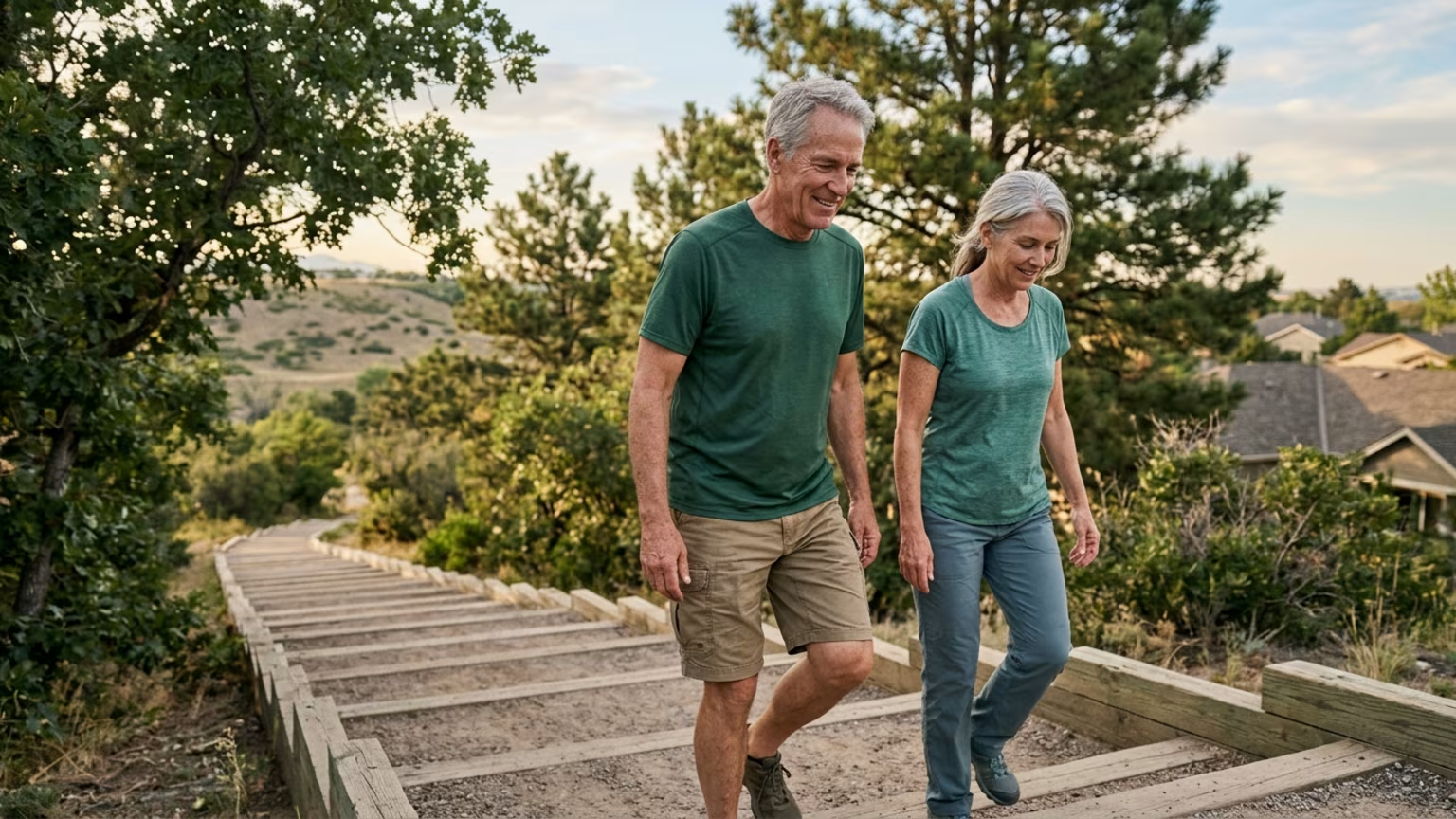

A 2026 study linked daily stair climbing to a 39 percent lower cardiovascular mortality risk. Learn how this simple habit can protect your late-round golf stamina.




In August 2026, when researchers published a massive systematic review in the American Journal of Cardiovascular Drugs, the golf fitness community took notice of a very simple daily habit. The study examined the relationship between regular stair climbing and both cardiovascular disease and all-cause mortality. The research team looked at data across 480,479 participants. These individuals ranged in age from 35 to 84.
The review included both generally healthy people and those with a history of heart problems. Researchers tracked the health outcomes over a median follow-up period of 14 years. Fifty-three percent of the study participants were female. For older golfers who want to keep walking the course without excessive fatigue, this study presents a compelling reason to reconsider the elevator.
Walking a hilly golf course requires constant lower body effort. Your legs must repeatedly produce force to climb slopes. They also stabilize your posture on uneven lies and support your rotational speed. When leg muscles fatigue during the back nine, your body naturally starts to compensate to keep you upright.
The physical mechanics of the golf swing rely heavily on stable hips and strong legs to transfer energy. The ground reaction forces start at your feet and travel upward through your core. If those lower body muscles are tired, you often lose your posture during the downswing. This structural collapse can lead to improper pelvic tilt and a severe loss of rotational flexibility.
When your legs lose their stamina, your hip rotation slows down significantly. The golf swing requires your hips to clear out of the way on the downswing. If fatigue prevents this rotation, your arms will take over the movement. This often results in a steep, over-the-top swing path that produces weak slices.
In our experience, the saddest thing we see is watching lifelong playing partners slowly drop out of our weekend group. It usually starts with a nagging shoulder or knee issue they ignore until it requires surgery. That pattern is exactly why our team at Golfergy became obsessed with golf longevity. We do not have to stop playing as we age, provided we do the right maintenance work between rounds.
Building leg endurance away from the course keeps those late-round swing faults at bay. A tired golfer often relies too heavily on their arms and lower back. This physical compensation makes the swing less efficient and much more taxing on the joints.
If you struggle with fatigue, a simple walking routine can help condition your body for the back nine.
Recreational players over 40 often face a higher risk of cardiovascular strain than elite touring professionals. Most amateur players spend much of their weekdays sitting at desks or commuting in cars. This sedentary lifestyle decreases our cardiovascular baseline over time. It also weakens the glutes and quadriceps that we need for a stable golf swing.
When the weekend arrives, we suddenly ask those undertrained muscles to carry us for four hours across uneven terrain. This sudden spike in demand creates a significant vulnerability gap. The new systematic review found that people who regularly climbed stairs had a 39 percent lower relative risk of cardiovascular death. They also showed a 24 percent lower relative risk of death from any cause compared with infrequent stair climbers.
These statistics highlight the physical cost of a highly sedentary routine. Professional golfers train their cardiovascular systems daily to handle the rigors of competition. Amateurs often expect their bodies to perform without providing that same foundational support. The study findings suggest that building small bouts of effort into our daily lives can help bridge that gap.
Older amateur players also face natural age-related muscle decline. We lose muscle mass and power output as we get older. This makes it harder to recruit fast-twitch muscle fibers on the tee box. When combined with a lack of cardiovascular endurance, this muscle loss makes the final few holes of a round feel like a marathon.
Understanding your physical limits is a smart step, which is why recognizing cardiovascular risks remains a key part of protecting your long-term game.
Using everyday opportunities to climb stairs is a highly practical way to supplement your structured exercise. This simple habit helps maintain the leg strength and cardiovascular resilience needed for golf. One study sub-analysis associated approximately six flights of stairs per day with particularly favorable cardiovascular results. That translates to roughly 60 to 70 steps of vertical effort.
You can easily add this movement by choosing the stairs at your office or in a parking structure. Taking the stairs at the golf clubhouse is another excellent way to warm up your legs. To start safely, focus entirely on controlled movements rather than speed. The study authors did not establish a universal target for every single person.
Begin with a manageable number of flights and listen to your body. Stop immediately if you feel unusual breathlessness or chest discomfort. Use the handrail to maintain balance, especially if you have knee or hip concerns. Safe movement matters far more than rushing to the top of a staircase.
Your cardiovascular system responds well to short bursts of elevated heart rate. These small bouts of movement keep your blood flowing and engage your lower body muscles throughout a sedentary day. By the time you reach the golf course on Saturday, your legs are already accustomed to bearing weight and climbing inclines.
Building consistency is much more valuable than attempting a sudden high-volume challenge. Treat these short vertical walks as optional daily conditioning rather than a grueling test of toughness. You can also protect your swing mechanics by following a focused 15-minute mobility routine at home.
It is easy to overstate the power of one specific habit. Opel Baker, a general practitioner not involved in the research, cautioned against viewing the findings as absolute proof. Baker noted that the results should not be presented as proof that stairs independently prevent heart disease. The study findings are associations rather than absolute guarantees of causation.
People who regularly use stairs might simply be fitter or more active overall. They might also be less burdened by conditions that make climbing difficult. Sophie Paddock, one of the study authors, noted that habitual stair climbing is likely part of a broader pattern of physical fitness. It should not be viewed as an isolated cure for cardiovascular decline.
The evidence base in the systematic review also had some measurement limitations. Many of the included studies relied entirely on self-reported stair use. They often assessed stair climbing inconsistently and did not use wearable trackers to objectively measure the actual activity. These limitations mean we should treat the findings as encouraging guidelines rather than rigid medical prescriptions.
Vassilios Vassiliou, another study author, placed stair climbing within a wider prevention strategy. That strategy includes maintaining a healthy weight and managing blood pressure. It also involves eating a healthy diet and avoiding smoking. Paul Drury, an outside cardiologist, added that one to two-minute bursts of movement performed several times a day can accumulate nicely over a week.
Stair climbing can place additional stress on your leg joints. The movement might be inappropriate for people dealing with osteoarthritis or impaired mobility. For older adults who cannot safely manage stairs, experts suggest several accessible alternatives. Brisk walking and cycling are both excellent options.
Swimming and rowing also offer fantastic cardiovascular benefits without the harsh impact. You might also try adapted seated exercises or strength movements like sit-to-stands. Building a holistic plan is a priority, so consider setting up a weekly healthy ageing routine that covers multiple aspects of fitness.
Adding small bursts of movement to your day does not require a gym membership or hours of free time. It only takes a conscious choice to skip the elevator when your body feels up to the task. What adjustments will you make to your daily routine this season to steer clear of late-round fatigue?
Follow Golfergy for practical insights on performance, mobility, recovery and healthy ageing. Stay connected for new articles, research-led guidance and ideas to help you play better for longer.


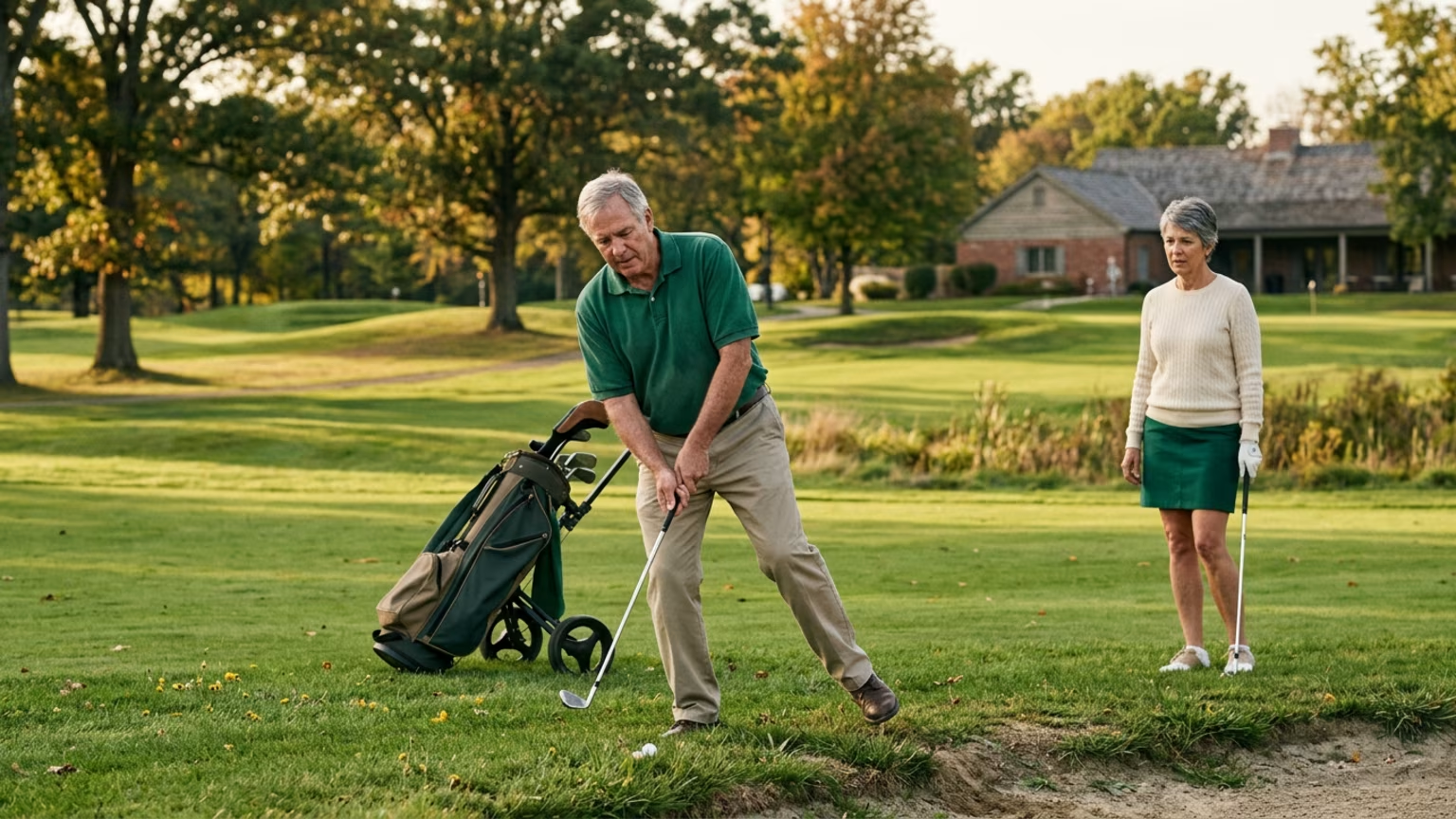
Learn how older golfers can adapt the Fall Prevention Foundation's new exercise guidance to build balance, leg strength and stability for the course.

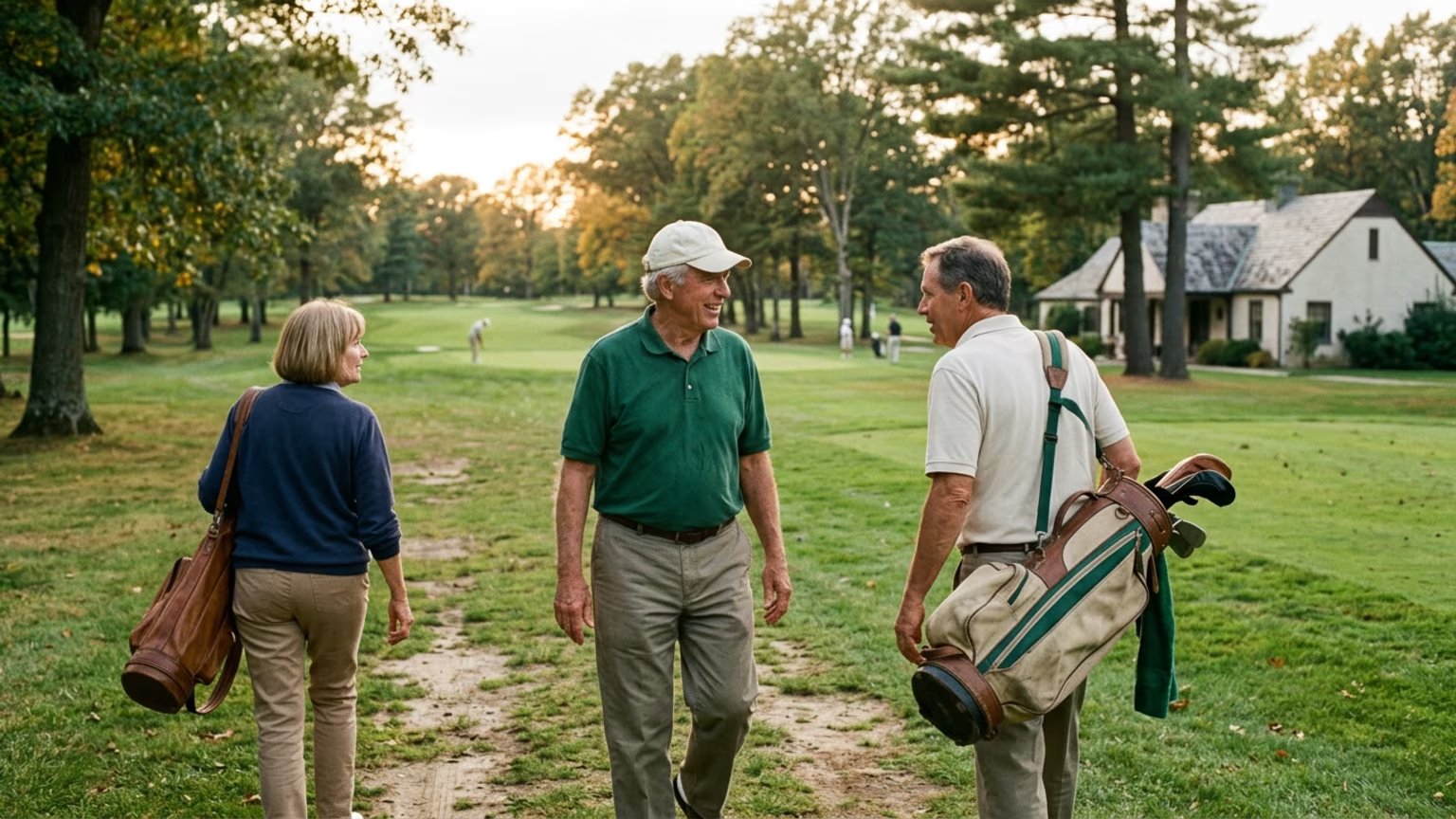
Learn how a new NIH-funded clinical trial on ketone esters highlights the importance of strength and mobility routines for protecting your golf longevity.

We examine a 2026 Cell Metabolism report on protein restriction and explain why older golfers must prioritize muscle retention and adequate protein intake.
Explore practical resources on performance, recovery, mobility and golf longevity.
Read the Blog

