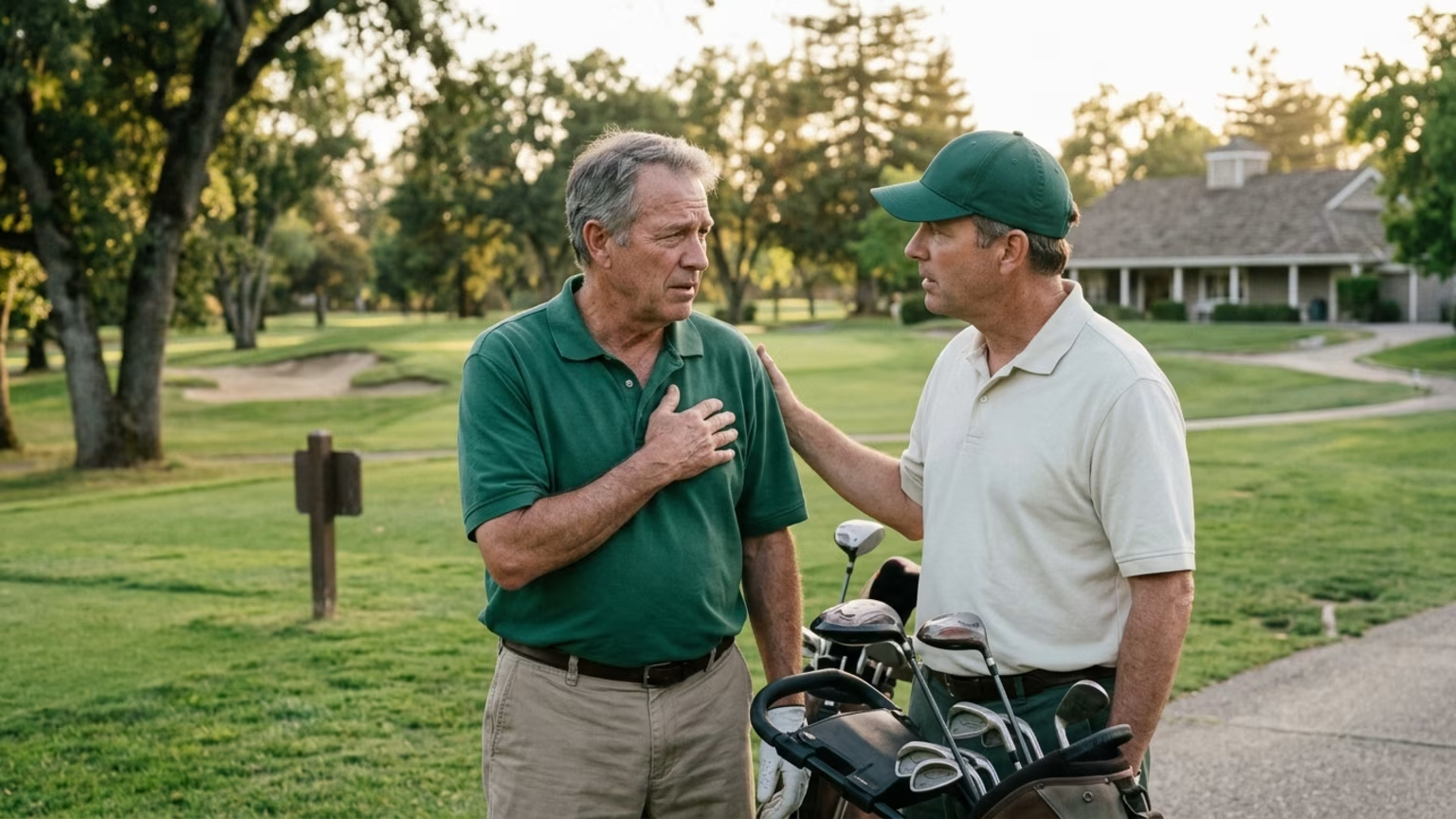

An American Heart Association case report offers older golfers a crucial reminder to monitor cardiovascular risks and recognize sudden neurological warning signs.




On September 10, 2026, the American Heart Association News published an account titled "A quick turn on the field led to a life-changing stroke." The article reports that a soccer player named Brian was at midfield when his symptoms began. He made a quick turn to chase the ball and immediately noticed that his mouth had gone dry. While this specific event happened during a soccer game, it serves as a crucial health reminder for any active adult.
The available information does not establish that the sudden turn actually caused the stroke. Physical movement may have simply been the exact moment when his symptoms became noticeable. Dry mouth alone is not a standalone diagnostic sign of a stroke. It can happen from heavy exertion, sudden anxiety, or simple dehydration.
However, the abrupt onset of symptoms during an athletic event highlights how quickly a medical emergency can present itself. Experienced recreational golfers can use this story to rethink their own safety habits. Monitoring your body on the course is a nonnegotiable part of playing safely as you age. Recognizing warning signs early can make a massive difference in your long term health.
Understanding the physical reality of cardiovascular health is vital for older golfers. When you walk a golf course, your heart pumps harder to supply oxygen to your working muscles. The physical demand of the golf swing also temporarily increases your blood pressure. Sometimes, an underlying cardiovascular issue goes unnoticed until physical activity pushes the heart to work harder.
The American Heart Association notes that an exercise stress test can show how the heart responds to physical activity. This test evaluates changes in blood pressure, physical symptoms, and overall exercise capacity. These evaluations help doctors see how the cardiovascular system handles the exact type of strain you experience. Keeping your heart capable of meeting these demands is a major part of healthy aging.
Older players need to respect the mechanical load that a four hour round places on their bodies. The sudden turn in the soccer game might have triggered a shift in blood flow, or it may have been entirely coincidental. Regardless of the exact trigger, the physical demands of any sport require a capable cardiovascular system. Adapting to an aging shift in physical capacity means staying proactive about your heart health.
If a cardiovascular event does occur, the recovery process follows specific protocols. The American Stroke Association published a new 2026 adult rehabilitation guideline. This updated framework focuses on personalized recovery and broader care for physical, cognitive, communication, and emotional needs. The guideline states that rehabilitation should begin in the hospital once the patient is medically stable.
Ideally, this rehabilitation process starts within 48 hours of the event. However, the early stages of recovery require extreme caution. The same American Heart Association guidance cautions that moderate to high intensity exercise should be avoided during the first 24 hours. Task practice is also restricted during this initial window.
Rehabilitation must be delivered by a coordinated multidisciplinary team to monitor for complications like depression and anxiety. Stroke recovery is highly individualized, and there is no universal timetable for a return to athletic activity. You must follow a structured plan that matches your specific medical situation. Rushing back to the first tee before your body is ready invites unnecessary risk.
Golfers over 40 face unique challenges when it comes to recognizing cardiovascular risks. Walking a hilly course in the summer heat creates significant fatigue. It is easy to write off dizziness or a dry mouth as a normal part of getting older. Many players assume they are just out of shape or tired from a long week.
This mindset is dangerous because it masks the potential warning signs of a serious problem. The American Heart Association exercise guidance identifies dizziness and fatigue among possible early warning signs of dehydration. These symptoms overlap heavily with more serious neurological or cardiovascular events. An older golfer might mistakenly blame a sudden loss of coordination on simple heat exhaustion.
Ignoring a sudden headache or facial asymmetry can delay life saving medical treatment. You must treat any abrupt neurological change as an absolute emergency rather than an excuse to sit in the shade. Managing physical strain to keep aging golfers on the course requires you to separate normal fatigue from actual medical distress. Pay close attention to how your body responds to the back nine.
Taking practical steps to monitor your health will keep you playing safely for years. Start by making cardiovascular risk review a central piece of your longevity plan. The American Heart Association says its PREVENT equations can help people and clinicians identify risks for heart attack, stroke, and heart failure before symptoms develop. Ask your doctor about these equations during your next routine medical checkup.
Understanding your baseline numbers is the best way to catch problems early. Next, manage your heat exposure deliberately every time you play. The American Heart Association advises people to drink water before, during, and after physical activity. Do not wait until you feel thirsty on the back nine to start hydrating.
Keep a water bottle in your bag and take small sips on every tee box. Proper hydration keeps your blood volume stable and reduces the overall strain on your heart. Lastly, never automatically blame unusual symptoms on the physical exertion of your round. If you experience unexplained fatigue, severe dizziness, or a sudden decline in coordination, stop playing immediately.
Move to a safe location and seek professional medical advice. Golf is a demanding sport, and you must prioritize your safety over finishing the round. Having a plan in place helps you react quickly if a playing partner experiences a sudden health issue. A fast response can prevent a bad situation from becoming much worse.
A common mistake is assuming that a cardiovascular event automatically ends your playing days forever. The 2026 American Stroke Association guideline clearly supports early and individualized rehabilitation. The goal is to restore function through coordinated care, rather than prescribing indefinite bed rest. Resting completely for months is no longer the default medical advice once a patient achieves medical stability.
Active recovery is a proven path forward. However, returning to the course requires a highly personalized medical plan. The current guidance does not authorize an automatic return to walking 18 holes or swinging at full speed. Your doctor must clear you for athletic activity based on your specific recovery progress.
Practical health monitoring strategies consistently highlight this cautious, step by step approach. Patience during the early phases of rehabilitation protects your long term ability to play. You should only advance your physical activity when your multidisciplinary care team approves the progression. Taking shortcuts in your recovery will only keep you off the course longer.
Golf remains one of the best ways to stay active as you age. Protecting your health requires attention to the warning signs and regular communication with your doctor. Being prepared for a medical situation on the course gives you the confidence to enjoy your game without unnecessary worry. What adjustments will you make to your health monitoring routine this season to steer clear of this hazard?
Follow Golfergy for practical insights on performance, mobility, recovery and healthy ageing. Stay connected for new articles, research-led guidance and ideas to help you play better for longer.


Learn how golfers over 40 can accelerate muscle recovery using exact protein timing, balanced meals, and sensible hydration based on new medical guidance.

A 2026 evidence review shows that sleep, nutrition, and planned rest days outperform popular golf recovery tools like ice baths and massage.
Explore how elite football's strategic use of tart cherry juice to manage oxidative stress and improve sleep translates to recovery protocols for older golfers.
Explore practical resources on performance, recovery, mobility and golf longevity.
Read the Blog