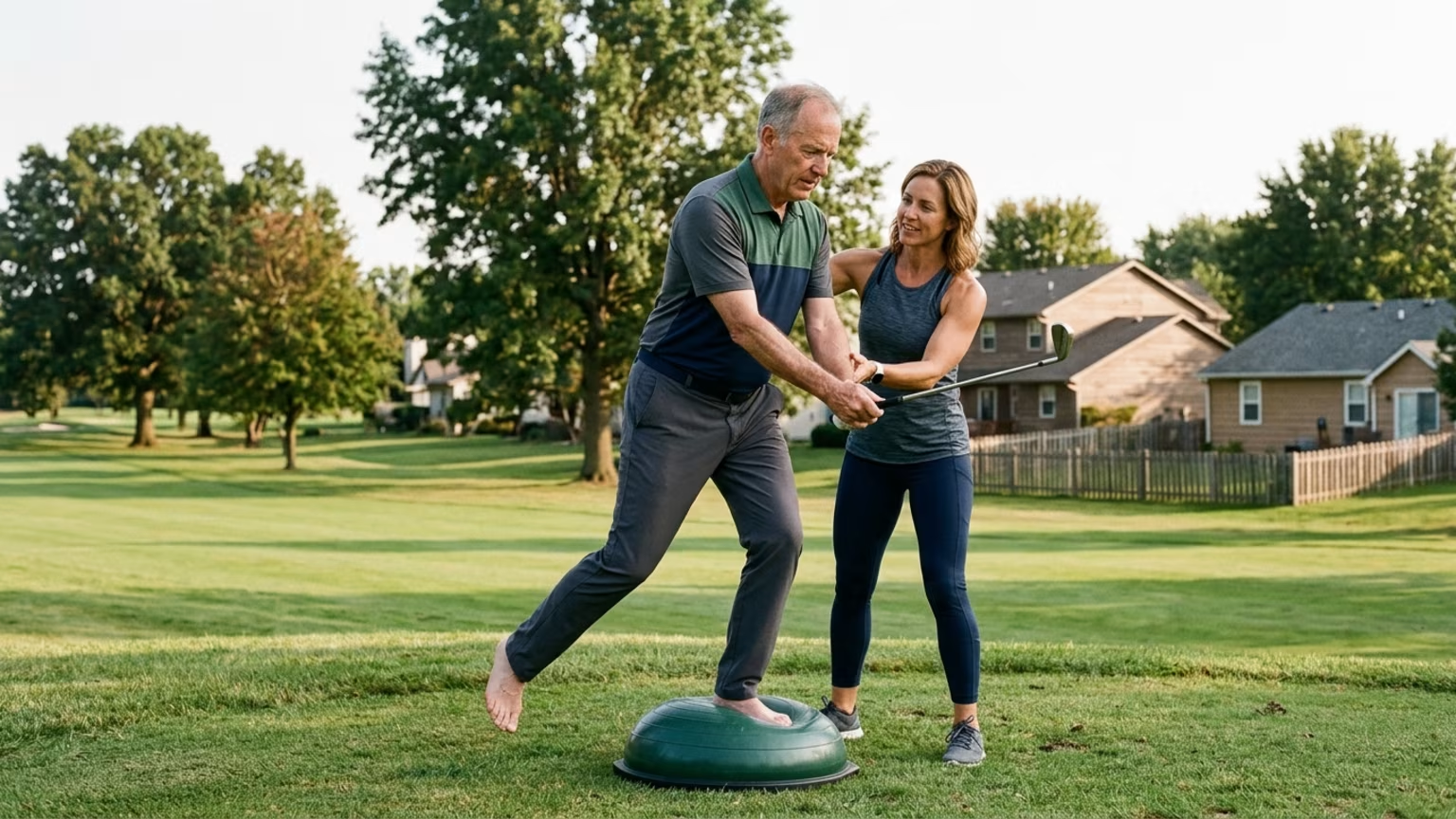

Learn practical, low-load recovery systems for older golfers to maintain mobility, reduce joint stiffness, and extend playing years without expensive gadgets.




Taking 15 minutes for light stretching and relaxed swings before teeing off is a recommended habit that could save your season. A golf professional recently highlighted this basic step over jumping straight into full-force swings. This simple preparation gives your muscular system time to warm up for rotational forces. Many older players skip this phase entirely and suffer the next morning.
Tissue elasticity changes significantly as we age. A proactive approach to warming up is the first step in a successful maintenance cycle. Relying solely on quick fixes often leads to chronic stiffness. Proper preparation sets the tone for a pain-free round.
The retail market is filled with products promising rapid relief for tired muscles. American Golf recently listed products from the UK performance-wellness brand Ten Percent Club. This lineup included electrolyte sachets, sleep and recovery formulas, magnesium, creatine and other supplements. The retailer coverage describes Ten Percent Club’s electrolyte products as targeting hydration, energy, focus and muscle function.
These descriptions are squarely aimed at supporting prolonged activity and hot conditions. These claims represent the brand’s product positioning rather than independent proof of effectiveness. You cannot simply buy your way out of a stiff lower back with electrolyte powders alone. A sustainable system requires active physical management and dedicated rest.
Retail items can only support an existing routine of deliberate movement. Focusing on the fundamentals will always yield better long-term results. The core pillars of sleep and adequate hydration remain your strongest tools. Spending money on fancy powders is useless if you are not resting well.
The saddest thing I have seen in golf is watching lifelong playing partners slowly drop out of our weekend group. It usually starts with a nagging shoulder or knee issue they ignore until it requires surgery. That pattern is exactly why I became obsessed with golf longevity. We do not have to stop playing as we age, provided we do the right maintenance work between rounds.
Managing your weekly physical workload becomes entirely non-negotiable. The physical toll of carrying clubs adds up over the miles. An orthopedic surgeon advises golfers to stretch, warm up gradually, use appropriate equipment and pay attention to technique before playing. The same article recommends considering a pushcart or golf cart instead of carrying a heavy bag for 18 holes.
This advice is critical when bag weight creates additional strain on the spine, shoulders or hips. It is simply about matching your equipment choices to your current physical capacity. Refusing to adjust your habits often leads to preventable injuries. Older players frequently underestimate the repetitive stress of a weekly round.
The impact forces from walking uneven terrain add considerable fatigue to your joints. Choosing a pushcart removes a significant compressive load from your spine. You can find out more about adjusting your habits through our recovery guides. Small changes in your routine pay massive dividends by the eighteenth green.
Building a resilient body takes consistent work away from the practice tee. A sports-injury prevention review aimed at senior golfers recommends maintaining hip, shoulder and spinal mobility outside the course. This plan involves adding resistance training and core work to your weekly schedule. The review advises using varied movement rather than relying on golf swings as the only form of exercise.
Swinging a club creates asymmetric wear on the body. You must counter this by moving in different planes of motion. Mobility alone is not a complete solution. A golf-injury prevention article from Movement Driven argues that mobility training should be combined with strength and coordination.
This combined approach means that newly available range of motion can be controlled during the swing. When practicing these movements at home, focus entirely on turning your trail hip. Keep the motions slow and deliberate to build genuine neuromuscular control. Rushing through your exercises will only limit their effectiveness.
Building functional strength helps absorb the violent forces of a golf swing. Core work creates a stable base for your arms and shoulders to operate safely. Incorporating basic resistance training into your week builds a protective layer for your joints. Consistency with moderate loads will improve your course endurance tremendously.
Your specific recovery plan must match the frequency of your play. The Movement Driven article recommends light mobility work and other low-load recovery methods for golfers playing on consecutive weekends. This approach keeps the body active without adding unnecessary fatigue. The same article suggests more targeted care and programming when rounds are spaced farther apart but carry greater importance.
You must listen to your body and scale your effort appropriately. A rigid schedule will inevitably lead to overtraining. Sometimes home routines are simply not enough to solve a lingering issue. The senior injury review recommends professional assessment when a golfer has persistent pain.
This step is also advised if a player wants individualized injury-prevention advice. Seeking help from a physical therapist or trainer familiar with golf provides a much safer path forward. They can identify specific weaknesses that you might not notice on your own. Guessing at a diagnosis is a recipe for prolonged time away from the game.
Recreational players should avoid comparing their recovery timelines to younger professionals. A healthy target is waking up the day after a round with minimal joint stiffness. Using active recovery strategies helps flush out muscle fatigue safely. Setting realistic benchmarks keeps you motivated without risking acute injury.
Numbers do not lie: investing 15 minutes into your pre-round routine is the ultimate equipment upgrade. You can certainly test out retail supplements for a small boost in daily focus. True longevity comes from maintaining strength and intelligently controlling your physical workload.
By treating your physical preparation as an adaptable system, you keep the stiffness at bay. This approach keeps you in the weekend group for many years to come. Proper rest is the silent engine driving your performance. Protect your recovery time to protect your score.
Follow Golfergy for practical insights on performance, mobility, recovery and healthy ageing. Stay connected for new articles, research-led guidance and ideas to help you play better for longer.


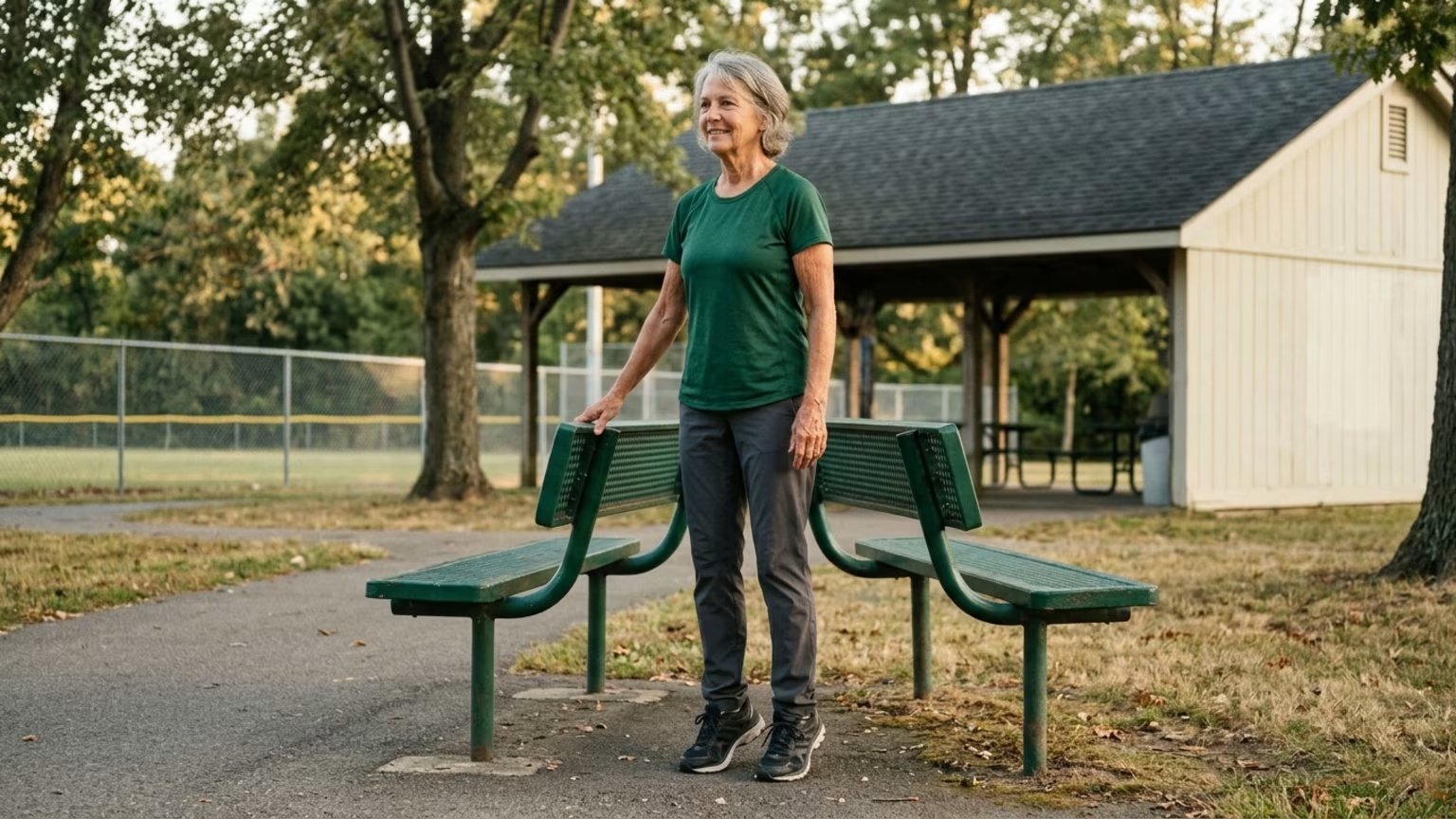
Learn how a simple heel raise routine can help older golfers improve lower leg strength, maintain course stability, and support a strong foundation for the swing.

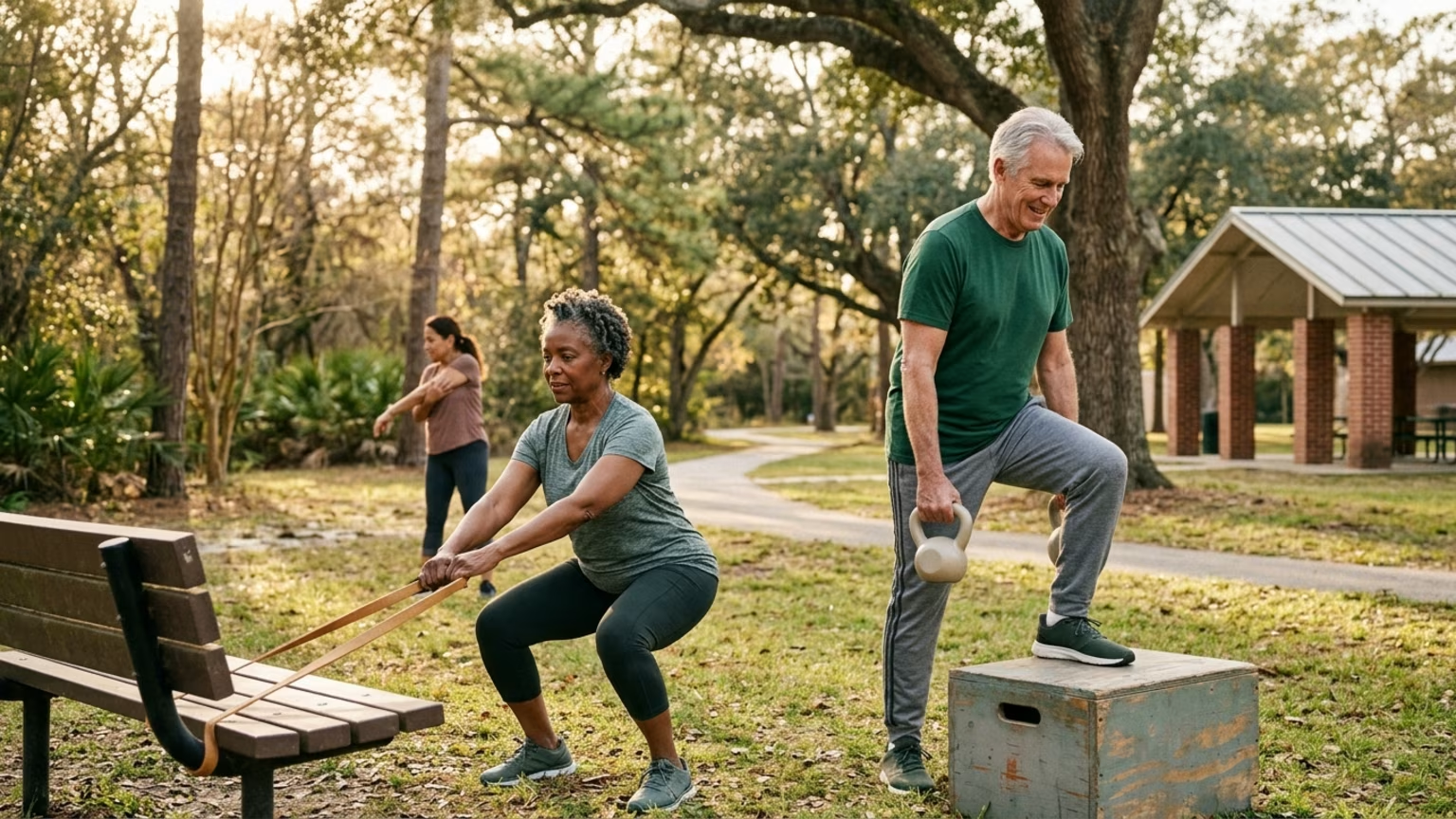
Muscle strength serves as a physical retirement asset for golfers over 40. Resistance training and simple protein guidelines help preserve course mobility.

A practical guide to strength training for senior golfers. Learn how to safely build muscle, protect your joints, and maintain swing stability after age 40.
Explore practical resources on performance, recovery, mobility and golf longevity.
Read the Blog