
Life Time's ARORA program expansion highlights the value of multi-component fitness. Learn how older golfers can adapt this format for mobility and longevity.




On September 17, 2026, Life Time announced that its ARORA program for adults aged 55 and older is expanding as participation in active-aging programming grows. The program launched in 2022 and provides strength training, mobility and balance work. It also features pickleball, swimming, educational workshops and social activities. These community additions include coffee clubs, book clubs and game groups.
Life Time reported that the number of ARORA classes increased 9% in 2025 compared with 2024. Average class size has grown from nine participants at launch to 22 participants currently. ARORA programming is available at most Life Time locations and is included with a Life Time membership. Life Time operates more than 195 athletic country clubs across the United States and Canada, according to company information repeated in secondary coverage.
Golf places unique physical demands on the body as we age. An 18-hole round requires repeated walking over uneven terrain, single-leg stability and rotational movement. During the golf swing, your lower body must generate force while your trunk manages rapid rotation. When muscles lose their capacity to produce force, joints take on excess load during the downswing.
When a hip joint loses its internal rotation, the lower back is forced to absorb the torque of the downswing. The lumbar spine is designed for stability rather than rapid twisting. Repeatedly twisting a tight lower back creates friction and inflammation in the surrounding tissues. Consistent off-course work prevents these tissues from tightening and protects the spine from bearing the brunt of the rotational force.
The recent Life Time announcement cited a National Institutes of Health study regarding physical activity. The study found that adults who met aerobic-activity guidelines had a 13% lower risk of death than less-active peers. The company also cited an AARP Longevity Economy Outlook 2026 claim regarding market influence. That report noted adults aged 50 and older account for 56% of household consumer spending.
A 2026 systematic review of resistance-training trials in older adults with sarcopenia further highlights the physical benefits of movement. That review evaluated six randomized controlled trials involving 221 participants. It found improvements in the Timed Up and Go test and the Short Physical Performance Battery. These functional balance measures translate directly to navigating a golf course.
Golfers over 40 face a significant risk of joint and muscle issues while swinging with far less speed than the pros. Aging naturally reduces our muscle mass and dynamic balance if we do not actively train them. Without structured resistance and balance work, recreational players slowly lose the capacity to stabilize their posture late in a round. A loss of lower-body stability forces the upper body to compensate during the swing.
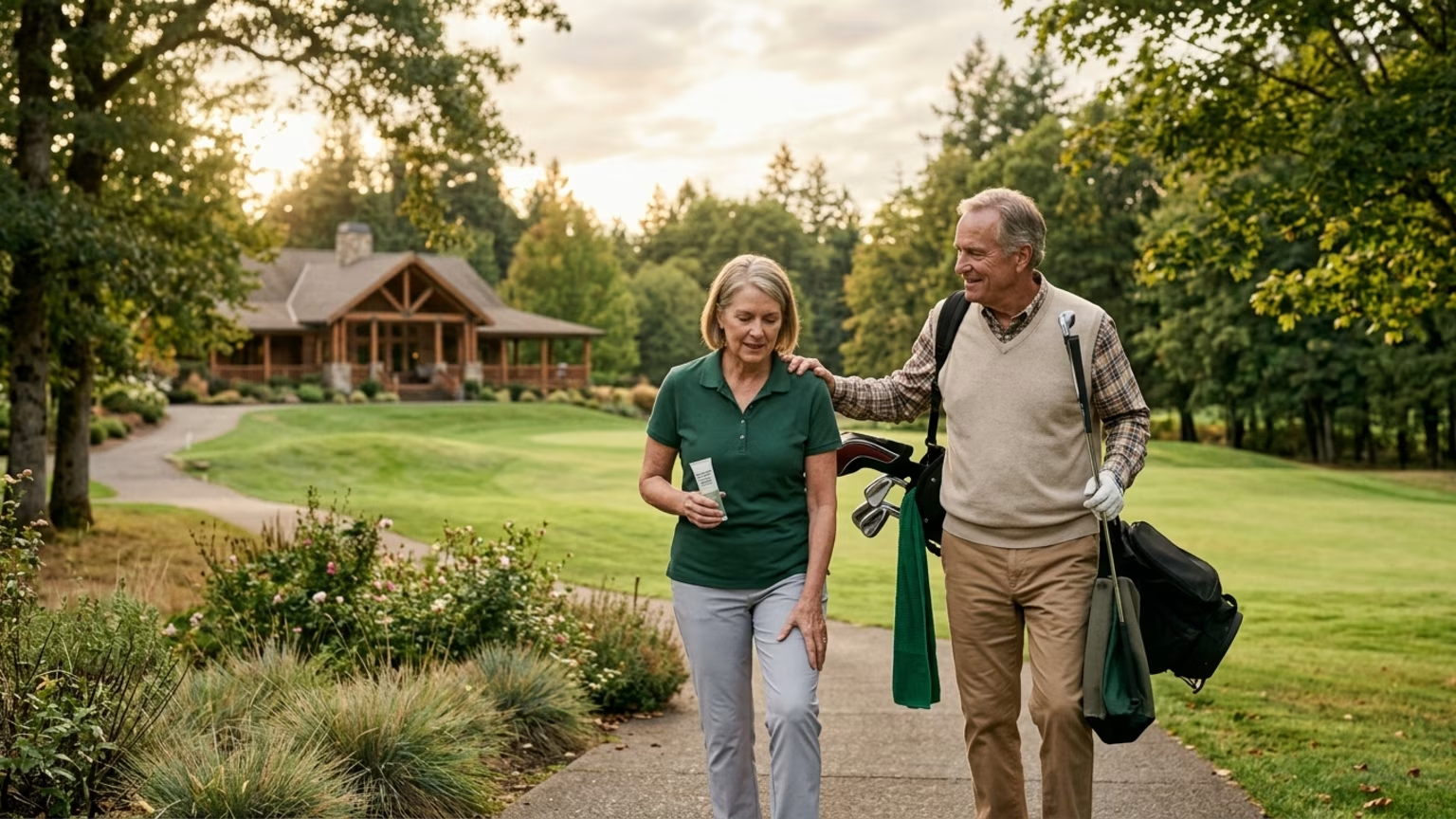
Understanding how older golfers can improve balance is critical for consistent performance on the back nine. The saddest thing I have seen in golf is watching lifelong playing partners slowly drop out of our weekend group. It usually starts with a nagging shoulder or knee issue they ignore until it requires surgery. Rather than focusing on the lost yardage, I noticed how losing that physical capacity meant losing their primary social connection.
We do not have to stop playing as we age, provided we do the right maintenance work between rounds. The social component of physical maintenance is a major factor in staying active. Life Time’s Senior Director of Healthy Aging, Annie Kragness, noted this dynamic in the ARORA program. She said members are "getting stronger, building meaningful friendships, trying new things and showing up with energy and confidence every day."
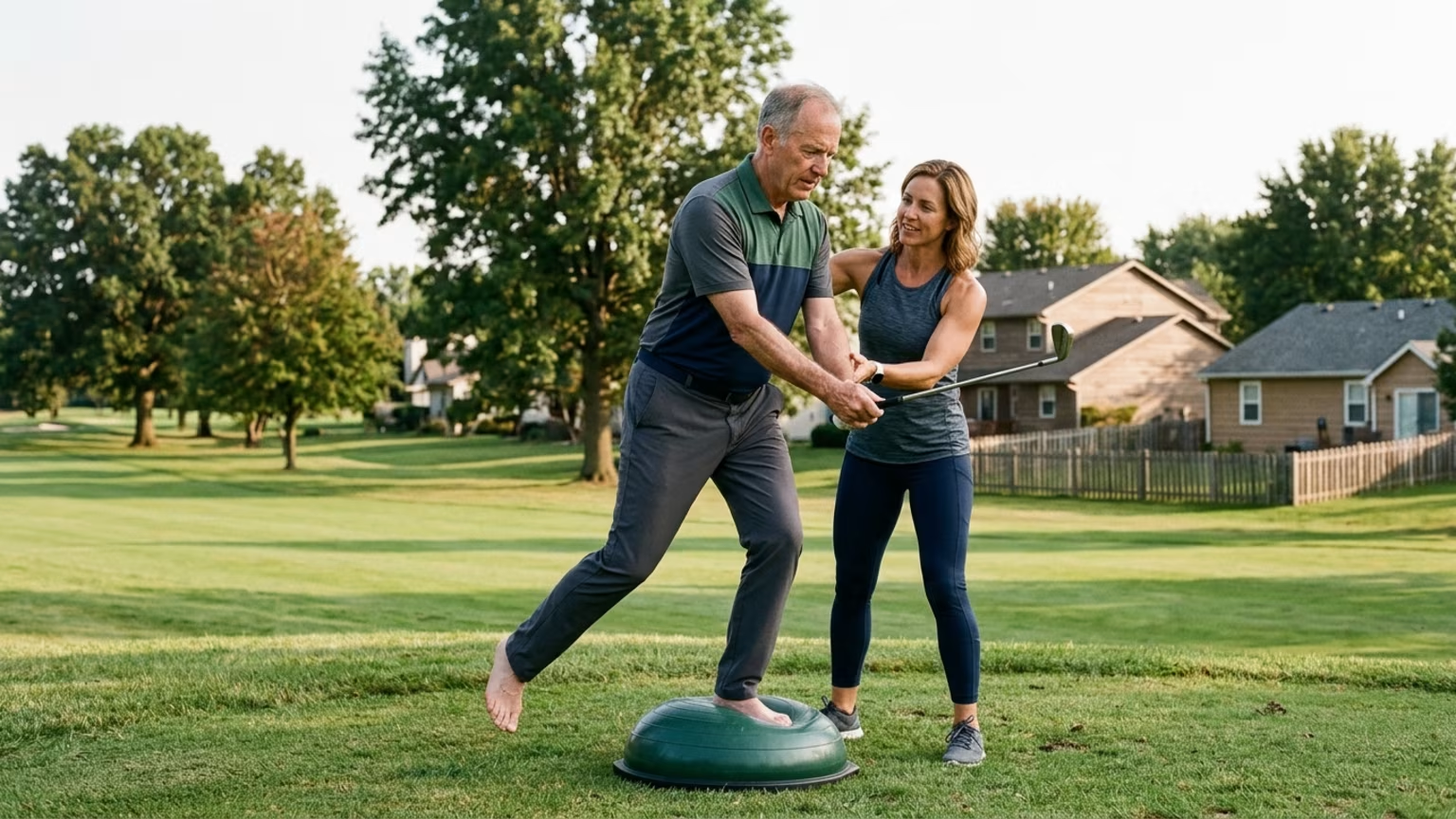
An ARORA-style format provides a practical template for off-course routines. You can build durable capacity for walking 18 holes by combining multiple physical disciplines. Golfergy provides practical insights on golf performance and recovery to help experienced golfers play better for longer. Focus entirely on turning your trail hip during a simple squat to build control.
Start by prioritizing your lower-body capacity with repeated sit-to-stand and step-up patterns. These movements apply directly to walking uneven lies and swinging a club with stability. Next, practice single-leg stances and controlled lateral movements to train your balance dynamically. Learning how aging golfers can protect joints requires consistent attention to functional movement.
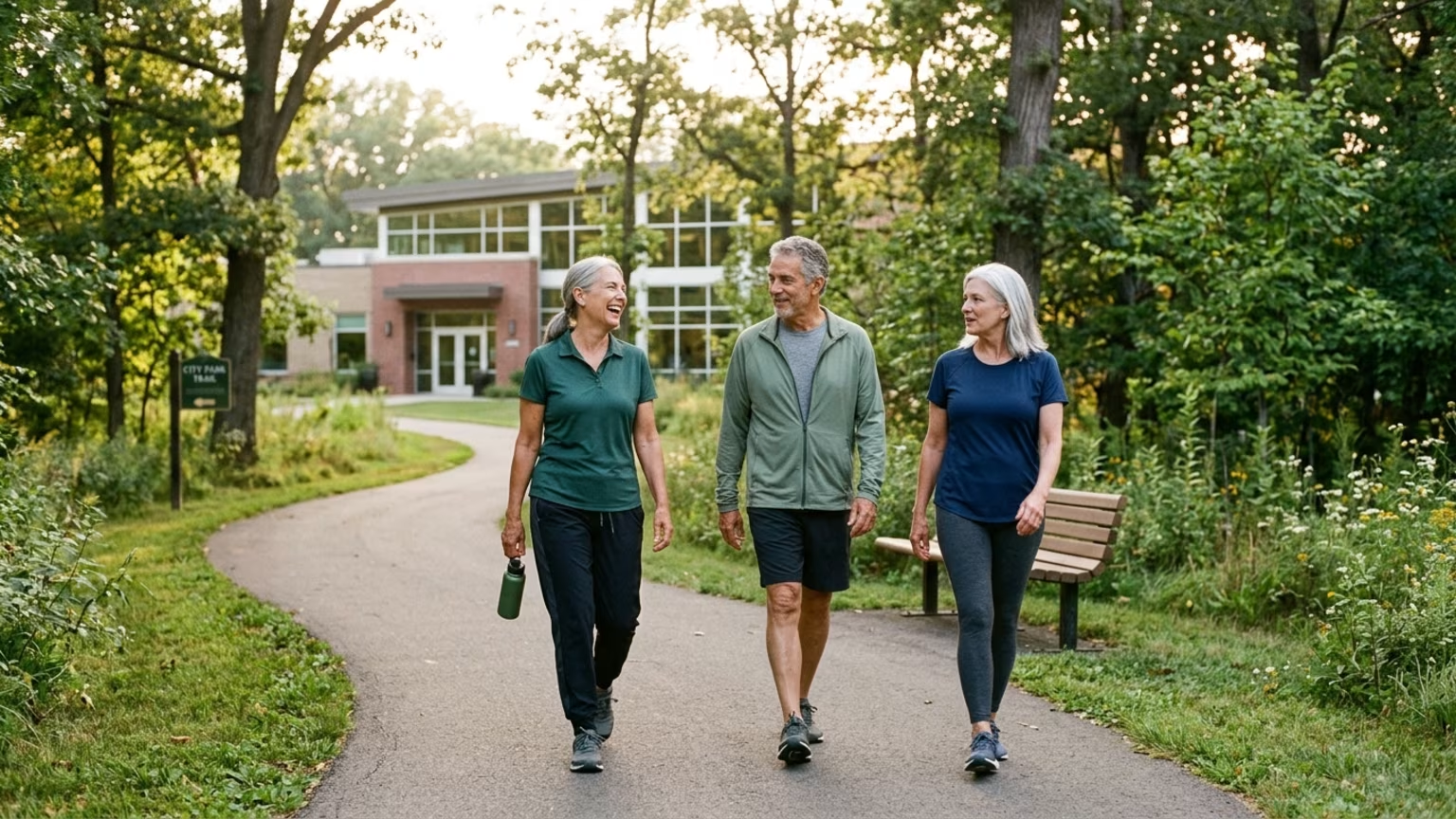
Keep your mobility work functional by supporting comfortable hip and thoracic rotation without forcing painful end ranges. The goal is usable movement during your setup and backswing. Add low-impact conditioning like swimming or cycling to accumulate aerobic work and manage recovery demands. Finally, treat social connection as an adherence tool by joining a recurring walking group or strength class.
The program includes ARORA Fit small-group training and ARORA-certified personal trainers who receive specialized healthy-aging education. Those trainers tailor workouts to individual needs and goals. Golfers with a history of pain should also seek individualized assessment rather than copying exercises indiscriminately. Professional guidance aligns your off-course routine with your specific physical requirements.
A common misconception is that walking the golf course provides enough physical conditioning on its own. A 2018 international consensus statement concluded that playing golf is likely to provide strength and balance benefits for older adults. However, relying on golf alone does not provide the progressive resistance needed to counteract muscle loss. A multi-component approach off the course is a cornerstone of healthy ageing.
At Golfergy, we promise to provide evidence-based, practical advice that helps you play the game you love for as long as possible without getting bogged down in medical jargon. Consistent off-course work is the most reliable way to extend your playing years. What adjustments will you make to your mobility routine this season to steer clear of this hazard?
Follow Golfergy for practical insights on performance, mobility, recovery and healthy ageing. Stay connected for new articles, research-led guidance and ideas to help you play better for longer.


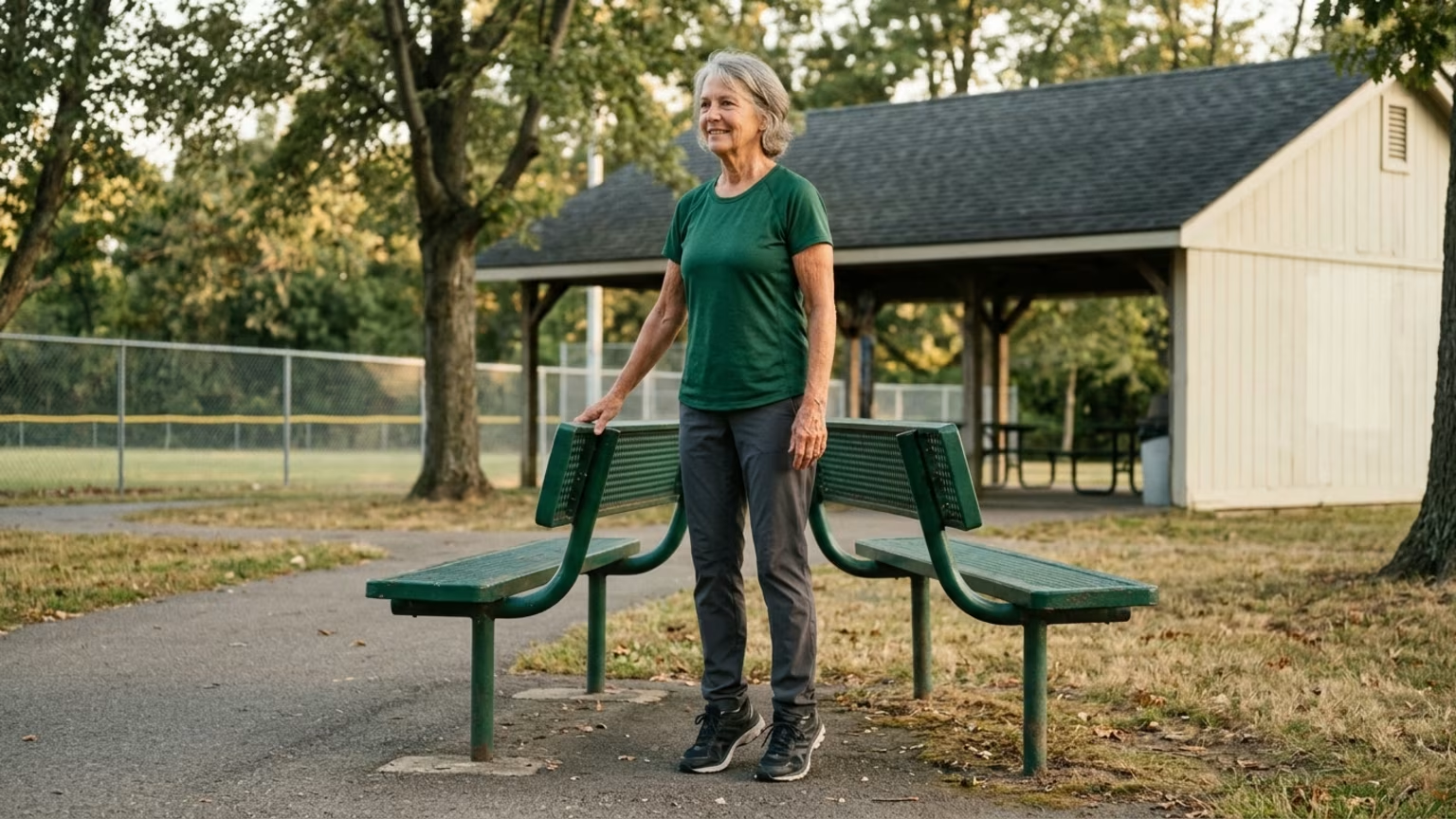
Learn how a simple heel raise routine can help older golfers improve lower leg strength, maintain course stability, and support a strong foundation for the swing.

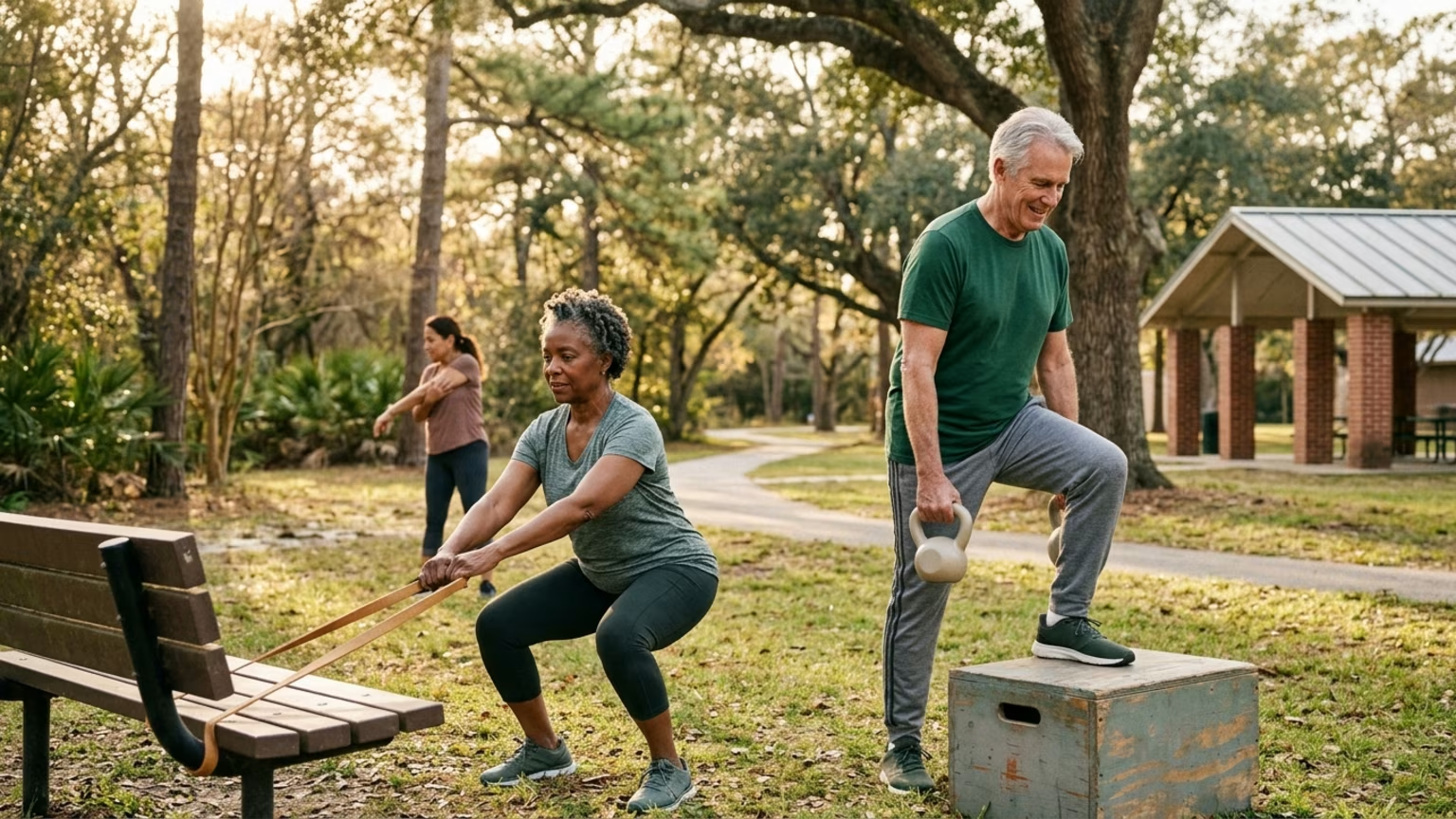
Muscle strength serves as a physical retirement asset for golfers over 40. Resistance training and simple protein guidelines help preserve course mobility.
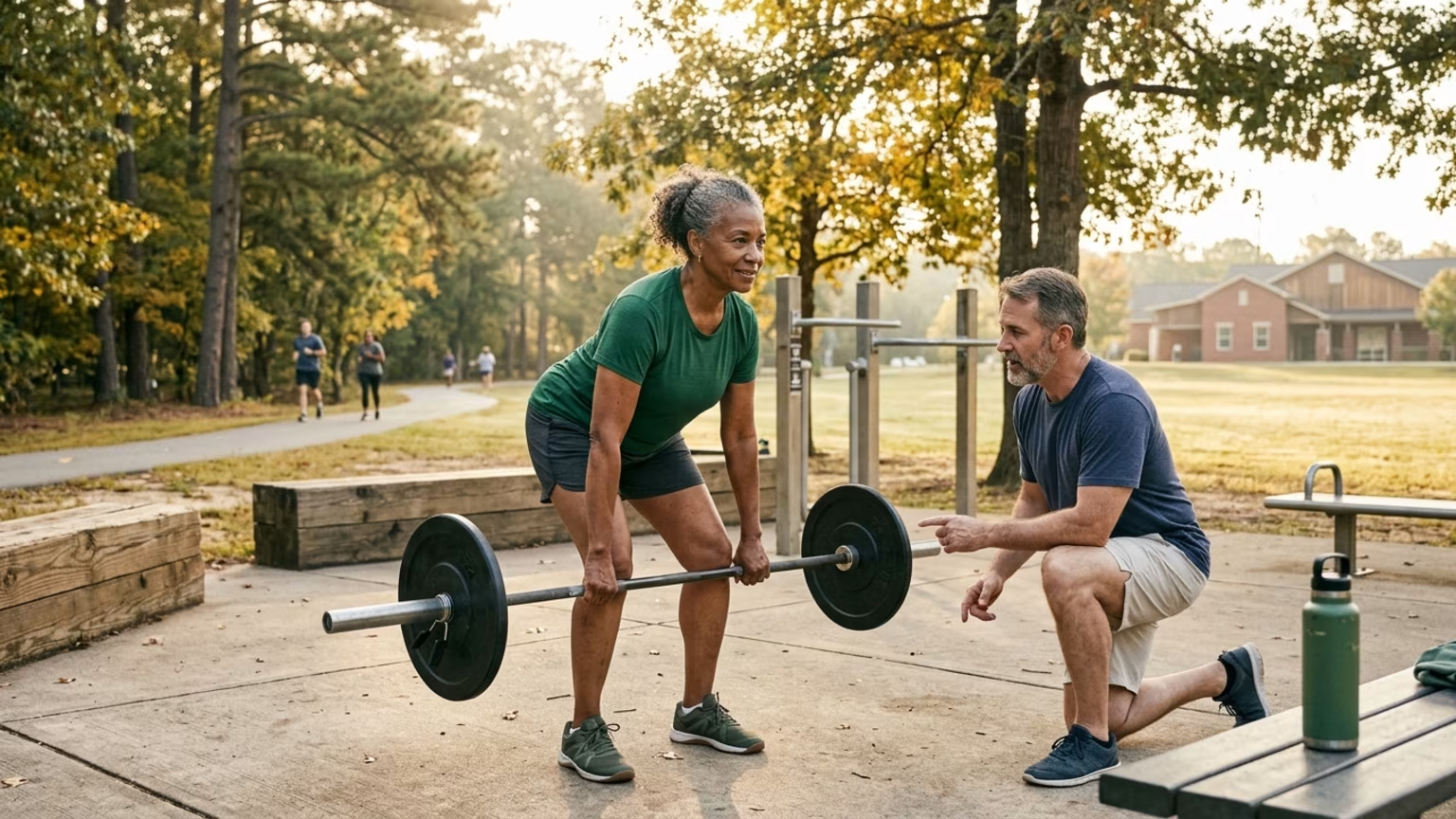
A practical guide to strength training for senior golfers. Learn how to safely build muscle, protect your joints, and maintain swing stability after age 40.
Explore practical resources on performance, recovery, mobility and golf longevity.
Read the Blog