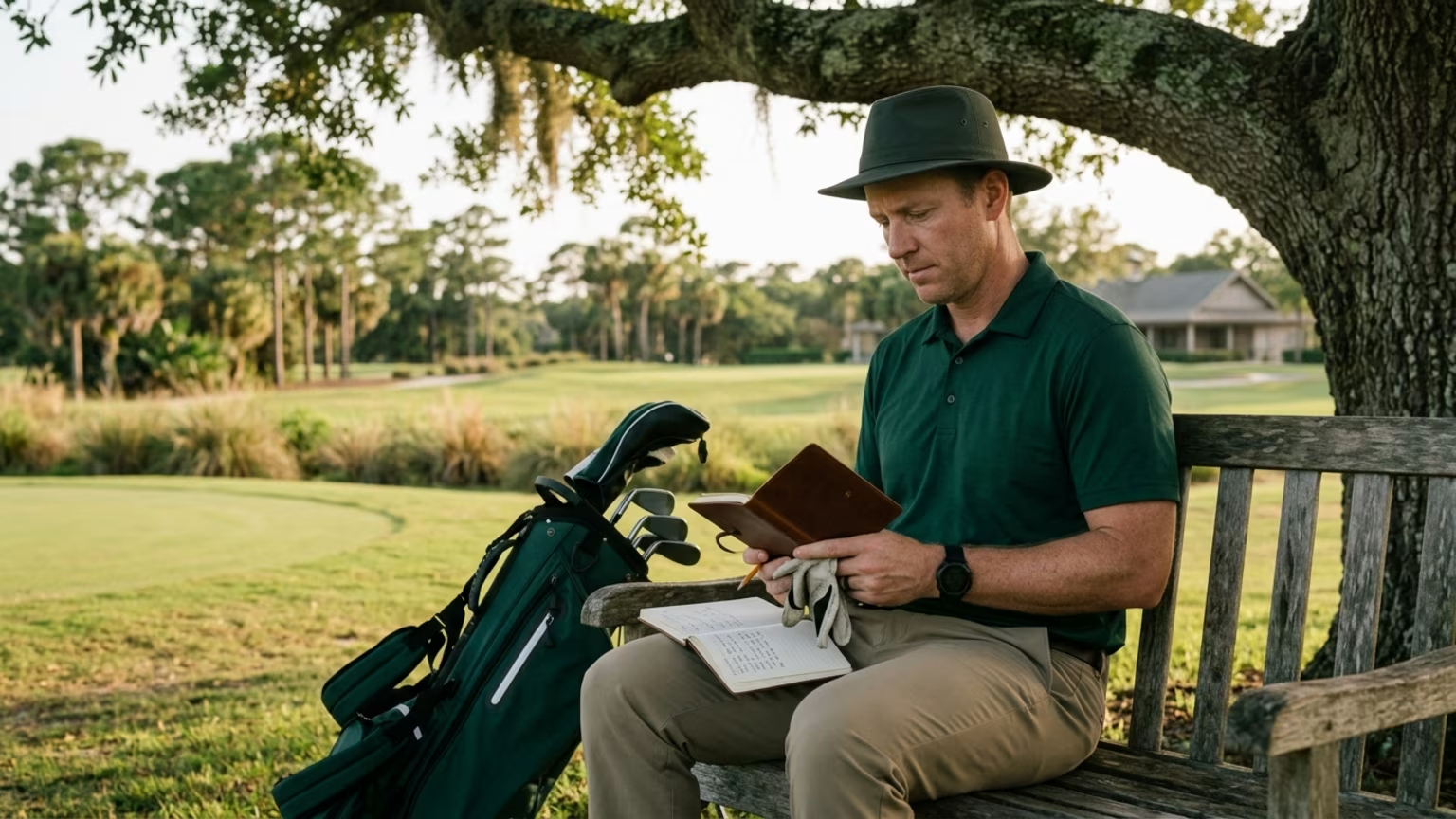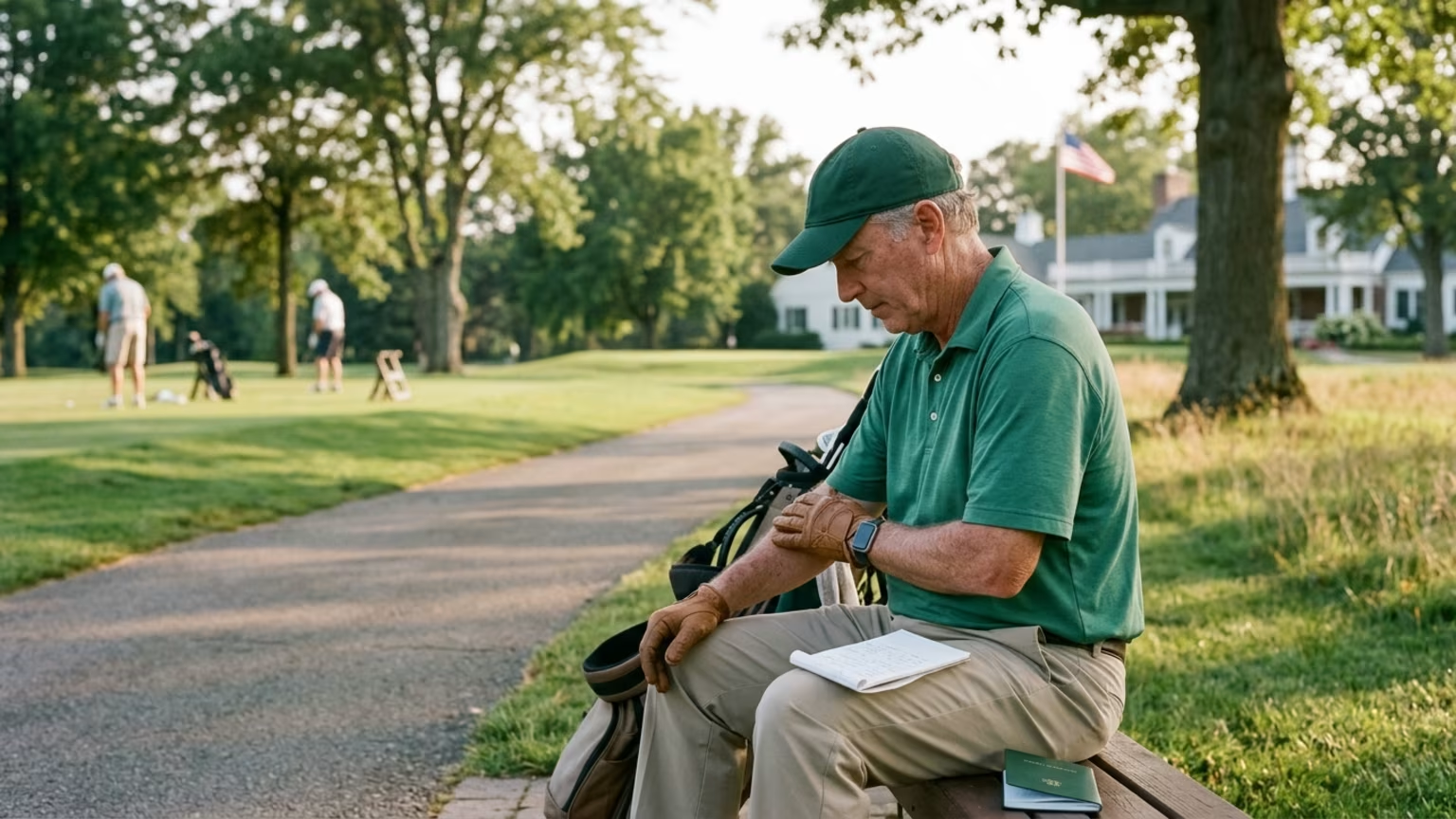

Midlife golfers need proven biomechanics over unverified fitness apps. Learn how to build safe power and protect your joints through targeted strength training.




When readers checked the PGA TOUR website on July 30 for news of a reported fitness app launch, they found only a blank page. The supplied link resolved to a generic screen stating that no articles were available. The reported strength and power module designed for amateurs remains completely unverified today. However, the intense interest in such digital tools highlights a massive demand among older players.
Midlife golfers are constantly looking for ways to preserve distance while managing joint stress. A 2026 systematic review in Cureus reported that all 12 included studies found statistically significant balance improvements after exercise interventions. This data matters immensely for older players looking to build power safely. A stable body can rotate faster without placing excessive strain on vulnerable joints.
When a player lacks this physical foundation, they often rely on dangerous compensations to hit the ball far. The search for a magic digital fix is less critical than understanding the basic physical requirements of the sport. At golfergy, we believe true longevity on the course comes from consistent physical conditioning over time. We must shift our focus away from unverified tech and back to proven movement principles.
The golf swing places massive rotational force on the spine and hips. When a player attempts to generate high clubhead speed, the body must first create a stable base. If the lower body lacks stability, the upper body will sway or slide to generate momentum. This lateral movement forces the lower back to handle sheer forces it was never designed to absorb.
Over time, the connective tissues simply begin to break down under the relentless strain. Without sufficient muscular support, the joints take the full brunt of the impact. The sudden deceleration after striking the ball is particularly violent for the lead hip and shoulder. The muscles are supposed to act like brakes to slow the body down safely.
If these braking muscles are weak, the joint structures absorb the shock instead. This repetitive trauma often leads to chronic inflammation and sharp pain during the round. When I developed medial epicondylitis, commonly known as golfer's elbow, I thought I needed complete rest. Six weeks off the course did nothing to help.
I finally learned that active recovery with a flexbar was the actual solution. It taught me that treating golf injuries requires loading the tissue properly, not just sitting on the couch and hoping for the best. Tendons and ligaments need controlled stress to heal and grow stronger. Rest alone will only lead to further muscle atrophy and weakness.
The good news is that targeted physical interventions yield real results for older players. The 2026 systematic review in Cureus highlighted the exact type of training that helps. Researchers noted that multisensory balance training appeared superior to conventional balance exercise in most of the included studies. This means that challenging your balance in varied environments builds a much more resilient nervous system.
For a golfer, multisensory training mimics the unpredictable nature of an actual golf course. You rarely hit a shot from a perfectly flat and level surface on the fairway. Training your body to stabilize on uneven ground translates directly to better swing mechanics. A strong base allows you to maintain your posture throughout the entire motion.
When we discuss balance training for mature players, we must look beyond simply standing on one leg. True golf stability requires managing dynamic weight shifts under the pressure of a swinging club. The findings from the Cureus review validate the need for movement variety in our workouts. A player must condition their feet and ankles to grip the ground effectively.
Without proper ground interaction, the rest of the swing sequence falls apart very quickly. The feet are the only points of contact we have with the earth during the swing. If those contact points are unstable, the brain will instinctively restrict power to protect the body. Integrating small stability challenges into your weekly routine pays massive dividends over a long season.
Maintaining posture reduces the need for sudden compensations that often lead to acute injuries. Your brain learns to recruit the right muscles at the right time during the swing. This neural efficiency translates to smoother weight transfer and better ball striking. Ultimately, a balanced body is a powerful body.
Recreational players over 40 face a much higher risk of injury than young professionals. As we age, our connective tissues naturally lose elasticity and become much more rigid. We might swing with less overall speed than tour players, but our bodies are less equipped to handle the stress. A stiff joint simply cannot absorb the same amount of force as a flexible one.
This makes every single swing potentially dangerous if the body is not adequately prepared. Most amateur players spend their workweeks sitting at desks or commuting in cars. This prolonged sitting tightens the hip flexors and weakens the critical gluteal muscles. You can read more about how glute activation for golfers protects the lower back and helps generate speed.
When a restricted body tries to execute a dynamic swing on Saturday morning, the risk of muscle strain skyrockets. The human body will always find the path of least resistance during complex movements. If the hips cannot rotate properly, the lower back will try to rotate instead. The lumbar spine is built for rigid stability rather than deep rotation.
Forcing the lower back to twist aggressively is a recipe for severe nerve pain. Older amateurs often ignore these early warning signs and try to play through the discomfort. This stubborn approach usually leads to longer layoffs and much more complicated rehabilitation processes. A proactive approach to physical health is the only way to keep playing for decades.
Many older players mistakenly believe that their loss of distance is purely a mechanical flaw. They spend thousands of dollars on new drivers hoping to buy back their lost yardage. In reality, the true culprit is a gradual decline in fast-twitch muscle fibers and systemic mobility. A new piece of titanium cannot overcome a body that refuses to turn freely.
This physical decline happens so slowly that most players never even notice it occurring. They simply wake up one day and realize they are hitting two clubs more into every green. Recognizing this physiological reality is the very first step toward reversing the trend. You can build strength and regain lost speed at any age with the right approach.
Protecting your body requires a total shift in how you prepare for the game. General fitness guidance for older adults commonly combines aerobic activity with muscle-strengthening work at least twice weekly. Health experts at Altea Active point out that these recommendations align directly with guidelines from the CDC. Building a basic foundation of physical capacity is absolutely mandatory for longevity.
You must train your body to handle the specific physical demands of the sport. Start by integrating simple resistance exercises that target your core and lower body. When practicing your swing mechanics at home, focus entirely on turning your trail hip. This single thought prevents you from sliding laterally and forces your muscles to stabilize your pelvis.
Small movement corrections are much easier to master than complex full-body mechanical overhauls. Mastering this rotation protects your spine and improves your contact with the ball. You should also incorporate focused respiratory drills into your daily routine. Proper breathing mechanics stabilize the rib cage and support the spine during rapid rotation.
Consider reviewing breathwork for golfers to manage physical fatigue late in the final round. Breathing deeply into your diaphragm creates internal pressure that acts like a natural weightlifting belt. This simple habit requires no gym equipment and yields immediate benefits on the golf course. Consistency with these small habits produces massive long-term results.
Finally, take your warm-up routine seriously before you reach the very first tee. Five minutes of dynamic stretching can drastically reduce your overall injury risk. Focus on movements that open up your hips and mobilize your tight upper back. A proper warm-up signals to your nervous system that it is time to move dynamically.
The landscape of golf fitness will continue to grow as players seek longer playing careers. We will likely see more tools designed to measure and improve our physical readiness. However, the foundational rules of human movement will never change. What adjustments will you make to your mobility routine this season to steer clear of this hazard?
Follow Golfergy for practical insights on performance, mobility, recovery and healthy ageing. Stay connected for new articles, research-led guidance and ideas to help you play better for longer.


Elite tournament recovery relies on sleep hygiene and structured training. Golfers over 40 can use these exact methods to prevent late-round fatigue.

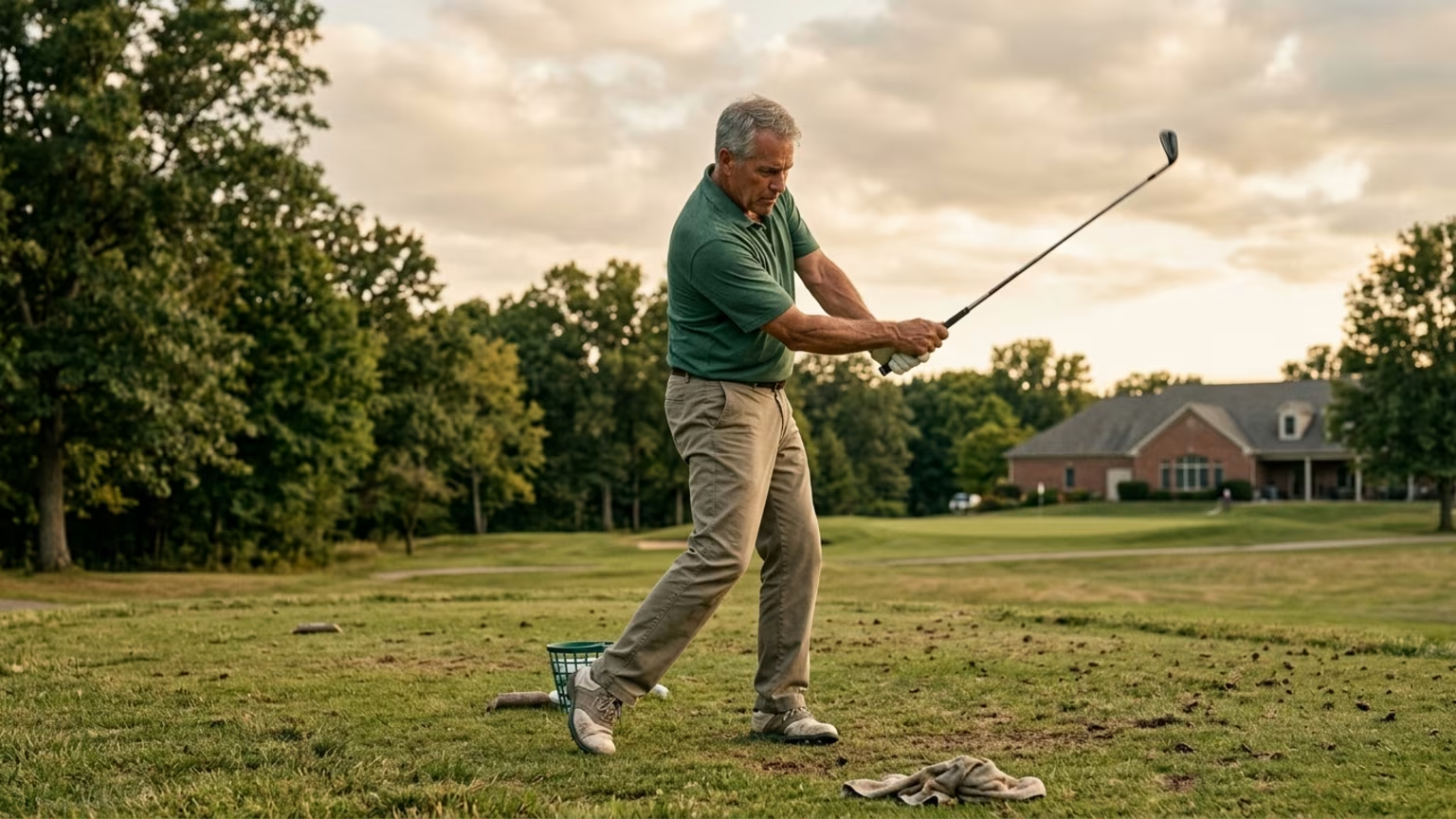
Force transfer in the golf swing starts from the ground up. Learn how leg strength, hip hinges, and trunk control help older golfers play better for longer.
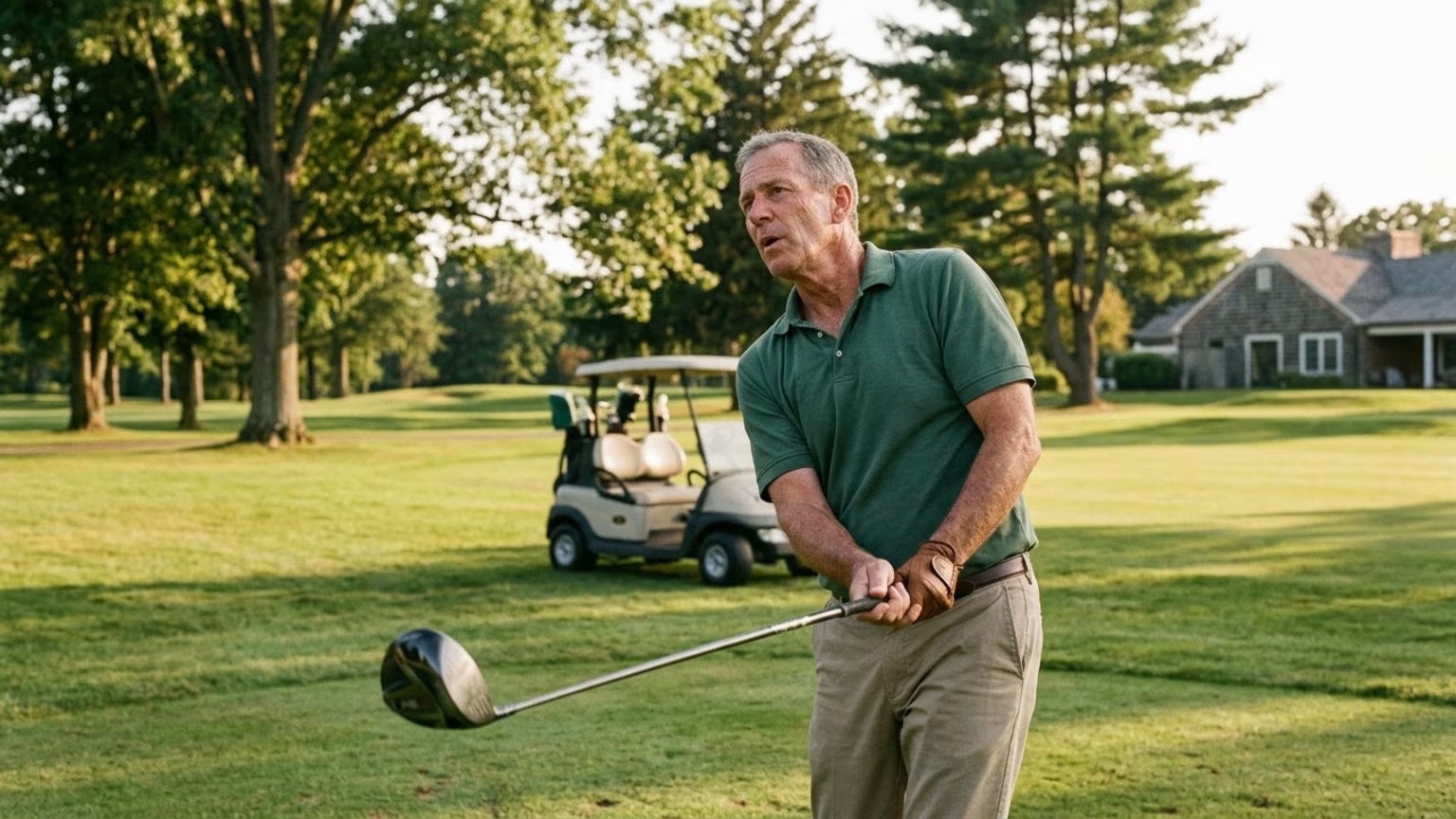
Heavy lifting alone will not save your driving distance after 40. Learn how separating basic strength from fast power safely rebuilds your clubhead speed.
Explore practical resources on performance, recovery, mobility and golf longevity.
Read the Blog