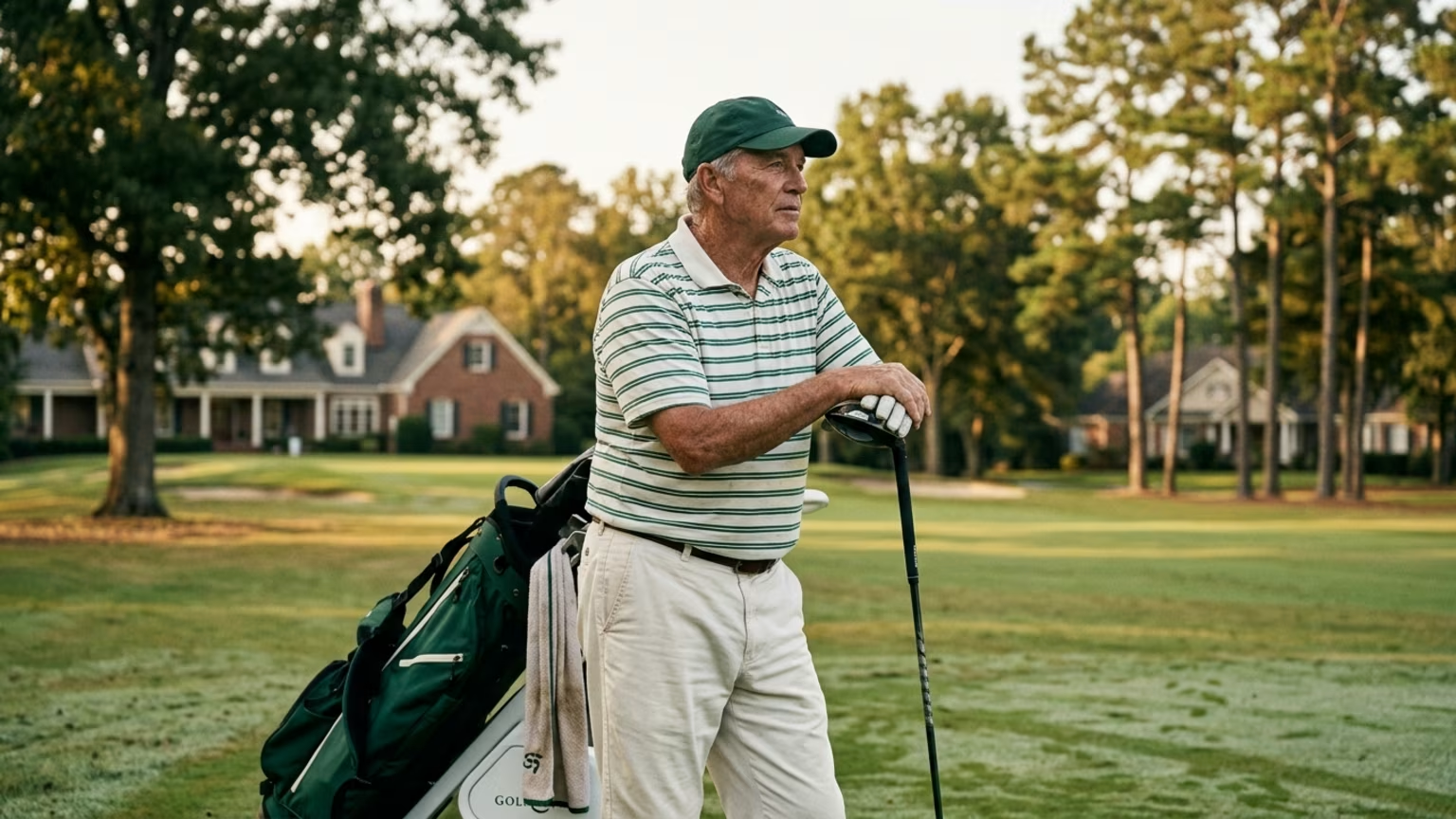

Ground reaction forces and posterior chain stability outlast modern golf technology when preventing distance loss and swing faults in aging players.




A 2026 systematic review in Sports Medicine of 24 studies confirmed moderate-to-strong relationships between Ground Reaction Force use and clubhead speed. This verified correlation shifts the conversation away from buying expensive titanium drivers. It proves that learning how to interact with the turf is a required skill for hitting the ball further. The data plainly shows that raw physical strength translates directly into speed.
Players with weak lower bodies cannot produce the required force to swing fast. This reliance on core physical stability is the foundation of modern performance training. Golfers who ignore their posterior chain will inevitably lose yardage as they age. The science points directly to the ground as the true source of consistent power.
Ground Reaction Force is measured in three distinct directions during a golf swing. These include vertical pushing, lateral movement toward or away from the target, and rotational torque that helps the body turn. For decades, these metrics were only visible to tour professionals in elite biomechanics labs.
Today, the use of force plates to measure vertical and lateral pressure has moved from elite tour labs to high-end recreational instruction. This shift is allowing older golfers to see their invisible force production in real time. Understanding these three directions helps players recognize why their lower body matters so much. A golfer can finally map exactly where their energy is going.
When a player fails to apply adequate pressure into the ground, clubhead speed drops noticeably. Without a stable base, golfers often develop excessive lateral movement away from the target. This movement limits the amount of rotational torque they can create during the transition. The resulting power leak forces players to rely entirely on their hands and wrists for speed.
Over time, this upper body dependence causes a severe drop in total driving distance. It also introduces unwanted stress to the smaller joints in the upper body. These biomechanical adjustments for longevity prevent the hands from working too hard. Protecting the body naturally preserves your total yardage off the tee.
Maintaining power is much harder for older players than it is for younger athletes. The 2026 Golf Business Pulse Report indicates that while equipment costs are rising, there is a growing consumer interest in functional longevity training to extend playing years. Older players realize that replacing their driver every season cannot fix a physical deficit. In our experience, physical limitations show up late in the round.
A few years ago, I noticed my swing falling apart around the 14th hole. My lower back would tighten up, and I started compensating with my arms. I spent months thinking it was a swing flaw. It was not until I started a simple evening hip mobility routine that I realized my glutes were just turning off from fatigue.
Fixing that one physical limitation brought my back nine scores down drastically. Building endurance in the posterior chain is the most effective way to fight this decline. A strong lower half acts as a shield for the aging spine. It allows the golfer to play consecutive days without debilitating soreness.
Coaches teach that the first move of the downswing should not be the arms. Instead, they recommend an aggressive stomp of the lead foot into the ground to trigger rotation through ground force. To build this habit safely, older golfers can use two simple movement drills at home. First, practice pausing at the top of the backswing and initiating the downswing by pushing the lead foot into the ground.
Second, try the Glute-to-Wall drill to build awareness without straining the back. Take a golf posture with your glutes barely touching a wall behind you. The trail glute should press firmly into the wall during the backswing to prevent swaying. Focus entirely on turning your trail hip cleanly against the barrier.
A solid framework for power and pelvic stability begins with these focused movements. Rehearsing these patterns daily creates lasting muscle memory. You do not need heavy weights to groove this specific kinematic sequence. Consistency with these light mobility exercises yields massive benefits on the course.
Recreational players over 40 must stop trying to match the force plate numbers of professional athletes. A healthy benchmark for an aging player is simply maintaining posture and establishing consistent ground contact. Your goal is to stop the sway and produce a recognizable stomp without joint pain. If a specific lower body exercise hurts your knees, you should always swap it for a gentler variation.
The objective is functional longevity on the course rather than winning a weightlifting competition. Progress is measured by how well you hold your finishing pose after a full drive. Players should aim to walk off the 18th green feeling physically sound. At golfergy, we track success through consistent ball striking and pain-free rounds.
The Sports Medicine review leaves little room for debate regarding the origins of swing speed. Players who generate high ground reaction forces will consistently outdrive those who rely on modern equipment alone. When we prioritize physical stability, the golf swing becomes a natural athletic motion rather than a mechanical struggle. Building a capable body is far more reliable than purchasing the newest technology.
The smartest investment a player can make is in their own structural health. You can start using data to optimize recovery and track your lower body strength gains. True performance longevity is written in the data of how our feet meet the earth.
Follow Golfergy for practical insights on performance, mobility, recovery and healthy ageing. Stay connected for new articles, research-led guidance and ideas to help you play better for longer.


A review of a Cell Reports Medicine study showing how brief, high-intensity exercise impacts blood proteins, and what this means for older golfers' routines.


Examine the clinical evidence on how resistance training, proper protein intake and structured recovery help older golfers preserve muscle mass and stability.
Learn how the proposed movement span framework helps older golfers understand physical decline, maintain balance, and extend their playing years safely.
Explore practical resources on performance, recovery, mobility and golf longevity.
Read the Blog