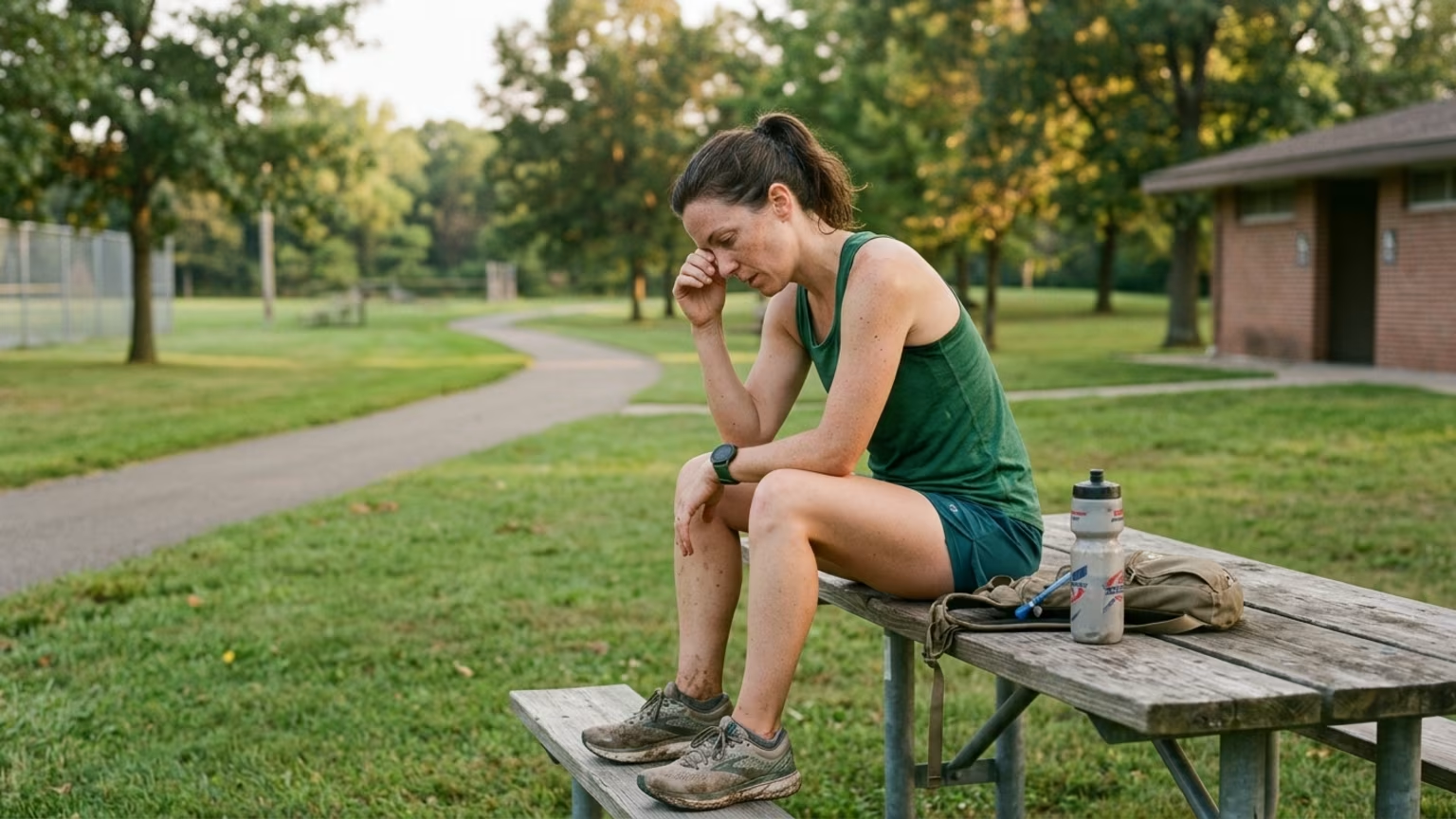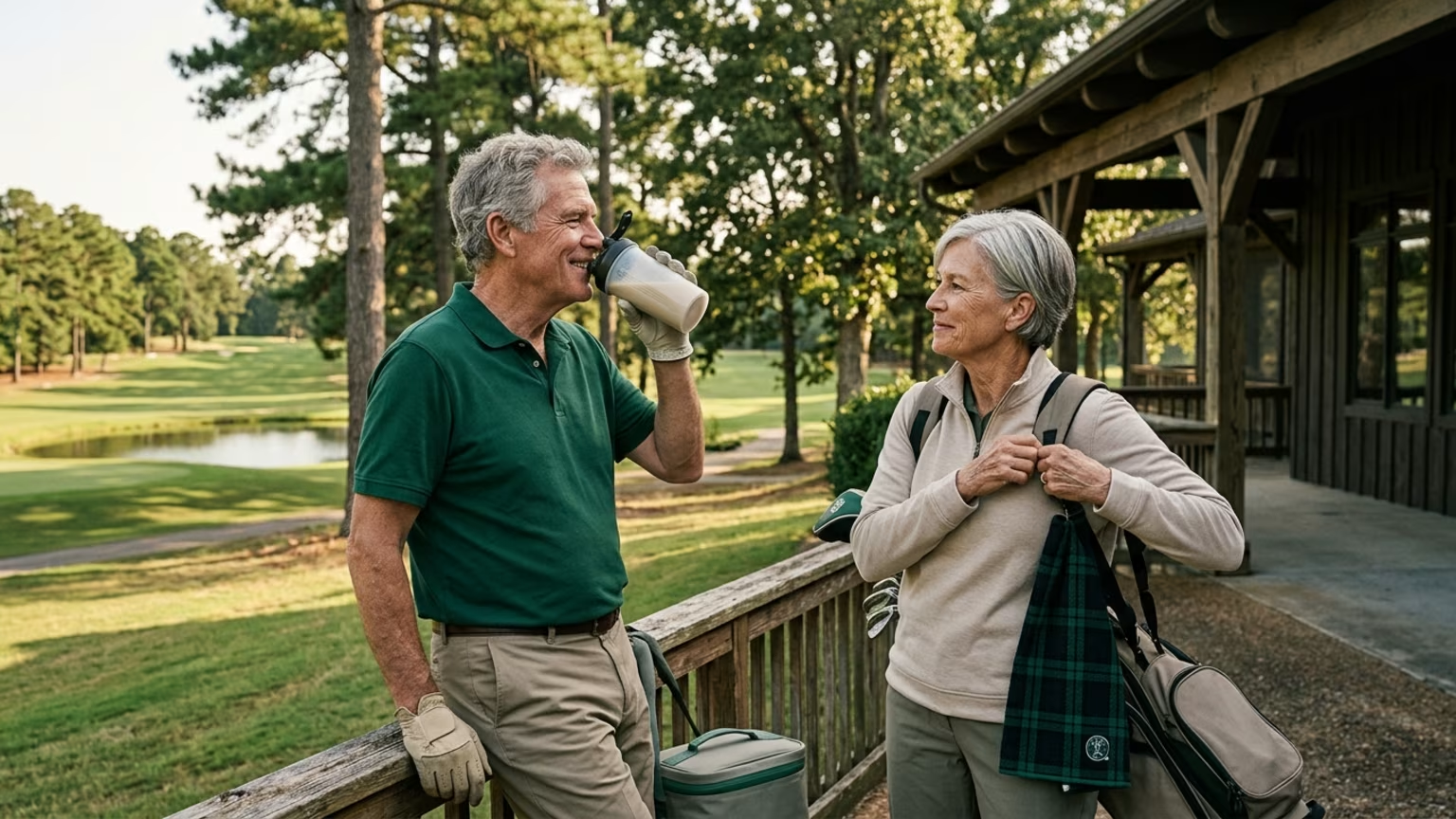

A recent VA study suggests that older men with prediabetes preserved more lean mass and physical function during weight loss by increasing their protein intake.




On September 25, 2026, the VA released a research roundup detailing a Durham VA study on weight loss. The study observed Veterans over age 55 with obesity and prediabetes. It compared a standard weight-loss nutrition program with an enhanced-protein program. Both study groups received nutrition classes and followed a regular exercise regimen.
Many older players try to drop weight to reduce joint stress. We want to play better golf for a longer time. Dropping pounds without a clear plan can have unintended consequences for your game. The VA study highlights how nutrition choices during weight loss impact physical function.
The recent research does not detail an acute injury from a tour professional. The study instead examines a slower mechanical breakdown that affects older players. Losing body weight often means losing fat-free mass alongside body fat. Fat-free mass includes the muscle tissue required to swing a golf club safely.
When you lose muscle mass, you lose functional strength in your golf swing. Your muscles generate the necessary force to turn your shoulders and hips. Decreased muscle tissue means your body cannot support the repetitive motion of the swing. This physical decline can make your golf swing feel weak or uncoordinated.
The saddest thing I have seen in golf is watching lifelong playing partners slowly drop out of our weekend group. It usually starts with a nagging shoulder or knee issue they ignore until it requires surgery. That pattern is exactly why I became obsessed with golf longevity. We do not have to stop playing as we age, provided we do the right maintenance work between rounds.
Sometimes, that maintenance work means protecting the muscle tissue we already have. Muscle tissue absorbs the rotational forces generated during your swing. Weak muscles transfer those physical stresses directly to your joints and ligaments. Maintaining your fat-free mass helps protect your spine and hips from excessive wear.
The Durham VA study tracked participant progress over multiple months. The VA summary notes that the enhanced-protein group experienced greater weight loss after three months. This group also showed better physical-function performance at the three month mark. Those physical improvements are critical for maintaining an active lifestyle.
The physical-function advantage for the enhanced-protein group persisted at six months. At that six month milestone, the enhanced group also showed more preserved fat-free mass. The VA summary describes the intervention as providing double the protein intake of the standard program. The exact protein amounts were not stated in the summary report.
Both study groups received nutrition classes and an exercise regimen. The comparison was strictly between two programs that shared those fundamental elements. The VA summary does not isolate how exercise or protein individually contributed to the outcomes. The sustained physical function over six months provides a useful data point for active adults.
Recreational golfers over 40 face a significant risk of muscle loss as they age. You might swing the club with less speed than a touring professional. Your body still requires a baseline level of strength to perform a safe golf swing. Aging naturally causes a gradual decline in muscle mass over time.
When older golfers attempt to lose weight, they often accelerate this muscle loss. You might step on the scale and celebrate a lower number. A lower body weight might leave you too weak to complete eighteen holes. Understanding aging as a manageable shift in physical capacity helps you make better long term choices.
I used to stand on the first tee doing long, static hamstring stretches because I thought it was the right way to warm up. I would actually feel weaker on my first drive. Research later showed me that dynamic movements like leg swings and torso twists prime the nervous system much better. Changing my five minute warmup completely transformed my opening tee shots.
I had to learn that doing the wrong thing with good intentions still hurts performance. The same logic applies to losing weight without preserving muscle. Older amateurs are highly vulnerable to losing the exact muscle fibers needed for golf. We must focus on functional physical capacities to protect our bodies from premature decline.
Our balance and stability rely heavily on strong leg and core muscles. If you lose that leg strength during a diet, you might struggle to walk uneven fairways. Improving balance and staying steady on the course requires holding onto your lean mass. Scale weight is a poor metric for measuring true physical capability.
The VA study provides a reason to consider what weight loss actually consists of. You should focus on preserving fat-free mass rather than just watching the scale. The most grounded adjustment is to discuss nutrition and muscle preservation with a qualified health professional. You should plan your weight loss efforts with expert clinical guidance.
Your doctor or dietitian can help you build a personalized nutrition and exercise plan. They can assess your current health and recommend safe protein targets for your body. Maintaining your muscle mass requires a balanced approach to diet and daily movement. Focus entirely on small daily habits that support your functional health.
Golfers can easily distinguish a general health study from specific golf advice. The VA report did not test golf training or track golf performance. You can still apply the core concept of muscle preservation to your life off the course. Protecting your muscle tissue helps you maintain the physical baseline needed for a healthy golf swing.
A major misconception is treating the Durham VA study as a specific dietary prescription. The VA summary describes doubling protein intake, but it does not state actual protein amounts. Readers should never treat "double the protein" as a personal prescription for their own diet. The study population consisted specifically of male Veterans over 55 with obesity and prediabetes.
The research roundup does not establish that the result applies to women or people without prediabetes. It also does not prove that a specific protein dose will improve a golfer's swing. The cited VA summary does not provide study participant numbers or exact protein doses. It also omits exercise details and statistical significance measures.
We must evaluate nutrition studies based on what they actually report. The VA summary identifies the study journal as Current Developments in Nutrition. The data offers a helpful prompt to prioritize muscle health during your health journey. It is not a magical formula that will automatically extend your playing years.
Improving your physical condition requires consistent effort and sensible planning. The path to better golf longevity involves protecting your functional strength and lean muscle mass. You have to build the right team around you to support your health goals. What conversations will you have with your health professional this season to protect your physical function on the course?
Follow Golfergy for practical insights on performance, mobility, recovery and healthy ageing. Stay connected for new articles, research-led guidance and ideas to help you play better for longer.


Learn how older golfers can safely rebuild leg speed and balance using adapted plyometrics. We review CNA's guidance on supported hops and firm stomping.

Learn why golfers over 40 recover more slowly after a round and how to adjust your weekly routine. Read practical, science-backed tips to protect your mobility.
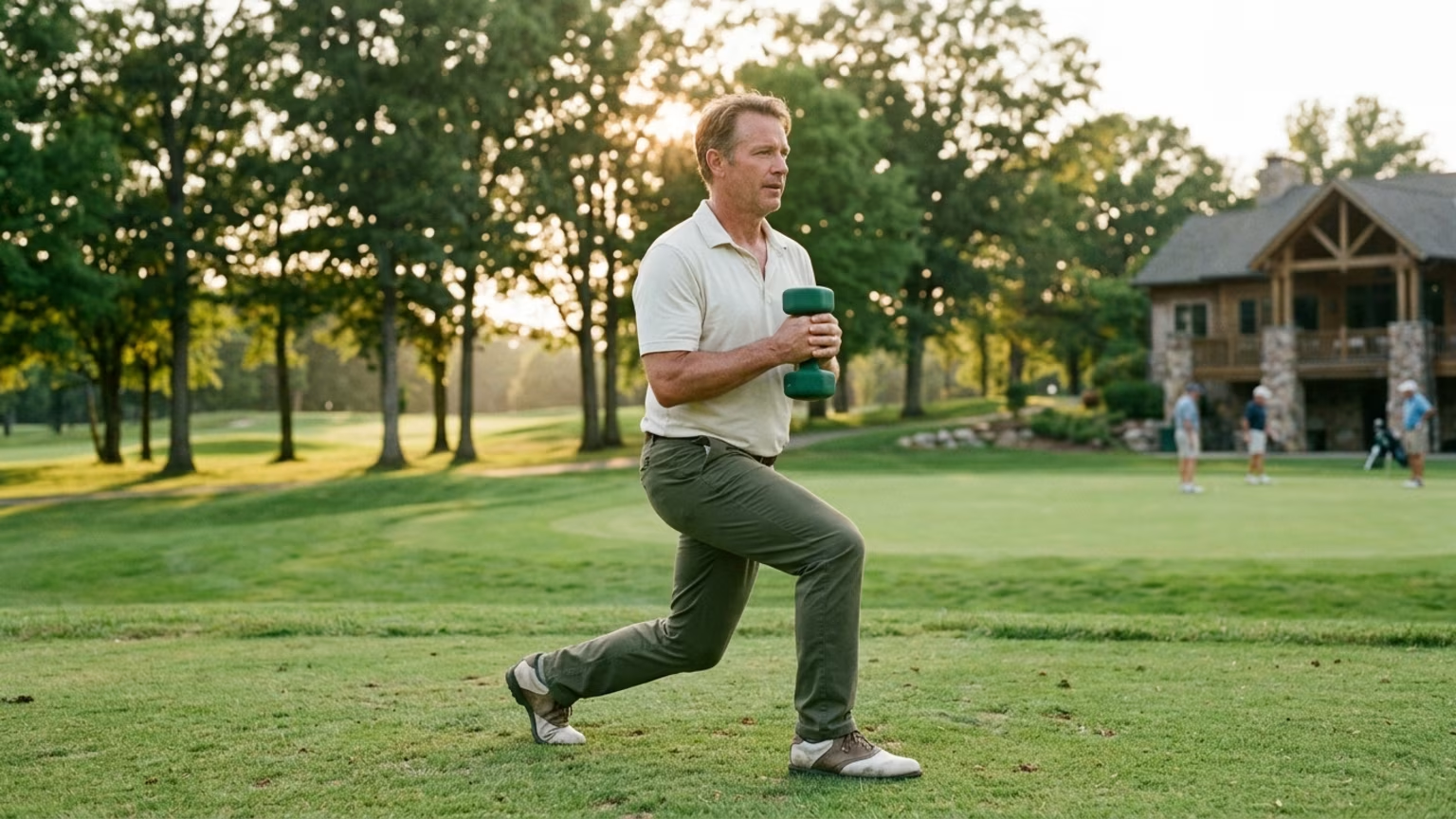
A practical guide translating TIME's recommended strength exercises for older adults into actionable fitness habits for golfers over 40.
Explore practical resources on performance, recovery, mobility and golf longevity.
Read the Blog