
A practical guide translating TIME's recommended strength exercises for older adults into actionable fitness habits for golfers over 40.




On September 24, 2026, when TIME published an article regarding strength exercises for people over 50, the outlet provided a grounded fitness blueprint. The piece was written by Sarah Klein. It identified goblet squats, floor sitting and rising movements, and seated overhead presses as key recommendations. The list also included kickstand Romanian deadlifts and bear crawl holds.
While these choices target functional independence, they mirror the physical demands of a recreational golf round. These movements help older players maintain control on the course. A targeted fitness routine acts as a structural defense for aging joints. The movements map directly to the rotational demands of the game.
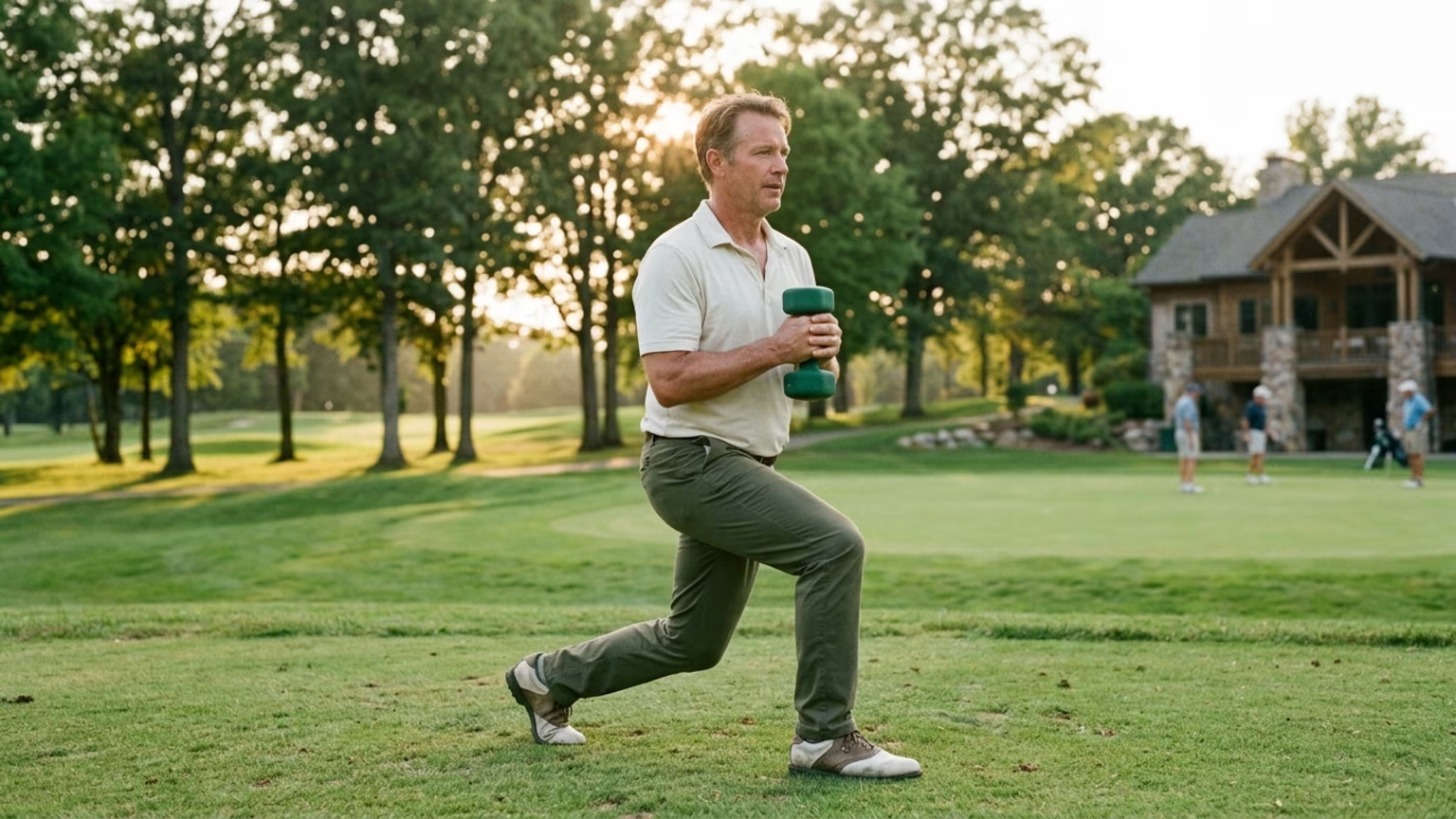
Building usable strength requires a blend of stability and mobility from the ground up. The goblet squat trains the quadriceps, hamstrings, glutes, and core. It reinforces the simple action required to stand from a seated position. When you maintain a strong base, your lower body can resist the torque generated during the downswing.
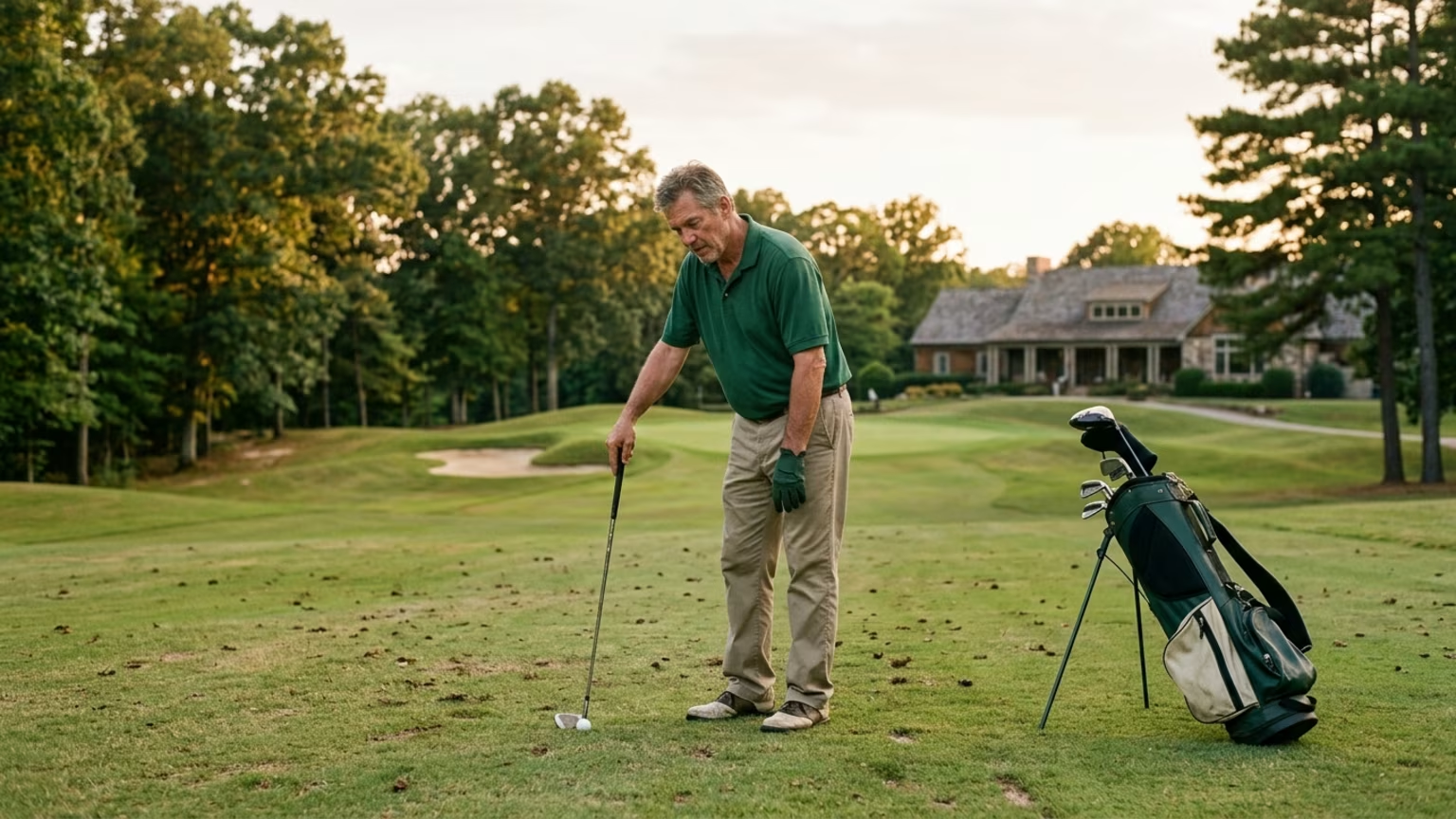
The kickstand Romanian deadlift focuses on hip hinging and a staggered stance. This specific movement practices the single leg control needed to pick an object up safely. A proper hip hinge allows you to address the ball without rounding your lower back. It builds the posterior chain strength required to maintain your spine angle during the swing.
The golf swing relies heavily on a powerful hip turn. The kickstand Romanian deadlift isolates the glutes and hamstrings, teaching these muscles to fire correctly. By using a staggered stance, you force your lead leg to manage most of your body weight. This weight transfer mirrors the feeling of posting up on your lead leg through impact.
Bear crawl holds challenge your shoulder stability and trunk control. Holding this position trains the core muscles to brace effectively against rotational forces. Elevating your hands on a bench makes this hold easier while forcing your midsection to work. A solid trunk prevents your lower back from overextending during the follow through.
Seated overhead presses target practical movements like storing luggage overhead or lifting a heavy golf bag. Strong shoulders provide the structural support needed for a wide, controlled backswing. Finally, sitting and rising from the floor trains total body coordination. This fundamental ability translates directly to reading greens, marking your ball, and standing back up without strain.
The biological clock introduces steady physical hurdles for recreational players. TIME reports that people begin losing approximately 3 to 5 percent of lean muscle per decade from around age 30. This decline may not become obvious until about age 60. Unfortunately, it slowly erodes the foundation of a reliable swing.
Floor mobility offers a stark perspective on overall health and longevity. TIME cites a 2026 European Journal of Preventive Cardiology study regarding this specific topic. The study reported that people able to sit down and stand up from the floor without support had a four times lower risk of death during the study period. Retaining the ability to get up and down safely provides compounding benefits over time.
As natural muscle mass decreases, older golfers lose the capacity to absorb swing forces safely. Older players need a solid strength foundation to combat this reality. The lower back and shoulders bear the brunt of an unconditioned body. Joint issues often stem from a lack of functional lower body power and core control.
Without a strong foundation, the rotational velocity of the clubhead pulls the body out of alignment. Weak glutes and hamstrings force the lower back to absorb excess stress during the swing. Over time, this repetitive strain leads to the stiffness that plagues many older players. Maintaining muscle mass provides a natural shock absorber for your joints.
The saddest thing I have seen in golf is watching lifelong playing partners slowly drop out of our weekend group. It usually starts with a nagging shoulder or knee issue they ignore until it requires surgery. That pattern is exactly why I became obsessed with golf longevity. We do not have to stop playing as we age, provided we do the right maintenance work between rounds.
A practical defense starts with a dedicated strength plan involving consistent resistance training. Federal guidance summarized by Baptist Health recommends muscle strengthening activity involving the major muscle groups at least two days per week. You should begin with manageable loads, sets, and repetitions. The TIME article cites the American College of Sports Medicine’s general range of one to three sets of six to 15 repetitions.
Progression requires appropriate modifications rather than forcing heavy weights immediately. Charlie Grundas is a certified personal trainer and owner of We, The Collective Fitness in Chicago. He contributed his expertise to the TIME article. Grundas frames strength training around retaining functional independence, including the ability to rise from a toilet or pick something up from the floor.
You can scale exercises when the original version becomes too difficult. Will Hewitt is a certified personal trainer and director of training at Flight House Fitness in Charlestown, Massachusetts. TIME identified him as another contributing fitness professional. For the bear crawl hold, TIME recommends holding the position for 10 to 60 seconds.
You can modify the hold by elevating your hands on a bench, step, or couch. When starting out, focus on establishing correct form before adding any external load. A bodyweight squat serves as an excellent starting point for building lower body resilience. You can hold onto a sturdy chair for balance if you feel unsteady.
Once the movement feels natural, you can gradually introduce a light dumbbell. The seated overhead press requires careful attention to shoulder mechanics. You should start with a very light weight, keeping your back straight against the chair. Pushing the weight straight up trains the muscles that support your upper body posture.
This controlled pressing motion translates into a more stable arm path during your swing. Focus entirely on one small movement at a time. Do not rush the learning process when introducing new physical demands. Proper mechanics will always yield better long term results than simply pushing heavy weights.
Many players mistakenly substitute gym sessions for a proper warm up routine. I used to stand on the first tee doing long, static hamstring stretches because I thought it was the right way to warm up. I would actually feel weaker on my first drive. Research later showed me that dynamic movements prime the nervous system much better.
Changing my five minute warmup completely transformed my opening tee shots. Strength training supports your swing, but it does not replace immediate pre-round preparation. Another misconception is that isolated resistance training is the only requirement for healthy aging. You must incorporate aerobic work to stay fully conditioned.
A golf-oriented senior-exercise guide from Mutual of Omaha recommends combining strength, mobility, balance, and walking endurance. The guide lists step ups, resistance band rows, and glute bridges as possible exercises. It also recommends calf raises, bird dogs, modified planks, and light carries for older golfers. The same guide says adults aged 65 and older should aim for at least 150 minutes of moderate intensity aerobic activity weekly.
Older players should also perform at least two days of muscle strengthening activity and balance activities. Viewing recovery and cardiovascular fitness as complementary pieces keeps you prepared for walking 18 holes. A holistic approach keeps you resilient across a four hour round. You should view strength work as a critical component of a broader physical routine.
Building a resilient body takes patience, consistency, and a willingness to modify movements as needed. The benefits of resistance training extend far beyond adding a few yards to your drive. They center on functional independence and keeping you on the course for decades. What adjustments will you make to your mobility routine this season to steer clear of this hazard?
Follow Golfergy for practical insights on performance, mobility, recovery and healthy ageing. Stay connected for new articles, research-led guidance and ideas to help you play better for longer.


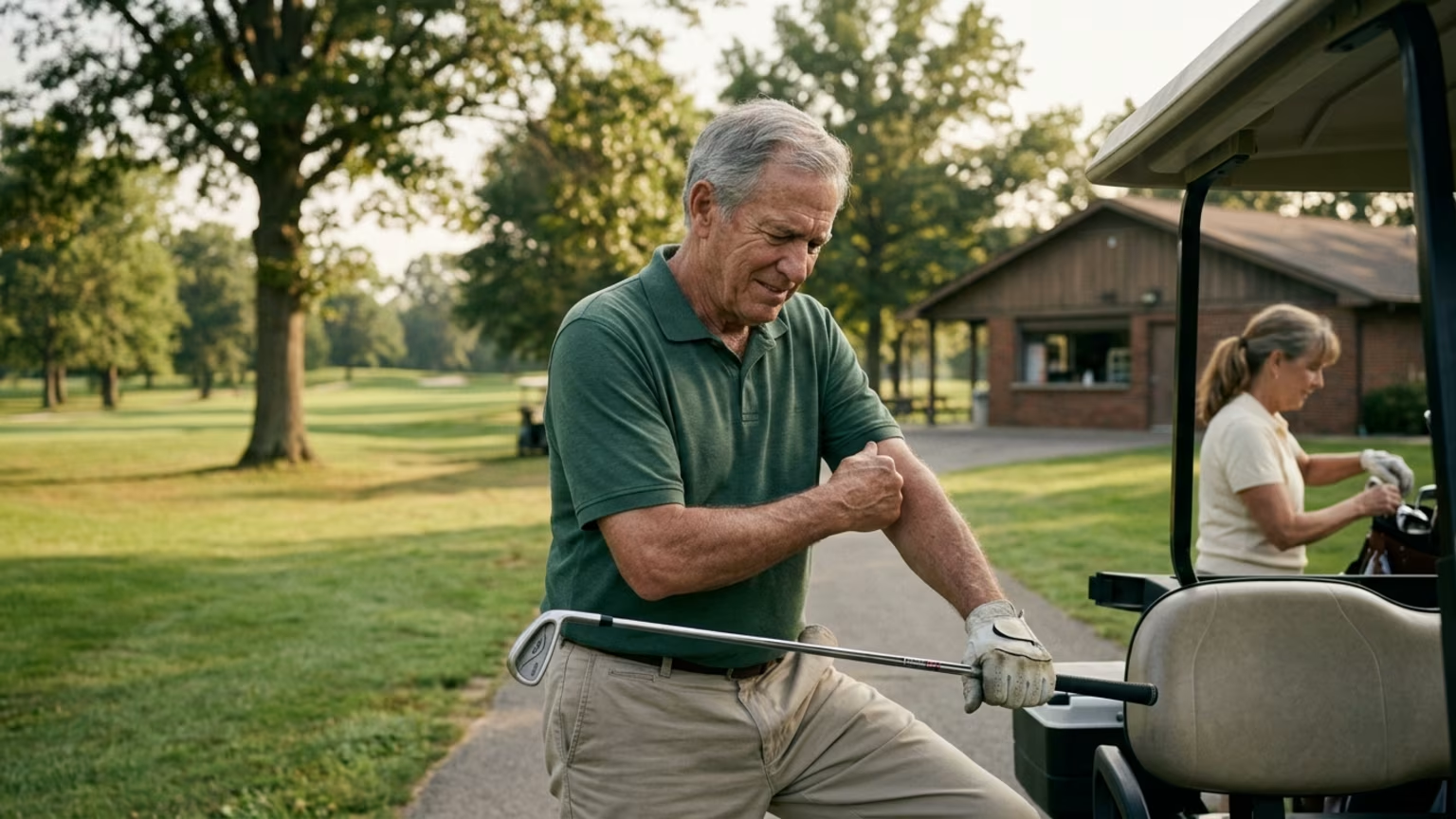
Learn why golfers over 40 recover more slowly after a round and how to adjust your weekly routine. Read practical, science-backed tips to protect your mobility.


Learn why the Samsung Galaxy Walkathon's 6,100 daily step target is a practical habit for older golfers to build baseline stamina and protect joint health.
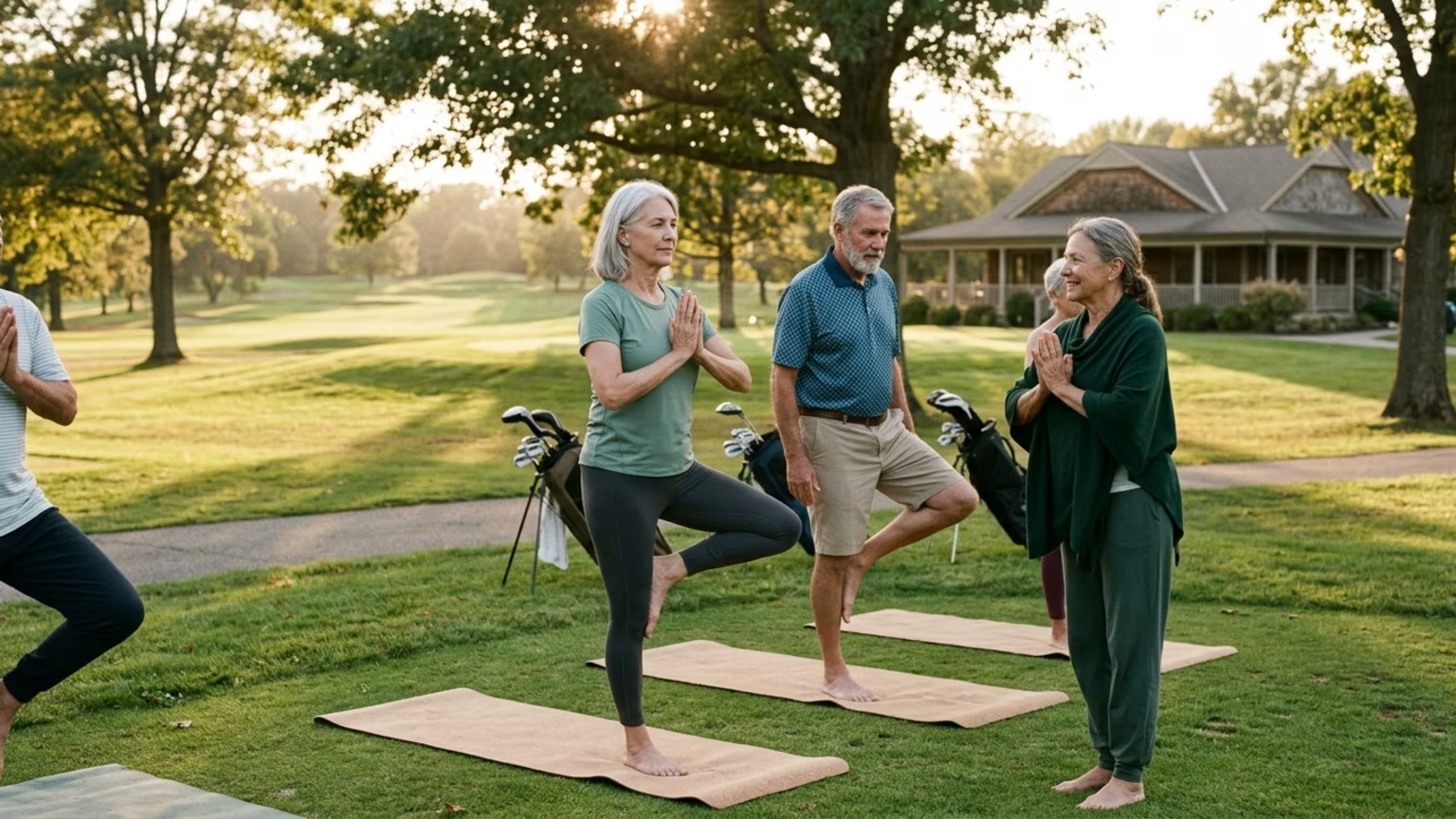
Learn how an Economic Times guided yoga routine offers ageing golfers safe poses for balance, strength and mobility without risking injury on the course.
Explore practical resources on performance, recovery, mobility and golf longevity.
Read the Blog