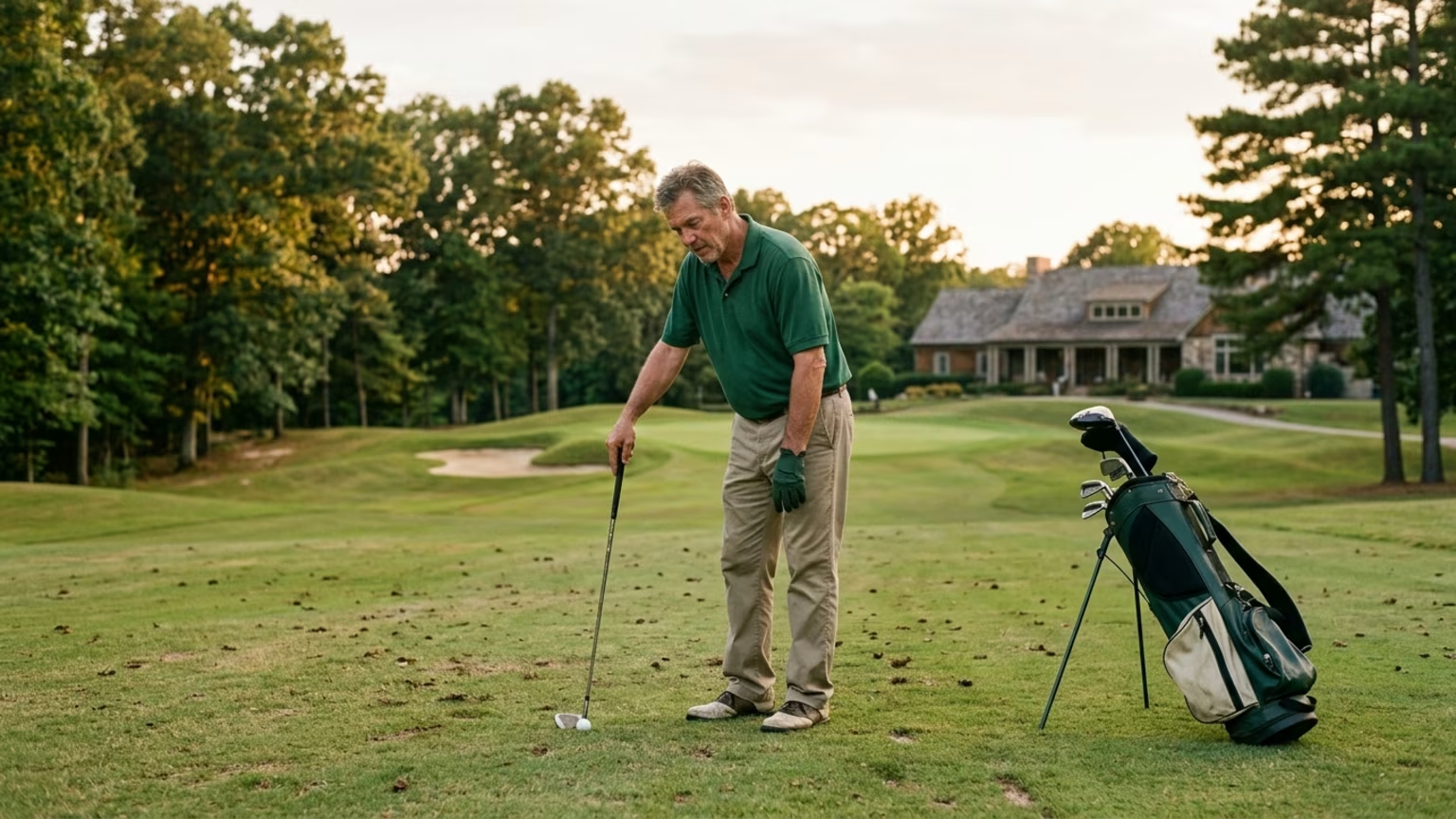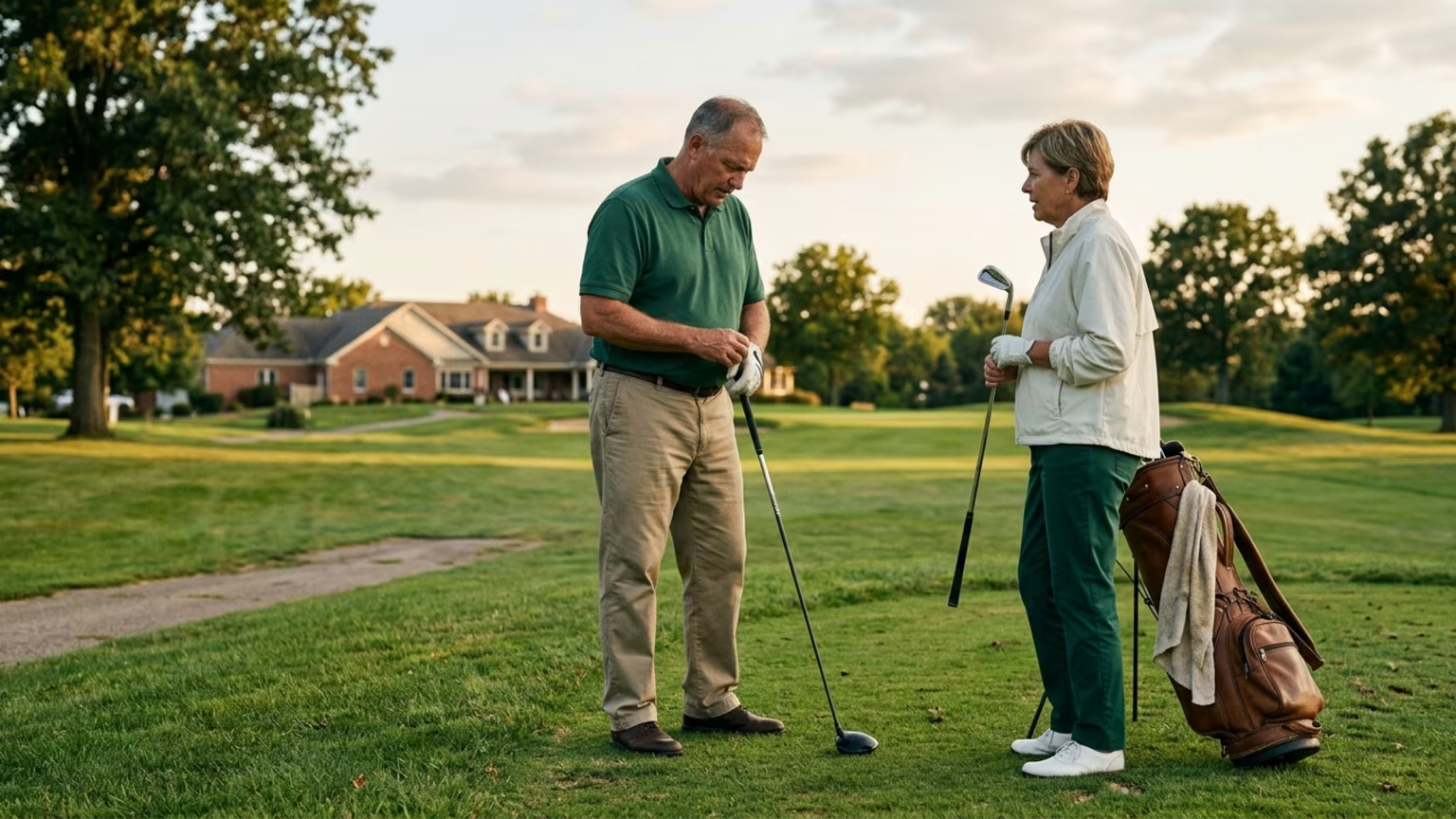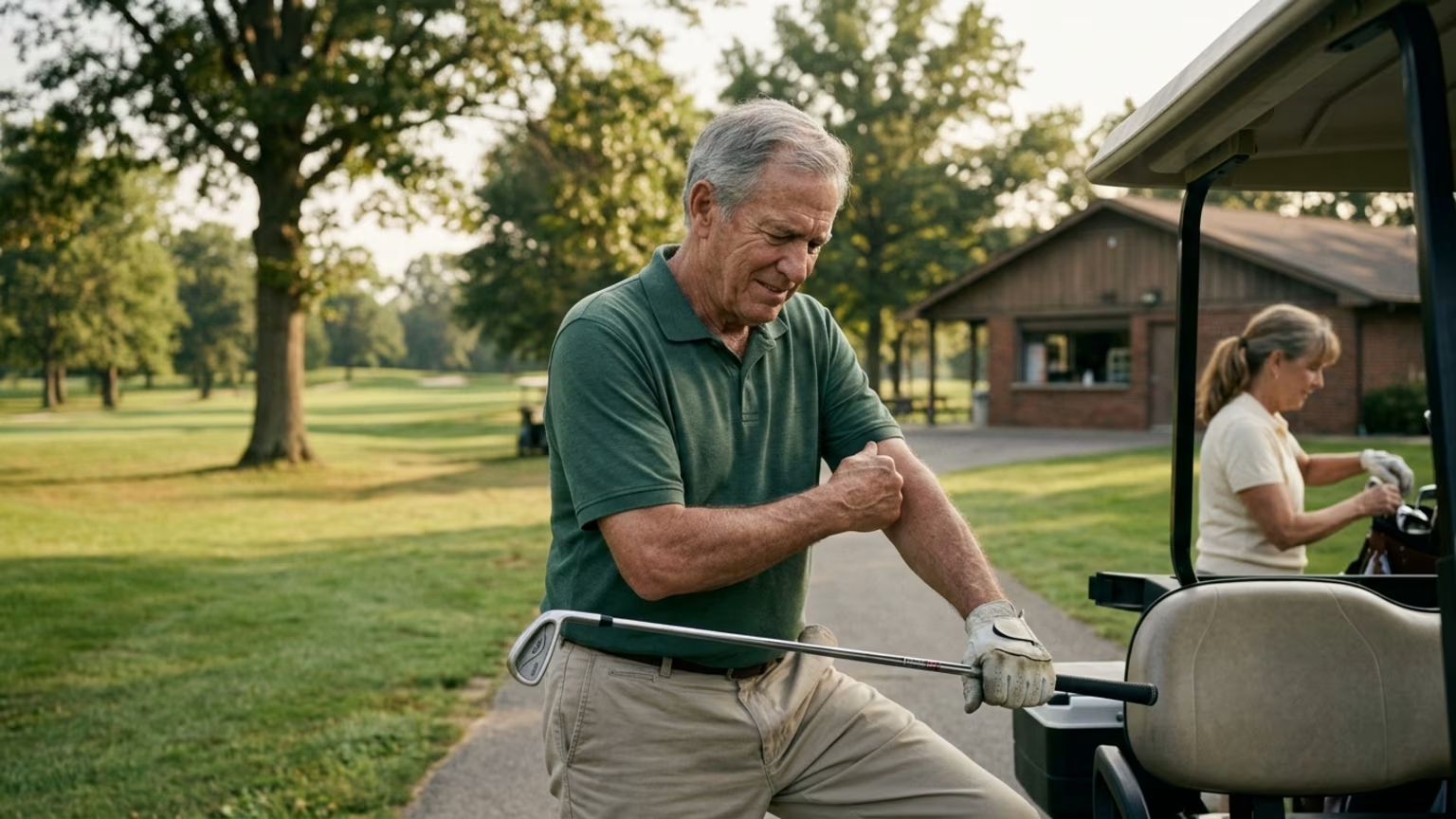

Learn why golfers over 40 recover more slowly after a round and how to adjust your weekly routine. Read practical, science-backed tips to protect your mobility.




On September 25, 2026, The Sydney Morning Herald reported on why older adults recover from exercise much more slowly. The article cited research showing that normal muscle stiffness can linger much longer as we age. For many recreational golfers, this reality hits hard on a Sunday morning after a great Saturday round. The tension between wanting to play more and waiting for your body to bounce back is a constant physical challenge.
The physical mechanics behind this slower bounce back involve two main biological changes. According to the Sydney Morning Herald, older adults may face greater susceptibility to exercise-related muscle damage and slower muscle regeneration. Researchers suggest a concept called inflammaging might play a major role in this process. This increasing chronic inflammation can impair how efficiently your muscles repair themselves after a strenuous round.
Muscle mass naturally begins to decline during your 30s. Older adults tend to lose more fast-twitch fibers than slow-twitch fibers. Because fast-twitch fibers are responsible for force and power, your body has to work much harder to generate clubhead speed. This extra effort can create more tissue damage and prolong your recovery time.
Normal post-exercise stiffness and soreness commonly fade within 24 to 72 hours. These sensations often become much more noticeable with age. You might feel tight in your lower back or shoulders for several days after a heavy weekend of play. However, the science on exact recovery timelines remains mixed.
A 2023 review summarized by Men's Journal looked at 27 studies involving adults aged 65 and older. The authors found substantial differences among the studies. This review concluded that the evidence was not strong enough to establish precisely how quickly older adults recover. The researchers found no clear consensus on the magnitude of the age effect.
There is no universal timeline for how many rest days an older adult might need. Your timeline depends heavily on your training status, sleep, and medical profile. This means you should base your rest schedule on how you actually feel rather than a rigid calendar. Tracking your next-day physical response is far more reliable than guessing based on your age.
Golfers over 40 face a high risk of delayed recovery because of changing daily activity levels. Exercise physiologist Christopher Hurst argues that slower recovery is not caused strictly by biological aging. Many people become much less active as they age, and this reduced activity contributes directly to muscle loss. When you spend most of your week sitting, a sudden four-hour walk on the golf course is a major physical shock.
When you string multiple days of golf together without adequate preparation, the tissue damage accumulates quickly. A golf trip often involves consecutive rounds that your body simply has not trained for. The sudden spike in walking distance and swing count forces your aging muscles past their breaking point. This is why a gradual progression of walking and active days before a trip is highly recommended.
The saddest thing I have seen in golf is watching lifelong playing partners slowly drop out of our weekend group. It usually starts with a nagging shoulder or knee issue they ignore until it requires surgery. That pattern is exactly why I became obsessed with golf longevity. We do not have to stop playing as we age, provided we do the right maintenance work between rounds.
Your warm-up routine plays a huge role in how vulnerable you are to muscle damage. I used to stand on the first tee doing long, static hamstring stretches because I thought it was the right way to warm up. I would actually feel weaker on my first drive. Research later showed me that dynamic movements prime the nervous system much better. For example, you can protect your muscles from early strain if you focus entirely on turning your trail hip during an active practice swing.
Dr Asad Siddiqi advises that older adults need deliberate maintenance to remain ready for sport. You should not just stop exercising when your recovery becomes more difficult. Hurst recommends reducing your workout intensity when recovery consistently takes longer. You should also pull back if your fatigue increases or your golf performance begins to decline.
On the course, you have several options to reduce the physical stress of a round. Golf-specific guidance suggests that older players can manage their energy by using a cart or moving to the forward tees. You might choose to play nine holes instead of a full eighteen, or consciously limit your practice swings when you feel tired. Taking planned breaks during a hot afternoon can also help prevent severe muscle damage.
You can build a more resilient body off the course by varying your physical activities. The Sydney Morning Herald experts recommend maintaining a mix of strength, aerobic, balance, mobility, and weight-bearing activity. This whole-body approach helps maintain bone density and protects against sudden fractures. For golfers, this means balancing your time on the driving range with simple strength work and progressive walking.
The article notes that adults are advised to perform muscle-strengthening activities at least two days per week. They should also aim for at least 30 minutes of moderate to vigorous activity on most days. However, adults over 65 must apply these broad guidelines carefully while keeping their personal medical history in mind. You should consult a medical professional before drastically changing your exercise routine.
Nutrition also drives how quickly your muscle tissue rebuilds between rounds. Exercise physiologist Kelyssa Hall points out that hydration and adequate protein are crucial when someone is more tired than usual. Older muscles become less efficient at using dietary protein. Therefore, you should structure your post-round nutrition to include protein evenly throughout the day rather than eating it all in one large meal.
A common myth is that you must accept constant soreness as a normal part of getting older. Hurst says that needing an additional recovery day is not necessarily a problem. Sleep quality, medication, and other daily factors can drastically affect your readiness for the next session. Looking at your sleep habits is a smarter step than blaming every ache entirely on your chronological age.
Another misconception is that taking time off means you are losing your fitness. Hurst describes recovery as the active period in which the body carries out physiological adaptation. Resting is not lost training time, but rather the specific window when your muscles rebuild and get stronger. Adjusting your weekly routine to include active recovery days will actually improve your long-term performance.
Many recreational players mistakenly treat persistent pain as ordinary post-exercise soreness. The experts caution that worsening pain is a clear warning sign, not a badge of honor. You should consider lower impact alternatives when a health condition makes your usual routine painful. Consulting a medical professional before forcing your way through an injury is always the smartest play.
Aging changes how our bodies respond to the physical stress of a golf round. Understanding these biological shifts allows you to build a strategic post-round protocol for your specific needs. By adapting your routine, you can keep playing the game safely for many more years. What adjustments will you make to your mobility routine this season to steer clear of this hazard?
Follow Golfergy for practical insights on performance, mobility, recovery and healthy ageing. Stay connected for new articles, research-led guidance and ideas to help you play better for longer.


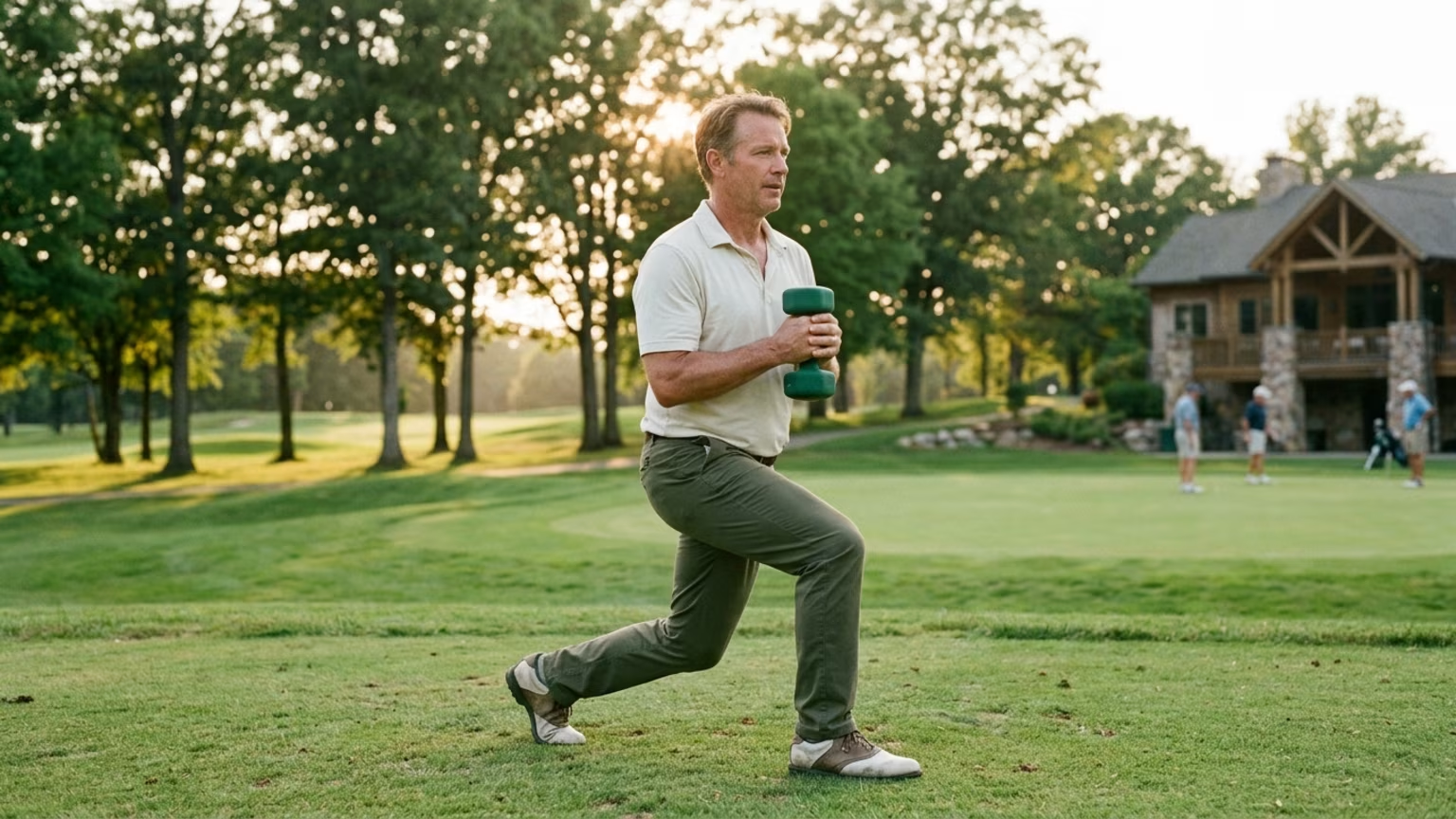
A practical guide translating TIME's recommended strength exercises for older adults into actionable fitness habits for golfers over 40.

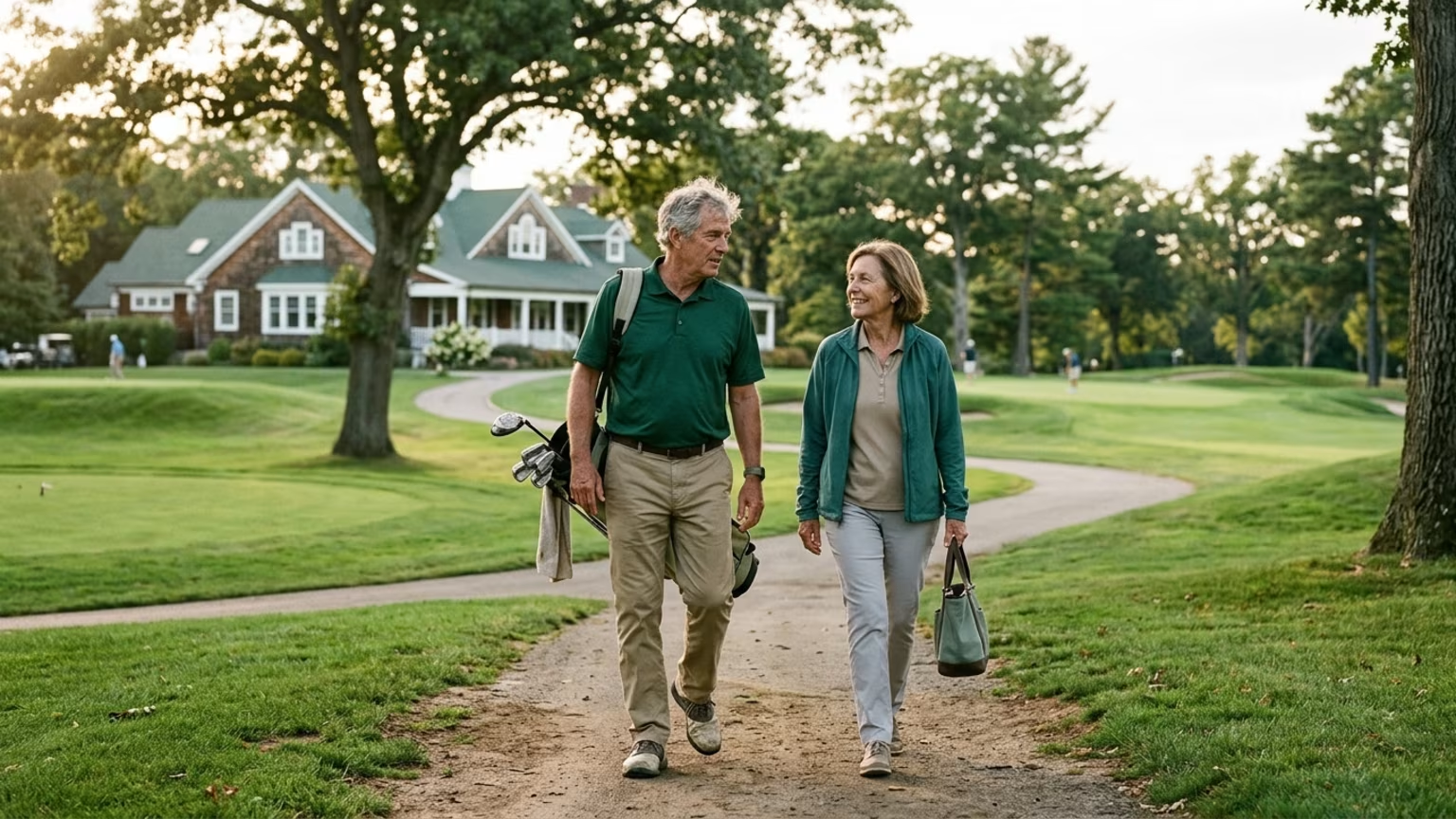
Learn why the Samsung Galaxy Walkathon's 6,100 daily step target is a practical habit for older golfers to build baseline stamina and protect joint health.
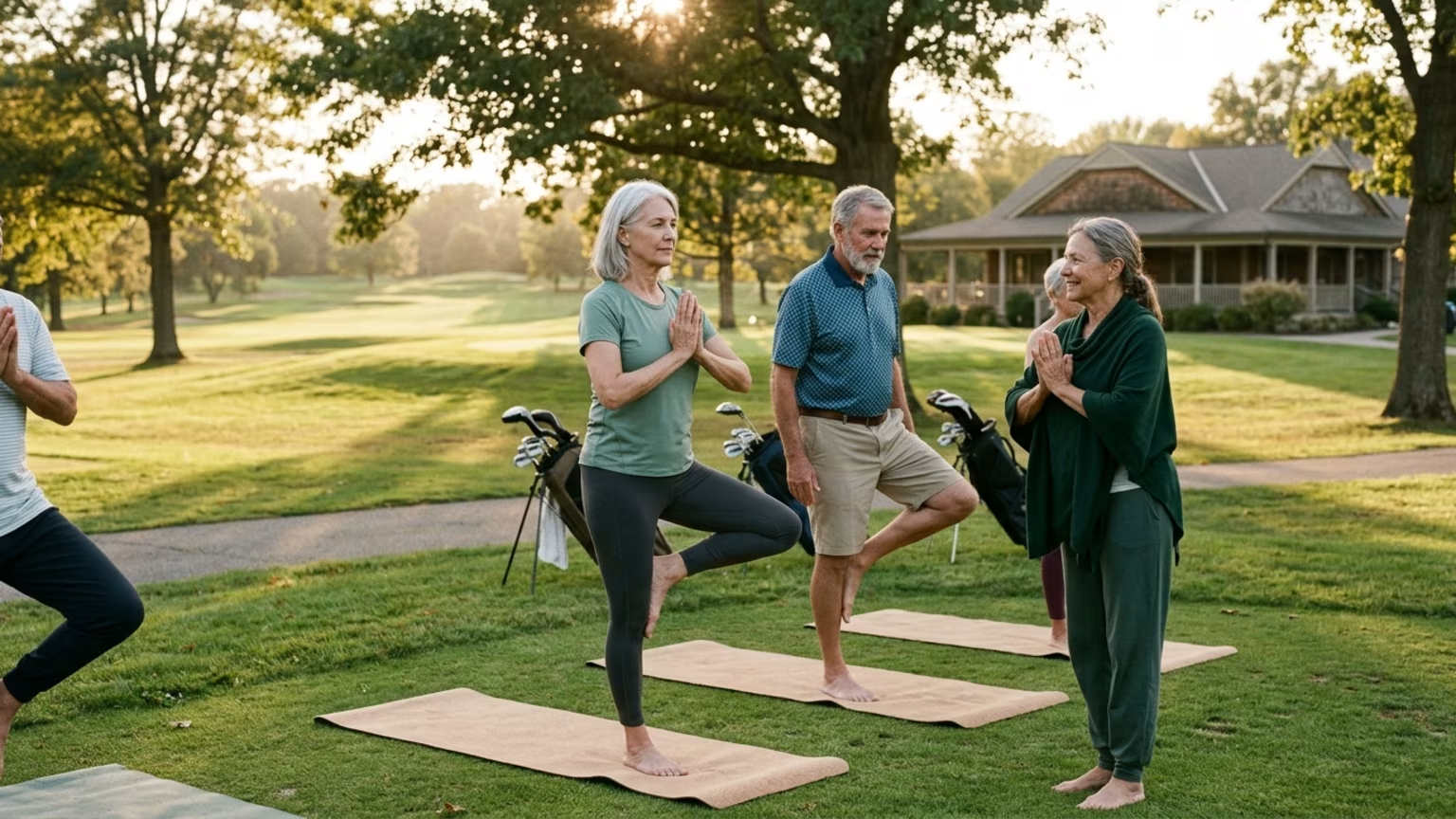
Learn how an Economic Times guided yoga routine offers ageing golfers safe poses for balance, strength and mobility without risking injury on the course.
Explore practical resources on performance, recovery, mobility and golf longevity.
Read the Blog