
Discover why older golfers lose stability on the course and how practical dynamic balance training can protect your hips and improve your swing control.




On September 18, 2026, SportsBull published an article detailing a balance program designed by Total Golf Fitness trainer Kazuhito Kobayashi. The routine targets older recreational players who want to maintain their stability on the course. Kobayashi brings more than 30 years of golf experience to his coaching practice. He has even applied weight transfer techniques from skiing to help players control their bodies during the golf swing.
The article addresses a physical limitation that eventually frustrates many older players. Golfers often begin staggering at the finish line or losing their balance on sloping lies. It becomes increasingly difficult to play confidently in strong wind. Finding practical ways to improve golf performance begins with identifying these small changes in your physical abilities.
To understand why players lose their footing, we have to look closely at the mechanics of the lower body. The golf swing relies entirely on single-leg loading and controlled hip rotation. During the downswing, your lead hip joint must accept the rapid shifting of your total body weight. The pelvis then rotates aggressively around that firmly planted leg.
If the supporting hip lacks strength or mobility, the pelvis will open prematurely or shift completely out of position. This places severe strain on the lower back and knees as the body tries to forcefully stop the rotation. When a golfer swings from an uneven lie, the demands on the lead hip multiply. Poor dynamic balance means the surrounding tissues must absorb all that excess force instead of transferring it safely.
Consistent physical training offers clear performance benefits for older players willing to put in the work. A 2026 systematic review of physical training interventions in golf recorded measurable gains in swing power. The study found estimated improvements of 1.05 meters per second in clubhead speed and 10.55 meters in total distance. Mobility and stability markers also show strong responses to regular practice.
A review cited by a Japanese orthopedic clinic noted a 13.3 percent improvement in the Timed Up and Go test. This result followed one 12-week golf training study. These findings reinforce the idea that targeted exercises can produce real changes in movement quality. Spending time on your fitness away from the course pays dividends when you step onto the first tee.
Older recreational golfers are especially vulnerable to losing their balance on the course. A 2026 systematic review found that resistance training improves balance-related physical performance in older adults with sarcopenia. This age-related decline in muscle mass makes it much harder to control the body on windy days or uneven grass. Another 2026 meta-analysis found that specific perturbation-based balance training reduced injurious falls by 24 percent compared with controls.
A separate 2026 review of proprioceptive exercise interventions reported a significantly lower incidence of falls in the training group. The researchers noted an incidence-rate effect estimate of 0.71 for the participants. These physical changes explain why injury prevention strategies must evolve as we get older. Our bodies simply require more specific maintenance to handle the rotational forces of the game safely.
The saddest thing I have seen in golf is watching lifelong playing partners slowly drop out of our weekend group. It usually starts with a nagging shoulder or knee issue they ignore until it requires surgery. That pattern is exactly why I became obsessed with golf longevity. We do not have to stop playing as we age, provided we do the right maintenance work between rounds.
The SportsBull article suggests three practical drills to help golfers train their dynamic balance. These movements require no equipment and fit easily into any mobility routine. The author recommends performing 10 repetitions on each side for all three exercises. Golfers who experience pain or repeated loss of balance should consult a professional before adding single-leg exercises.
First, try the single-leg forward hinge to build foundational stability. Stand on one leg and shift your weight firmly onto that supporting limb. Lean your upper body forward slowly and then return to the starting position. Focus entirely on preventing your pelvis from opening as you move.
Next, perform the single-leg rotation to simulate the demands of the golf swing. Stand on one leg again and rotate your body smoothly from side to side. You must initiate this movement from the supporting hip rather than just twisting your shoulders. This specific drill trains the body to turn around a stable post safely.
Finally, practice the quadruped diagonal reach to challenge your coordination. Begin on your hands and knees on the floor. Extend your opposite arm and leg along a diagonal line simultaneously. If continuous movement feels too difficult, simply return your hand and foot to the floor between repetitions.
The quadruped diagonal reach is an excellent starting point for players who feel unsteady on their feet. Because your hands and knees remain close to the ground, the risk of falling is virtually eliminated. This drill trains the nervous system to coordinate the upper and lower body simultaneously. Mastering this cross-body connection translates directly to a smoother sequence during the golf swing.
Timing also matters when you are trying to protect your body from injury. The Japanese orthopedic clinic review noted that golfers who performed more than 10 minutes of warm-up had fewer injuries per person in one study. Adding a few balance drills to your first-tee warm-up is a great way to prime your nervous system. Preparing the body properly before you swing can prevent a host of mechanical issues.
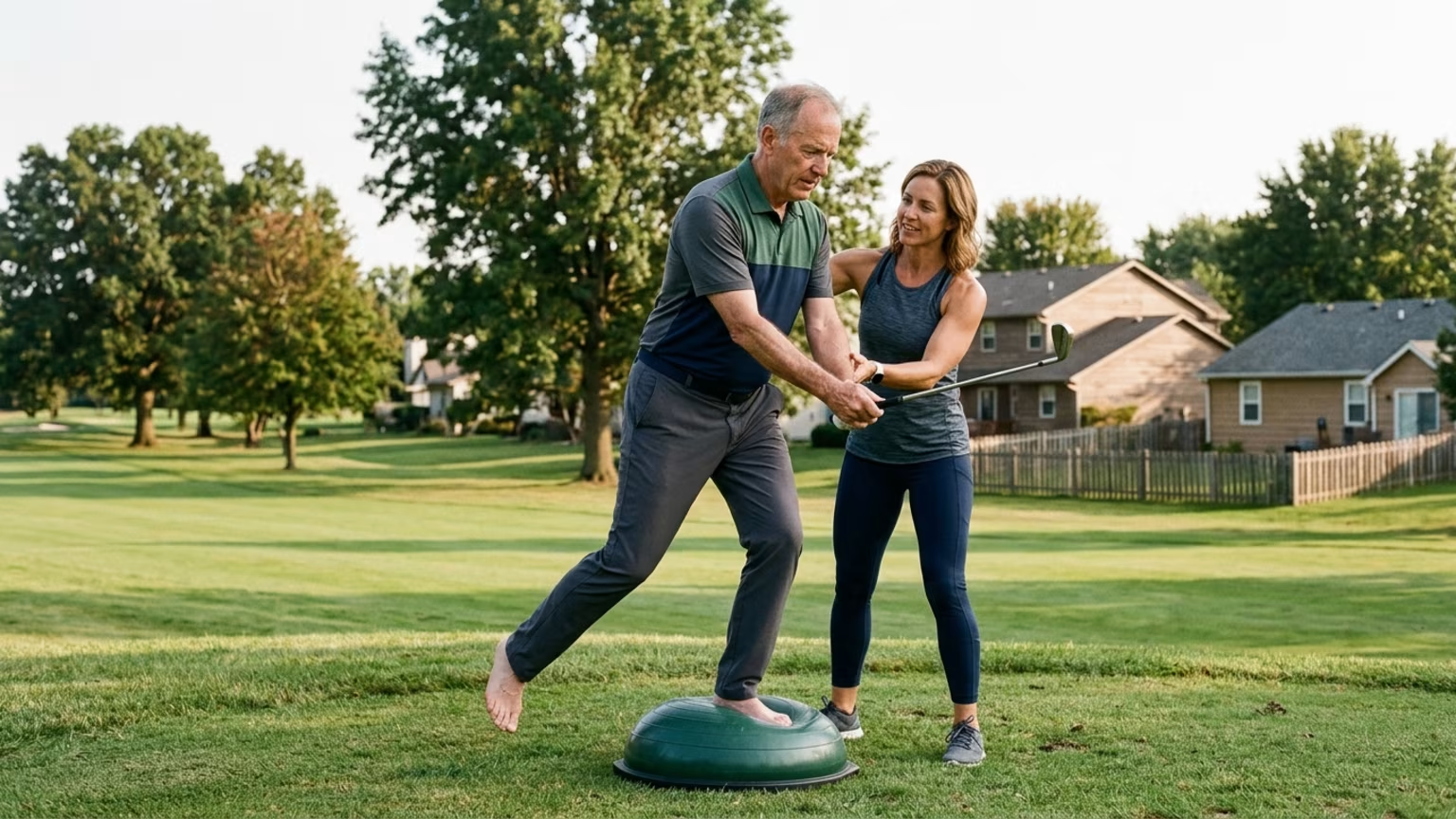
Many players operate under the misconception that balance is entirely static. They assume that if they can stand still on one leg, they have good balance for golf. However, static balance only relates to holding your address posture steadily over the ball. Dynamic balance is the critical ability to maintain your stability while moving at speed.
The golf swing demands high levels of dynamic balance because your body is constantly shifting weight and rotating. Training yourself to stand still will not prepare your joints for the violence of the downswing. You have to challenge your body in motion to build true functional stability for the course. Working on these movement patterns at home directly translates to better control on the grass.
Building better stability takes time and consistent practice away from the course. Taking a few minutes each day to challenge your hip control can help you stay balanced on uneven terrain. This simple habit might protect your joints from unnecessary strain during your weekend rounds. What adjustments will you make to your mobility routine this season to steer clear of this hazard?
Follow Golfergy for practical insights on performance, mobility, recovery and healthy ageing. Stay connected for new articles, research-led guidance and ideas to help you play better for longer.


Excessive lower-back arching at address strains your golf swing. Read how players over 40 can use better hip mobility and dynamic warm-ups to prevent pain.

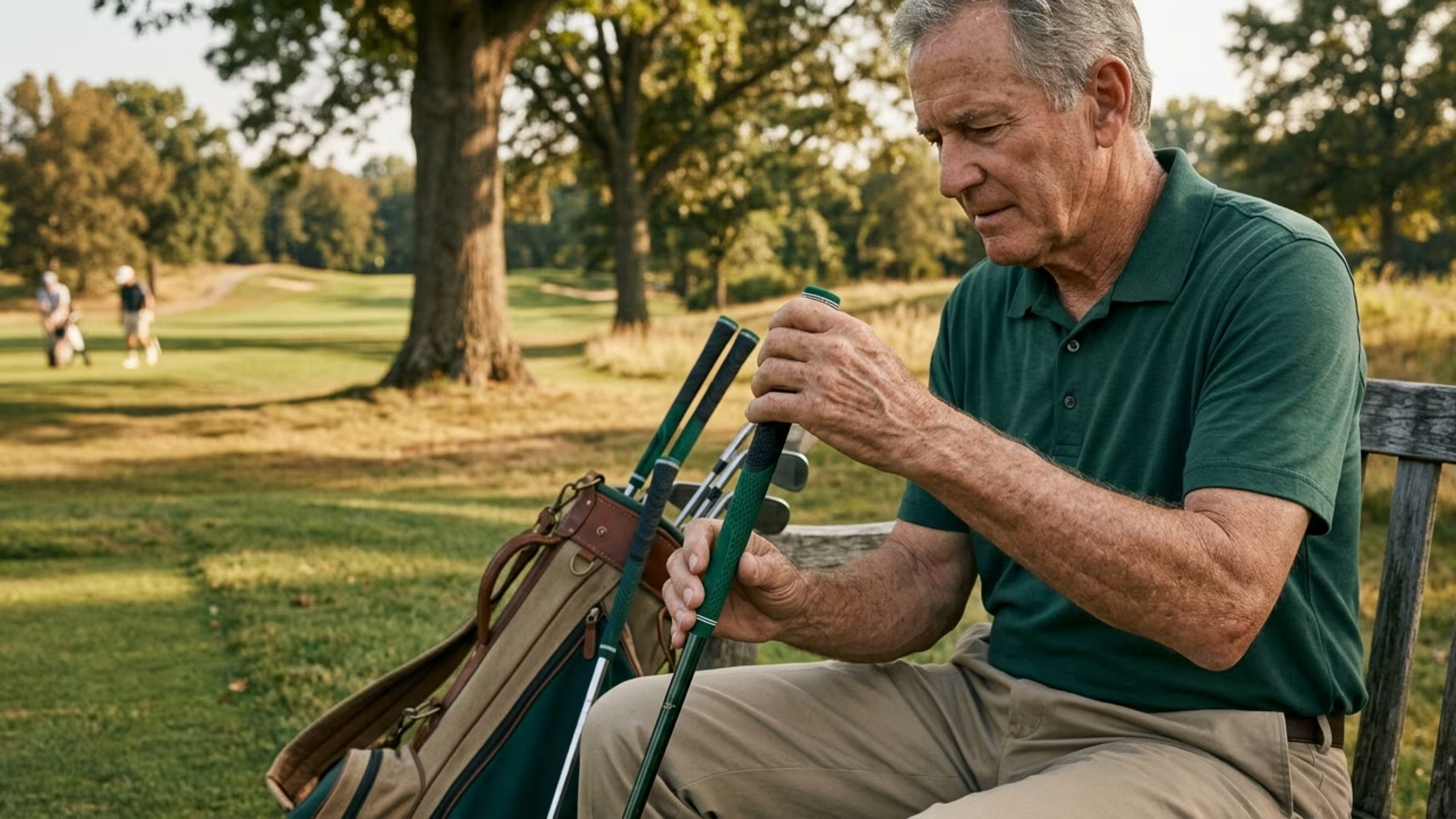
Learn how Golf Pride's new CP grip and dynamic mobility habits can help older golfers reduce hand tension, manage repetitive strain, and protect their joints.
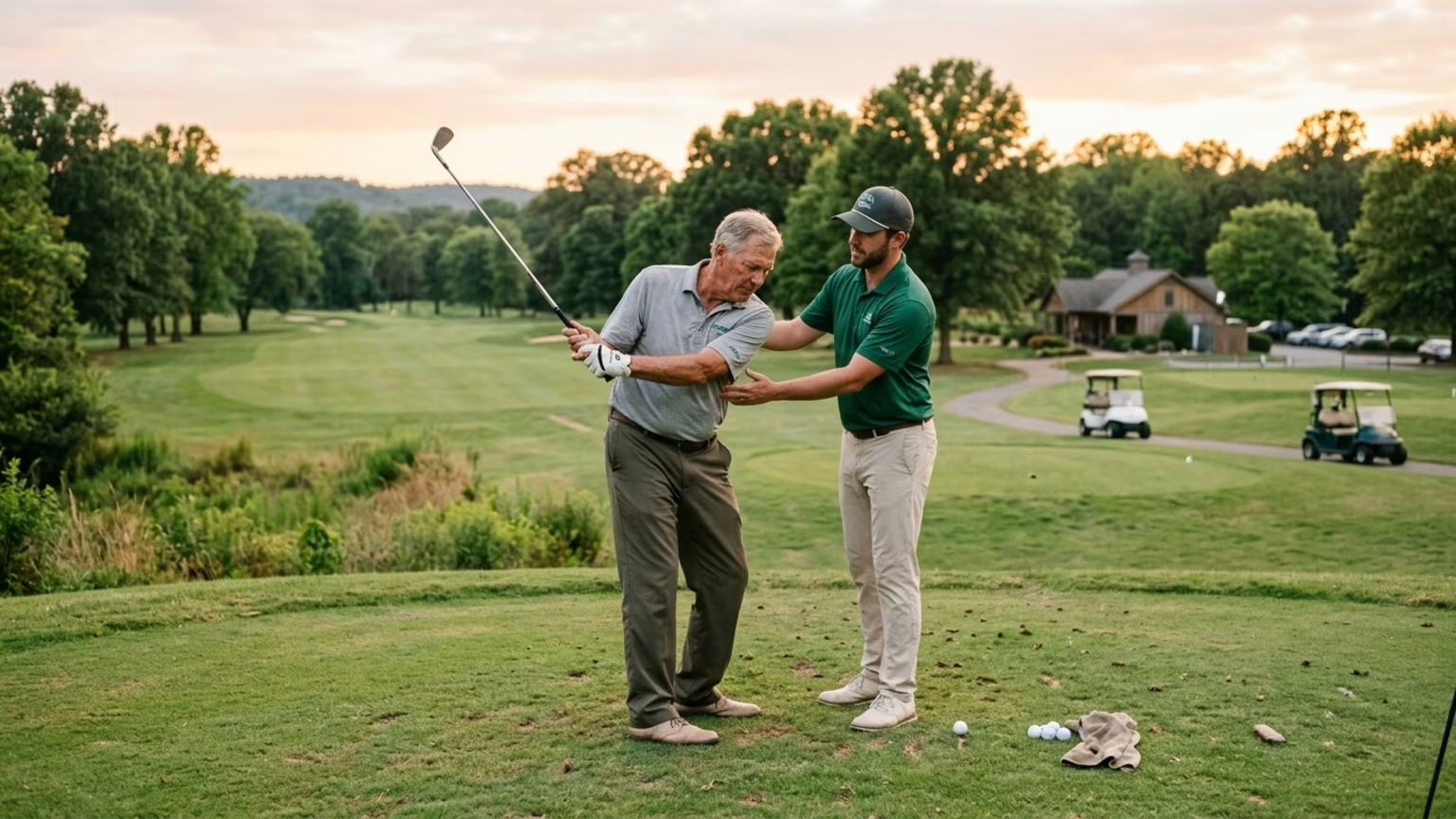
Golf.com detailed three pro-approved drills for better hip rotation. Learn how older golfers can adapt these sequencing exercises to protect their lower back.
Explore practical resources on performance, recovery, mobility and golf longevity.
Read the Blog