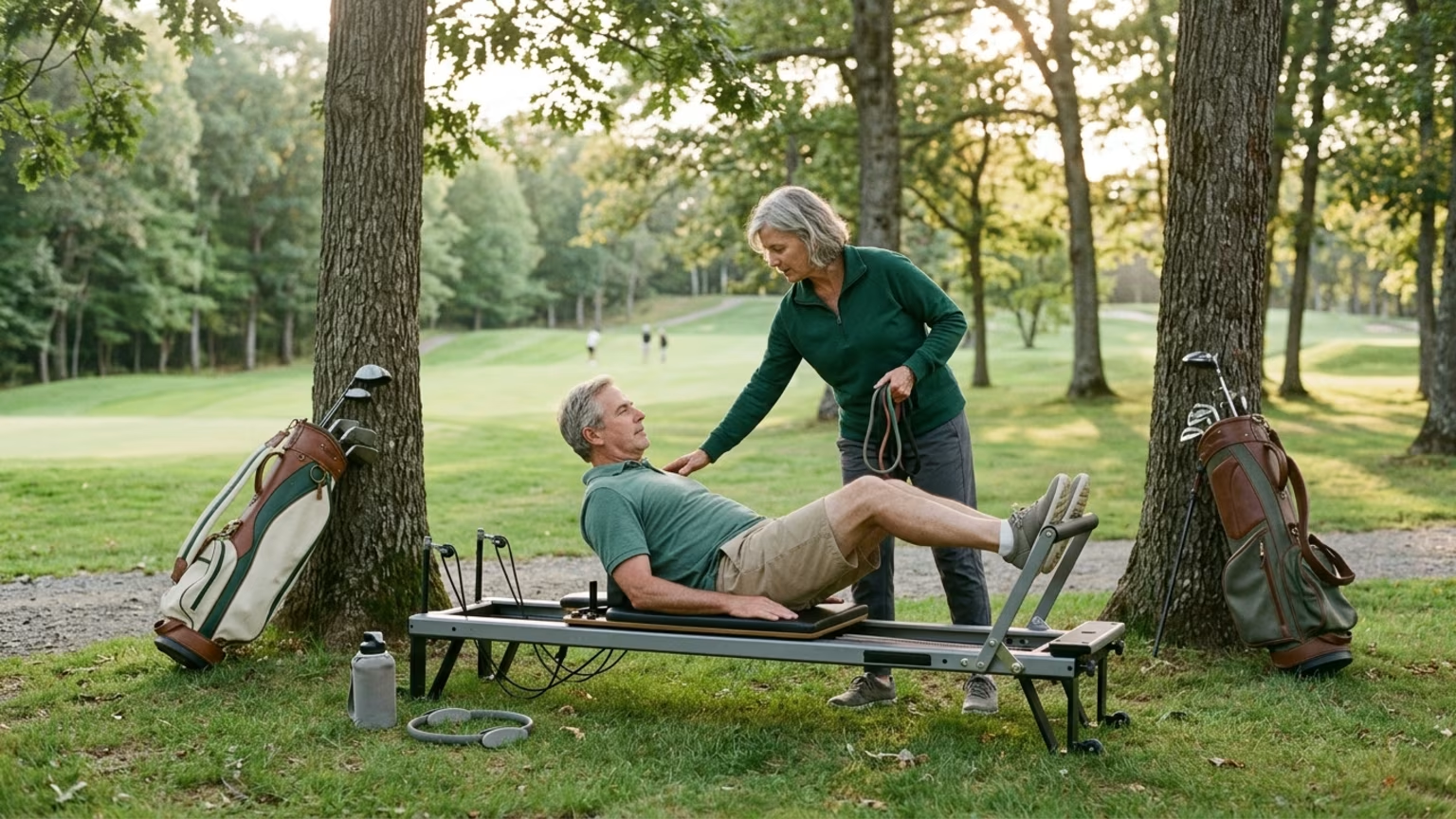

Discover a practical golf mobility schedule for before, during, and after your round. Learn how to balance dynamic warm-ups and static stretching for longevity.




You just walked off the eighteenth green after a humid morning round, and now your hips feel like concrete as you unlace your shoes at the trunk. We know that staying loose is a requirement for playing good golf as we age. However, the timing of our mobility work often causes confusion on the practice tee. Experienced players frequently wonder if they should hold long stretches before a round or save them for the drive home.
A few years ago, I noticed my swing falling apart around the fourteenth hole. My lower back would tighten up, and I started compensating with my arms to generate clubhead speed. I spent months thinking it was a swing flaw. It was not until I started a simple evening hip mobility routine that I realized my glutes were just turning off from fatigue.
Fixing that one physical limitation brought my back nine scores down drastically. It also taught me a valuable lesson about the timing of physical preparation. The way we treat our bodies before a round dictates how we perform during those final four holes. We need a clear system for daily physical maintenance that actually supports the demands of the game.
Golfers usually find themselves choosing between active warm-ups before play or deep stretching after the round. Active warm-ups involve moving your joints through their available ranges of motion. Deep stretching requires holding a static position for a long period of time. It is easy to see why players get these two approaches mixed up.
Older golfers want to prevent injuries while maintaining their rotational power. Some players spend ten minutes on the practice tee touching their toes. Other players skip the warm-up entirely and only stretch when they feel sore. We need to evaluate both methods to understand how they affect the golf swing.
Static stretching involves placing a muscle in a lengthened position and holding it still. This method is an excellent tool for maintaining flexibility over a long period of time. You can safely use these holds to address specific mobility restrictions on a non-playing day. Longer stretches feel relaxing and can temporarily increase your freedom of movement.
The scientific evidence shows clear limitations for post-round recovery. A systematic review found no significant effect of post-exercise stretching on soreness at 24, 48, or 72 hours. That same review found no convincing benefit for post-exercise stretching on strength recovery or muscle-damage markers. The researchers noted that the available evidence was heterogeneous and of low confidence.
Delayed onset muscle soreness commonly develops several hours after unfamiliar or strenuous exercise. This soreness often peaks roughly two to three days later and gradually subsides over approximately a week. Stretching may produce a temporary feeling of reduced stiffness immediately following a round. That sensation should not be presented as proof that tissue damage or injury risk has been reduced.
Post-exercise stretching has not shown a reliable effect on these specific recovery outcomes. Systematic-review evidence does not support promising that a post-round stretch will materially reduce soreness or accelerate recovery on its own. Golfers should certainly stretch if it helps them feel comfortable. They just need to understand that stretching alone will not magically erase a hard day on the course.
Dynamic mobility uses controlled movements to prepare the nervous system for physical activity. A practical 10-minute pre-round warm-up raises your readiness and rehearses golf-relevant movements. This approach allows you to move your joints through a controlled range before play. Active warm-ups generally prepare the glutes, trunk, and shoulders for the golf swing without creating fatigue.
Many stretching and recovery studies are conducted on young, healthy adults. Those results cannot automatically be generalized to older recreational golfers with arthritis, spinal stenosis, rotator-cuff disease, or hip replacements. Older players need a preparation routine that respects their current physical limitations. A dynamic warm-up focuses on coordinated movement rather than forcing joints into painful end ranges.
When you are getting ready to hit a driver, your muscles need to produce rapid force. Long static holds performed in isolation can actually be a poor choice right before explosive movement. Active mobility is much better suited for preparing your body to swing a golf club safely. You should save the passive stretching for a time when you do not need to hit a golf ball.
Light activation is another key component of an effective pre-round strategy. A few controlled band pull-aparts or bodyweight squats can prepare the relevant muscles for action. The routine should never create a massive pump, shaking, or noticeable physical exhaustion. The objective is simply to rehearse the movement rather than test your maximum distance before the round even begins.
Our goal at golfergy is helping you build habits that keep you on the course for years to come. Both stretching and active movement have a place in your weekly routine. The trick is simply separating the two methods based on what your body needs at that exact moment. You need readiness before the round and targeted flexibility work on your days off.
Before your round, begin with a few minutes of easy walking to raise your body temperature. Move into dynamic exercises like torso rotations and hip hinges. Keep your instructions focused on one small movement at a time, such as focusing entirely on turning your trail hip. Finish your preparation with some light resistance band work and a few partial practice swings.
During the round itself, avoid forcing a deep stretch immediately before a full-speed shot. You can use brief movement resets after long periods of sitting in a golf cart. Walk for a minute when practical, and perform a few gentle shoulder circles. Rehearse one or two relaxed practice swings to restore your movement readiness.
After you hole your final putt, you can begin a strategic protocol for post-round physiological recovery. You might spend five to ten minutes walking easily before attempting comfortable static stretches for your hips and shoulders. These stretches should be controlled, and you should never bounce or force a joint into pain. Stretching remains a reasonable way to work on your flexibility as long as you have realistic expectations.
Your true recovery days are the best time to focus on deliberate flexibility improvements. Begin with light movement, and then use static stretches for areas that genuinely feel restricted. Pair this mobility work with progressive strength training across the week for the best long-term results. Maintaining a usable range of motion is the best way to protect your swing over the next decade.
An effective mobility routine does not have to be complicated or exhausting. By dividing your efforts into active preparation and separate flexibility work, you give your body exactly what it needs. A smart schedule helps you swing freely on the first tee without sacrificing your comfort on the drive home. Choose dynamic mobility and light activation to prepare for the first tee, and save your static stretching for targeted recovery on non-playing days.
Follow Golfergy for practical insights on performance, mobility, recovery and healthy ageing. Stay connected for new articles, research-led guidance and ideas to help you play better for longer.


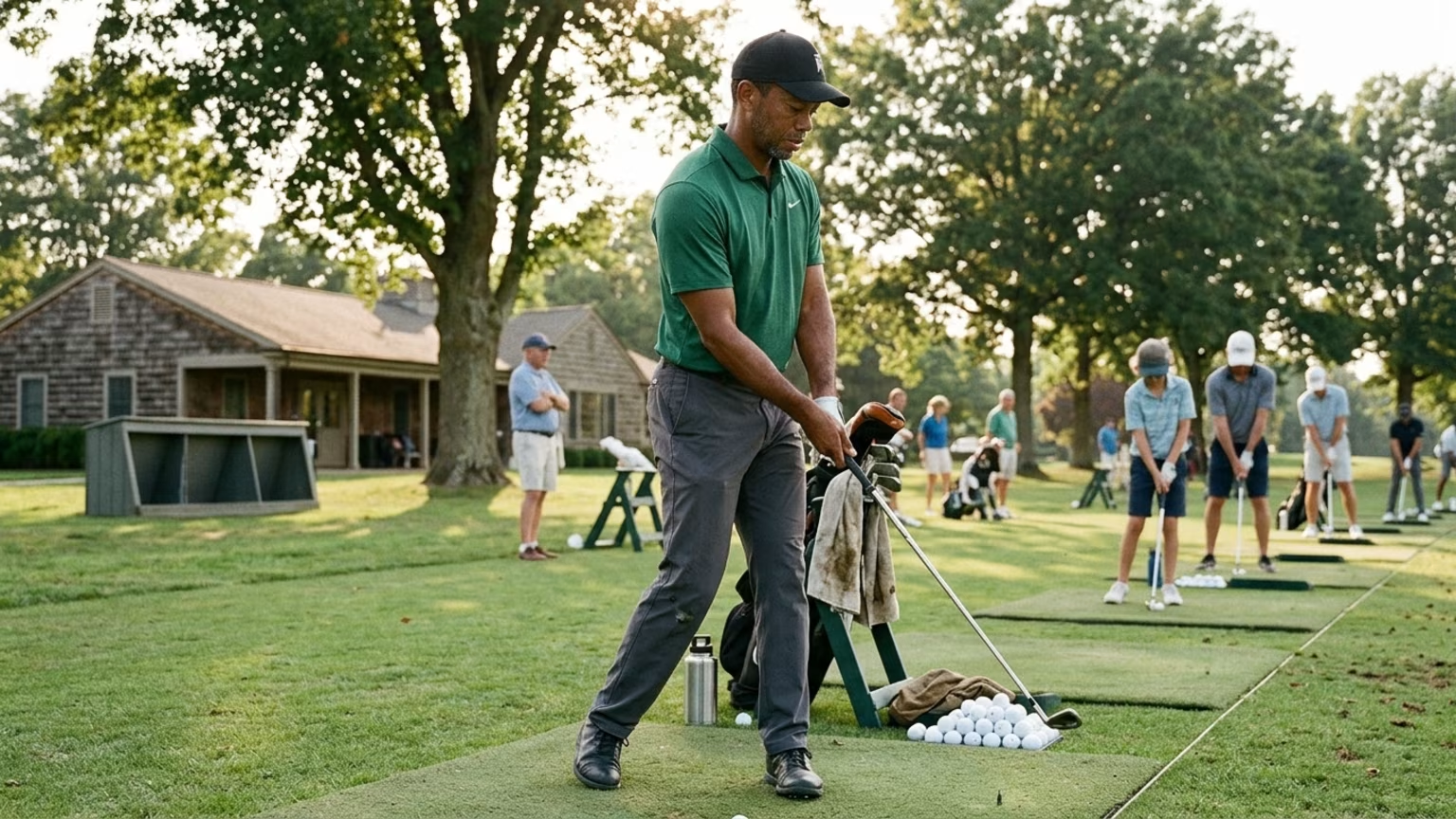
Tiger Woods returning to the practice range highlights the difference between hitting balls and full-round readiness. Learn why mature golfers must pace recovery.

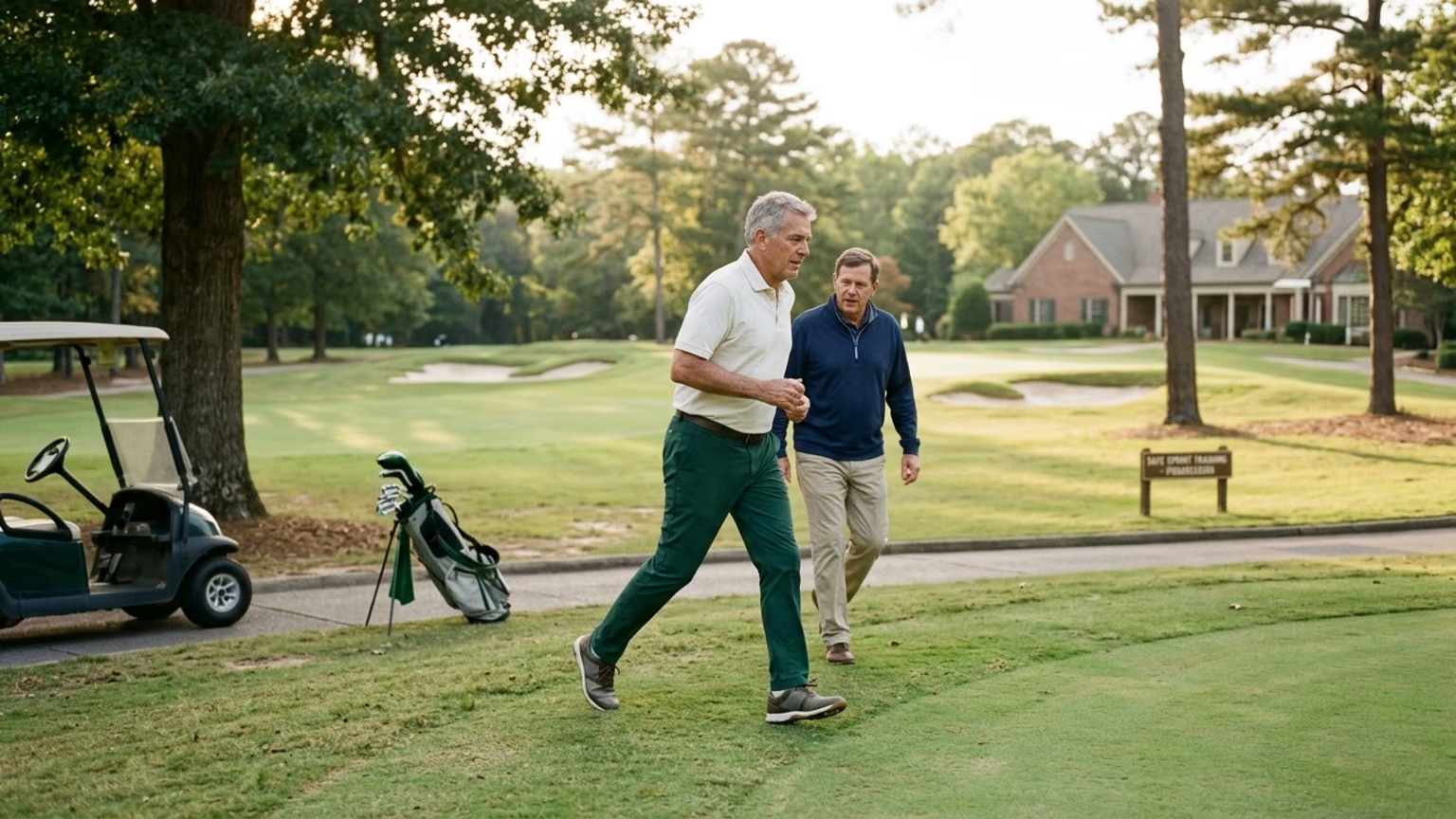
Older golfers can safely build explosive leg power using P4S Golf's guided sprint progressions, dynamic mobility routines, and lower-impact fan bike workouts.
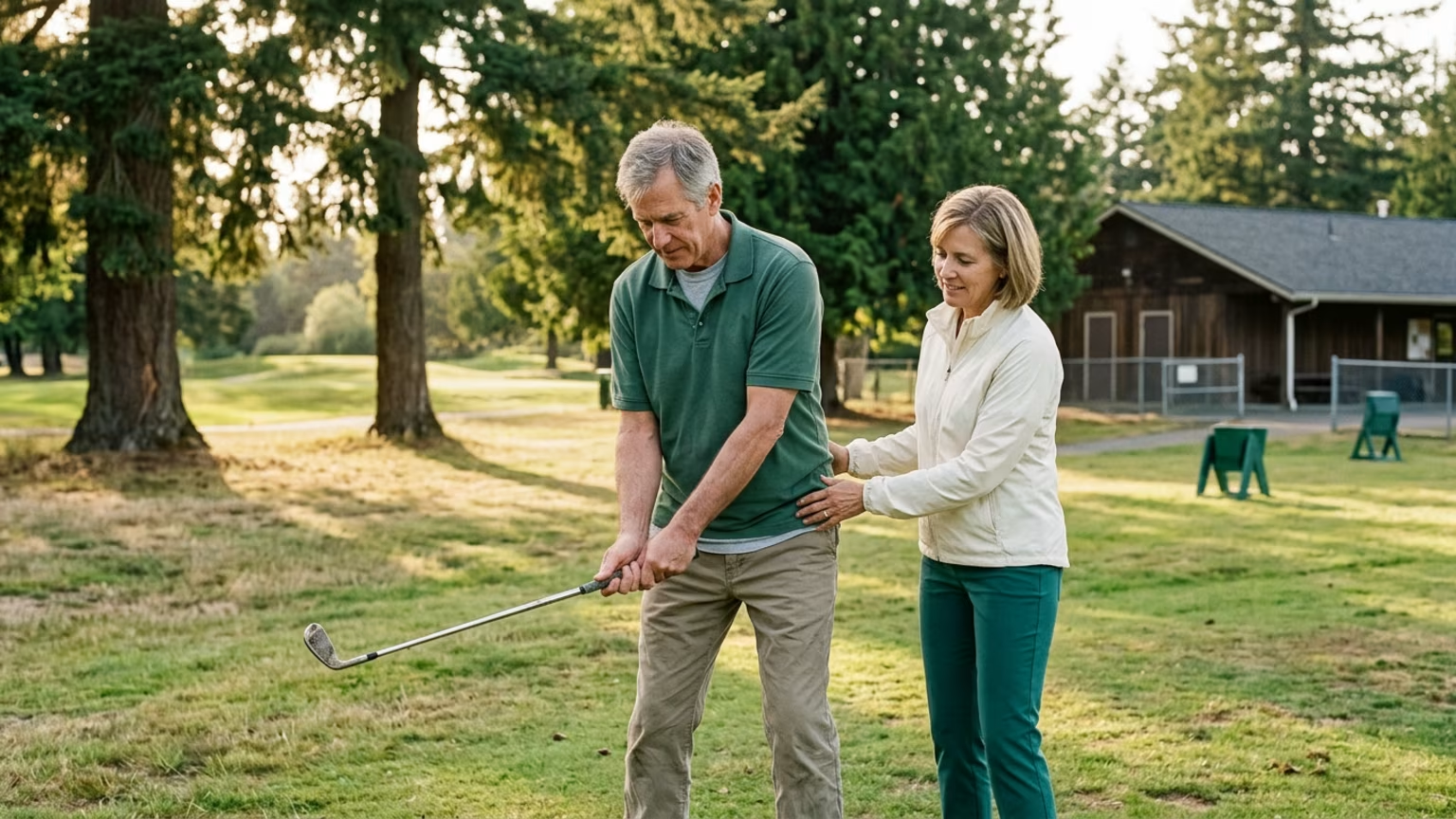
Learn how proper pelvic rotation can protect your back and knees. We review WatchItGolf's recent biomechanics data and share drills for a safer swing after 40.
Explore practical resources on performance, recovery, mobility and golf longevity.
Read the Blog