
Golf Monthly highlighted the Hypershell exoskeleton. We examine the claims and explain why natural mobility protects your golf swing better than any wearable.




On October 6, 2026, Golf Monthly published a report concerning an emerging trend in course mobility. The publication highlighted a limited-time 15% discount on the Hypershell AI-assisted exoskeleton lineup. This specific promotional window ran from October 6 through October 12. The models were made available directly through the manufacturer's website.
The coverage positioned the wearable device as a potential aid for players looking to manage course fatigue. Golf Monthly presented the X Pro S as the model it considers best suited to golfers walking 18 holes. The article did not detail any golfers testing the device on a course. It also lacked a defined study design or participant data specifically related to golf performance.
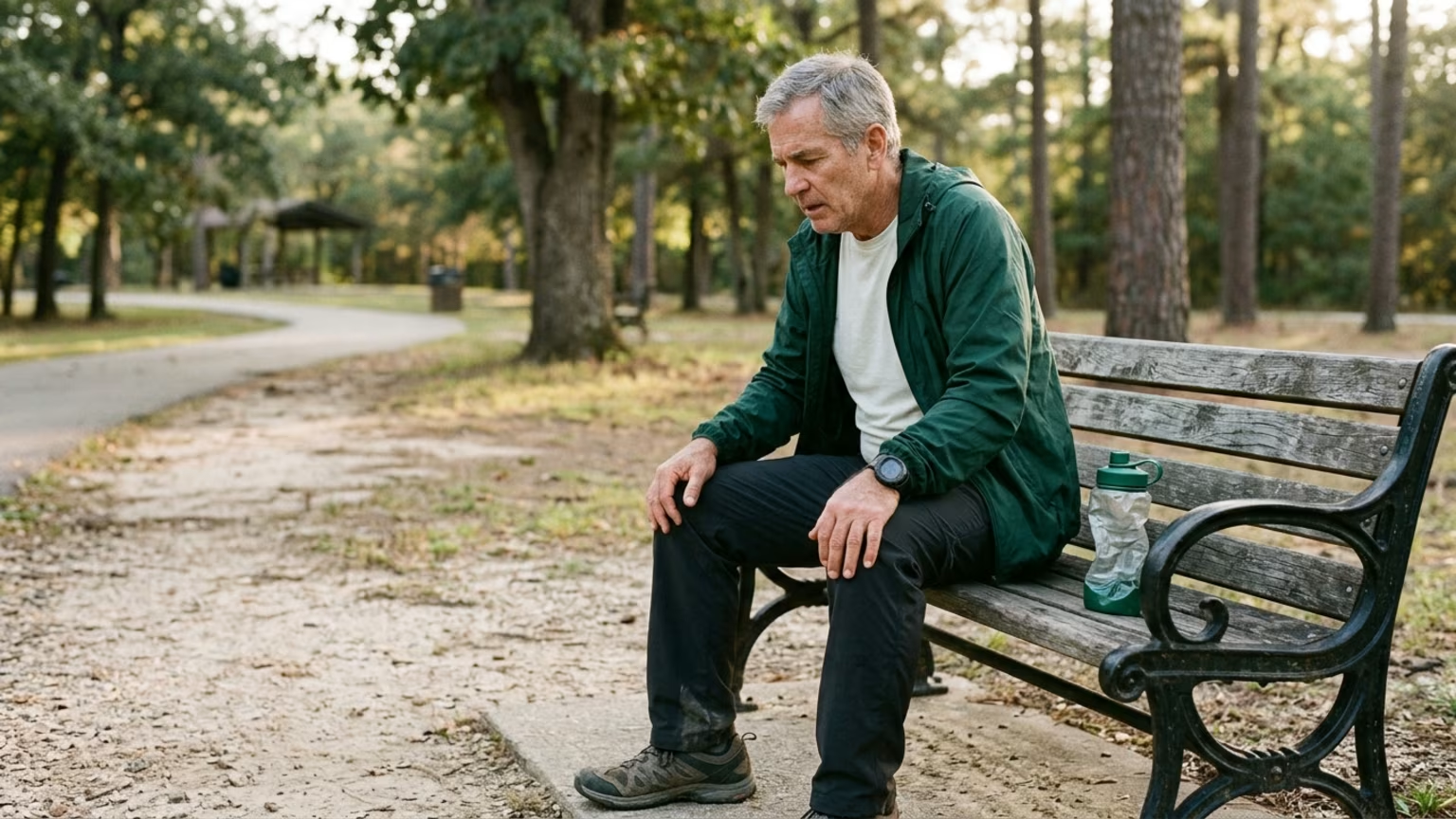
Walking a full golf course places a steady demand on your lower body and spine. The repetitive act of navigating uneven grass requires constant stabilization from your ankles and knees. Over the span of several miles, the muscles that support your pelvis gradually tire out. This physical depletion directly impacts your posture during the golf swing.
When the lower body loses its stability, the upper body often compensates by over-rotating. This subtle shift in mechanics creates an uneven load on the lower back. Your hips are designed to rotate smoothly to generate power and maintain balance. If your legs are exhausted from walking, that rotational efficiency drops significantly.
The body will try to force the movement using the arms and shoulders instead. This forced motion increases the stress on your spinal discs and surrounding tissues. A tired lower body transforms a smooth swing into a rigid and stressful action. Your legs act as the primary engine for transferring force from the ground to the clubhead.
When that engine tires out, the entire biomechanical chain breaks down. The resulting compensations often lead to common golf aches. Maintaining lower body endurance is critical for protecting your back. Your feet are the only contact point with the ground.
When your legs are fresh, they absorb the impact of the swing seamlessly. As those muscles fatigue, the knees take on a disproportionate amount of stress. This added stress can lead to lingering joint soreness after a round.
The Hypershell lineup is marketed specifically to offset this physical demand. Golf Monthly reports that the X Pro S features an 800 W output. The manufacturer states this model provides a 17.5 km range alongside a 97.5% gait synchronization. The device also claims a rapid 0.31-second response time to match the user's movements.
The publication shared additional performance figures for the wider product line. Golf Monthly reports that the Hypershell lineup is said to reduce average heart rate by up to 42.7%. The article also notes a claimed reduction in oxygen consumption by up to 39.2%. These numbers reflect the manufacturer's testing environments rather than independent trials on a golf course.
For longer stretches, the X Max S is described as having a 1,000 W peak output and a 30 km single-battery range. The premium X Ultra S reportedly offers up to a 60 km total range with two batteries. Shoppers must understand that advertised assistance is entirely different from demonstrated clinical performance.
Recreational players over 40 face a unique challenge when balancing endurance and mechanics. Aging joints naturally lose a portion of their elasticity over time. Even if you swing with a smooth tempo, the simple act of walking the course can drain your reserves. This physical reality makes it difficult to maintain a solid foundation during the final few holes.
Players focusing on smart preparation for their weekend rounds know that endurance matters just as much as strength. Older players often spend their work weeks sitting at desks. This sedentary time shortens the hip flexors and weakens the glutes. Adopting simple daily movement habits can help restore hip rotation before the weekend even begins.
When fatigue sets in, the mature golfer often loses their functional mobility. The hips stop turning efficiently, and the swing becomes entirely upper-body dominant. This lack of rotation makes consistent ball striking nearly impossible late in the round. Fatigue robs the older golfer of their natural shock absorbers.
The amateur swing is often built on timing rather than perfect biomechanics. When the lower body tires out, that delicate timing is the first thing to go. The arms rush ahead of the hips to strike the ball. This rushing motion leads to erratic shots and adds further tension to the elbows and wrists.
Wearable technology is not a substitute for foundational physical preparation. To protect your joints, you must focus on building natural strength and flexibility. Start your preparation with a short daily flexibility habit before you leave the house. You can perform simple hip circles to gently activate the muscles around your pelvis.
Focus entirely on turning your trail hip smoothly during these warm-up movements. By actively engaging these muscles, you prepare your joints for the rotational demands of the game. Once you arrive at the course, you need to prime your body for the physical walk. A brief pre-round movement primer helps wake up your nervous system.
Try performing gentle unweighted squats while holding a golf club for balance. This simple movement patterns the legs for the miles ahead without causing early fatigue. Building your own physical capacity remains the most reliable way to walk the course comfortably. Relying on your own muscles builds long-term resilience that no gadget can replicate.
Strong legs and mobile hips are the true foundation of a lasting golf game. You do not need to lift heavy weights to see a significant improvement. Consistent daily movement keeps the connective tissues resilient. A small investment in your physical health pays off on the back nine.
It is tempting to view high-tech gear as an immediate cure for physical limitations. Fast Company’s 2026 wellness-and-fitness coverage places Hypershell among brands expanding exoskeleton use into general outdoor activity. The report notes that the X Series has been used by Weber County Search and Rescue. These demanding applications show the technology's power, but they do not prove clinical safety for a golf swing.
The Golf Monthly coverage does not include insights from a named independent clinician or golf biomechanics expert. Therefore, the publication's recommendation should be viewed strictly as product positioning. An assistive device cannot replace the core stability required for rotational sports. Wearables might assist with walking, but they do not address the root causes of restricted hip mobility.
Golfers experiencing joint pain should seek individual professional advice rather than relying on product marketing. Any new equipment requires practical buyer questions before a purchase is made. Golfers should verify fit, comfort over a full round, and return terms directly with the seller. True injury prevention requires active physical training rather than passive mechanical assistance.
The conversation around golf fitness will continue to shift as new technologies emerge. True longevity on the course comes from consistent preparation and sustainable daily habits. Assistive devices might offer temporary support, but your own physical foundation dictates how well you play over the years. What adjustments will you make to your mobility routine this season to steer clear of walking fatigue?
Follow Golfergy for practical insights on performance, mobility, recovery and healthy ageing. Stay connected for new articles, research-led guidance and ideas to help you play better for longer.



Understand how your hips and mid-back contribute to a golf turn, with practical habits that put comfort ahead of extra backswing length.


A progressive golf warm-up for players over 40, moving from easy activity to fuller practice swings without treating preparation as a flexibility test.
Observe comfortable movement and control to frame better questions about your golf swing, with guidance on when pain needs professional assessment.
Explore practical resources on performance, recovery, mobility and golf longevity.
Read the Blog


