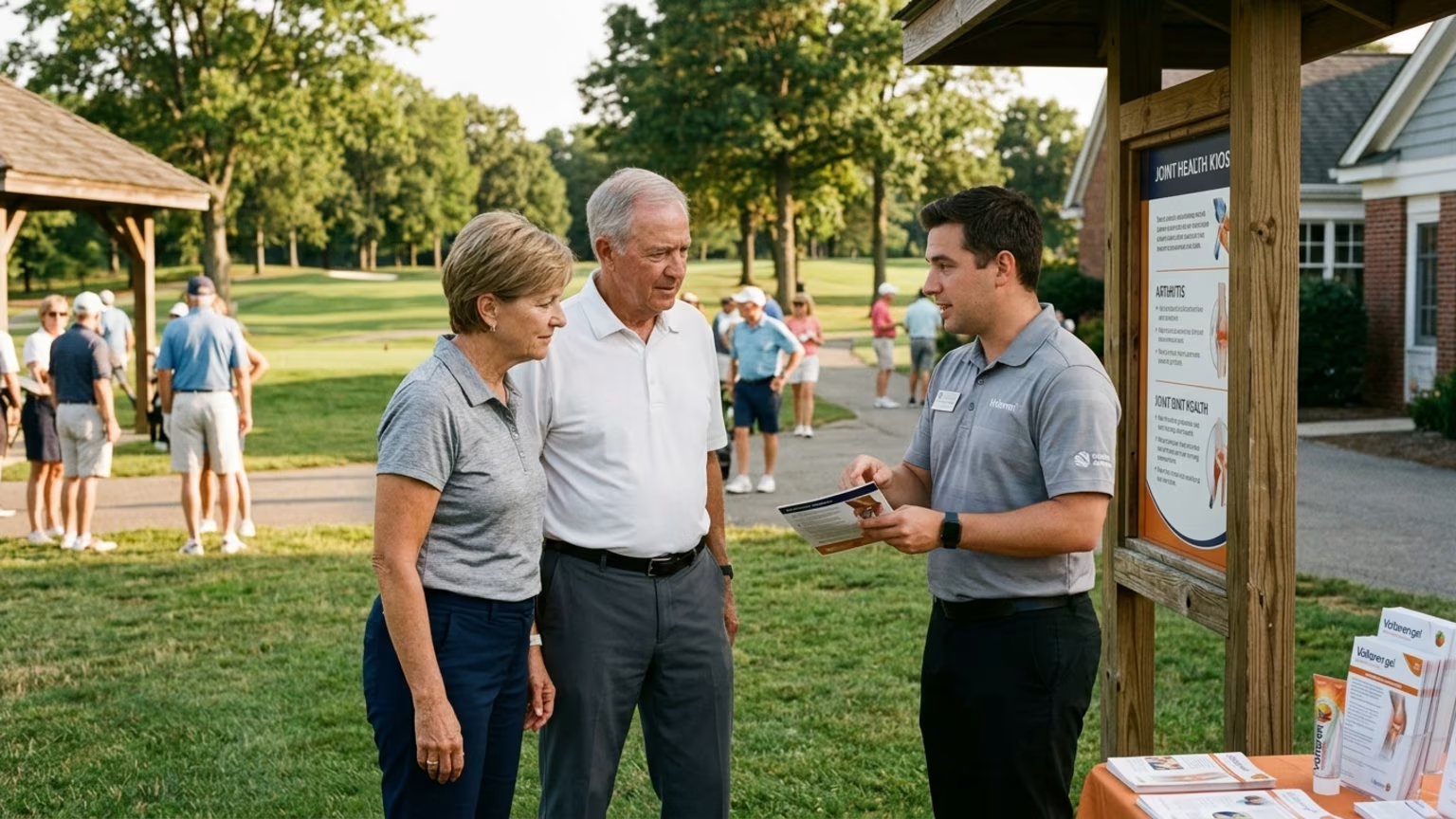

Voltaren Arthritis Pain Gel launches its joint-pain education program at the FM Championship. Learn how older golfers can actively manage joint pain.




You have likely heard that walking a golf course requires you to simply push through joint pain. The truth according to sports physical therapy is that pushing through stiffness only masks symptoms that need proper management. This exact issue is why Voltaren Arthritis Pain Gel is launching its "Ticket to Relief" consumer education campaign. The activation brings joint pain education directly to fans at the FM Championship.
The tournament is taking place from August 27 to August 30, 2026, at TPC Boston in Norton, Massachusetts. Voltaren is an official sponsor of the FM Championship and the presenting sponsor of Friday’s play. The brand recognized that following a professional golf tournament is a highly demanding physical activity. The goal is to help people better understand and manage arthritis joint pain.
Golfers often accept aching joints as an inevitable tax for playing the game they love. The saddest thing I have seen in golf is watching lifelong playing partners slowly drop out of our weekend group. It usually starts with a nagging shoulder or knee issue they ignore until it requires surgery. That pattern is exactly why I became obsessed with golf longevity.
We do not have to stop playing as we age, provided we do the right maintenance work between rounds. Taking proactive steps can literally add decades to your playing career. Many older players grew up in a culture that praised silent suffering. Acknowledging arthritis feels like admitting defeat against the aging process.
The sheer scale of this mindset is massive across the sport. The campaign announcement cites National Golf Foundation data forecasting nearly 50 million American golfers in 2026. A massive portion of those players will face joint discomfort at some point. Ignoring that reality only accelerates the decline of a player's physical abilities.
The physical reality of attending a golf tournament demands substantial movement over uneven terrain. The CDC estimates that arthritis affects approximately one in five U.S. adults. When those adults attend a professional golf event, they face a serious physical test. Voltaren’s announcement cites Vessel Golf, noting that fans following the action can walk as much as seven miles.
Walking that distance with untreated joint pain creates a severe physical toll. That seven mile figure is a maximum estimate for following tournament action. Your actual walking distance will depend on the course layout, your route, terrain and weather conditions. A spectator might experience substantial walking demands even without carrying a bag or taking a swing.
Those who want to maintain knee health on the course must recognize this physical load. Standing for hours on sidehills places immense stress on your lower body. To address this reality, licensed physical therapists from Strength and Sport PT are serving as "Fan Relief Caddies." They are on site to provide joint pain education, answer questions and distribute product samples.
Peter Song serves as the Brand Director for Pain at Haleon. He said the campaign brings education and support directly to fans in an environment where movement is central. Actor and golf enthusiast Brian Baumgartner serves as the "Lead Relief Caddie" for the event. He compared the campaign’s role with that of a real golf caddie.
A good caddie helps players understand what lies ahead and remain focused on the game. He said the campaign makes conversations about joint pain easier to understand. Baumgartner reinforced that pain does not have to define the activities people enjoy. His perspective highlights a marketing trend where consumer health brands place education inside participation oriented sports settings.
Voltaren is associating its arthritis pain message directly with the physical demands of following professional golf. This approach aims to reach golfers exactly where they experience the most physical stress. Bringing physical therapists directly to the fairway normalizes conversations about pain management.
The best approach replaces false courage with active symptom management. Physical therapy expert Leada Malek recommends tracking when pain occurs, how long it lasts and which activities affect it. You can use that information to have a more informed conversation with a healthcare professional. Proper tracking helps doctors understand your specific condition much better than a vague complaint.
Learning whether your discomfort is just soreness or a warning sign is crucial for older players. Voltaren says its product contains diclofenac sodium to provide temporary relief of arthritis related joint pain. The company notes this temporary relief applies to the hands, wrists and elbows. It also applies to the feet, ankles and knees.
Voltaren claims it provides targeted relief, contrasting it with topical products that merely numb, heat or cool pain. Golfers should treat product samples as an opportunity to learn rather than a permanent medical fix. Arthritis is not one uniform condition, meaning your symptoms require personalized attention. Persistent pain that affects everyday movement always warrants professional evaluation.
A golfer should never use temporary symptom relief as proof that an underlying problem is harmless. Those working on managing chronic pain on the course know that masking symptoms is never a permanent fix. The available source does not prescribe a specific pacing plan for spectators. The seven mile walking estimate supports practical measures like taking planned breaks.
You should choose efficient routes around the course to minimize unnecessary stress. Avoiding the temptation to push through escalating pain is the smartest decision a golfer can make. When tracking your symptoms on the course, focus entirely on observing one specific joint motion at a time. For instance, notice how your lead knee feels only during the downward strike of your swing.
Core lesson: Pay attention to your body's signals instead of ignoring them. Symptom tracking is your most valuable tool for staying active on the golf course. A long walk down the fairway is a privilege that requires ongoing body maintenance. True longevity requires listening to your joints quietly over time.
Follow Golfergy for practical insights on performance, mobility, recovery and healthy ageing. Stay connected for new articles, research-led guidance and ideas to help you play better for longer.


Review elbow and wrist pain patterns in golf through symptom notes, practice changes, ground contact and grip condition, without assuming a quick fix.


Tiger Woods’ 2017 Dubai withdrawal offers a measured lesson for golfers over 40, with NHS guidance on when back pain needs medical attention.

Understand a stiffer golf turn, notice changes without self-diagnosis and learn when comfortable movement or individualized advice may help.
Explore practical resources on performance, recovery, mobility and golf longevity.
Read the Blog