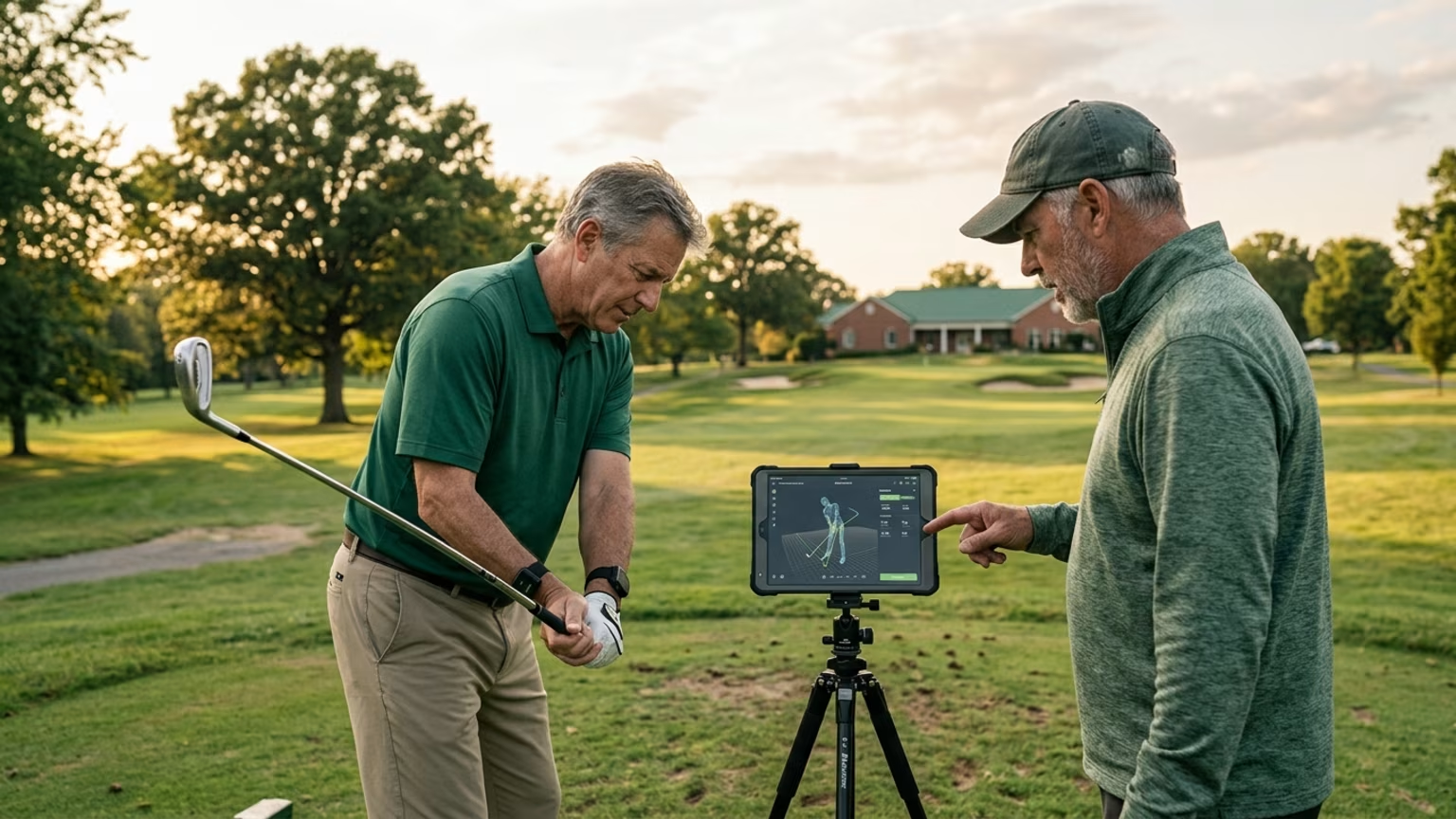

Examine the clinical evidence on how resistance training, proper protein intake and structured recovery help older golfers preserve muscle mass and stability.




On September 10, 2026, Canyon Ranch published “The Hidden Longevity Benefits of Resistance Training and Recovery”. This comprehensive wellness feature presented resistance training, recovery, protein, micronutrients and anti-inflammatory foods as complementary components of healthy aging. While we usually open by analyzing a specific tour player withdrawal, the available evidence for today does not contain a recent professional injury event. Instead, this published guidance provides a verifiable framework that recreational players can use to maintain their physical capabilities.
Since there is no specific tour professional injury to report, we must look plainly at the biomechanical reality of aging muscle tissue. When golfers pass the age of 40, they frequently experience a gradual loss of skeletal muscle mass and functional grip strength. During the transition from the backswing to the downswing, your lower limbs and trunk must absorb and redirect significant rotational forces. If you lose lean muscle mass in your legs and hips, your joints take on excessive structural stress to stabilize the body.
A lack of grip strength also makes it much harder to control the clubface firmly through the impact zone. The clinical prognosis data on recovering this lost muscle strength is highly specific and encouraging for older players. A systematic review and meta-analysis reported that protein supplementation combined with resistance exercise produced greater lean mass gains than resistance training alone. This specific combination resulted in a standardized mean difference of 0.58 and a 95% confidence interval of 0.32 to 0.84.
The same meta-analysis found greater leg strength gains when protein supplementation was combined with resistance training. For these leg strength improvements, researchers reported a standardized mean difference of 0.69 and a 95% confidence interval of 0.39 to 0.98. Golfergy focuses on helping experienced recreational players translate these complex sports science findings into practical daily routines. Another systematic review covering 74 randomized controlled trials added further context to these numbers for older populations.
That comprehensive review reported significant lean body mass gains in adults aged 65 and older at protein intakes of 1.2 to 1.59 grams per kilogram of body weight per day. Furthermore, a review of whey protein supplementation in older adults with sarcopenia reported a significant improvement in handgrip strength. This handgrip improvement showed a standardized mean difference of 0.67 and a 95% confidence interval of 0.29 to 1.04. The whey protein review also reported reductions in interleukin-6 and improvements in activities of daily living scores.
Amateur players over 40 face a serious vulnerability to muscle loss while swinging with far less speed than elite professionals. Older adults routinely deal with elevated sarcopenia risk, which directly compromises the lower body stability required for a consistent golf swing. The World Health Organization calls for 150 to 300 minutes of moderate intensity aerobic activity or 75 to 150 minutes of vigorous activity weekly. When players lack the necessary muscle support, walking a full 18 holes can easily lead to severe fatigue.
This fatigue often causes poor mechanics and swing faults on the back nine of a long round. You can review strategies for managing your schedule in our guide to the over-40 golfer's training load. To address this vulnerability, a review of exercise programs for fall risk reduction provides clear direction for aging adults. That review found the most consistent benefits from regular, progressive and individually tailored combinations of balance, functional and strengthening exercises.
The preventative adjustment for this physical decline involves committing to structured physical routines and dedicated rest. The Canyon Ranch article says the U.S. Centers for Disease Control and Prevention recommends moderately intense muscle strengthening activity on at least two days per week. These exercises should cover all major muscle groups to build a resilient foundation for your golf game. The WHO guidance specifically echoes this by recommending muscle strengthening activity involving all major muscle groups on at least two days per week.
Implementing a proper protocol of resistance training for golfers over 50 is a reliable way to meet these targets. Your recovery protocol is just as critical as your lifting schedule for long term health. Canyon Ranch's practical suggestions include prioritizing seven to nine hours of sleep nightly and scheduling one or two rest days weekly. They recommend using walking, stretching or easy yoga for gentle movement during these designated rest breaks.
When practicing these gentle movements, focus entirely on turning your trail hip smoothly without straining your lower back. Small mechanical adjustments during light activity sessions can help you maintain range of motion between heavier training days. Canyon Ranch also suggests considering relaxation practices such as breathing exercises, time in nature and social connection. You can evaluate your readiness for more intense sessions by using a structured recovery readiness check before heading to the course.
There are several treatment misconceptions regarding physical activity and healthy aging that require clarification. Many people assume that simply playing golf is entirely sufficient to guarantee a longer life on its own. However, a separate review of the golf health evidence described the relationship between golf and longevity as observational rather than proof that golf itself extends life. Another review reported that golf can provide moderate intensity physical activity and is associated with positive physical health and mental wellness outcomes.
That same review also noted that stronger causal evidence is still needed to make definitive claims about mortality. Another common misconception is that nutritional changes alone will completely transform your body composition without exercise. While the whey protein review found improvements in grip strength and interleukin-6, it found no significant effects on body mass index, body weight or fat mass. A 2026 review concluded that protein or protein related supplementation combined with resistance or functional exercise may provide additional benefits.
These combined interventions work best for grip strength and appendicular skeletal muscle mass in older adults with elevated sarcopenia risk. Maintaining your functional strength requires a steady commitment to physical preparation, adequate nutrition and deliberate rest. The evidence consistently points to a blend of resistance training and structured recovery as the true foundation for longevity on the course. What adjustments will you make to your mobility routine this season to steer clear of this hazard?
Follow Golfergy for practical insights on performance, mobility, recovery and healthy ageing. Stay connected for new articles, research-led guidance and ideas to help you play better for longer.


Learn how the proposed movement span framework helps older golfers understand physical decline, maintain balance, and extend their playing years safely.


Find out how proactive health monitoring, medication reviews, and strength training help older golfers protect their balance and keep walking 18 holes.
Learn how a consistent daily movement practice combining walking, resistance work, and balance exercises can keep older golfers playing without back pain.
Explore practical resources on performance, recovery, mobility and golf longevity.
Read the Blog