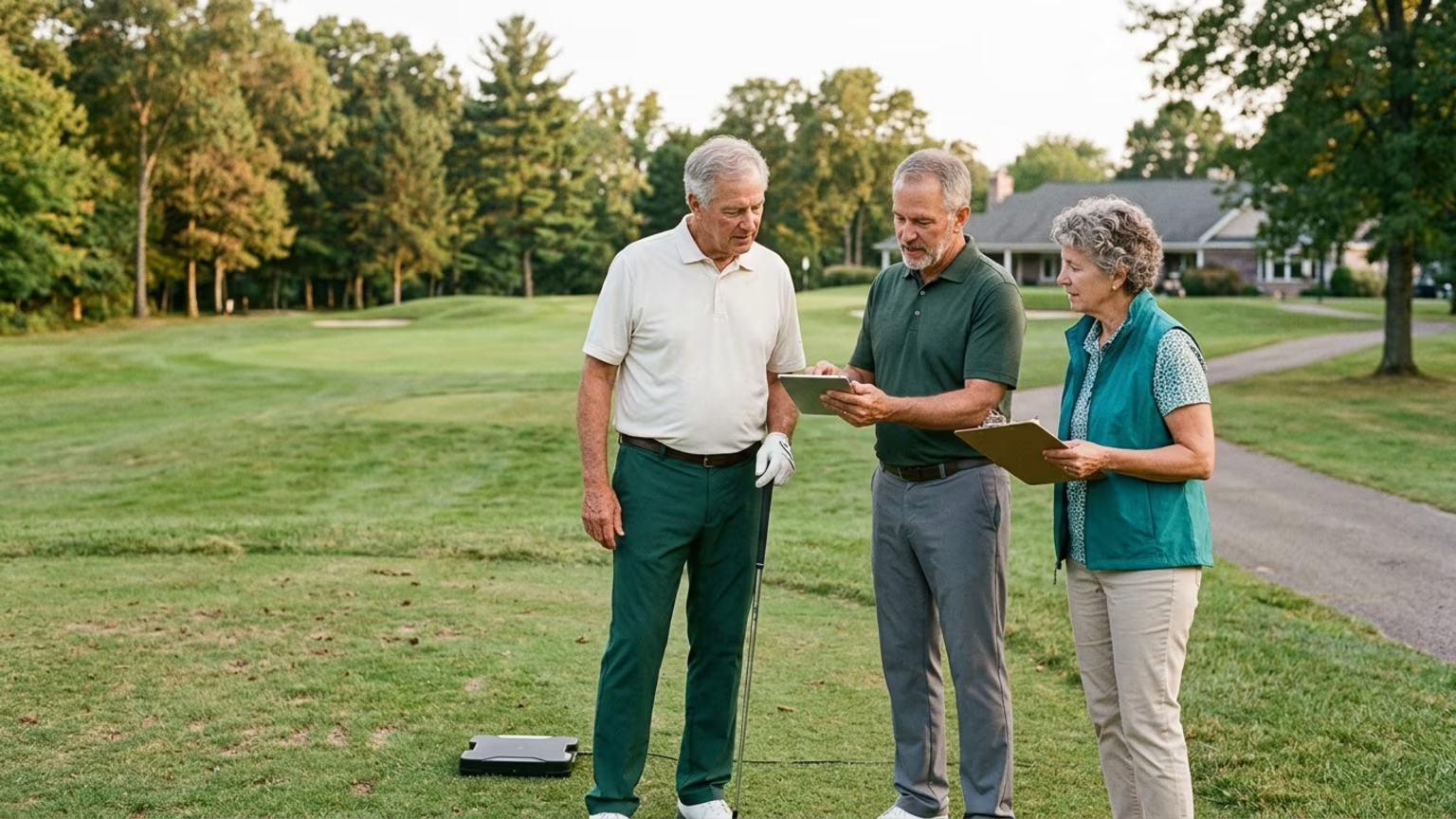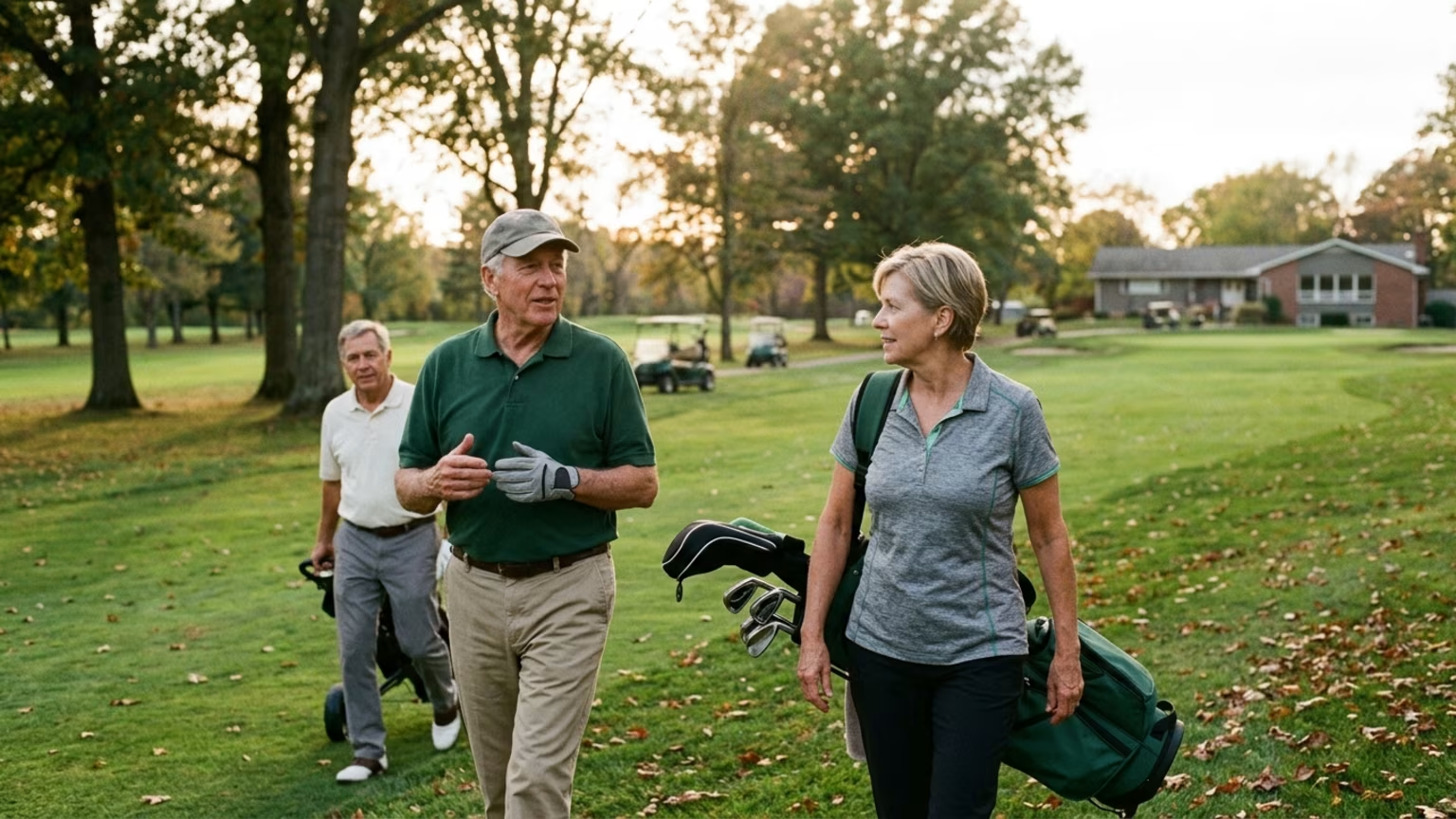

A 2026 analysis shows how a lifestyle intervention preserves mobility in older adults. Learn how experienced golfers can apply these lessons to their game.




On August 31, 2026, researchers published a post hoc analysis of the SPRINTT trial in Nature Aging regarding mobility loss. The study examined older adults facing physical frailty and sarcopenia. The saddest thing I have seen in golf is watching lifelong playing partners slowly drop out of our weekend group. It usually starts with a nagging shoulder or knee issue they ignore until it requires surgery.
That pattern is exactly why our team became obsessed with golf longevity. We do not have to stop playing as we age, provided we do the right maintenance work between rounds. The recent analysis offers a clear look at how a combined lifestyle intervention preserves physical function. This data provides a quiet lesson for the golf community about staying active.
Understanding the physical mechanics behind mobility loss is critical for older golfers. Sarcopenia is the gradual loss of muscle mass that happens as we age. When the muscles around the hips and trunk weaken, they stop absorbing the forces generated during a golf swing. The joints and connective tissues are then forced to handle that rotational stress directly.
This dynamic explains why players often experience severe fatigue late in a round. The golf swing requires the body to rotate aggressively around a stable core. When lower body strength and trunk control fade, the spine loses its primary support system. The resulting physical compensation causes the surrounding tissues to tighten rapidly.
The core muscles are responsible for transferring power from the ground to the club. Sarcopenia slowly degrades this power transfer process over many seasons. Players often fail to notice the decline until they lose significant yardage off the tee. By that point, the structural damage to the joints has already started to take root.
Over time, this repeated stress accelerates joint stiffness and limits walking capacity. Your legs serve as the foundation for both your swing and handling the physical demands of 18 holes. Without adequate strength, the simple act of climbing out of a bunker becomes a strenuous event. The body simply runs out of energy to maintain proper posture over the ball.
The recent data from the SPRINTT trial highlights the value of proactive intervention. The analysis included 1,199 community-dwelling adults aged 70 or older. These participants had physical frailty, sarcopenia, and at least two chronic conditions. In fact, the individuals in the study had a median of six chronic conditions.
Participants were tracked for 36 months to measure the risk of mobility disability or death. The intervention combined physical activity, technological support, and nutritional counseling. The comparison group received basic health education over the same period. The intervention group had a 22% lower overall risk of mobility disability or death than the health education group.
This outcome corresponds to a hazard ratio of 0.78 for the intervention group. Furthermore, the intervention group remained free from mobility disability or death for an average of 2.09 months longer. The absolute difference in event-free probability reached 8.2% at 36 months. These numbers show a clear benefit from a structured lifestyle intervention.
Recreational golfers over 40 face a high risk of mobility decline. We obviously swing with less speed than the professionals on tour. Yet the natural aging process makes our joints and muscles more vulnerable to strain. A loss of balance directly threatens our ability to play the game safely.
Many players attempt to solve these issues with outdated habits. I used to stand on the first tee doing long, static hamstring stretches. I thought it was the right way to prepare for the round. I would actually feel weaker on my first drive.
Research later showed me that dynamic movements prime the nervous system much better. Leg swings and torso twists act to wake up the muscles effectively. Changing my five minute warmup completely transformed my opening tee shots. The lesson here is that our bodies require active preparation to prepare the body for action.
The broader intervention effect from the study aligns closely with modern physical activity guidance. This guidance focuses on aerobic activity, strength, balance, and functional training according to individual ability. We can use this exact framework as a practical preventative adjustment for our golf routines. Building these four pillars will help preserve the physical function required for a consistent swing.
Start by incorporating functional movements that resemble the demands of the course. Focus entirely on turning your trail hip during rotational exercises to guide your swing rotation. Add controlled single leg movements to improve your balance and lower body stability. Progress gradually and tailor the workload to match your current physical condition.
Functional training should always prioritize movement quality over sheer resistance. Performing a lighter exercise with perfect form yields better results than lifting heavy weights poorly. Your joints need to learn how to stabilize the body through a full range of motion. This precise control is exactly what keeps your swing intact on the back nine.
Technology and coaching should be used as adherence tools within this framework. The study specifically combined physical activity with technological support and nutritional counseling. Tracking tools can help you monitor your physical readiness and consistency over time. Maintaining a steady routine is much better than trying to rush your physical development.
Many older players believe that simply walking the golf course is enough exercise. This is a common misconception that leaves golfers open to long term mobility loss. The evidence base points toward a much broader model for healthy aging, where aerobic capacity and strength act as primary pillars. Balance, functional movement, and nutritional support serve as complementary components.
Relying exclusively on low intensity walking ignores the need for progressive strength work. The analysis also noted that responses to the intervention can vary. Researchers identified four multimorbidity patterns: nonspecific, psychiatric, cardiometabolic, and respiratory. The reported benefit was less clear in cardiometabolic and respiratory multimorbidity groups.
The multimorbidity analysis was post hoc, and the formal interaction between treatment and multimorbidity pattern was not statistically significant. The subgroup results should therefore be treated as hypothesis generating for now. However, the clearest apparent benefit was reported among participants with a psychiatric multimorbidity pattern, whose risk was reduced by 35%. Participants with a nonspecific pattern also appeared to benefit from the lifestyle intervention.
Golf longevity requires a proactive approach to physical health. We must treat our bodies like any other valuable piece of equipment. Building strength and preserving balance will keep you competitive for years to come. What adjustments will you make to your mobility routine this season to steer clear of this hazard?
Follow Golfergy for practical insights on performance, mobility, recovery and healthy ageing. Stay connected for new articles, research-led guidance and ideas to help you play better for longer.


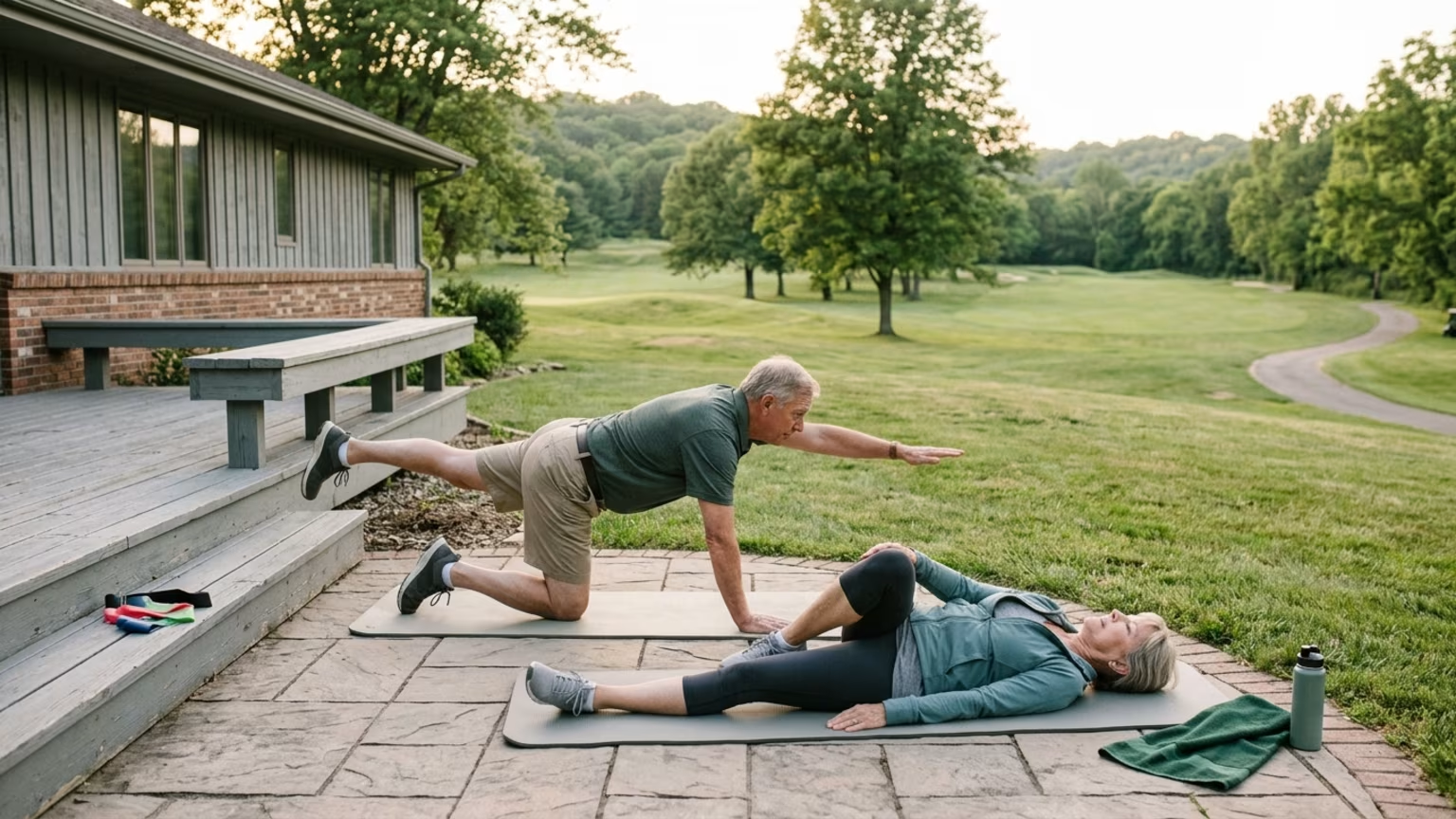
Learn how recreational golfers over 50 can use the glute bridge, cat-cow, and chair squat to maintain mobility and build lower back capacity between rounds.

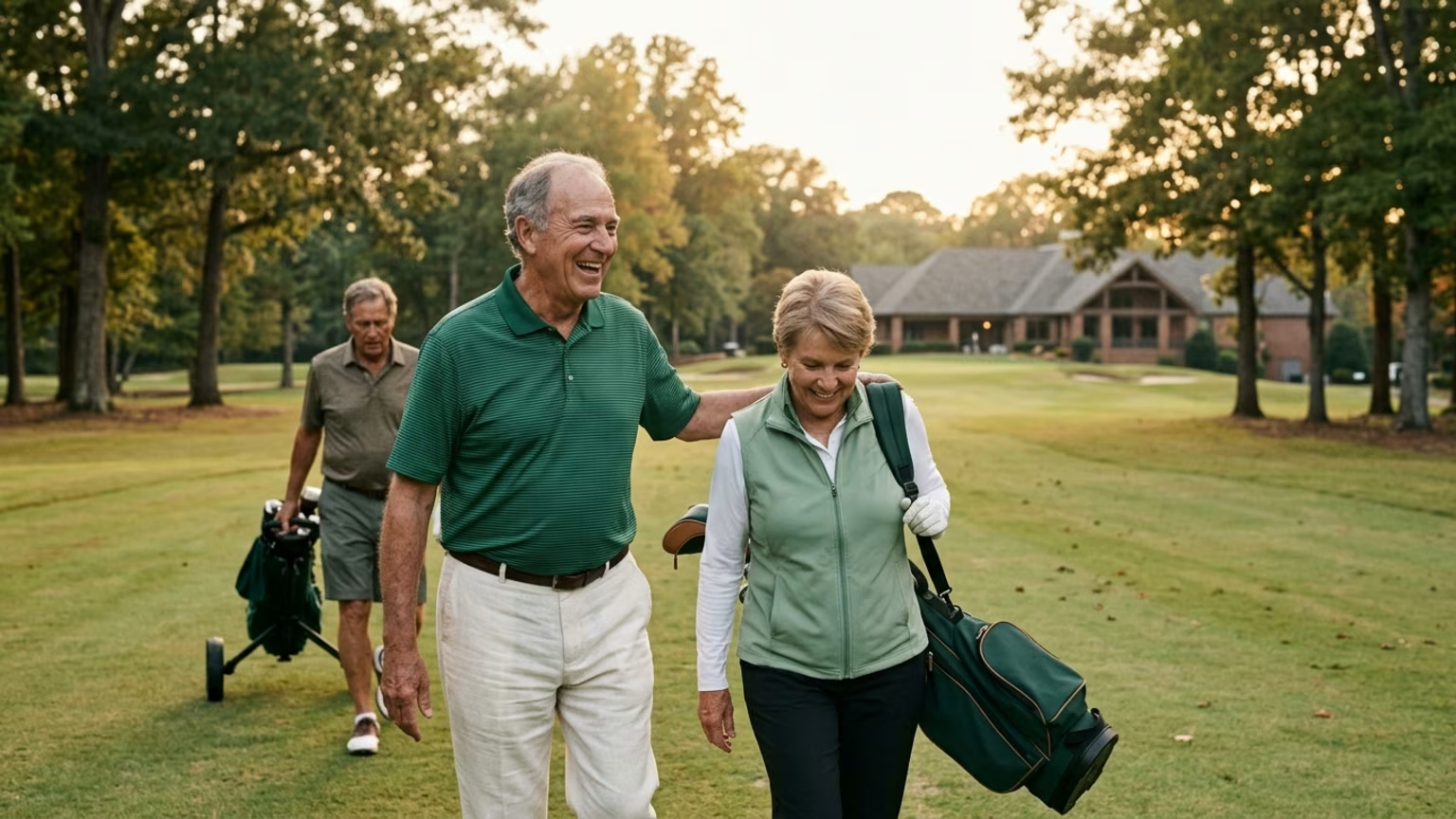
A recent analysis reveals older adults see greater absolute health benefits from increased physical activity. Learn how to protect your golf longevity.
A new study of over 64,000 adults shows that brisk walking can improve longevity. Learn how golfers over 40 can use stepping intensity to build endurance.
Explore practical resources on performance, recovery, mobility and golf longevity.
Read the Blog