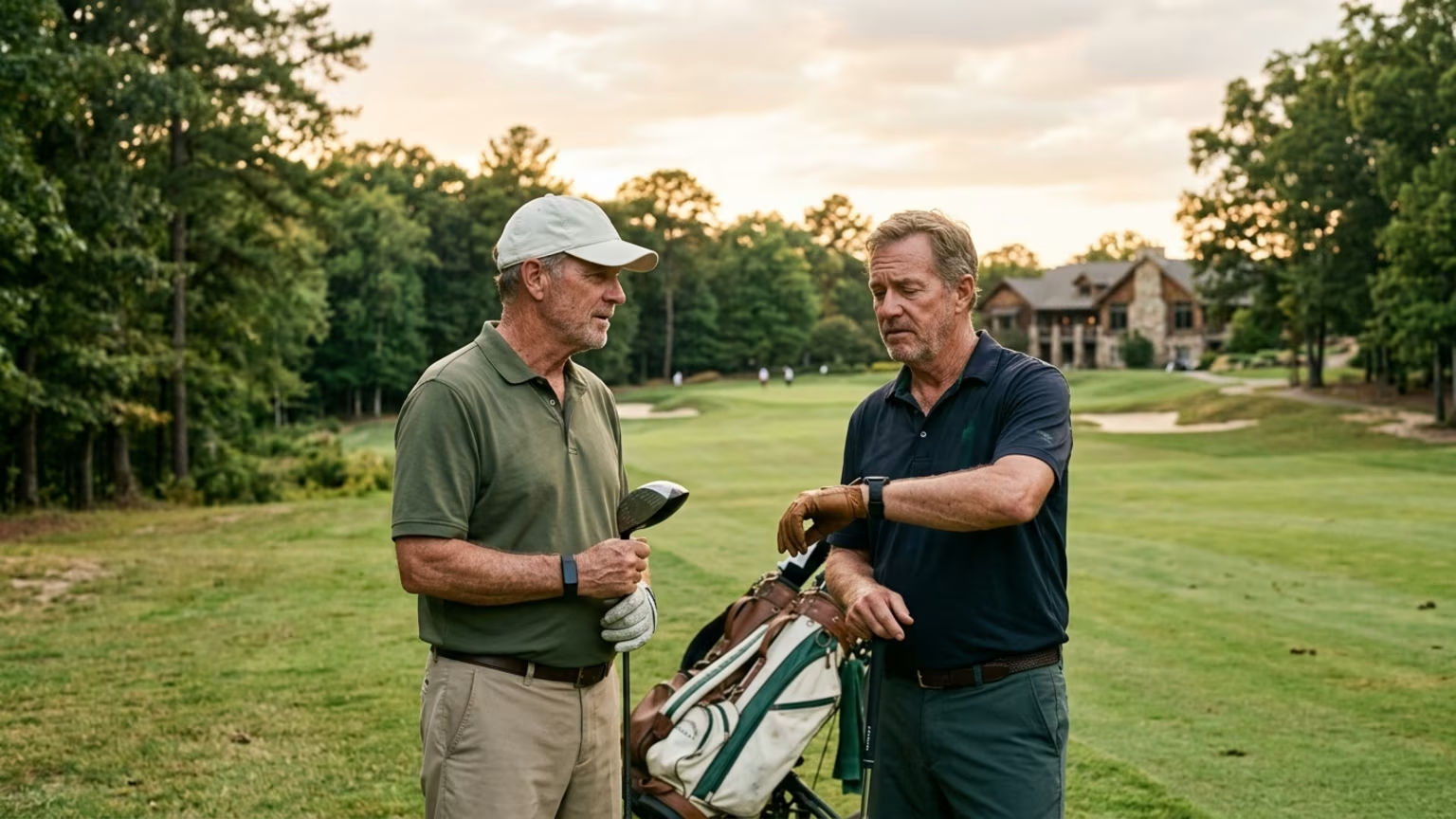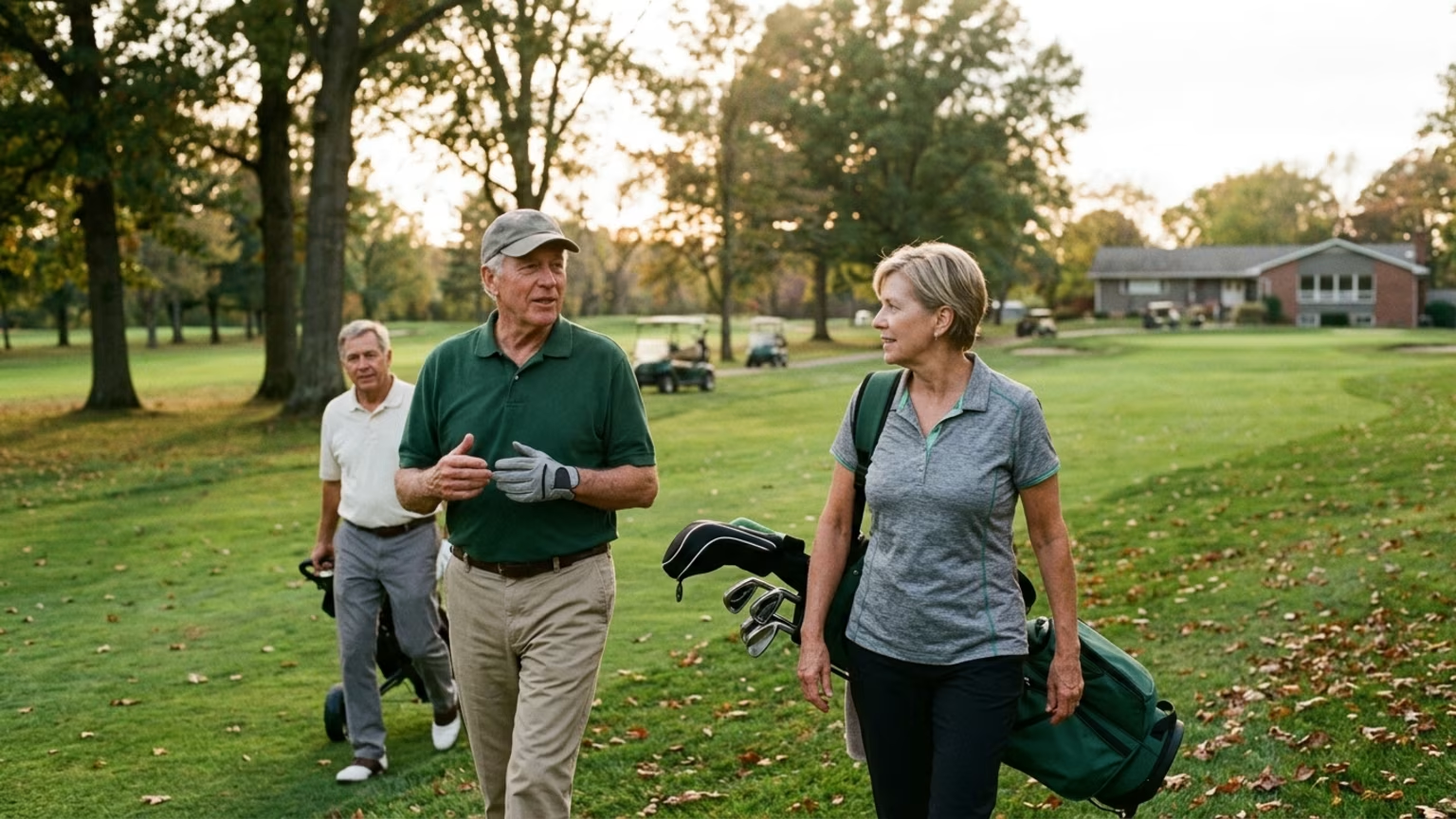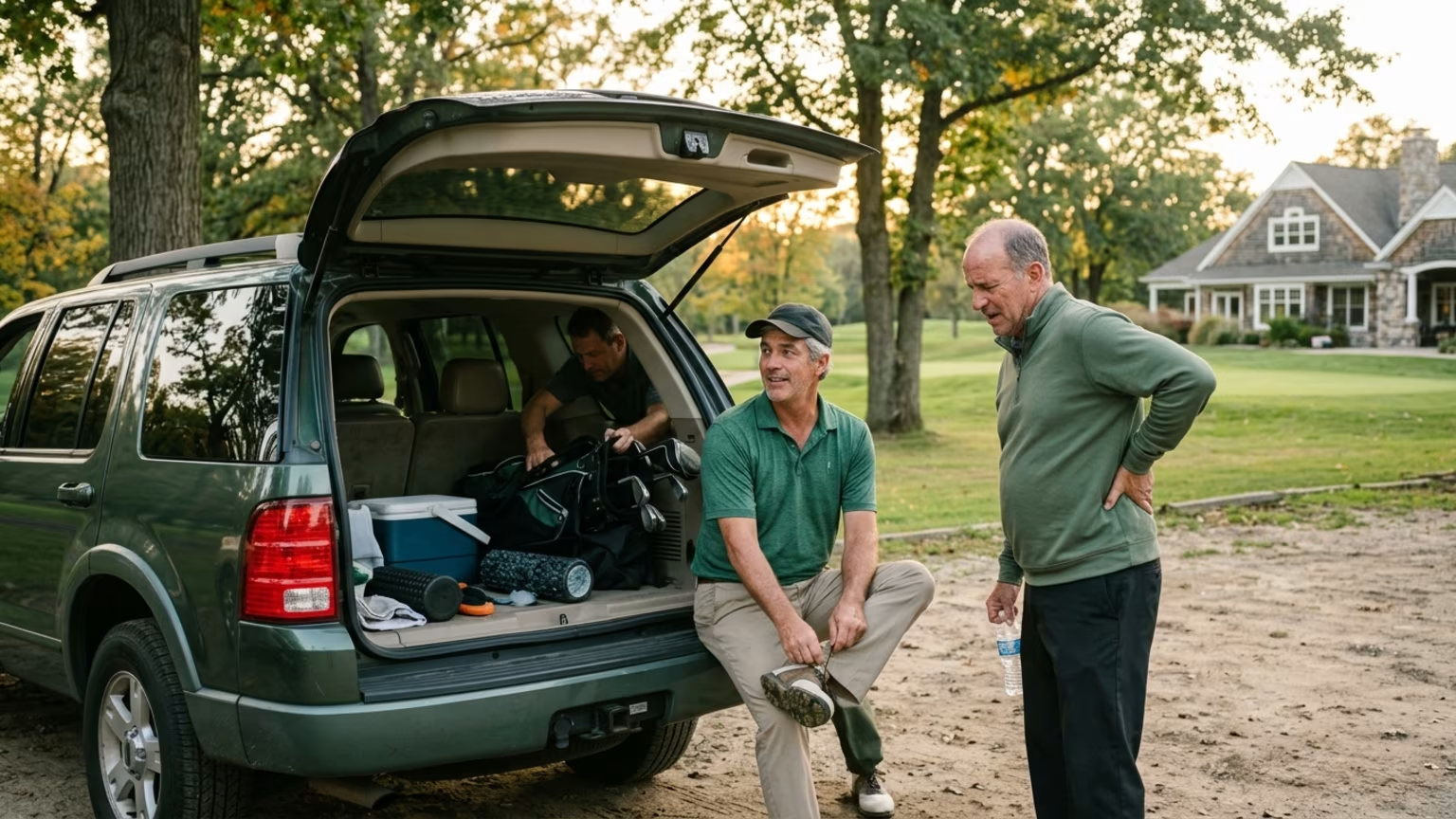

Learn how golfers over 40 can apply a six-step recovery protocol, including sleep hygiene, targeted protein intake, and mobility work, to maintain strength.




On September 21, 2026, the New York Post published a report detailing how active adults over 35 should manage their post-workout routines. The publication highlighted practical advice from New York-based fitness coach Jacob Zemer. He explained that older athletes cannot simply rush from a demanding physical effort straight into their normal daily chores. For golfers over 40, this means the evening after a round is just as critical as the time spent on the course.
Every golf swing places a high amount of rotational force on your joints and muscles. Exercise and repetitive swinging act as physical stressors that create microscopic wear and tear in your body. Your body requires time and specific nutritional resources to repair this tissue through a biological process called muscle-protein synthesis. A 2026 review of sports-nutrition evidence confirms that dietary protein directly supports this vital tissue repair.
If you skip this repair phase, the micro-tears simply accumulate over time. This ongoing accumulation leaves your muscles tired, tight, and unable to fire correctly during your next backswing. When tissue breakdown outpaces tissue repair, you begin to compensate with other body parts. That physical compensation often transforms a minor ache into a chronic issue that keeps you off the course.
The timeline of your physical soreness tells you a tremendous amount about your muscle health. Zemer describes short-lived soreness as completely normal for active adults. However, soreness lasting more than two or three days points directly to excessive loading. Aching knees or pain that worsens significantly after an activity could indicate a possible injury rather than routine fatigue.
If you find that you need a full week of recovery after playing, Zemer suggests that you pushed your body too hard. In these specific situations, he recommends reducing your workout volume by 30 percent rather than stopping entirely. For instance, he suggests reducing six sets of a leg exercise down to four.
Golfers over 40 face a greater risk of joint stress, even if they swing with less speed than tour professionals. The combination of repetitive rotational loading, walking on uneven terrain, and carrying heavy clubs compounds the physical toll. As we age, our bodies naturally lose some of the elasticity that helps absorb those repetitive impact forces.
The saddest thing our team has seen in golf is watching lifelong playing partners slowly drop out of our weekend group. It usually starts with a nagging shoulder or knee issue that they ignore until it requires surgery. That recurring pattern is exactly why we became so focused on daily maintenance work between rounds. We do not have to stop playing as we get older, provided we commit to the right recovery practices.
When those recovery practices slip, the body sends clear signals. Kelyssa Hall, an exercise physiologist at the Hospital for Special Surgery, notes that proper hydration and adequate protein become particularly critical when an exerciser feels unusually tired. Recognizing that unusual fatigue early is the key to preventing a minor setback from becoming a season-ending withdrawal.
Zemer outlines six specific post-workout recommendations to help older adults maintain their strength and mobility. By turning these six concepts into a basic checklist, you can drastically improve how your body feels the morning after a round.
Zemer recommends aiming for seven to nine hours of quality sleep each night. He advises maintaining a consistent bedtime, utilizing a dark bedroom, and limiting screens before bed. Keeping the bedroom temperature at approximately 60 to 65 degrees can also improve rest. A prospective study of 93,249 UK Biobank participants linked longer sleep and REM sleep to more favorable aging-related outcomes, while sleep irregularity was tied to worse outcomes.
Golfers should heavily prioritize their post-round nutrition to aid recovery. The New York Post report cites an International Society of Sports Nutrition guideline of roughly 20 to 40 grams of high-quality protein after training. Active adults should aim for 1.4 to 2.0 grams of protein per kilogram of body weight each day. Understanding how nutrition timing drives better rest can help you reach these daily targets consistently.
Inadequate hydration can contribute directly to poor physical performance. Take time to rehydrate properly before and after your round, and allow yourself a quiet moment to deliberately decompress. You should allow time to eat and rest after your physical exertion rather than immediately continuing with a busy day.
Zemer advises taking time to move through a complete range of motion and stretch after training. The stated rationale is that strength work creates wear and tear, making daily mobility maintenance vital for older adults. Focus entirely on turning your trail hip or gently rotating your shoulders, keeping movements slow and controlled. Proper stretching helps you build a strong base to avoid pain during your next round.
If your recovery consistently takes much longer than expected, Grayson Wickham, a strength-and-conditioning expert quoted by the New York Times, advises reducing your intensity. You can opt for shorter, more frequent sessions instead of constantly pushing your limits. The American College of Sports Medicine recommends 150 minutes of moderate-intensity aerobic activity and two muscle-strengthening sessions per week. Managing this baseline volume alongside your golf rounds requires careful load management.
A very common misconception is that heat therapy will instantly cure all deep muscle soreness. Zemer includes heat exposure, like a sauna or a hot shower, as an optional relaxation tool rather than a guaranteed performance enhancer. The New York Post noted that a 2025 review of 22 studies found nearly half of participants experienced improved muscle-function recovery with heat therapy. It is a helpful option, but it absolutely does not replace the fundamental need for sleep or proper nutrition.
Another common misconception involves ordering generic, internet-based hormone panels to track your biological aging process. The recent news article clearly states that preventive screening and regular bloodwork should be highly personalized. You should discuss regular bloodwork with a clinician who understands your specific age, symptoms, and complete medical history.
Treating your post-round evening as part of the physical training cycle is the most effective way to extend your playing years. Your body requires targeted nutrition, adequate sleep, and deliberate decompression to repair the wear and tear of a long weekend on the course. What adjustments will you make to your mobility routine this season to steer clear of this hazard?
Follow Golfergy for practical insights on performance, mobility, recovery and healthy ageing. Stay connected for new articles, research-led guidance and ideas to help you play better for longer.


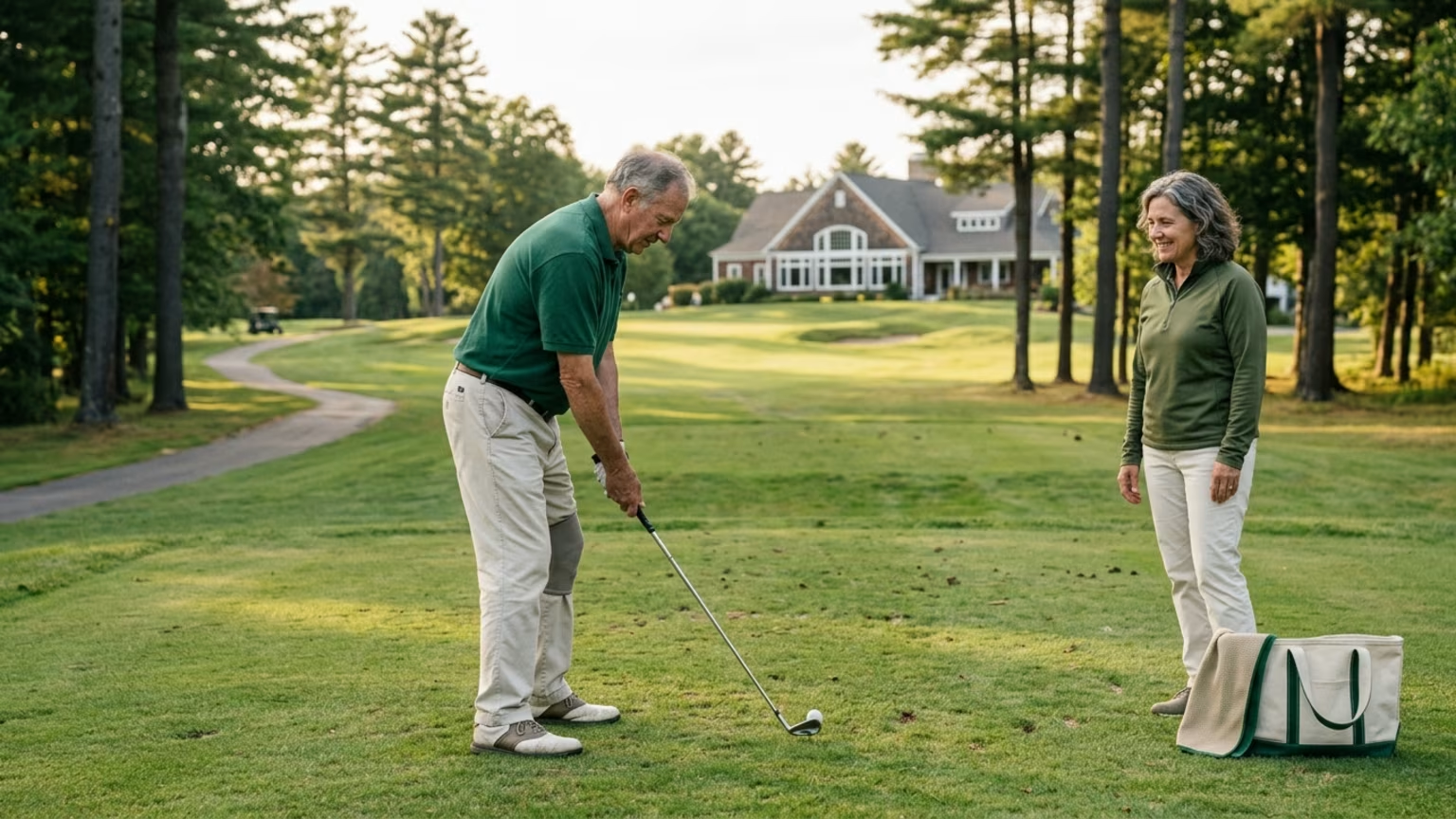
Learn how older golfers can adapt clinical return-to-play guidelines, protect knee joints, and use progressive workload management to play for decades.


A 2026 coaching analysis reframes sleep and nutrition as core training variables. Learn why golfers over 40 must prioritize recovery to maintain swing speed.
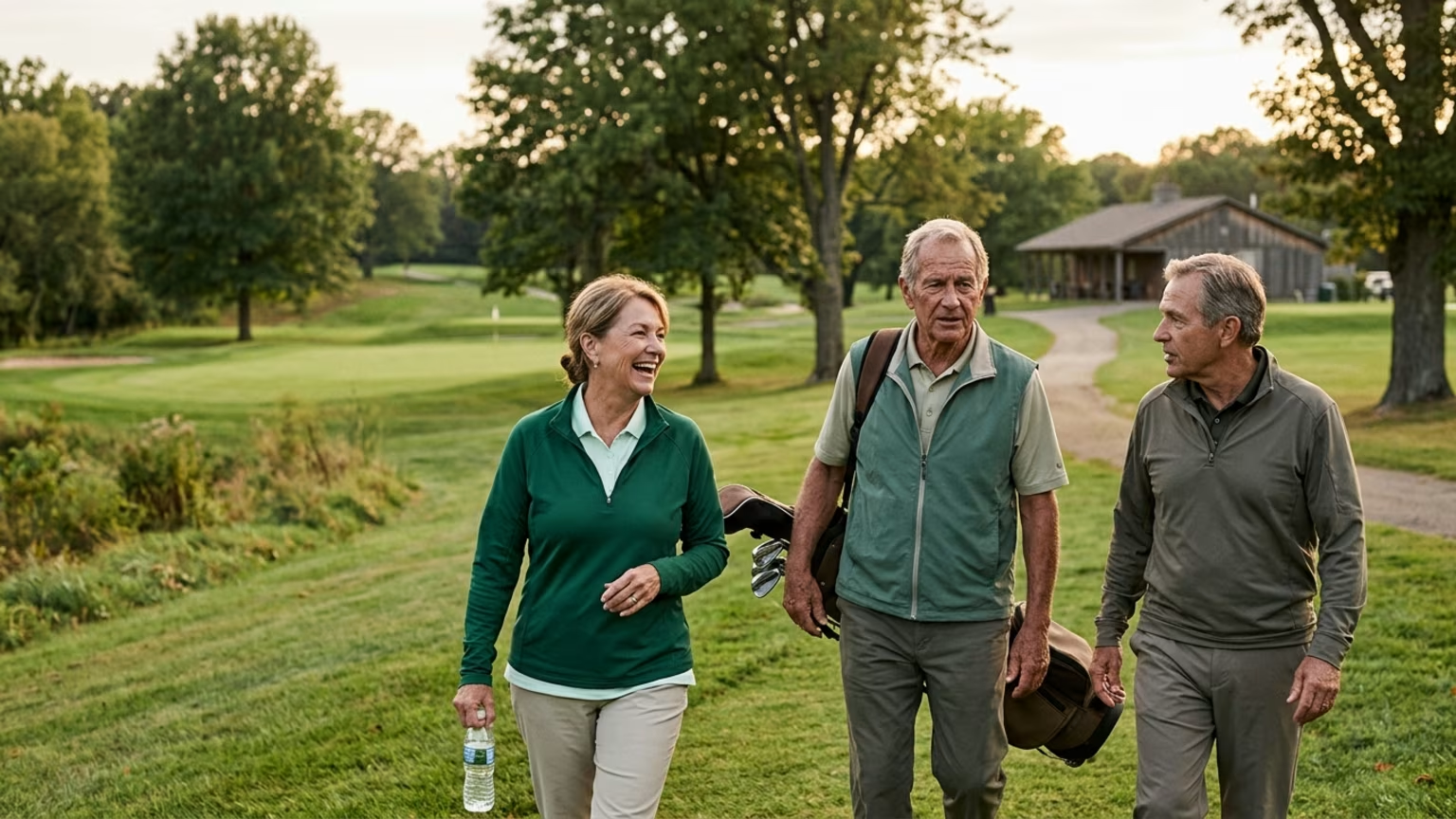
Flinders University's nutrition guidance provides older golfers a framework to sustain mid-round energy and improve recovery after walking 18 holes.
Explore practical resources on performance, recovery, mobility and golf longevity.
Read the Blog