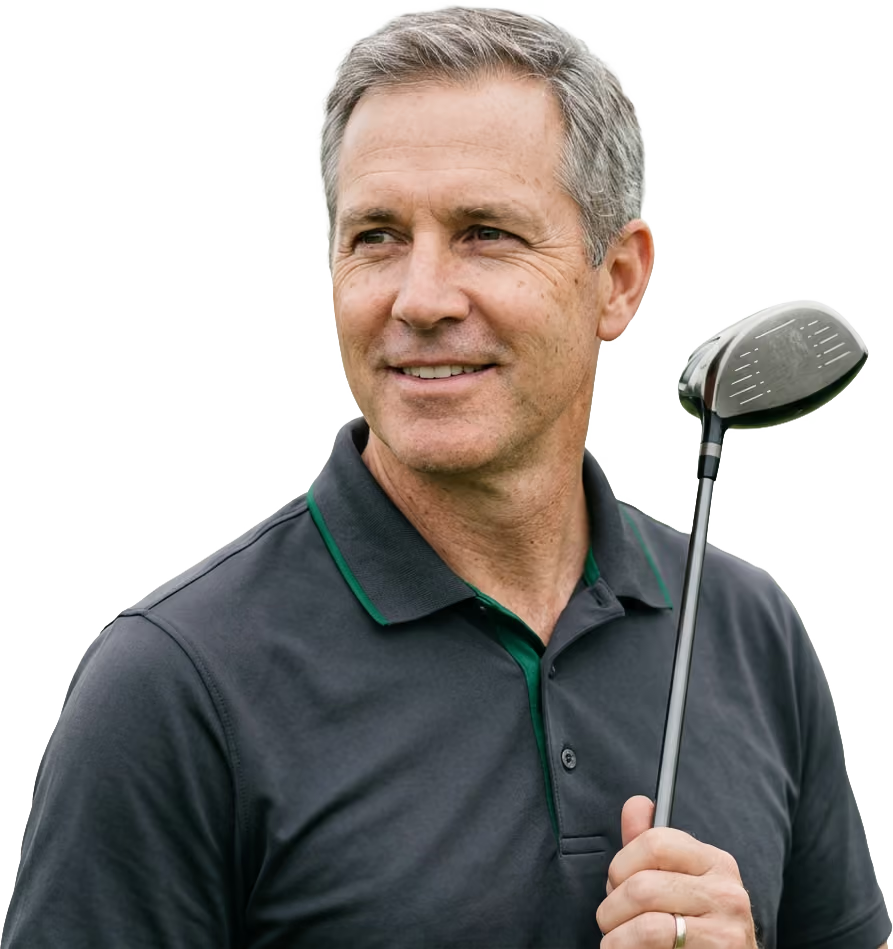

A recent Guardian feature highlights how meal timing, caffeine intake and a plant-forward diet improve overnight physical recovery for golfers over 40.




Most older players blame a stiff back on a flawed golf swing. They rarely blame the late-night dinner they ate after their round. A poor night of rest limits physical repair and dictates how well you play the next day. A Guardian feature published on September 6 outlined 15 evidence-informed links between diet and rest. It highlighted how eating patterns directly control how well the body repairs itself overnight.
Sleep-deprived individuals consume an average of 385 additional calories the following day compared with controls. A review cited by The Guardian noted this sharp increase. This dietary shift makes it much harder to execute a recovery plan for back-to-back rounds. It points to a physiological chain reaction that starts the moment you finish your round.
Poor rest changes your appetite and ruins your food choices the very next morning. The data measures the hormonal fallout of poor rest. One night of inadequate sleep increased ghrelin and decreased leptin in one study. Ghrelin signals hunger to the brain while leptin tells the brain you are full.
When these hormones fall out of balance, your body demands quick energy in the form of sugar and processed food. The Guardian feature notes that inadequate rest associates with lower fruit and vegetable intake. It also correlates with greater sugar intake and lower motivation to exercise. Diets high in ultra-processed foods are associated with a higher risk of insomnia symptoms.
High-glycaemic-index diets in women are also linked to a higher risk of developing insomnia. These associations suggest a two-way street between food quality and sleep quality. Prof Marie-Pierre St-Onge directs the Center of Excellence for Sleep & Circadian Research at Columbia University. She is researching plant-forward diets and possible mechanisms involving phytonutrients, inflammation and the gut microbiome.
Her work investigates gut-brain communication as a potential driver of sleep quality. Sports-performance reviews show that sleep science for golfers directly impacts muscle recovery and cognitive function. They also link sleep deprivation with greater fatigue and higher injury risk.
This cycle impacts older golfers much more severely than younger players. A 25-year-old might handle late-night fast food and a pot of coffee without missing a beat. For golfers over 40, physiological margins are much tighter. The Guardian notes that caffeine metabolism and sensitivity change with age.
People who regularly sleep fewer than six hours tend to gain more weight over time. Dr Sammie Gill, a senior nutrition scientist at the British Nutrition Foundation, describes caffeine as a double-edged sword. It has an approximate 10 to 12-hour quarter-life. This means a coffee consumed at lunchtime might still be in your system near midnight.
Older players also face digestion changes that impact sleep onset. NHS advice cited in the feature states that people with acid reflux might need to avoid food for up to four hours before bed. The article discusses chronotypes and the negative impacts of irregular schedules on dietary patterns. This is highly relevant for golfers who manage early tee times and travel schedules.
A late dinner after an afternoon tee time easily disrupts overnight tissue repair. Your body focuses on digesting heavy meals instead of repairing muscle tissue. You can support better rest by adopting a broadly plant-forward eating pattern. Registered dietitian Dalhia Campbell points to a Mediterranean-style pattern as a highly practical approach.
This pattern combines plant foods with wholegrains, lean protein and healthy fats. Fewer than 17 percent of UK adults currently meet the five-a-day fruit and vegetable recommendation cited in the feature. Protein foods supply tryptophan. The body uses this amino acid to produce serotonin and melatonin.
The article lists dairy and eggs as good sources alongside fish and meat. Wholegrains, nuts and seeds also provide this critical component. Researchers are additionally investigating tomatoes and bananas for possible sleep benefits. They are looking at pineapples, oranges and seeds for similar reasons.
If you finish a round late and feel hungry, avoid grazing on biscuits. Choose a light snack like yoghurt with fruit and nuts or wholegrain toast with nut butter and banana. Do not treat a tryptophan-rich food like an instant sedative. The Guardian specifically warns against expecting an immediate sleep effect from turkey or other single foods.
The article points out that your dietary choices directly dictate your body's healing capacity. Shifting your main meals earlier in the day reduces the burden on your digestive system. It frees your body to prioritize muscle repair and cellular recovery. This steady approach beats relying on quick fixes after a bad round.
Do not try to copy the extreme diet of a professional athlete. Set practical timing benchmarks that fit your routine. Prof St-Onge advises allowing two to three hours between a meal and bedtime. A recent trial found that eating dinner one hour before bedtime reduced sleep continuity and stability.
The article warns against going to bed either excessively full or excessively hungry. Treat caffeine timing as a personal experiment. You might start by moving your final caffeinated drink to lunchtime. The article notes that 400 mg of caffeine is a moderate intake associated with alertness.
This equals about four cups of coffee. Keep your intake under this benchmark to avoid anxiety and restlessness. Avoid relying on alcohol as a sleep aid. Dr Gill warns that alcohol makes sleep onset easier but reduces restorative REM sleep.
It also increases night-time awakenings and leaves you tired the next day. Focus on keeping your sleep times regular and keeping your bedroom dark and cool. Dr Gill recommends prioritizing these basic strategies before turning to supplements. The Guardian treats magnesium and tart cherries cautiously, noting that evidence for them remains mixed or limited.
A single late dinner will not ruin your entire golf season. The goal is to build a consistent rhythm that supports your body most days of the week. Focus on making small adjustments to your evening routine over time. Building these habits gradually yields better long-term results than drastic dietary overhauls.
Numbers do not lie: proper meal timing is a highly effective recovery tool. You cannot out-train a poor diet or a bad night of rest. Timing your meals and caffeine intake correctly gives your body the best chance to heal. Ultimately, your recovery starts the night before your round.
Follow Golfergy for practical insights on performance, mobility, recovery and healthy ageing. Stay connected for new articles, research-led guidance and ideas to help you play better for longer.



Plan sleep around early tee times with regular schedules, calming habits and realistic expectations, without treating general advice as a golf formula.

Weigh fatigue, soreness and your schedule when choosing rest, light activity or another golf round, with a practical look at the evidence.

Choose between easy movement, lighter practice and full rest after golf, with a clear look at walking-round demands and the limits of recovery research.
Explore practical resources on performance, recovery, mobility and golf longevity.
Read the Blog