
A 2026 review found limited evidence that wearable readiness scores improve golf performance. Learn why older players should trust physical feedback over data.




On September 21, 2026, a major review examined the evidence behind wearable readiness scores. The report evaluated popular digital health platforms from Garmin, Oura, Whoop and Apple. The review concluded there is little published evidence showing these recommendations improve health, recovery or athletic performance. This reality check arrived just as Apple introduced its Readiness feature on the Apple Watch Series 12 and Ultra 4.
These digital health features have grown incredibly popular among recreational athletes. The central question is whether a single composite score gives reliable advice for physical training. Analyst Eric Topol found almost no published research on this specific topic. His analysis tested whether obeying or ignoring a readiness recommendation changes workout quality, recovery time or injury risk.
To understand this evidence gap, we must look at how these devices measure physical strain. Wearable systems use sensors to track your physiological data while you sleep or move. They combine resting heart rate, sleep duration and recent physical activity into their proprietary algorithms. The most heavily weighted metric is often heart-rate variability.
The human heart does not beat at a perfectly constant rhythm. The small variations in time between beats reveal how your nervous system responds to daily stress. A higher variability usually means your body is rested and prepared for physical exertion. A lower reading often indicates fatigue, poor sleep or a demanding prior workout.
Most consumer wearables estimate this variability through optical sensors on the skin. This optical method is different from measuring the heart directly with a clinical electrocardiogram. Optical sensors can lose accuracy when body movement or a poor fit affects the signal. Heart-rate variability can be influenced by exercise, alcohol, minor illness or emotional stress.
A low reading tells you that something has changed in your body. It cannot reliably identify the specific cause of that physical change. This ambiguity makes it hard to base strict golf practice decisions on one single number. A 2025 review of 14 composite health scores highlighted a major lack of industry transparency.
The review assessed scores from 10 different wearable manufacturers. It found that manufacturers largely keep their specific calculating formulas and weighting systems private. Published validation against external clinical standards remains incredibly limited across the industry. This makes it difficult for players to know exactly what their daily score represents.
The researchers found that heart-rate variability appeared in 86 percent of the evaluated health scores. Resting heart rate factored into 79 percent of them. Physical activity and sleep duration were included in 71 percent of the platforms. The strongest golf-related evidence came from an observational Whoop study.
The research tracked 389 professional golfers across roughly 35,140 nights of wearable data. A 10-point increase in average Whoop Recovery score was associated with roughly 0.48 fewer strokes per round between different golfers. Within the same golfer, a season with a 10-point higher average score correlated to about 0.24 fewer strokes. However, this study did not use a controlled testing group.
The study showed an association rather than proof that following the recommendations directly lowers your golf score. Professional golfers have entirely different workloads and medical support systems than typical recreational players. Golfers over 40 face a unique risk when they rely exclusively on digital recovery recommendations. We often misinterpret a low score as a serious medical warning to stop moving entirely.
We might also see a high score and push our bodies far past their safe physical limits. This blind trust can lead to poor swing mechanics and unnecessary joint strain. I used to stand on the first tee doing long, static hamstring stretches because I thought it was the right way to warm up. I would actually feel weaker on my first drive.
I followed a rigid routine while ignoring how stiff my own body felt. Now, many older players make a similar mistake with their modern wearable devices. They let a digital score override the physical sensations in their own joints. The saddest thing I have seen in golf is watching lifelong playing partners slowly drop out of our weekend group.
It usually starts with a nagging shoulder or knee issue they ignore until it requires surgery. That pattern is exactly why our team became obsessed with healthy aging. We do not have to stop playing as we age, provided we do the right maintenance work between rounds. Wearables can help us track our habits, but they cannot replace genuine physical awareness.
Older players must learn to measure on-course readiness by feeling their own joints. Do not cancel a round of golf based solely on one low morning reading. Give far more weight to a multi-day pattern from the exact same device. A persistent decline over several days is a meaningful warning sign.
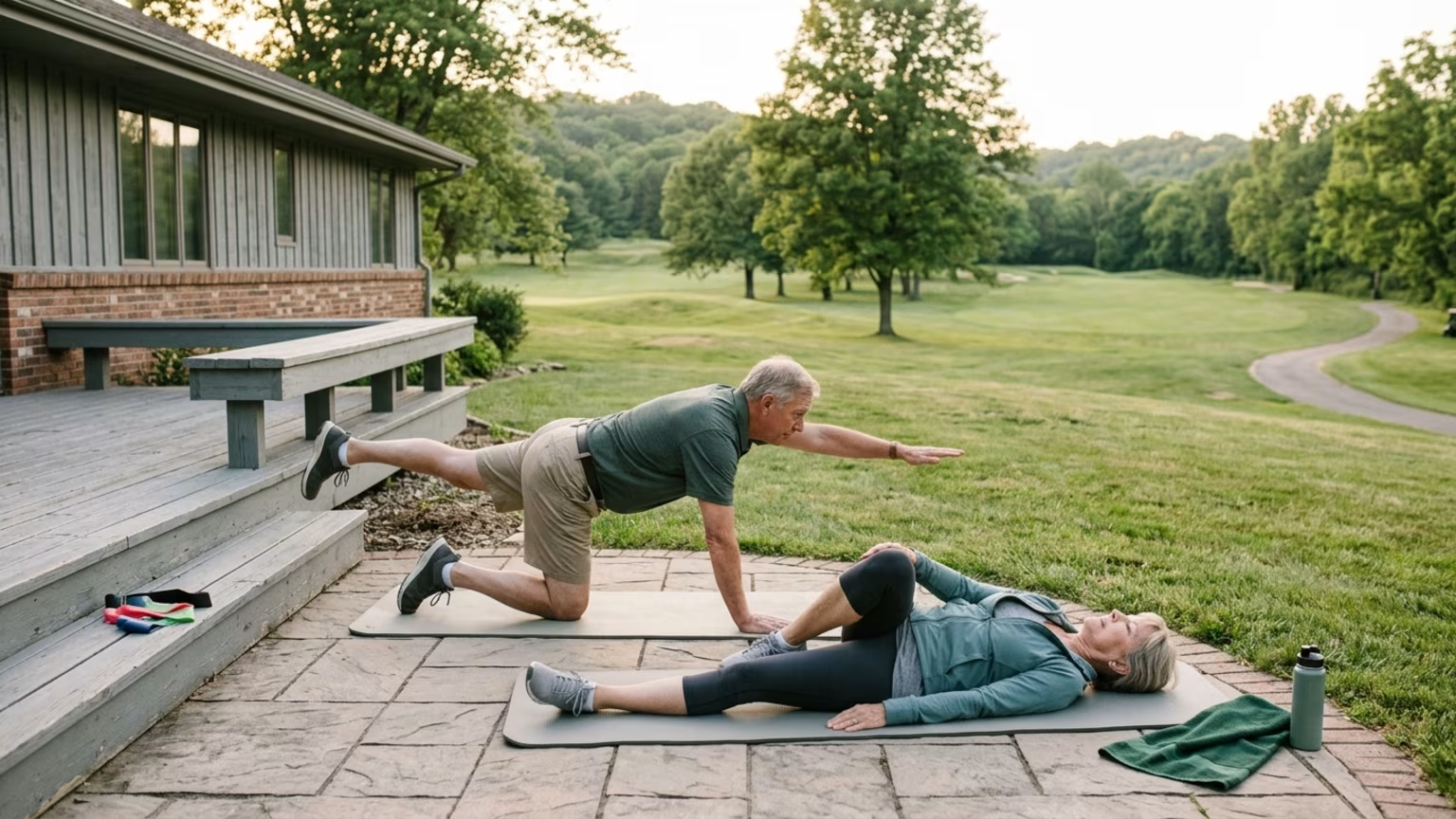
If a low score coincides with poor sleep or joint stiffness, change your practice plan. Spend extra time on your mobility routine before approaching the practice tee. Focus entirely on turning your trail hip smoothly during slow practice swings. Track subjective measures like morning energy and muscle soreness alongside your device data.
Let these real physical feelings dictate how hard you swing on the first few holes. Apple requires about seven nights of sleep data to establish a baseline before Readiness scores appear. This baseline period highlights how these systems need time to learn your normal habits. Apple translates its 0-to-10 scale into four simple text categories.
The recommendations include Recover, Pace Yourself, Ready and Go For It. Treat these labels as gentle suggestions for your upcoming golf session rather than rigid rules. One common misconception is that a perfect score guarantees a safe round of golf. The evidence does not establish that a "Ready" label reliably prevents injury.
Another frequent error is assuming that all wearable devices speak the exact same language. Garmin Training Readiness, Whoop Recovery and Oura Readiness are conceptually similar products. However, their proprietary scales and algorithms are entirely different. You cannot directly compare an Oura score of 80 to a Whoop score of 80.
A single low reading might just mean you ate a late meal or had one restless night. It does not automatically signal that a back injury is imminent. You should avoid treating normal daily changes in heart-rate variability as a strict medical diagnosis. If persistent low scores accompany severe fatigue or physical pain, seek real medical advice.
Data can help us spot negative physical trends before they ruin a weekend golf trip. Wearable devices provide a helpful window into our nightly sleep habits and baseline health. However, the best feedback system is still an honest assessment of your own physical comfort. What adjustments will you make to your daily mobility routine this season to steer clear of this hazard?
Follow Golfergy for practical insights on performance, mobility, recovery and healthy ageing. Stay connected for new articles, research-led guidance and ideas to help you play better for longer.


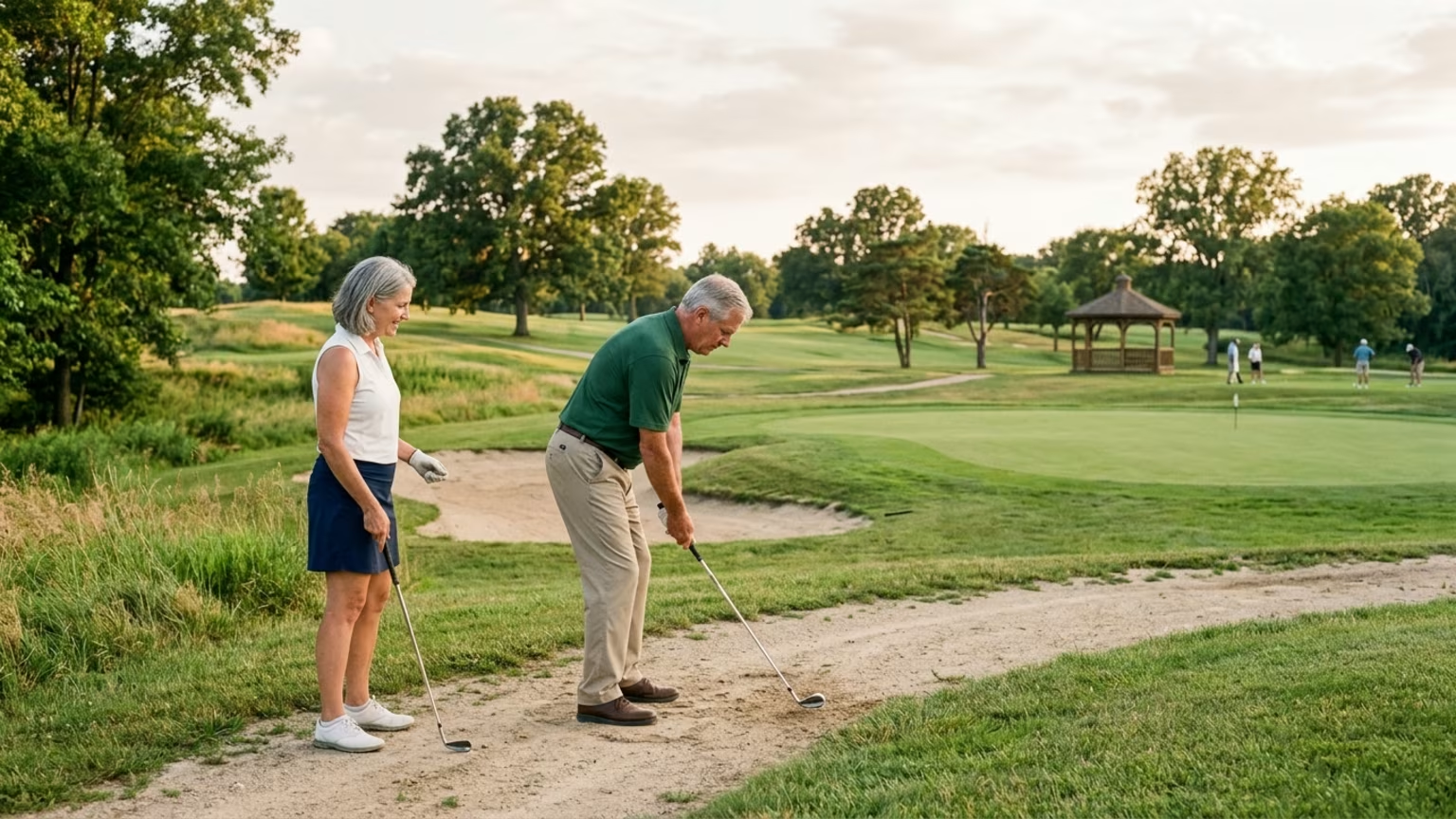
Learn how PGA Tour coach James Ridyard helps older golfers build consistent wedge contact without chasing swing speed to protect aging joints.

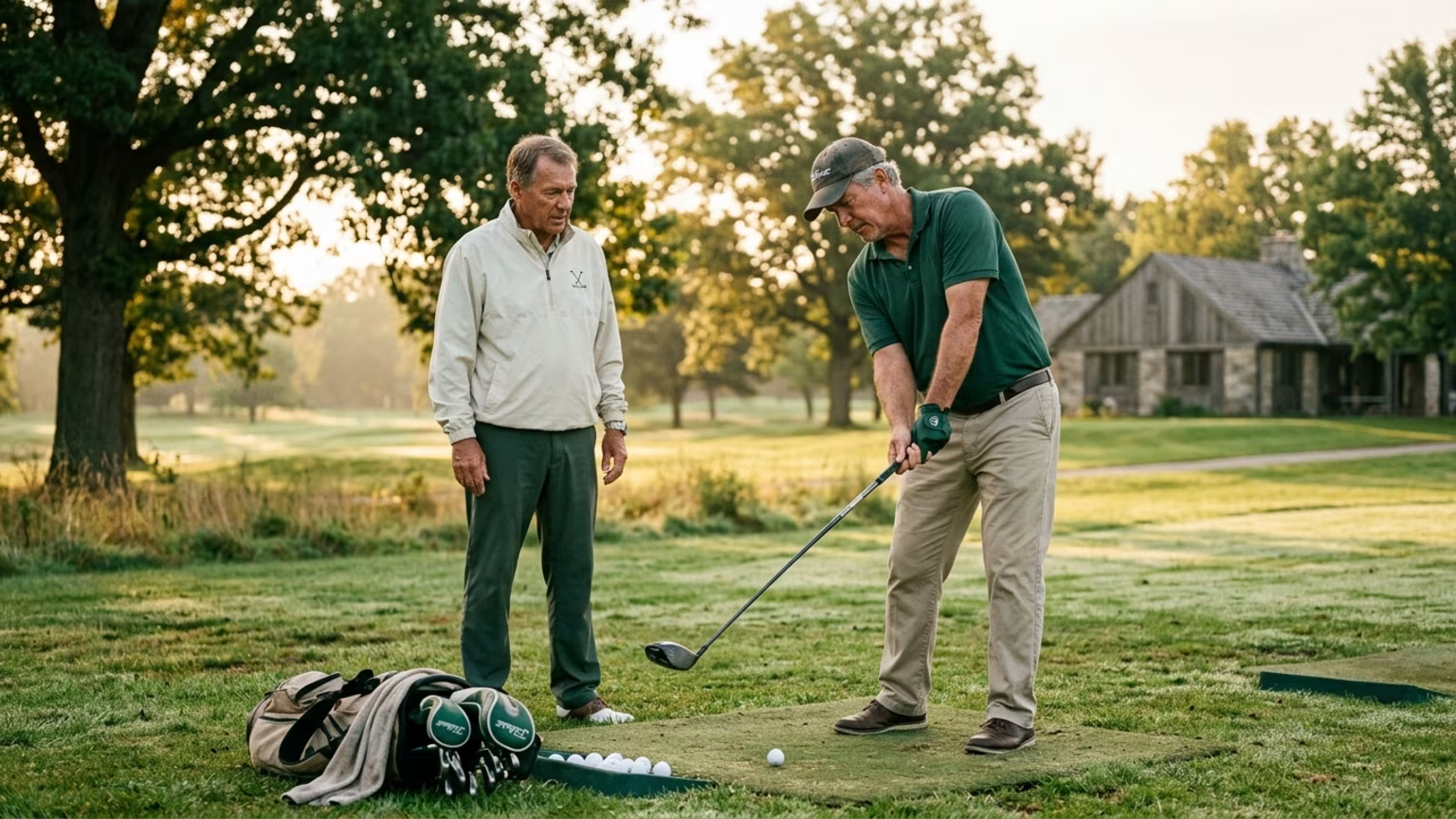
Learn what older golfers can take from a recent breakdown of Scottie Scheffler’s swing. We explain how stable mechanics and balance protect the lower back.
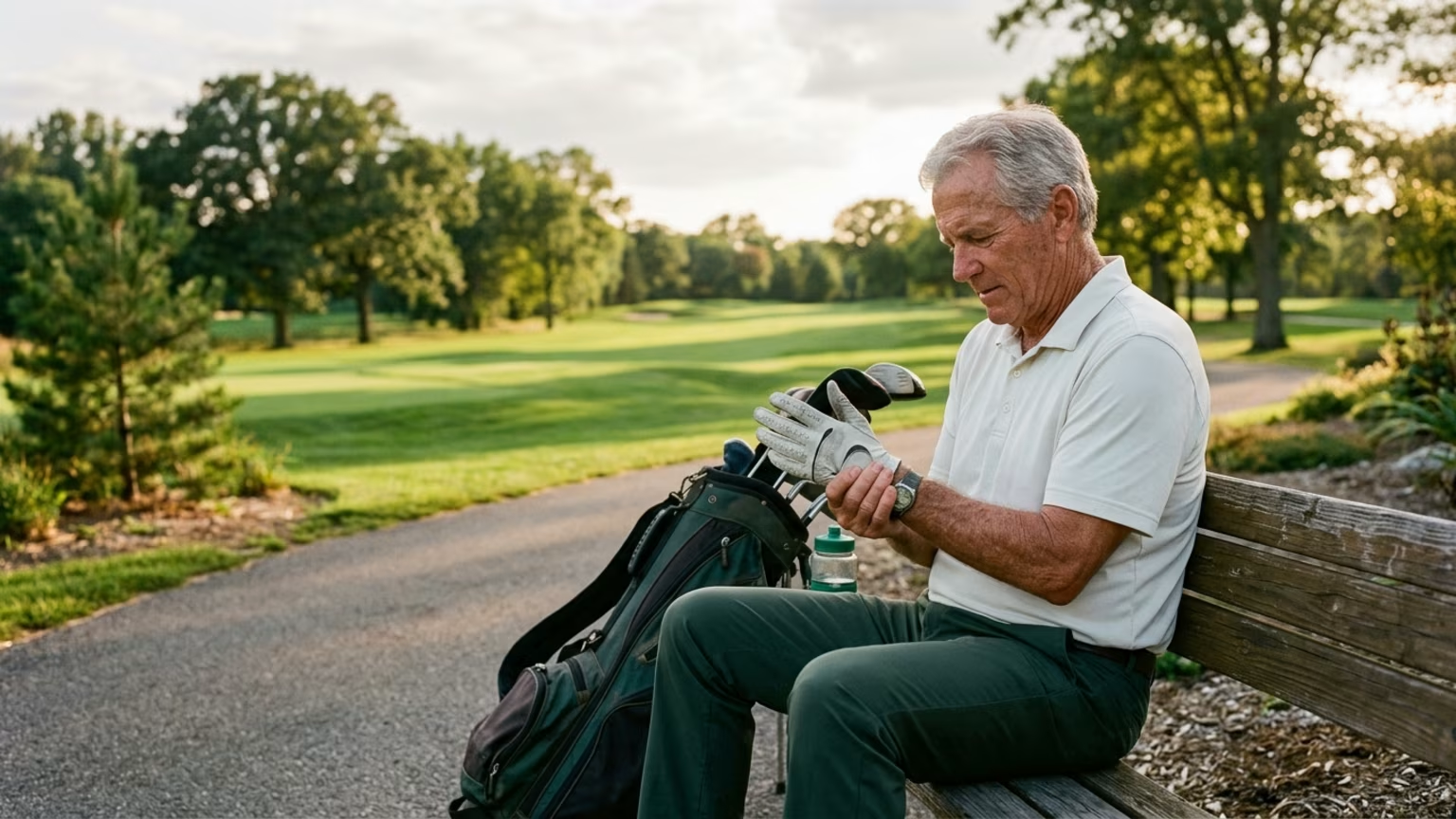
Learn why proper workload management is critical for older golfers. Discover how Adam Scott balanced rest and performance to prevent injuries at the BMW PGA Championship.
Explore practical resources on performance, recovery, mobility and golf longevity.
Read the Blog