
Learn how a simple heel raise routine can help older golfers improve lower leg strength, maintain course stability, and support a strong foundation for the swing.




On September 18, 2026, Ground News surfaced a single-source report from Río Negro detailing a simple exercise for older adults. The story featured trainer José Ruiz discussing ten controlled heel raises as a practical mobility benchmark for people over 60. The platform noted that its independent media-monitoring agencies had not yet evaluated the source. While this is a small health story, it highlights a critical focus area for aging golfers. We rely entirely on our lower legs to carry us across uneven terrain for hours at a time. Addressing lower body strength is a necessary step to maintain our physical capacity on the golf course.
The ankle and calf complex serves as your primary connection to the ground. When these tissues function well, they absorb the physical impact of walking across sloped fairways. They also generate a stable push-off during the transition of the golf swing. When the lower leg muscles weaken, they struggle to control your body weight during forward motion. This weakness compromises how the ankle joint behaves as you shift weight toward your lead side.
A lack of muscle endurance in the calf creates instability throughout the entire body. The lower leg must stabilize the knee and hip during the aggressive downswing phase. If the calf cannot provide that firm base, your body will instinctively compensate by altering your swing mechanics. Poor stability often leads to early extension or a total loss of posture through the impact zone.
The push-off phase of the golf swing specifically demands immense strength from the trail leg. As you drive your weight forward, the calf muscle acts as a powerful lever. Without adequate force production from this area, your swing loses its natural rhythm. Maintaining this specific muscular endurance is a direct investment in your distance and accuracy.
Over time, this mechanical breakdown places severe stress on other major joints. Walking an 18-hole course requires thousands of steps on unpredictable terrain, accelerating fatigue on the back nine. Building strength in this area helps protect your golf swing by maintaining a strong foundation.
Amateur golfers face a growing risk of instability on the course as they age. Recreational players swing with less speed than touring professionals, but we still require significant joint stability to finish a round safely. A systematic review reported improvements in balance-related physical performance after resistance-training interventions in older adults with sarcopenia. Without consistent strength training, our lower body slowly loses the capacity to handle the physical demands of the game.
The saddest thing I have seen in golf is watching lifelong playing partners slowly drop out of our weekend group. It usually starts with a nagging shoulder or knee issue they ignore until it requires surgery. That pattern is exactly why our team became obsessed with golf longevity. We do not have to stop playing as we age, provided we do the right maintenance work between rounds.
Many older players mistakenly believe that walking the course alone provides adequate leg strength. Walking is a fantastic baseline activity, but it does not offer the targeted resistance needed to reverse age-related muscle loss. When we lose foundational strength in our feet and ankles, our risk of slipping on wet grass increases dramatically. This physical vulnerability is why targeted exercises are vital for maintaining our range of motion and general stability.
Modern golf course architecture often features dramatic elevation changes and undulating greens. Navigating these modern layouts places immense rotational strain on our ankles. Older adults with weaker lower limbs frequently twist their knees when trying to walk across severe sidehills. Keeping the calf complex strong provides a necessary buffer against these common walking injuries.
Golfers can use controlled heel raises as a convenient way to practice lower-leg strength alongside a wider conditioning routine. Ruiz suggests starting with two or three sets of 10 to 15 repetitions. He recommends performing this routine two or three times weekly rather than every single day. This specific frequency allows the calf muscles time to recover between training sessions.
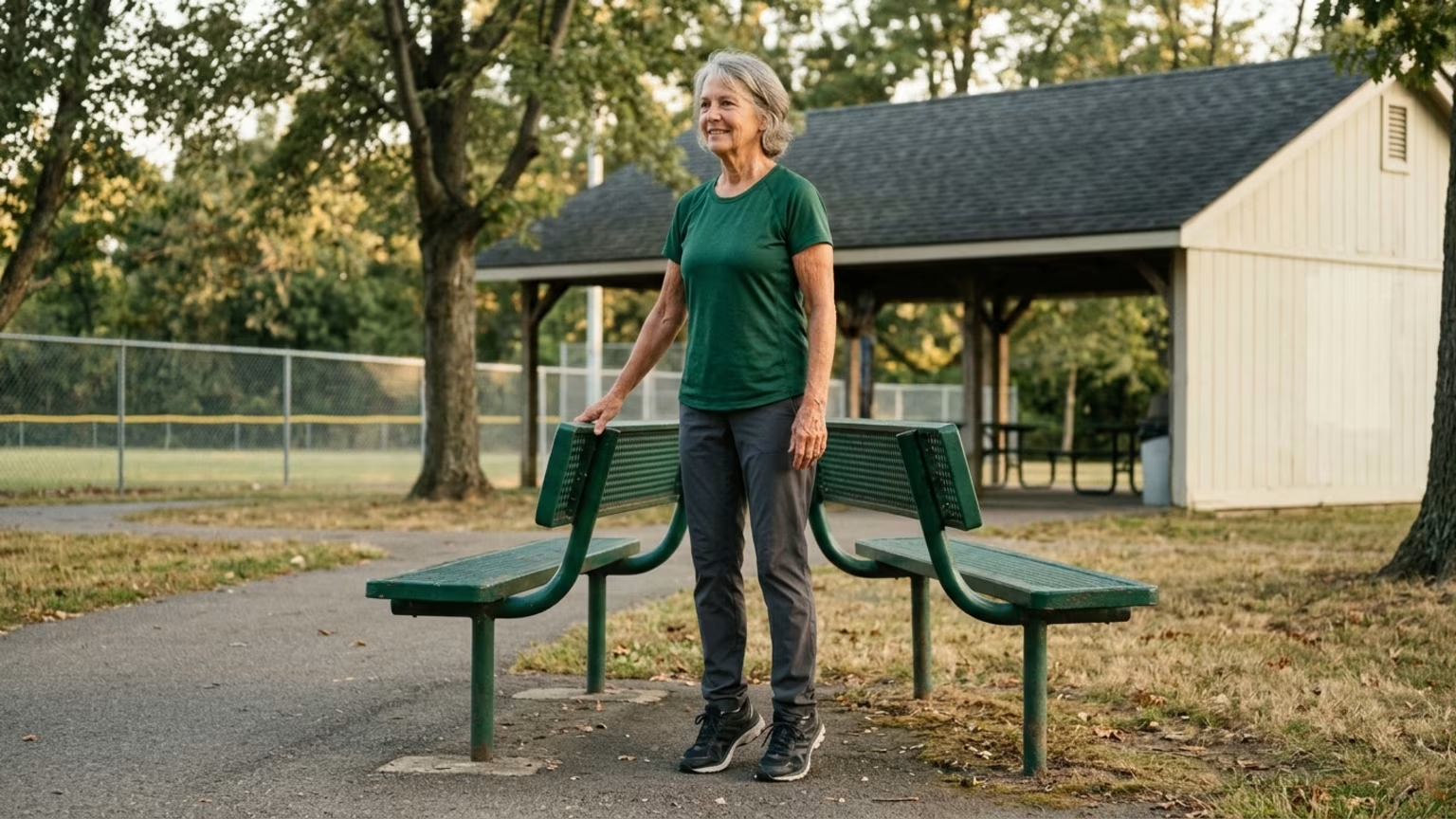
Begin the movement by standing with your feet hip-width apart near a wall or a sturdy chair. Rise slowly onto both toes and reach a comfortable maximum height without losing your physical alignment. Pause for one to two seconds at the very top of the movement. The source stresses that you must lower yourself under complete control.
This controlled downward descent requires the lower-leg muscles to actively manage your body weight. Rushing the downward phase eliminates the primary strengthening benefit of the entire exercise. I used to stand on the first tee doing long, static hamstring stretches because I thought it was the right way to warm up. I would actually feel weaker on my first drive.
Research later showed me that dynamic movements prime the nervous system much better. Changing my five-minute warmup completely transformed my opening tee shots. You should apply this same active principle to your leg strength routine. Progress the heel raise movement only when 15 repetitions become very easy to complete.
The original report describes reducing your reliance on the support surface as a primary first step. You can then try a single-leg version while keeping a wall nearby for safety. Eventually, you might add external load such as dumbbells to increase the difficulty. Keeping your active joint control steady is the ultimate goal for longevity.
A common misunderstanding regarding this news story is treating the ten-repetition benchmark as a clinically validated diagnostic test. The report provides no sensitivity data, control group, or verified fall-outcome statistics for this benchmark. It is simply an informal reference point suggested by a personal trainer to track progress. Completing ten heel raises successfully does not mean you are permanently safe from balance issues.
A person may perform heel raises successfully while still having important fall-risk factors involving vision, sensation, and reaction time. Hip weakness, conflicting medication, vestibular issues and poor footwear also contribute heavily to walking instability. The Centers for Disease Control and Prevention directs older adults toward structured resources and clinical assessment tools for genuine fall prevention. You should not mistake a simple exercise challenge for a medical evaluation of your safety on the golf course.
Attempting unsupported heel raises on sloped or wet surfaces is a terrible idea for older adults. Always practice on firm ground in a completely controlled environment. If you experience significant pain, repeated falls, or marked asymmetry, seek assessment from a qualified clinician immediately. Do not use this single exercise as a self-clearance test to mask a serious physical limitation.
Consistent lower-leg strengthening is a highly practical way to maintain your general movement capacity. Adding a brief heel raise protocol to your non-playing days takes very little time and requires zero specialized equipment. What adjustments will you make to your mobility routine this season to steer clear of this hazard?
Follow Golfergy for practical insights on performance, mobility, recovery and healthy ageing. Stay connected for new articles, research-led guidance and ideas to help you play better for longer.


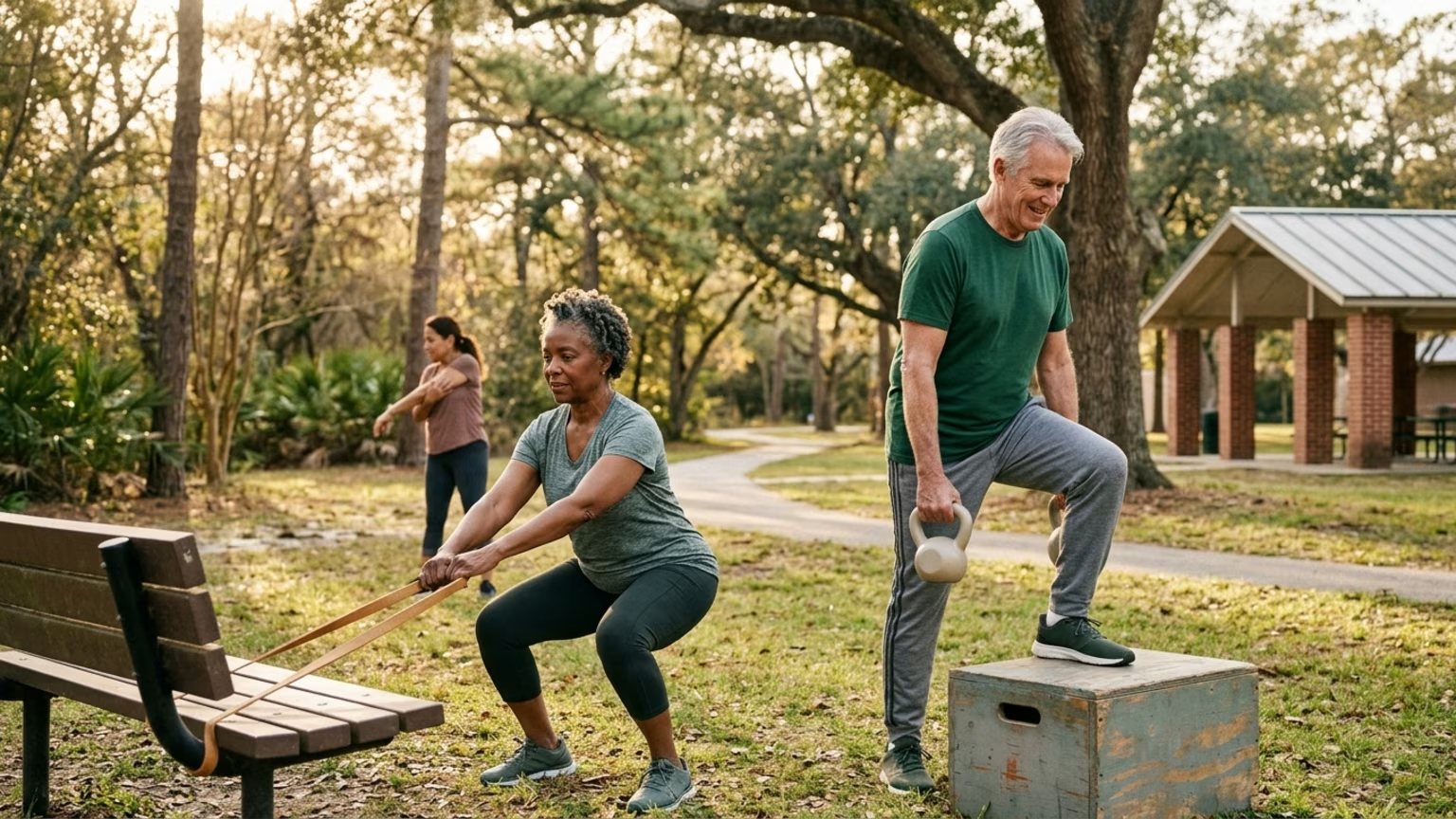
Muscle strength serves as a physical retirement asset for golfers over 40. Resistance training and simple protein guidelines help preserve course mobility.

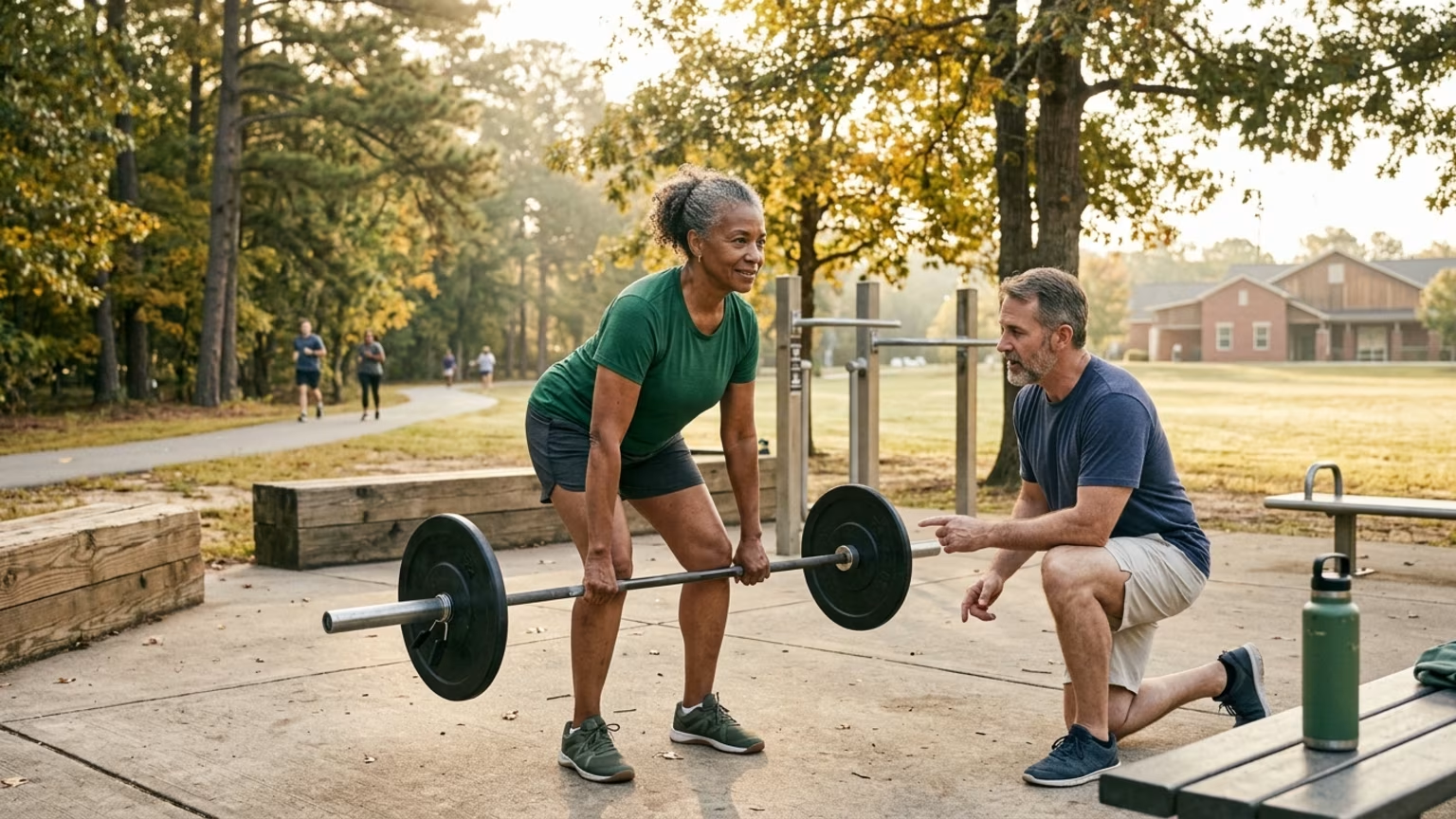
A practical guide to strength training for senior golfers. Learn how to safely build muscle, protect your joints, and maintain swing stability after age 40.
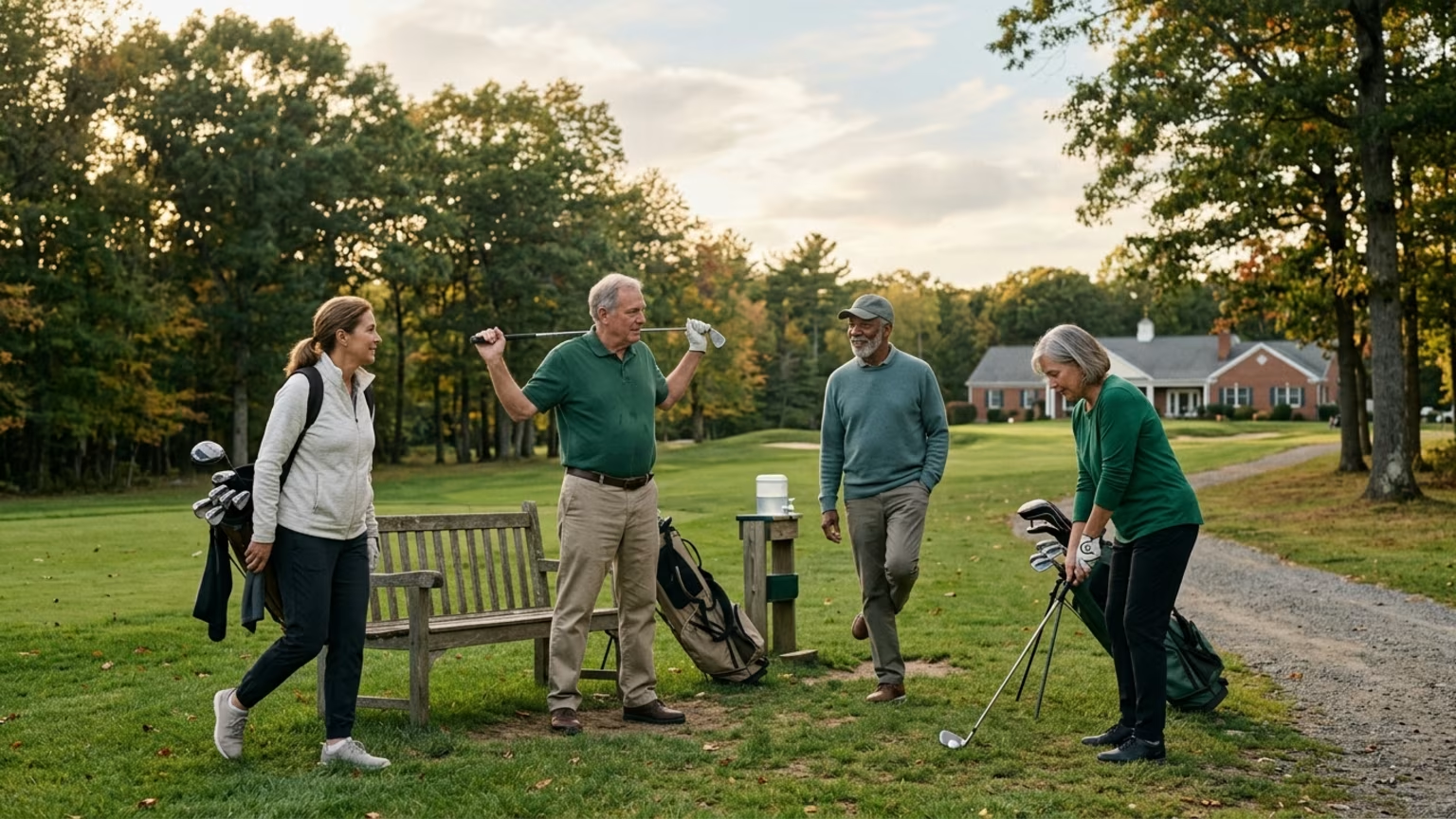
A 2026 study highlights four key fitness capacities linked to lower mortality risk in older adults. Learn how to train these pillars for better golf longevity.
Explore practical resources on performance, recovery, mobility and golf longevity.
Read the Blog