
Muscle strength serves as a physical retirement asset for golfers over 40. Resistance training and simple protein guidelines help preserve course mobility.




On September 14, 2026, when a widely syndicated news feature sourced to the Fitness & Finance Radio podcast argued that physical strength is a critical retirement asset, it struck a chord with older athletes. The broadcast suggested that maintaining strength and muscle mass directly affects mobility, balance and independence. For experienced recreational golfers, this translates to how many more years they can confidently walk the fairway. The concept of building a physical retirement portfolio might seem abstract to some.
Viewing muscle as an asset helps us reframe how we prepare for the back nine of life. This perspective shifts the focus away from short-term fixes and toward lasting habits.
The human body naturally sheds muscle tissue over time if it is not routinely challenged by resistance. The feature cites NIH material stating that age-related muscle loss begins around age 30 and proceeds at approximately 3-5% of muscle mass per decade. This gradual decline alters how the body absorbs force during athletic movements. When you swing a golf club, your muscles act as shock absorbers for your joints.
As your muscular capacity drops, your ligaments and joints are forced to take on more mechanical stress. This biological process reduces the contractile force your tissues can generate when you push off the ground. In plain English, the muscle fibers shrink and lose their ability to fire quickly. This weakens the structural support around the spine and knees.
Without enough muscle to stabilize the pelvis during rotation, the lower back is left completely unprotected. Players who experience this decline often notice a sharp drop in their swing stability and stamina. Muscle tissue is not just for producing power during the swing. It acts as a vital metabolic engine that supports overall energy levels throughout the day.
When this tissue diminishes, fatigue sets in much earlier during your round. A tired golfer is far more prone to swing faults and acute injuries on the back nine. Walking an 18-hole golf course requires your body to handle uneven terrain for several miles. Strong leg muscles protect your knees during steep descents.
The long-term functional outlook for untreated age-related muscle loss is both measurable and concerning. It limits basic everyday movements before it ever affects athletic performance. The article cites NIH information that around 30% of adults over 70 have difficulty walking, rising from a chair or climbing stairs. This loss of basic functional movement is the exact mechanism that forces older players out of the sport.
These numbers highlight a clear physical trajectory for adults who avoid resistance training. When rising from a chair becomes difficult, walking an undulating 18-hole golf course becomes nearly impossible. The decline does not happen overnight. It is a slow fade that chips away at a player's physical independence year after year.
Recognising this data early allows golfers to intervene before their course mobility is permanently compromised. Those who take these statistics seriously are better equipped to handle mid-round fatigue and tightness.
The saddest thing our team has seen in golf is watching lifelong playing partners slowly drop out of our weekend group. It usually starts with a nagging shoulder or knee issue they ignore until it requires surgery. That pattern is exactly why Golfergy became obsessed with golf longevity. We do not have to stop playing as we age, provided we do the right maintenance work between rounds.
Amateur golfers over 40 are particularly vulnerable to this physical decline. Tour professionals swing with violent speed. Weekend players swing much slower, but they still face a massive risk of structural decline because they rely entirely on the athletic foundation they built in their youth. As age-related muscle loss accelerates, the amateur body struggles to stabilize the spine and hips during rotation.
This makes a typical round feel increasingly exhausting and painful. Furthermore, amateurs often lack a structured recovery protocol. They finish a round, store their clubs and sit at a desk all week. This sedentary pattern accelerates the natural loss of muscle tissue.
Without consistent physical challenges to signal the body to retain its muscle, the tissues continue to weaken. The compounding effect of these missing recovery days is profound. When the legs weaken, the upper body tries to force the club through the impact zone. Addressing this weakness early is the only way to protect the smaller joints from absorbing excess force.
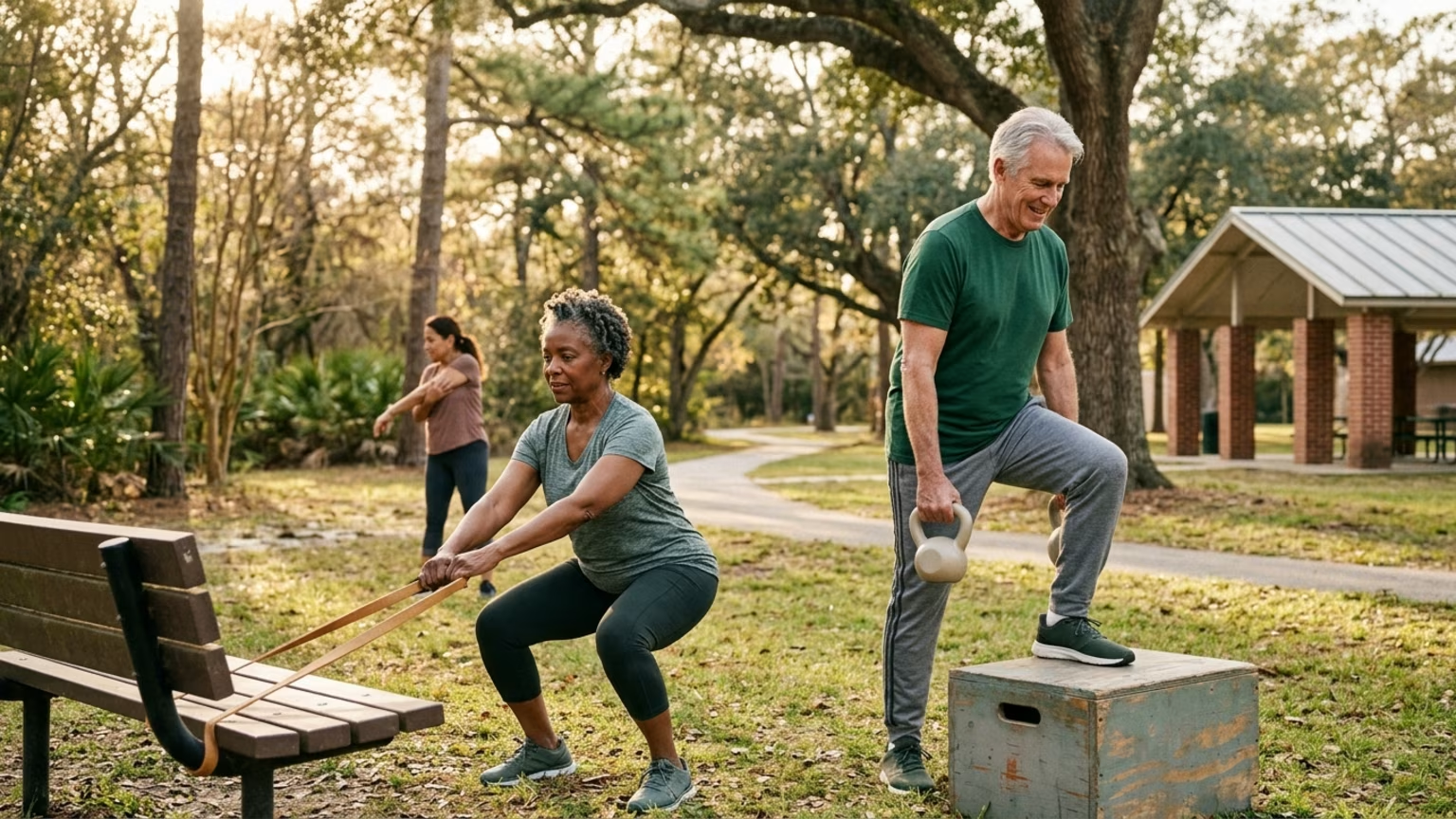
The most practical way to combat this decline is through consistent resistance training and adequate daily nutrition. Start by introducing simple bodyweight movements into your routine. Focus entirely on pushing your hips back during a bodyweight squat before adding any extra load. Mastering this single small movement pattern helps recruit the large leg muscles you need for generating ground force.
This basic strength work forms the foundation of your physical retirement account. You must also provide your muscles with the raw materials they need to recover. For healthy older adults, an ESPEN expert-group summary recommends at least 1.0-1.2 grams of protein per kilogram of body weight per day. People who are malnourished or at risk because of illness may require 1.2-1.5 grams per kilogram per day.
Consistently meeting these daily targets helps your body repair the tissue stress caused by a long day on the course. Digestion and protein absorption become less efficient as we grow older. This means you have to be much more intentional about your daily intake than you were in your twenties. You can read more about building a weekly healthy ageing routine to structure this process safely.
Many players incorrectly assume that resistance training is useless unless it results in visibly larger muscles. This visual expectation is a common misconception that stops older golfers from trying to build strength. A 2026 systematic review of resistance training in older adults with sarcopenia examined this exact topic. The researchers found significant improvements in handgrip strength, knee-extension strength, gait speed and timed-up-and-go performance.
Crucially, the pooled analysis in that same review did not find a statistically significant improvement in appendicular skeletal muscle mass. This means older adults gained the functional strength needed to move better without actually building significantly larger muscles. Chasing visible hypertrophy is completely unnecessary when your primary goal is to retain your course mobility. This data should reassure older golfers who worry about getting too bulky or stiff from lifting weights.
The goal is to improve how the nervous system communicates with your existing muscle fibers. Increased grip strength and better knee extension translate directly to a more stable golf swing. For more details on this concept, review our complete guide on building muscle safely for senior golfers.
Preserving your muscle function requires the same long-term consistency as funding a financial retirement account. It is never too late to start a conservative routine and protect your physical capabilities. A steady approach to resistance training and nutrition will keep you walking the fairways for years to come. What adjustments will you make to your mobility routine this season to steer clear of this hazard?
Follow Golfergy for practical insights on performance, mobility, recovery and healthy ageing. Stay connected for new articles, research-led guidance and ideas to help you play better for longer.


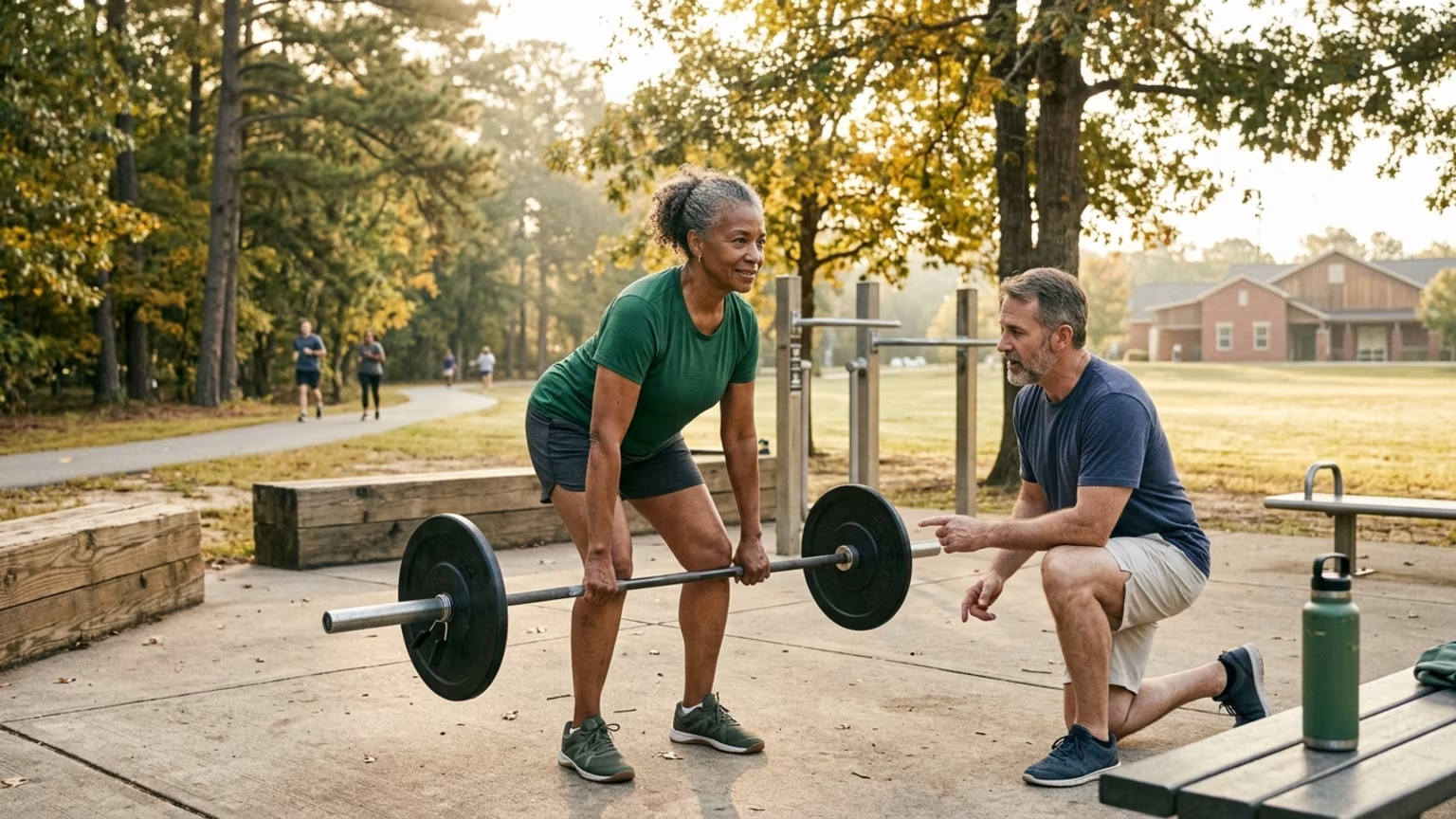
A practical guide to strength training for senior golfers. Learn how to safely build muscle, protect your joints, and maintain swing stability after age 40.

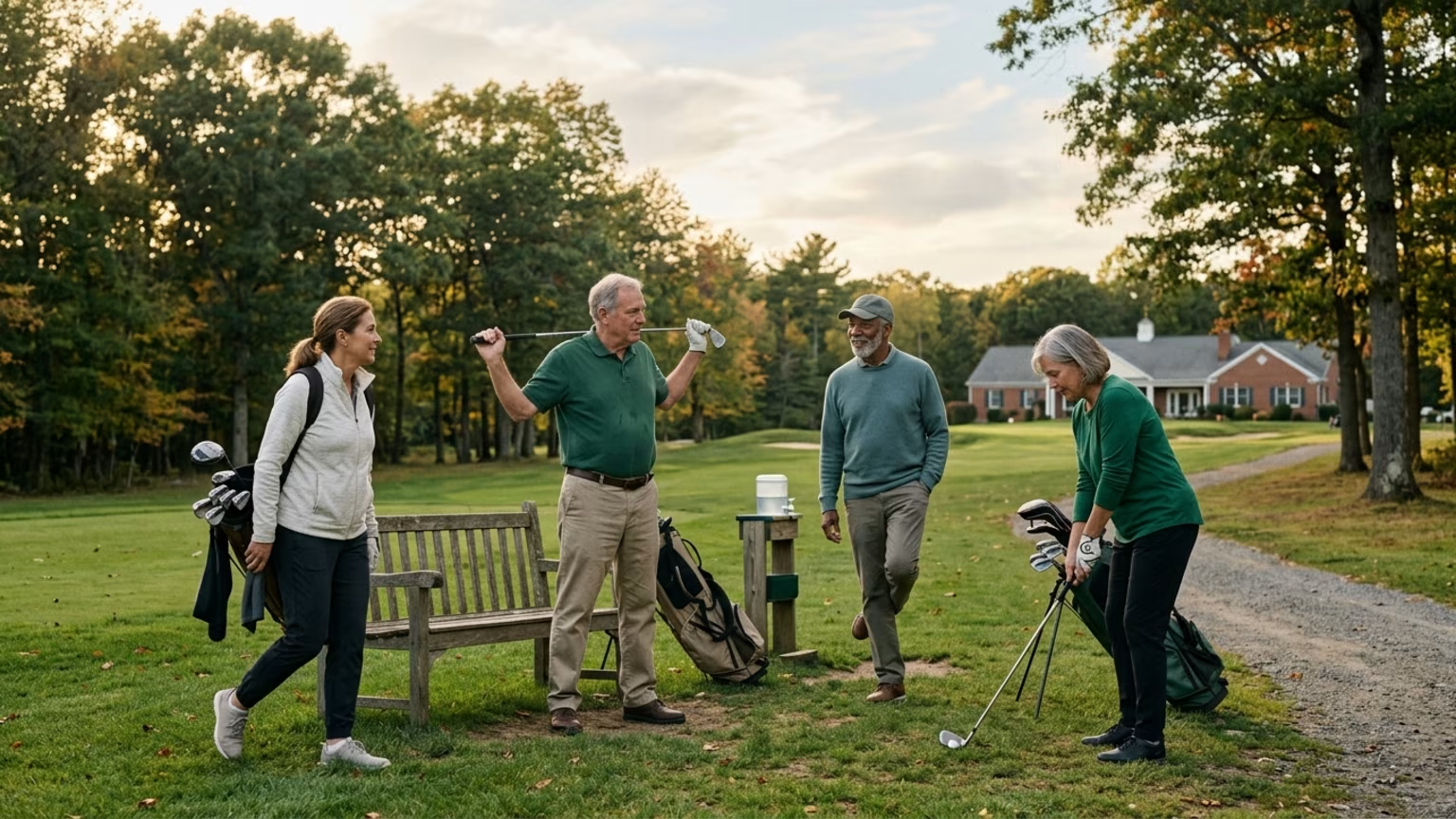
A 2026 study highlights four key fitness capacities linked to lower mortality risk in older adults. Learn how to train these pillars for better golf longevity.
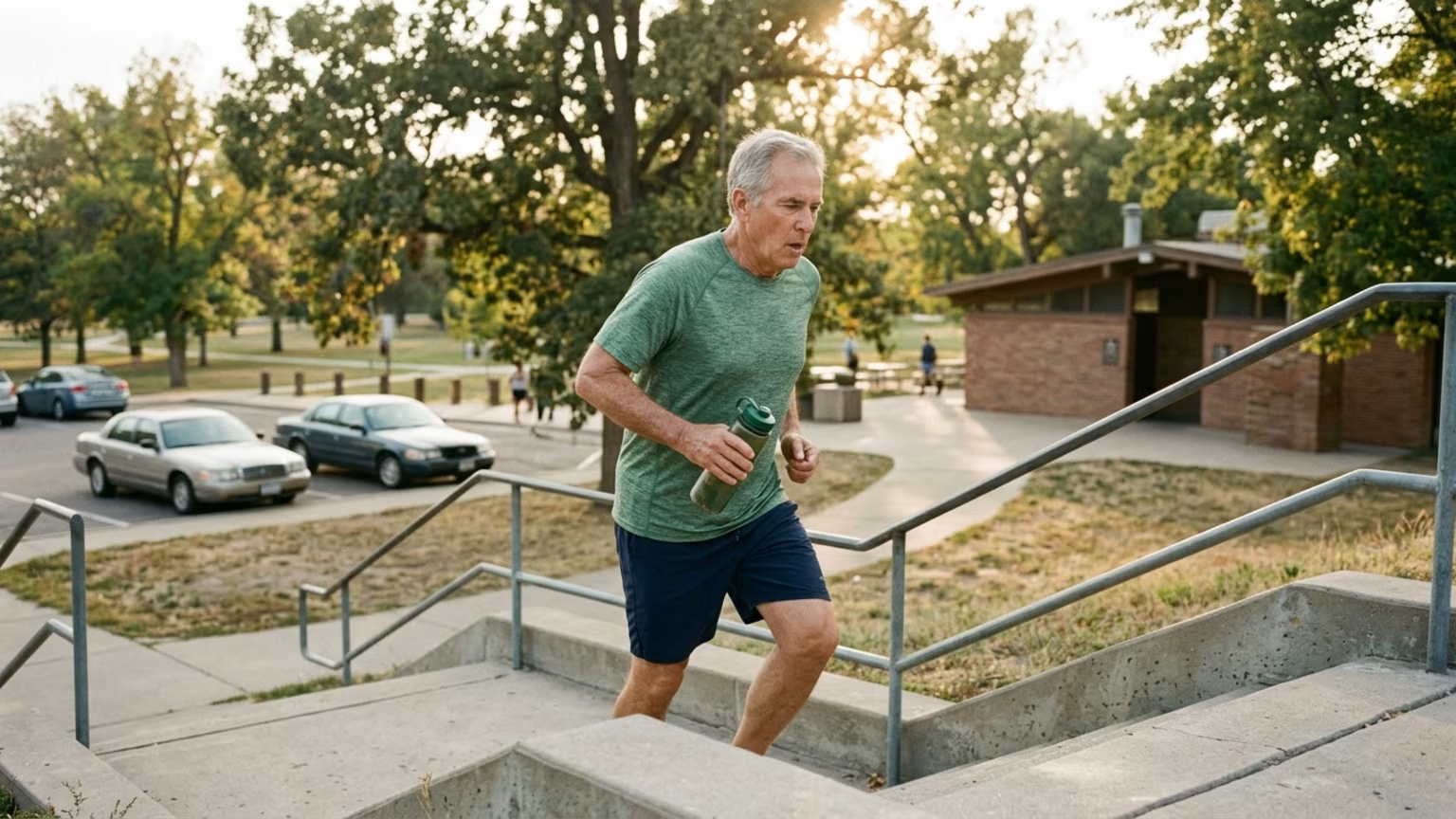
Learn how short bursts of brisk walking on the golf course can improve cardiovascular health and lower mortality risks for older players.
Explore practical resources on performance, recovery, mobility and golf longevity.
Read the Blog