
A practical guide to strength training for senior golfers. Learn how to safely build muscle, protect your joints, and maintain swing stability after age 40.




On September 15, 2026, MedicalXpress published a HealthDay explainer on safe strength training. The piece outlined clear steps for older adults to build physical resilience. We regularly see news about professional golfers withdrawing from major tournaments with sudden injuries. Older recreational players often face a quieter exit from the sport entirely.
The saddest thing I have seen in golf is watching lifelong playing partners slowly drop out of our weekend group. It usually starts with a nagging shoulder or knee issue they ignore until it requires surgery. That pattern is exactly why our team at Golfergy became obsessed with golf longevity. We do not have to stop playing as we age, provided we do the right maintenance work between rounds.
The MedicalXpress article frames resistance training as a vital defense against age-related muscle loss. This physical condition is known in the medical field as sarcopenia. Losing muscle directly contributes to weakness, instability, falls and bone fractures over time. These physical deficits create a dangerous chain reaction during a dynamic golf swing.
A golf swing forces the human body to coil and uncoil rapidly. The muscles surrounding the spine and hips must absorb this immense rotational force. When a player lacks muscular support, the delicate joints bear the brunt of that torque. Over hundreds of swings, unprotected joints undergo significant mechanical stress and break down.
We see this impact most clearly when older players attempt to clear their hips quickly. Weak glute muscles fail to stabilize the pelvis properly during the aggressive downswing. This structural instability forces the lower back to manage the rotational forces alone. The human body cannot safely execute a powerful swing without a strong muscular foundation.
Without sufficient muscle mass, the shoulders also face intense pressure during the backswing. The rotator cuff must stretch and hold the club firmly at the top of the swing. Sarcopenia weakens these stabilizing muscles, leaving the shoulder capsule exposed to sudden strains. A stronger upper body absorbs this tension and keeps the joint perfectly aligned.
Golfers over 40 swing the club with significantly less speed than tour professionals. You might think this slower pace protects the older body from physical harm. Older amateurs actually face a substantial risk of injury every time they play. Professionals spend years building physical armor to handle repetitive swing forces.
Older recreational players often step onto the first tee with existing muscle deficits. The natural aging process strips away protective tissue year after year. Without consistent strength routines, older amateurs lack the armor to protect their joints. Swinging a golf club without this foundational strength leaves the back and shoulders highly vulnerable.
A loss of functional strength also makes walking the course much harder. Sarcopenia slowly limits your physical stamina on the back nine. We often see players lose their posture late in a round because their legs fail. Building robust leg strength keeps your swing stable from the first tee to the final green.
Playing from sidehill or downhill lies requires immense lower-body stability. Slower amateur swings do not protect you from the physical demands of a steep hillside. You still have to brace your entire body weight against the uneven turf. Without adequate muscle mass, older players easily lose their balance and risk serious falls.
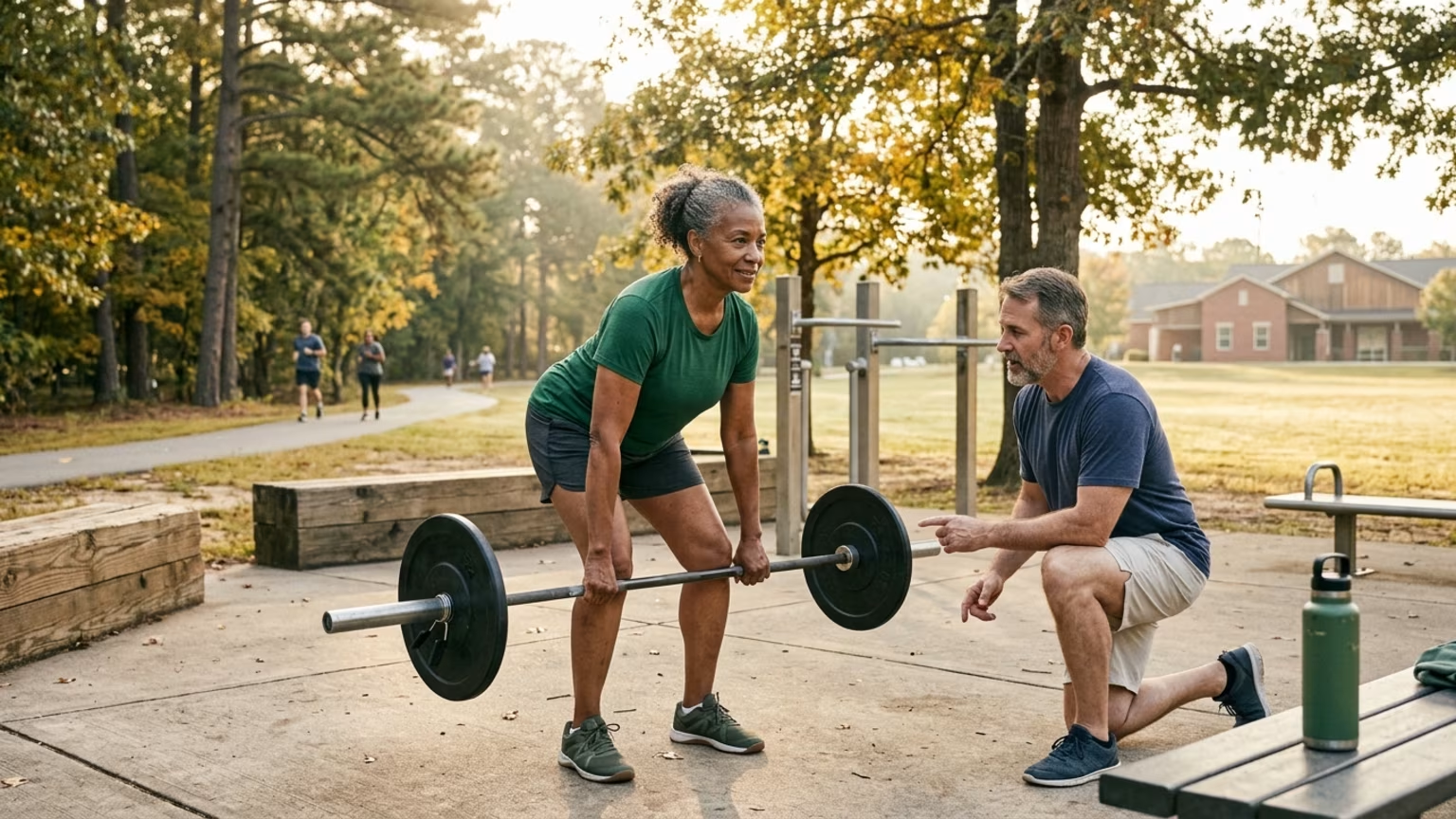
The MedicalXpress guide recommends two to three strength-training sessions per week. You must leave at least one full rest day between your workouts. Beginners should start with simple bodyweight movements like squats, lunges and push-ups. You can then progress to resistance bands and light dumbbells.
The overarching goal is to increase resistance gradually rather than making abrupt jumps. The guide suggests increasing upper-body loads by approximately 2% to 5%. Lower-body exercises can safely increase by 5% to 10% over time. Focus entirely on turning your trail hip or executing one small movement at a time during these exercises.
The whole-body menu should combine upper-body pressing, lower-body squats and core planks. These functional movements build a solid foundation for rotational power. This minimalist strength approach targets the most critical golf muscles without requiring hours in the gym. You should also add five to 10 minutes of light cardio and stretching before and after training.
Executing these movements correctly requires complete concentration. You should never rush through a repetition just to finish the set. Moving slowly forces the muscles to work harder and protects the joints from sudden jerks. This controlled approach perfectly mimics the smooth tempo required for a consistent golf swing.
Many older players mistakenly believe they need to lift heavy weights immediately. The medical explainer stresses that controlled technique is far more critical than total weight. Proper form directly reduces injury risk and improves overall muscle engagement. Golfers returning from an injury should obtain medical guidance before starting a new routine.
Another common mistake is pushing through joint pain to finish a workout. The article explicitly advises stopping and reassessing when an exercise produces sharp pain or joint discomfort. You must understand training load and normal soreness to distinguish harmless fatigue from sharp pain. Pain means your body is failing to tolerate the load properly.
Older athletes sometimes skip the recovery phase entirely to squeeze in more range time. MedicalXpress reminds us that hydration, supportive footwear and adequate sleep are just as critical as lifting. Muscles repair and grow stronger only during periods of rest. Training three days a week is pointless without sufficient sleep between sessions.
Building muscle past the age of 40 requires patience, consistency and proper recovery. A gradual approach to strength training will protect your joints and keep you on the course. What adjustments will you make to your mobility routine this season to steer clear of this hazard?
Follow Golfergy for practical insights on performance, mobility, recovery and healthy ageing. Stay connected for new articles, research-led guidance and ideas to help you play better for longer.


A 2026 study highlights four key fitness capacities linked to lower mortality risk in older adults. Learn how to train these pillars for better golf longevity.

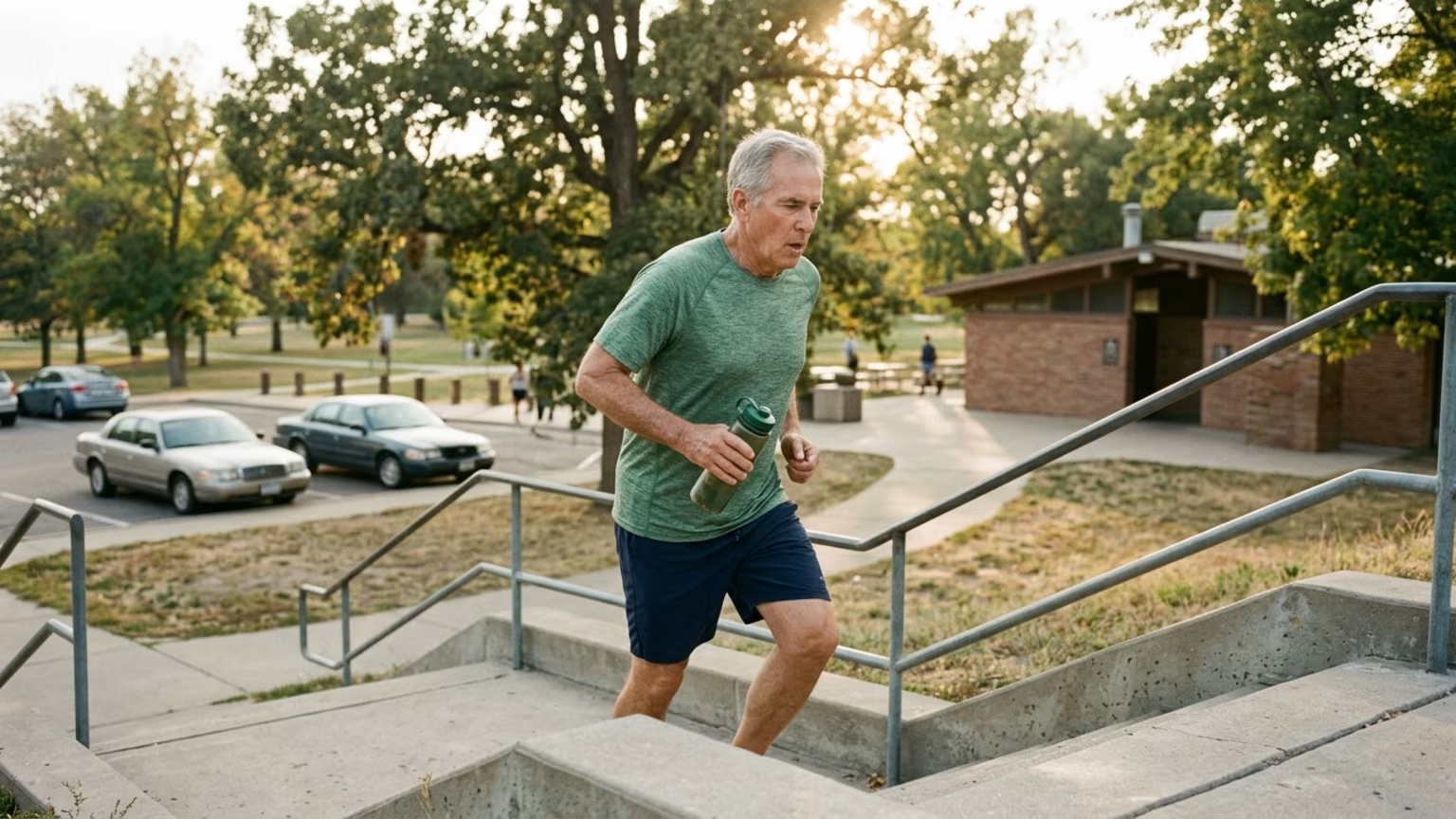
Learn how short bursts of brisk walking on the golf course can improve cardiovascular health and lower mortality risks for older players.
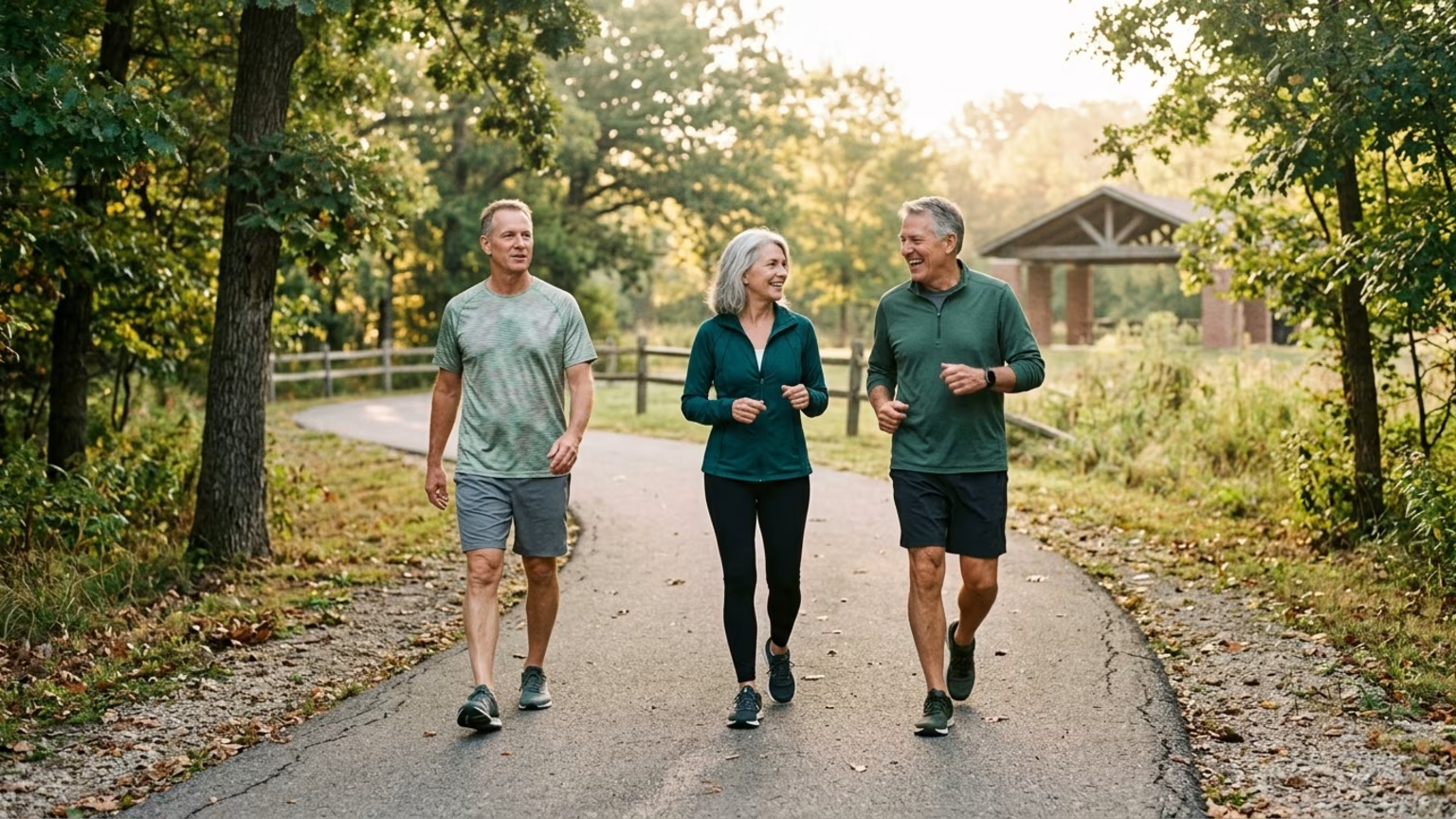
New research highlights VO2 max as a key longevity marker. Read how golfers over 40 can build a consistent aerobic base to play comfortably and recover faster.
Explore practical resources on performance, recovery, mobility and golf longevity.
Read the Blog