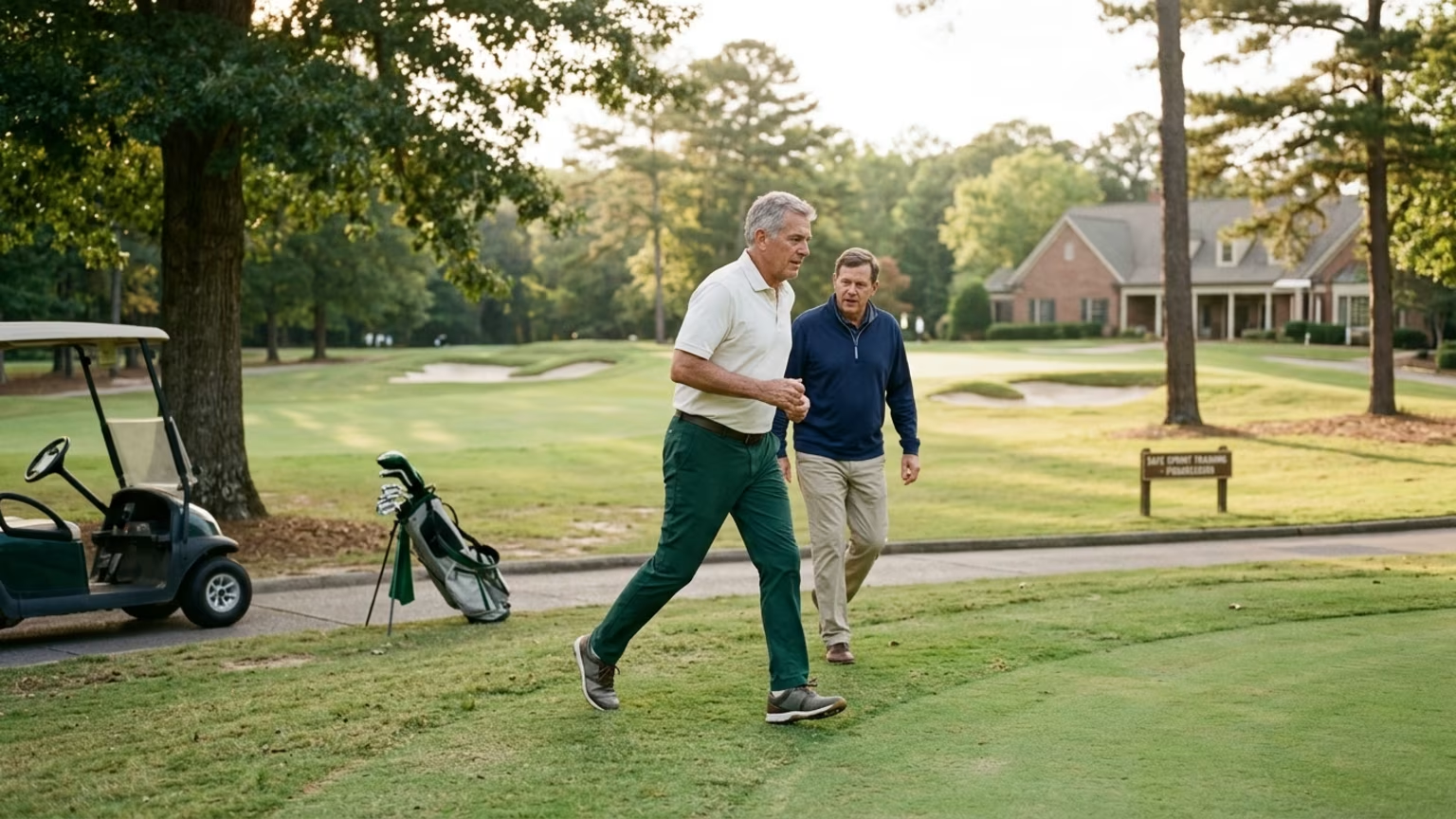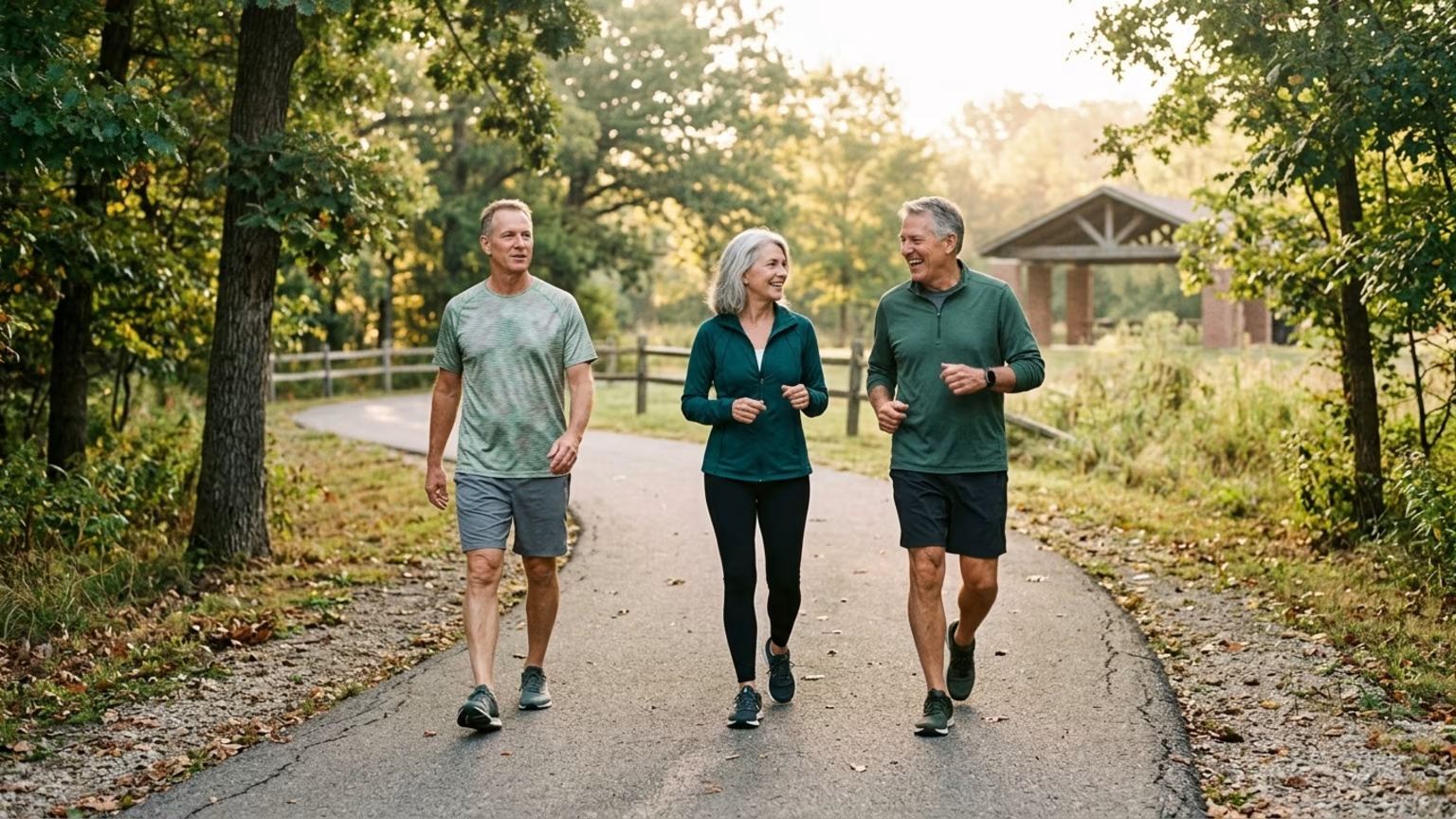

New research highlights VO2 max as a key longevity marker. Read how golfers over 40 can build a consistent aerobic base to play comfortably and recover faster.




In September, when the National Strength and Conditioning Association published a revealing review in its Personal Training Quarterly, it highlighted a hidden physical threat. The research describes VO2 max, also called cardiorespiratory fitness, as a phenotypic biomarker of healthy longevity. A sudden weekend withdrawal on the professional tour is often tied to an acute structural failure. The provided research does not detail a specific professional golfer withdrawing from a tournament this week.
Instead, the data points to a quiet decline in physical stamina that forces everyday players out of the game. The review highlights research associating the lowest fitness levels with approximately five times the all cause mortality risk of the highest fitness levels. This shift in perspective frames aerobic conditioning as a foundational survival tool for your remaining playing years. The findings show how long term health risks often begin with a simple loss of endurance.
VO2 max is a measure of the body's ability to use oxygen during exercise. It is commonly expressed in millilitres of oxygen per kilogram of body weight per minute. During an 18 hole round, oxygen delivery dictates how well your muscles handle prolonged standing and intermittent high force movements. When aerobic capacity drops, your tissues cannot recover quickly enough between your golf shots.
This shortfall in oxygen recovery leads directly to accumulated lower extremity fatigue. Fatigue alters how your joints bear weight and absorb force during repeated rotation. A fatigued golfer will unconsciously compensate by placing extra physical stress on vulnerable areas like the lower back or knees. The golf performance sector increasingly defines longevity as maintaining the physical qualities needed to play comfortably.
These necessary physical qualities include walking endurance and terrain tolerance. You also need lower body capacity, swing tolerance, and reliable physical recovery. Without adequate oxygen utilization, maintaining this foundation becomes nearly impossible. A strong aerobic base keeps your swing mechanics stable from the first tee to the final green.
The underlying evidence for these claims comes from a 2018 JAMA Network Open cohort study. This analysis tracked 122,007 adults who underwent exercise treadmill testing to measure their conditioning. In that large study, low fit participants had an adjusted hazard ratio of 5.04 for all cause mortality compared with elite performers. Elite performers showed an adjusted hazard ratio of 0.20 compared with the lowest fitness group.
This finding equates to an approximately 80 percent lower relative risk in that specific treadmill tested cohort. The study found an inverse relationship between cardiorespiratory fitness and mortality across the observed fitness categories. A separate medical analysis reported that improving cardiorespiratory fitness was associated with distinct cardiovascular benefits over time. Each 1 mL/kg/min annual increase in VO2 max was associated with a 15 percent lower risk of incident cardiovascular disease.
That same annual increase was linked to a 34 percent lower risk of cardiovascular mortality. These hazard ratios should not be translated into a guaranteed percentage increase in an individual golfer's chance of survival. The mortality evidence is observational and does not prove that aerobic training directly prevents death. The research simply indicates that moving out of the lowest fitness category delivers substantial health improvements.
Recreational players over 40 face significant physical risks when they neglect their aerobic base. An 18 hole round requires older adults to navigate uneven terrain and manage repeated swing blocks over several hours. The saddest thing I have seen in golf is watching lifelong playing partners slowly drop out of our weekend group. It usually starts with a nagging shoulder or knee issue they ignore until it requires surgery.
That pattern is exactly why our team became obsessed with golf longevity. We do not have to stop playing as we age, provided we do the right maintenance work between rounds. A published return to golf rehabilitation framework includes walking endurance and next day symptom monitoring as key progression criteria. If you lack the aerobic capacity to handle varied terrain, you are far more likely to experience persistent next day pain.
You can protect your playing years by systematically building a consistent aerobic base off the course. Public health guidance recommends accumulating regular moderate intensity aerobic activity throughout your week. This aerobic work should be combined with muscle strengthening activity to build a resilient body. Start by incorporating brisk walking, cycling, or rowing into your normal weekly routine.
Progress gradually toward golf specific demands by adding longer walks on variable outdoor surfaces. Focus entirely on keeping your heart rate mildly elevated during these moderate exercise sessions. Occasional practice sessions that combine brisk walking with repeated swings will prepare your body for the course. Golfers with known cardiovascular disease or unexplained chest pain should obtain medical guidance before beginning vigorous training.
Those with major orthopedic limitations must also consult a professional to verify safety. Scaling your intensity to your current orthopedic status yields far better results than copying elite athlete programs. A gradual approach builds lasting physical resilience without triggering new injuries.
Many people mistakenly treat their aerobic capacity as a fixed trait that simply declines unavoidably with age. The new NSCA review describes fitness as a modifiable indicator of long term mortality. Another common error is believing you must reach an elite fitness tier to see any meaningful physical benefits. The study's authors support the idea that moving out of the lowest fitness category is the most impactful step you can take.
You do not need a perfect clinical test score to improve your golf recovery and stamina. Aerobic fitness does not replace the need for strength training or balance work in your routine. Older adult activity guidance recommends multicomponent activity that includes aerobic, muscle strengthening, and balance training. Cardiorespiratory health operates as one useful marker rather than a complete assessment of your golf readiness.
Tracking your fitness trends can reveal whether your current routine is truly supporting your longevity on the course. A repeated fitness estimate that improves or declines over time serves as a highly useful marker for monitoring your overall readiness. Your primary aim should be avoiding functional decline to walk the fairways comfortably. What adjustments will you make to your conditioning routine this season to steer clear of premature fatigue?
Follow Golfergy for practical insights on performance, mobility, recovery and healthy ageing. Stay connected for new articles, research-led guidance and ideas to help you play better for longer.


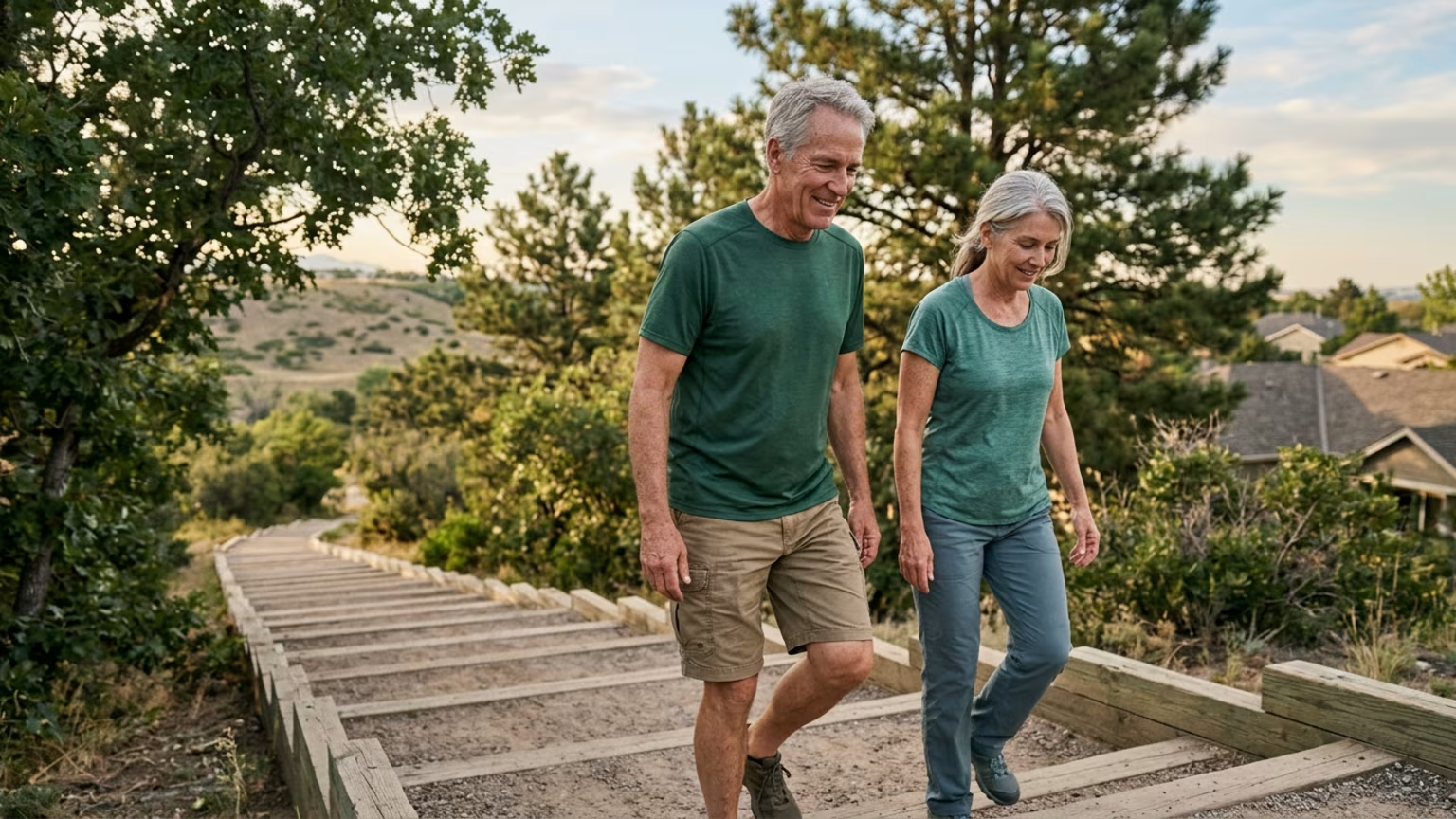
A 2026 study linked daily stair climbing to a 39 percent lower cardiovascular mortality risk. Learn how this simple habit can protect your late-round golf stamina.

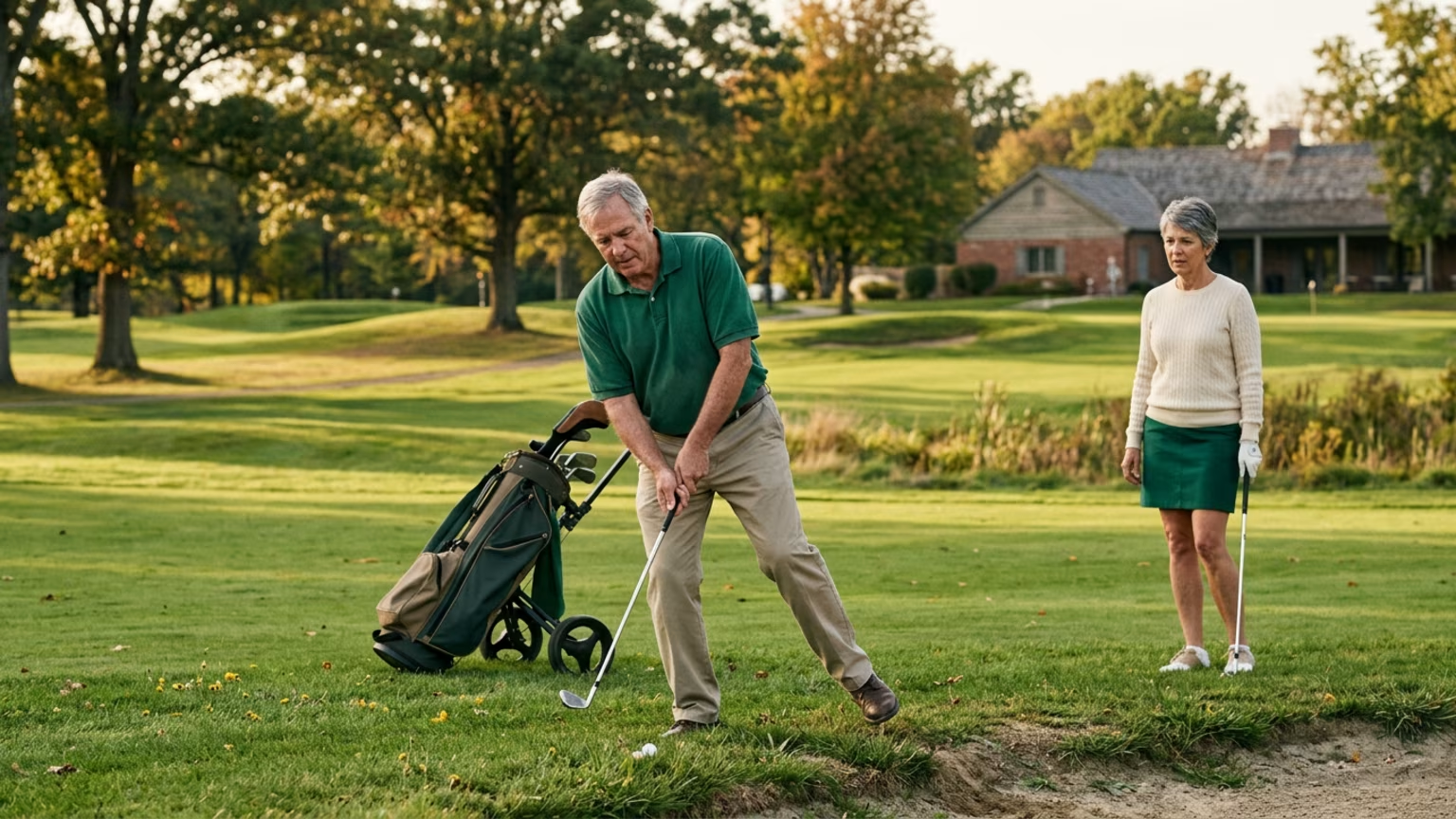
Learn how older golfers can adapt the Fall Prevention Foundation's new exercise guidance to build balance, leg strength and stability for the course.
Learn how a new NIH-funded clinical trial on ketone esters highlights the importance of strength and mobility routines for protecting your golf longevity.
Explore practical resources on performance, recovery, mobility and golf longevity.
Read the Blog