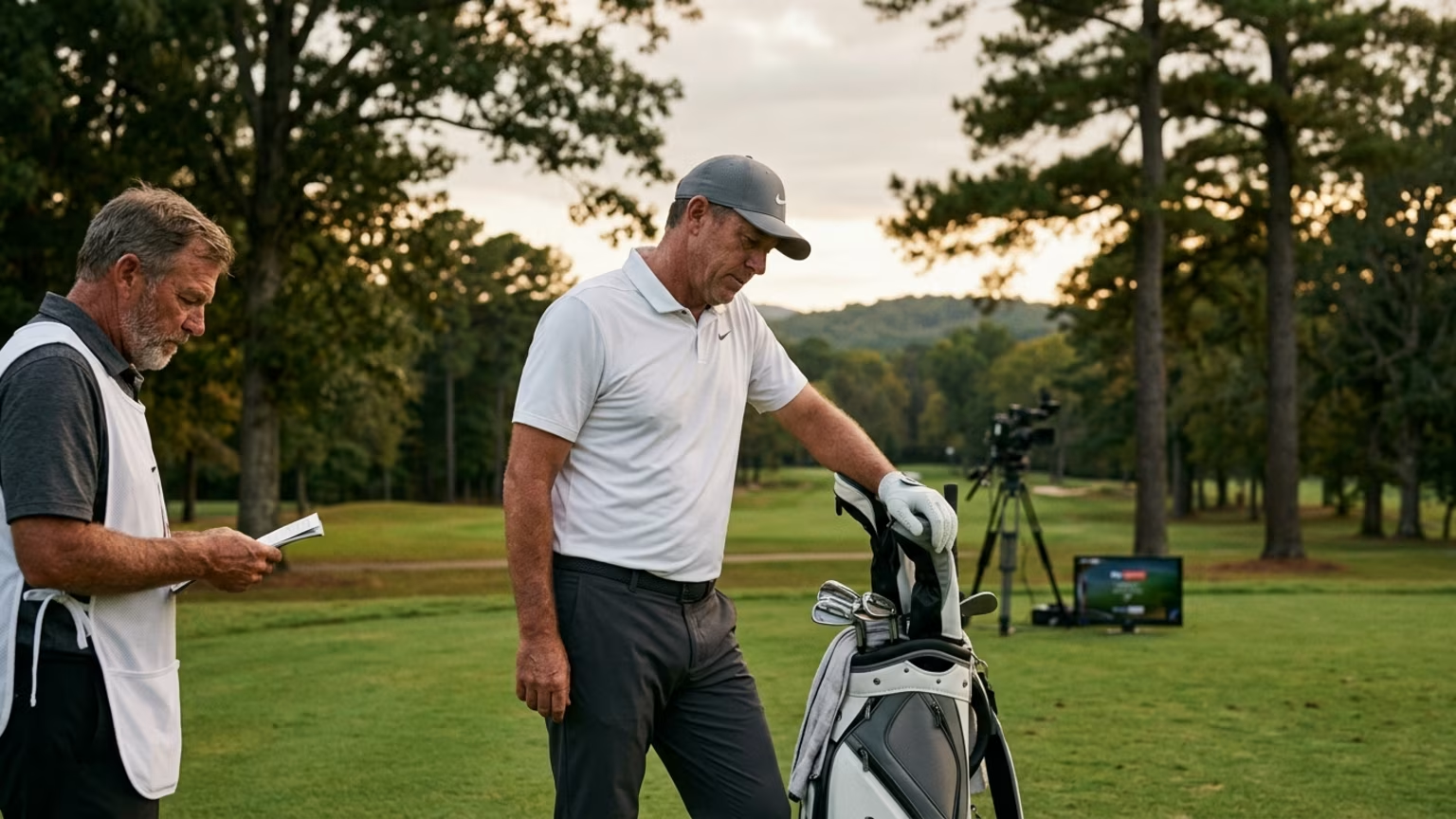

Sky Sports Tour Championship coverage highlights the severe physical toll of hot late-season golf. Learn how golfers over 40 can pace themselves and recover.




A 48-year-old amateur watches Sky Sports coverage of the 2026 Tour Championship at East Lake Golf Club. He sees professionals grinding through hot Friday rounds and immediately decides to copy their intense routines. Hitting a large bucket of balls after a grueling round is the fastest way to lose speed and tweak your lower back. Amateurs mimicking elite athlete workloads will quickly ruin their weekend.
Mainstream golf culture constantly pushes the idea of grinding through fatigue. Players are told to hit the practice tee immediately following a bad round. Television commentators praise professionals who spend hours fixing their driver after signing their scorecard. This culture glorifies beating balls until your hands bleed.
Older bodies react poorly to this heavily repeated wisdom. Recreational golfers often believe that more reps equal better scores on the weekend. They treat the practice tee like a punishment zone after a frustrating day. This approach ignores the reality of tissue tolerance in athletes over forty.
The aging spine cannot handle hundreds of extra rotational forces after walking five miles. Muscular recovery takes much longer as we age. Professional golfers have massive support systems to manage their physical output. They receive physical therapy, tailored nutrition plans, and scheduled rest periods.
The amateur golfer simply throws their clubs in the trunk and drives home. Expecting your body to recover like a tour professional is completely unrealistic. The mature golfer lacks the physiological reserves to handle excessive practice volume. Pushing through joint pain only creates long-term mobility issues.
You cannot outwork a poorly managed recovery protocol. Every swing taken during a state of high fatigue reinforces bad mechanical habits. Your brain tries to protect tired muscles by altering your natural movement patterns. This compensation leads to restricted hip turns and excessive lower back strain. Hitting extra balls under these conditions actively destroys your golf swing.
The true culprit behind late-round collapses is unmanaged physical fatigue. You lose the ability to maintain posture when your core muscles tire. This subtle breakdown changes your swing path and ruins your ball striking. Most players blame their technique when their physiology is actually failing them.
The recent tournament schedule clearly showed the toll of consecutive long days. Event reporting indicated that Min Woo Lee opened with an eight-under-par 62. He then followed it with a three-over-par 73 and dropped 14 places according to event reporting. Scoring volatility happens when players face demanding conditions over multiple days.
Heat drastically accelerates this physical decline on the golf course. The forecast cited in event coverage called for humid conditions, a possible thunderstorm, and a high of 88°F. Managing these elements requires a specific plan rather than sheer willpower. Ignoring the weather will only speed up the onset of muscle cramps.
Dehydration severely impairs cognitive function and physical coordination. Golfers often fail to recognize the signs of heat stress until it is too late. The brain struggles to compute yardages and read greens when the body is overheated. A tired golfer is guaranteed to make poor strategic decisions.
The demand placed on your central nervous system during a competitive round is massive. Every full swing requires explosive power and precise coordination. This constant neurological output drains your battery rapidly in warm conditions. You have to stop viewing fatigue as a weakness and start treating it as a physiological reality.
Many recreational players consume heavily processed snacks or alcohol mid-round. These choices force your digestive system to work overtime in the heat. Blood gets diverted away from your working muscles to process these heavy items. This internal battle leaves your arms and legs feeling incredibly heavy by the fifteenth hole.
Golfergy recommends a much more grounded approach to multi-day golf events. You must prioritize pacing and heat management over relentless mechanical practice. Start by reducing your practice volume significantly before a big weekend. Save your energy for the actual rounds instead of wasting it on the range.
You need to manage your body carefully while on the course. Focus entirely on turning your trail hip during a light warmup. This isolates a small movement and prepares your body safely without causing unnecessary strain. Efficient warmups protect your energy reserves for the closing holes.
The National Weather Service advises people in extreme heat to drink fluids, stay out of direct sun, and use air-conditioned environments where possible. Finding shade between shots is a critical strategy for maintaining energy. Standing in direct sunlight drains your reserves much faster than walking. Proper environmental management is a highly effective performance tool.
The National Weather Service heat warnings emphasize the increased risk of heat-related illness during extreme conditions. Taking these warnings seriously keeps you healthy and ready for the next tee shot. You should sip water continuously rather than chugging large amounts on the back nine. Consistent hydration stabilizes your blood volume and regulates your body temperature.
Many players struggle to transition from aggressive play to smart recovery. Choosing active recovery vs. a day off can make a huge difference in how you feel. A light walk or gentle stretching is often better than complete rest. Focus on deep breathing to lower your heart rate after a stressful hole.
Experienced players treat the time between rounds as a recovery problem. They prioritize sleep, hydration, and solid meals over technical swing thoughts. You can read about how smart fueling prevents fatigue and protects your golf swing for practical ideas. Consistent habits off the course dictate your physical resilience on the fairways.
Pacing your walking speed is another highly effective tactic. Rushing to your golf ball spikes your heart rate and increases your body heat. Slowing down your physical pace helps control your mental anxiety. Deliberate pacing allows your body to clear metabolic waste between swings.
Planning your post-round meal is just as critical as your warmup routine. You need complex carbohydrates and high-quality protein to repair damaged muscle fibers. Eating a nutritious dinner replenishes your glycogen stores for the next morning. Skipping meals will leave you entirely depleted for your upcoming tee time.
Understanding your physical limits is the first step toward better longevity in the sport. You should track how your body feels after hot and demanding rounds. Implementing a systematic approach to post-round physiological recovery provides a structured protocol for the mature golfer. Small adjustments to your routine will keep you playing pain-free golf for years.
Pay close attention to your daily habits outside of the golf course. Quality sleep and sensible nutrition create the foundation for athletic longevity. Proper rest periods allow your central nervous system to reset fully. You will notice a profound difference in your late-round stamina by respecting these simple principles.
Listen to your joints when they signal distress after a long walk. Pushing past sharp pain will only result in a frustrating injury. Taking a conservative approach to your practice schedule yields much better long-term results.
Skip the post-round range session entirely tomorrow and drink twenty ounces of water instead.
Follow Golfergy for practical insights on performance, mobility, recovery and healthy ageing. Stay connected for new articles, research-led guidance and ideas to help you play better for longer.


Review elbow and wrist pain patterns in golf through symptom notes, practice changes, ground contact and grip condition, without assuming a quick fix.


Tiger Woods’ 2017 Dubai withdrawal offers a measured lesson for golfers over 40, with NHS guidance on when back pain needs medical attention.

Understand a stiffer golf turn, notice changes without self-diagnosis and learn when comfortable movement or individualized advice may help.
Explore practical resources on performance, recovery, mobility and golf longevity.
Read the Blog