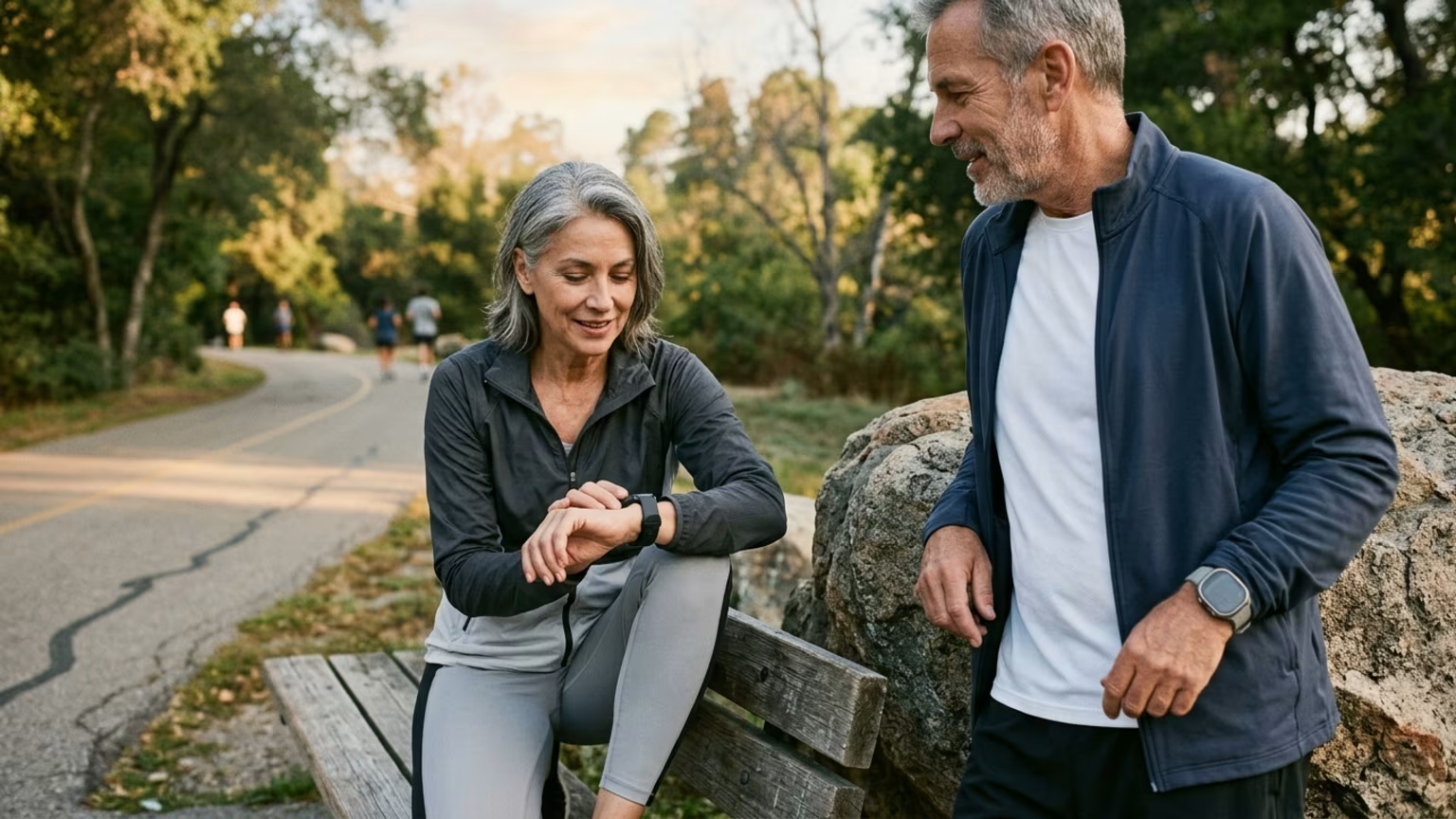

Samsung's Galaxy Watch Ultra2 and Watch9 introduce training load and recovery metrics. Learn how golfers over 40 can use this data to manage fatigue.




You finish walking a hilly golf course, load your clubs into the car, and feel tension settling into your lower back. Tomorrow brings another tee time, but you have no idea if your body is actually prepared for it. Samsung Electronics recently introduced the Galaxy Watch Ultra2 and Watch9, shifting the wearable conversation directly toward recovery management. According to Samsung, its new Daily Cardio Load feature requires at least seven days of activity records to establish a baseline, while 28 days of continuous wear is recommended for optimal accuracy.
These new wearable devices are designed to provide much more than basic step counting. Samsung Health combines your daily activity, heart rate, and sleep data to help you interpret your current physical conditioning. The central training metric is Daily Cardio Load, which uses your exercise history to estimate your recent physical demand. A 91mobiles review identifies Daily Cardio Load as a practical tool for workout and recovery guidance.
To get a complete picture of your rest, the watches track multiple vital signs while you sleep. Samsung Health’s Vitals feature monitors your overnight heart rate, heart-rate variability, and respiratory rate. It also tracks your skin temperature and blood oxygen to provide a complete picture of your sleep. Samsung’s product information says initial setup requires wearing the watch for seven out of 28 nights to establish the relevant baseline.
The system also includes a Fitness Index intended to evaluate your overall physical condition over time. The New York Times Wirecutter describes the Fitness Index as a tool that averages information across strength, cardio, and body composition. It also factors in your endurance and flexibility. By combining these categories, the watch aims to identify specific areas needing improvement rather than judging one isolated workout.
All of these inputs are combined to generate a Heart Health Score for the user. This score summarizes multiple wellness inputs into a highly accessible cardiovascular indicator. Samsung describes the Heart Health Score as drawing on factors including sleep, physical activity, stress, and body-composition information. It provides a simple snapshot of your physical state before you head to the first tee.
A casual round of golf can feel like a light workout, but the physical tax accumulates rapidly for older players. A single weekend might involve walking 18 holes, hitting a large bucket of balls, and completing a gym session. This combination creates a substantial physical burden that often goes unnoticed until muscle fatigue sets in. Older golfers face a unique challenge because lost flexibility can severely compound the stress of repeated rotational movements.
This makes the flexibility category within the Fitness Index particularly useful for the mature player. You might walk regularly and maintain excellent cardiovascular health, but your thoracic spine mobility could still be lacking. Placing flexibility alongside cardio and strength provides a more honest view of your golf readiness. Samsung Electronics Indonesia product marketing manager Tipe Sultan said that exercise is not only about how often a person trains but also about how appropriately the training is performed.
If you ignore compounding fatigue, your body will eventually force you to rest through joint pain or poor swing mechanics. A high activity load paired with poor overnight metrics is a clear signal to prioritize recovery over intense practice. Learning how to balance your golf training load and soreness is the key to playing consistently throughout the season. Monitoring these physical factors helps you recognize when you are pushing your body too hard.
Taking steady action based on your wearable data can prevent minor aches from turning into major physical limitations. A few years ago, I noticed my swing falling apart around the 14th hole. My lower back would tighten up, and I started compensating with my arms. I spent months thinking it was a swing flaw.
It was not until I started a simple evening hip mobility routine that I realized my glutes were just turning off from fatigue. Fixing that one physical limitation brought my back nine scores down drastically. When your watch indicates a rising physical load, you should adjust your practice sessions proactively. You can shorten your time on the driving range or focus entirely on turning your trail hip during a gentle stretching routine.
Building a structured return-to-golf load plan for physical resilience is a great way to handle spikes in your daily activity. If your watch shows a green or manageable load, you can safely proceed with a full-speed practice session. However, if your metrics look poor after a heavy walking round, take a rest day instead of forcing more swings. Using the watch to adjust your daily volume is far better than changing your swing technique to compensate for tired muscles.
Tracking daily wellness markers to measure on-course readiness keeps you honest about your actual energy levels. A slow mobility session is valuable for maintaining your range of motion without producing a large cardiovascular signal. You should view your wearable data as just one part of your overall recovery strategy.
While wearable technology offers excellent insights, it is vital to keep your expectations grounded in reality. The Galaxy Watch Ultra2 is listed at $699.99 in United States coverage. A 91mobiles review reported approximately 2.5 to three days of battery life for the Ultra2 under its particular testing pattern. The Watch9 is available in different sizes and connectivity configurations to suit different wrist profiles.
Before purchasing either device, you must understand that feature availability can vary significantly depending on your location. Samsung’s regional product pages warn that model and color availability may vary by country or carrier. The feature set and supported phone requirements differ by market and configuration. Understanding these details will help you choose the right tool for tracking your daily activity and recovery needs.
You must remember that a single daily score does not override your actual physical reality. Reject the idea of chasing the perfect recovery numbers of a 25-year-old athlete. A low physical load score does not matter if you have sharp pain in your knee or an irritated elbow tendon. You should treat these devices as trend-monitoring companions rather than absolute medical authorities.
Your heart rate can also increase from simple mental stress, tournament pressure, or unusually hot weather conditions. Samsung warns that Daily Cardio Load values can rise when your heart rate increases from tension or anxiety. A high value may indicate physiological strain without identifying the precise source of your fatigue. You must use your own common sense to interpret what the data actually means for your golf game.
Numbers do not lie: monitoring your physical load is a practical way to preserve your body for the back nine. By combining objective wearable metrics with smart rest, you can keep playing consistently without burning out.
Follow Golfergy for practical insights on performance, mobility, recovery and healthy ageing. Stay connected for new articles, research-led guidance and ideas to help you play better for longer.


Rest or move the day after 18 holes? Use fatigue, soreness, symptoms and your playing schedule to guide a flexible recovery day.


Compare foam rolling, massage, compression, heat and cold for golfers, with comfort benefits kept separate from performance and injury claims.
A measured guide to stiffness during and after golf, with gentle movement options, sustainable habits and NHS-backed back-pain warning signs.
Explore practical resources on performance, recovery, mobility and golf longevity.
Read the Blog


