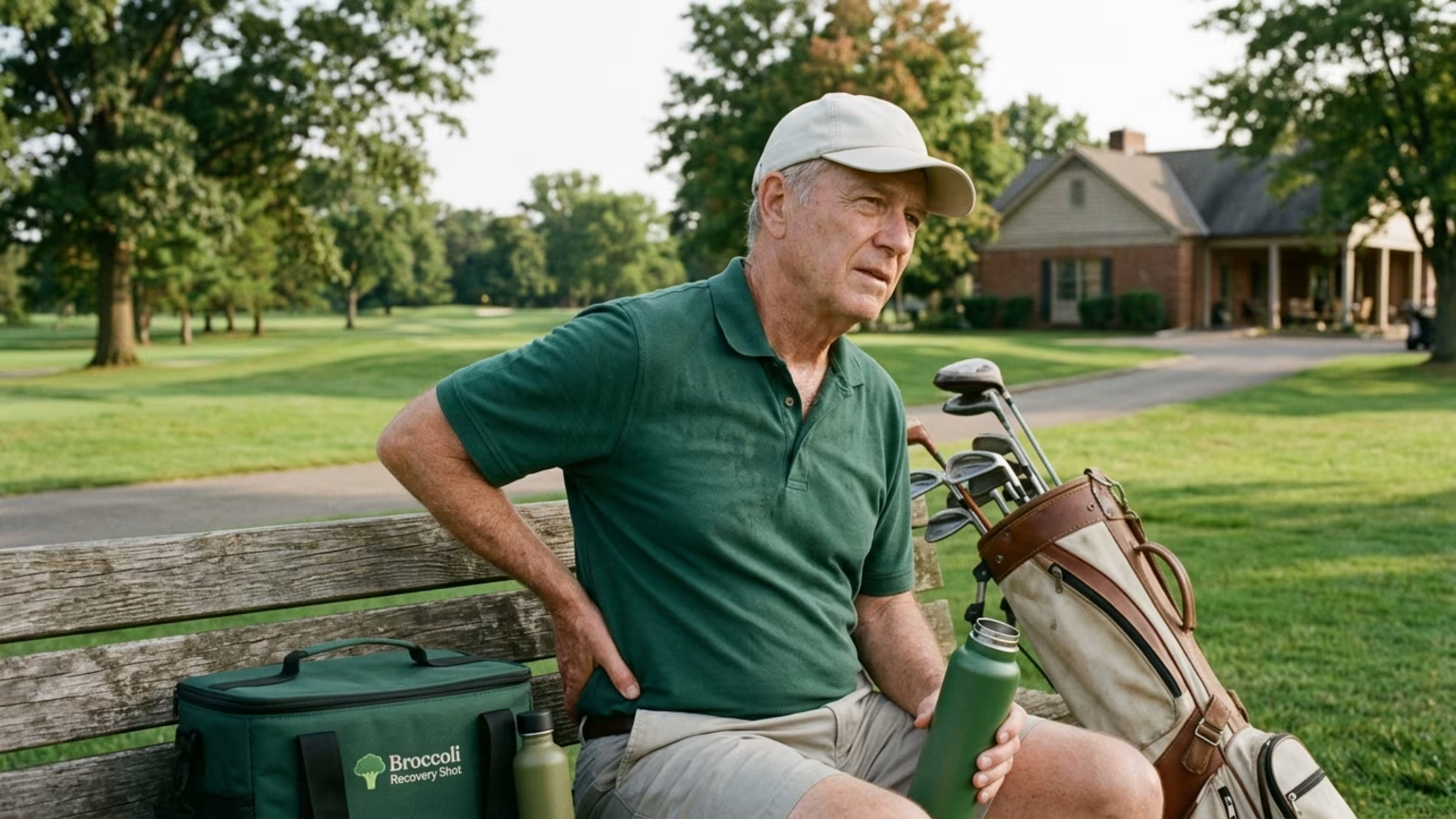

AOL reports on Nomio's new broccoli-based ITC shot for athletes. Learn how older golfers can use targeted recovery nutrition to manage swing fatigue.




On August 15, a veteran professional withdrew from a major qualifier because of overwhelming leg stiffness. He could not complete a single practice swing without wincing. Managing this exact type of physical stress is why Nomio, a Swedish performance company, recently launched a concentrated 60-milliliter broccoli-sprout shot. AOL reported the brand designed this product to help athletes handle demanding training and support recovery.
Tour professionals spend thousands of hours fine-tuning their bodies for multi-day events. Recreational players face the exact same physical burdens without the benefit of a traveling medical team. The sports nutrition market constantly searches for natural ways to ease this physical toll. Now, new plant compounds are entering the conversation for mature athletes looking to bounce back faster.
When you hit dozens of aggressive drives, your muscle fibers experience micro-tears. This repeated force creates oxidative stress inside your cells. Your system must clear this metabolic waste quickly before your next tee time. If your natural repair timeline is too slow, your muscles stay inflamed and you lose rotational flexibility.
Nomio built its shot around isothiocyanates, commonly known as ITCs. These specific chemical compounds are naturally found in cruciferous vegetables like broccoli and Brussels sprouts. The biological rationale focuses on how ITCs might activate a cellular pathway called NRF2. This specific signaling network manages how your body reacts to severe physical exertion.
Activating this biological network could theoretically prepare your system for an impending workout. The company recommends taking their shot approximately three hours before a demanding session. They expect the relevant physiological response to peak within that specific window. The brand states that one serving contains bioavailable ITCs comparable to approximately 2.5 to 3 kilograms of raw broccoli.
The current clinical research provides interesting but preliminary data. A 2026 double-blind crossover trial examined 14 healthy adults who took a broccoli-seed-derived sulforaphane precursor. The test intervention used a capsule standardized to 13 percent glucoraphanin for two weeks before a maximal cycling test. It also included mustard-seed powder to help the body convert glucoraphanin into sulforaphane.
The trial found lower creatine kinase and myoglobin values during the supplementation phase compared to a placebo. The published data reported capsule effects of p = 0.032 for creatine kinase and p = 0.008 for myoglobin. Lowering these specific biomarkers suggests a reduction in immediate muscle damage.
An earlier nine-person study discussed by AOL noted lower lactate accumulation during submaximal exercise. A recent review described beetroot-derived nitrate as having a broader performance literature. This same review characterized broccoli-derived ITCs more in terms of training resilience and lactate management. Nomio prominently claims an average 12 percent reduction in lactate at a fixed intensity level on its website.
However, this remains a company marketing claim rather than a universally proven fact for golfers. The 2026 trial noted no significant improvement in endurance capacity, perceived soreness, or exercise time. Biomarker changes do not automatically mean you will feel less sore the next morning.
Elite tour players maintain incredible conditioning to handle extreme physical stress. Golfers over the age of 40 face a much higher risk of joint stiffness. Our connective tissue loses some of its natural elasticity as we age. We also recover much slower between heavy practice sessions.
You might never swing a driver at 120 miles per hour. Yet your spine and hips still absorb massive rotational forces on every single iron shot. A heavy practice block places tremendous demands on older muscles, making it critical to manage your training load and recovery responses. If your cellular repair mechanisms lag behind your activity level, you will struggle late in the round.
The wider sports nutrition trend is shifting toward highly targeted products. Taking a shot three hours before a round illustrates this precise timing-based approach. Yet older adults differ significantly from younger adults in cardiometabolic health and digestion. A pre-round supplement cannot magically repair a poorly conditioned body.
Proper recovery nutrition must be viewed across the full interval between your rounds. Relying on a single drink to suppress immediate soreness misses the larger picture. The American Academy of Orthopaedic Surgeons recommends a comprehensive approach to injury prevention. They explicitly advise maintaining adequate hydration before, during, and after your round.
A progressive warm-up routine is your best defense against cumulative fatigue. I used to stand on the first tee doing long, static hamstring stretches because I thought it was the right way to warm up. I would actually feel weaker on my first drive. Research later showed me that dynamic movements, like leg swings and torso twists, prime the nervous system much better. Changing my five minute warmup completely transformed my opening tee shots.
Start your practice session by hitting smooth shots with your wedges. Gradually progress toward full swings with your longer irons and driver. Focus entirely on turning your trail hip smoothly. You should balance intense practice with active recovery protocols to keep your joints healthy.
Many recreational players mistakenly believe a concentrated extract matches the benefits of whole foods. This assumption can derail a healthy diet. The claim that one serving equals 2.5 to 3 kilograms of raw broccoli refers strictly to the ITC content. The shot does not provide the dietary fiber, vitamins, or minerals found in real vegetables.
Another common error involves testing a new product on the day of a major tournament. You should always introduce new protocols during a casual practice round. The cited studies strictly observed healthy young adults rather than older golfers. We lack definitive proof that broccoli extracts prevent golf injuries or extend playing longevity.
A mature athlete needs a sensible weekly activity strategy to stay on the course. You must prioritize carbohydrate intake and consistent sleep over isolated supplements. Anyone taking prescription medication should discuss concentrated extracts with a qualified doctor first.
Sports science continues to refine how athletes prepare for intense competition. Products featuring broccoli-derived ITCs offer a fascinating look into targeted cellular recovery. They might help lower specific muscle damage markers under heavy strain. They are simply one small tool in a much broader physical maintenance plan.
Your main priority should be monitoring your total swing volume and scheduling adequate rest. Pay close attention to how your body responds the morning after a demanding session. Adjust your practice workload based on your actual stiffness and energy levels.
Commit to drinking water consistently and performing dynamic stretches before your next tee time. What adjustments will you make to your mobility routine this season to steer clear of this hazard?
Follow Golfergy for practical insights on performance, mobility, recovery and healthy ageing. Stay connected for new articles, research-led guidance and ideas to help you play better for longer.


Rest or move the day after 18 holes? Use fatigue, soreness, symptoms and your playing schedule to guide a flexible recovery day.


Compare foam rolling, massage, compression, heat and cold for golfers, with comfort benefits kept separate from performance and injury claims.
A measured guide to stiffness during and after golf, with gentle movement options, sustainable habits and NHS-backed back-pain warning signs.
Explore practical resources on performance, recovery, mobility and golf longevity.
Read the Blog


