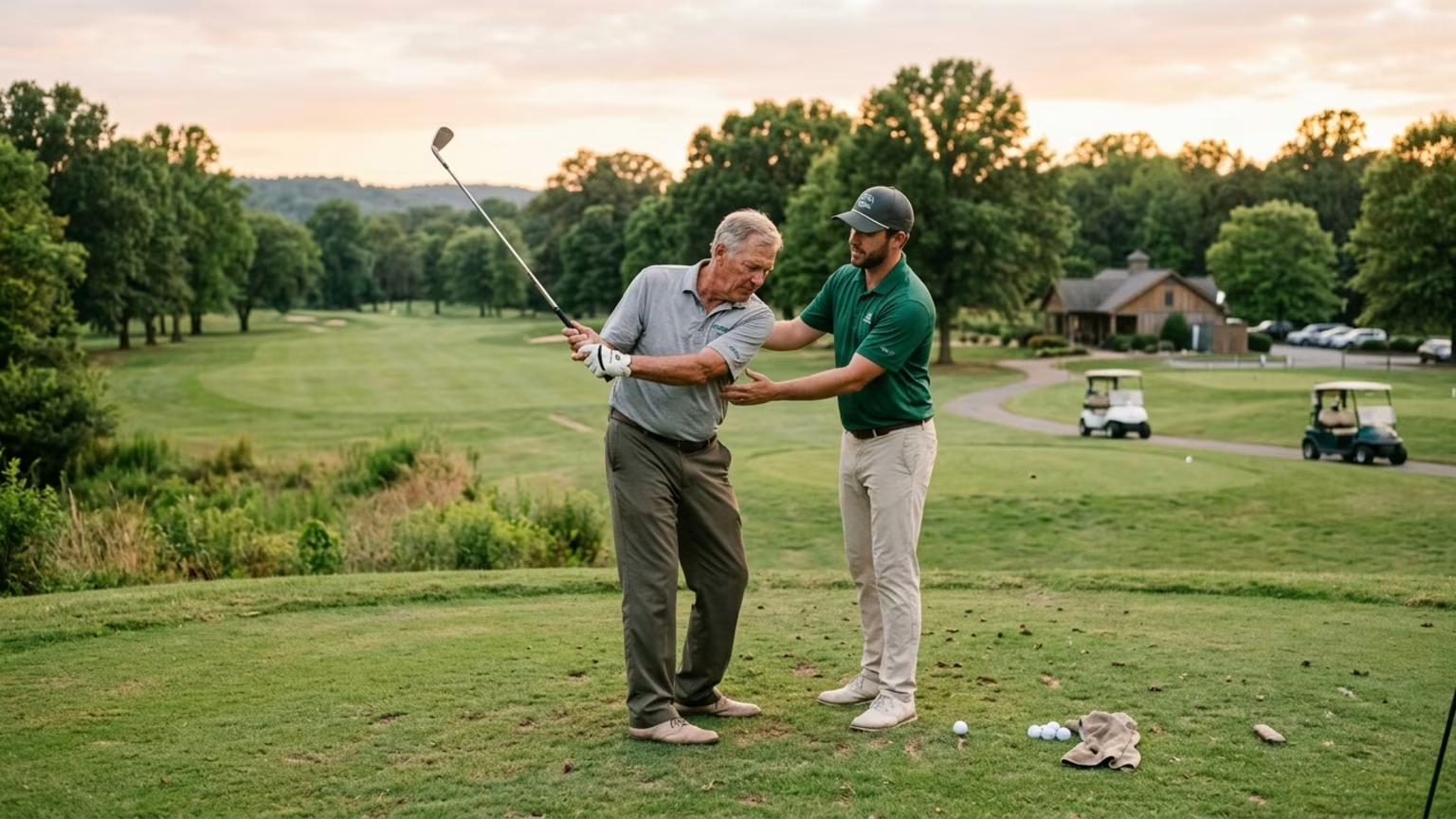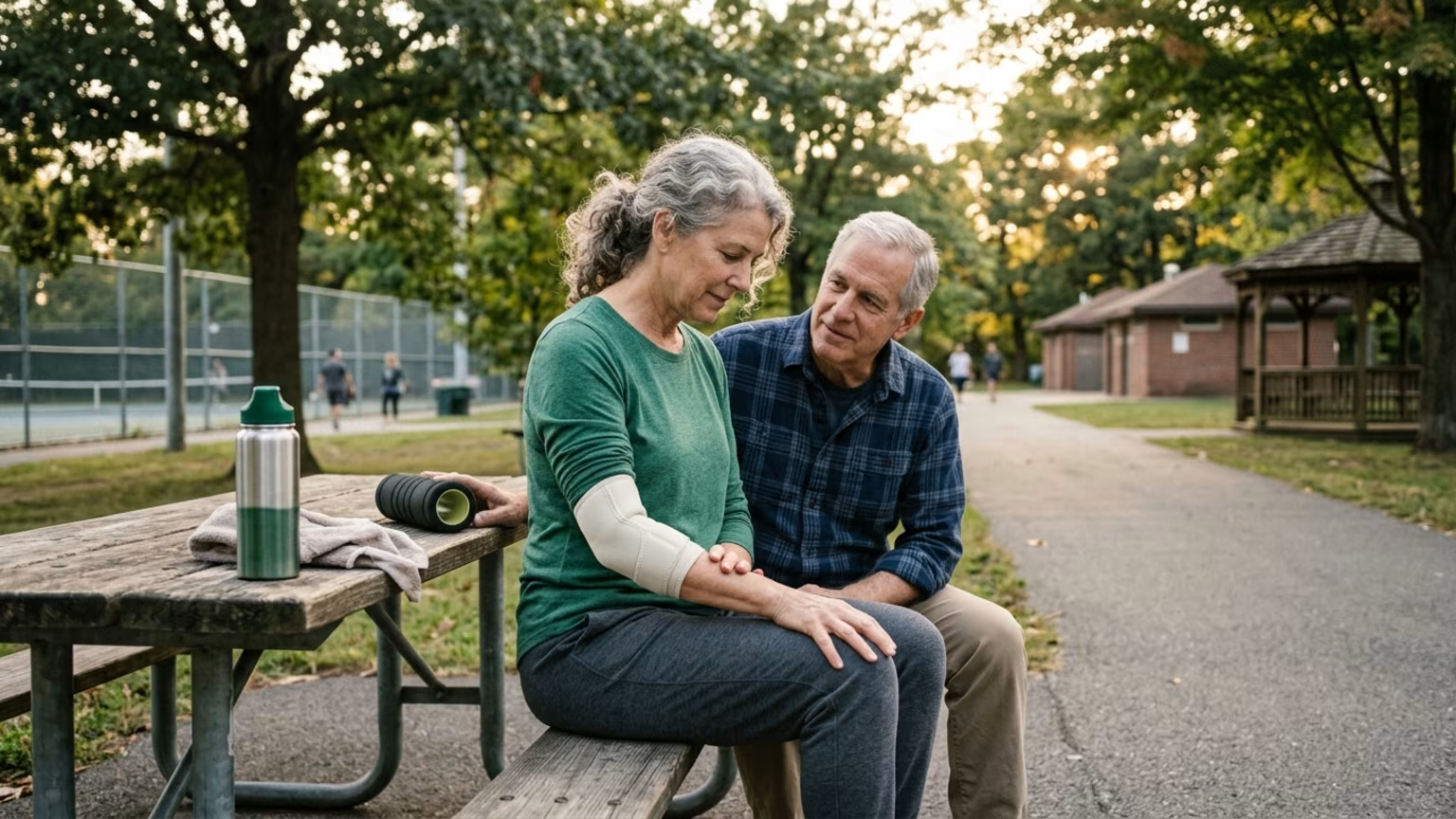

Learn how osteoporosis changes tennis elbow management for older golfers. We share practical practice and recovery adjustments to protect your tendons and bones.




On September 17, 2026, Kim Sang-hyun of the Hyunmyoung Neurosurgery Clinic updated clinical guidance on lateral epicondylitis management. The guidance detailed how coexisting osteoporosis alters the treatment of this common outer elbow issue. The report highlighted overlapping risk factors like older age and hormonal changes. It also advised careful load progression to protect both the tendon and the underlying bone.
In our experience, the saddest thing I have seen in golf is watching lifelong playing partners slowly drop out of our weekend group. It usually starts with a nagging shoulder or knee issue they ignore until it requires surgery. That pattern is exactly why we became obsessed with golf longevity. We do not have to stop playing as we age, provided we do the right maintenance work between rounds.
Tennis elbow is a painful tendon disorder that directly affects the wrist-extensor attachment on the outside of the elbow. Osteoporosis is a systemic condition characterized by reduced bone mineral density and weakened bone microstructure. These two distinct conditions may coexist more often in older adults and postmenopausal women because of overlapping hormonal and metabolic factors. The Hyunmyoung article argues that reduced bone quality around the elbow may weaken the exact interface where the tendon meets the bone.
When you grip a golf club tightly, your forearm muscles pull constantly on that outer elbow attachment point. If the underlying bone microstructure is compromised by osteoporosis, the tendon attachment site becomes highly vulnerable to accumulated microdamage. This structural weakness at the bone level can lead to slower recovery times or a higher rate of recurring pain. A weakened tendon-bone interface simply cannot handle the sheer force of a violent golf swing without adequate rest. You cannot treat the tendon issue in isolation if the bone supporting it is fragile.
This anatomical relationship explains why rest alone might not immediately resolve a stubborn case of tennis elbow. The tendon needs time to heal, but the weakened bone interface also requires a very gradual reintroduction to mechanical stress. Pushing through the pain to finish a round only exacerbates the microdamage at the cellular level. Older golfers must realize that their structural foundation requires more patience than it did in their twenties.
Many recreational players assume outer elbow pain is just normal soreness from hitting too many range balls. The Hyunmyoung guidance explicitly advises seeking medical evaluation when lateral elbow pain lasts two to three weeks or longer. This timeline is especially relevant if the pain is accompanied by reduced grip strength or prolonged morning stiffness. You should also consult a medical professional if you experience night pain or severe symptoms following a sudden fall.
Persistent pain could indicate a much more complex issue than a simple muscular strain. Older adults should recognize the subtle physical signals that warrant medical attention rather than dismissing them as a harmless ache that will fade. A lingering ache might suggest underlying bone density issues, an actual tendon tear, or even neurological complications. Ignoring these clear signals often leads to a longer layoff from the game, making the two-week pain window a smart benchmark for joint preservation.
Experienced golfers over 40 face a unique set of compounding physical risks on the golf course. While elite professionals swing with massive speed, older amateurs often suffer from poor mechanics and age-related tissue changes. Hoag Orthopedic Institute lists overswinging, excessive swing speed, and repeated ground impact among possible contributors to golfers' tennis elbow. When you combine those aggressive swing habits with a natural loss of tendon elasticity, the outer elbow takes a massive beating.
Older players also face overlapping systemic risks that younger athletes completely avoid. Menopause, low body weight, thyroid disease, and long-term steroid use all contribute to reduced bone mineral density over time. The Hyunmyoung clinic notes that men should not be excluded from bone-health assessments, because conditions like thyroid disease can also compromise male bone density. If a golfer has fragile bones, a sudden fall on the course can severely overload the arm when they brace against the ground.
Furthermore, many players gripping the club too tightly are unconsciously trying to compensate for a lack of torso rotation. When the hips and shoulders stop turning efficiently, the hands and arms are forced to generate power. This upper-body dominance sends massive shockwaves directly into the lateral epicondyle during heavy ground impacts. Fixing your body rotation is often the best long-term defense against localized arm injuries.
Swing flaws are not just cosmetic issues when bone density is a concern. A steep, descending blow into firm turf magnifies the vibration traveling up the golf club shaft. Older players should consider adopting a shallower swing plane to clip the ball cleanly without taking a massive divot. Smoothing out your swing transition can drastically lower the peak forces placed on your lead arm over an entire round.
The most effective way to prevent outer elbow pain is to manage your practice volume carefully throughout the season. You must avoid sudden increases in grip-force demand, swing speed, or impact exposure after a long winter layoff. Hoag Orthopedic Institute recommends proper warm-up routines, suitable equipment, and scheduled rest days to protect your joints from sudden trauma. Taking frequent breaks while hitting off firm driving range mats and avoiding deep rough will reduce this physical stress.
Consider evaluating your club grips as part of your overall injury prevention strategy. Worn or improperly sized grips force your hands to squeeze harder, which places constant tension directly on the wrist extensors. Replacing old grips and wearing a supportive brace during repetitive activity might help distribute the tendon load more evenly. However, a brace should never be treated as permission to continue painful, repetitive practice sessions without rest.
Recovery between rounds is another area where older players must adapt their habits. The days of playing thirty-six holes followed immediately by a heavy range session are likely over. Your tendons require adequate circulation and rest to repair the minor tears accumulated during a typical round. Adopting active recovery techniques like light walking or gentle stretching helps flush out stiffness before your next tee time.
If you are actively recovering from a flare-up, the Hyunmyoung guidance favors beginning with low-intensity isometric exercises. You can then progress your forearm resistance gradually over time, allowing adequate recovery between sessions. Reduce the intensity of your workouts immediately if symptoms resurface or worsen. Proper conditioning helps immensely with safeguarding your upper body joints from repetitive strain throughout a busy summer golf schedule.
You must also incorporate basic fall prevention into your course management routine. Pay close attention to poor traction, bad lighting, and uneven trip hazards around the golf course. Building general lower-body strength and balance will help you avoid the kind of bracing impact that easily fractures osteoporotic wrists. Focusing on safe movement around the course is just as valuable as perfect swing mechanics.
Many frustrated players hope a quick cortisone injection will solve their elbow pain entirely overnight. Corticosteroid injections may provide short-term relief, but the Hyunmyoung clinic advises caution with repeated injections. Repeated steroid use presents possible local-tissue and systemic bone-metabolism concerns that older golfers cannot ignore. Masking the elbow pain with repeated shots might harm your overall bone density further in the long run.
Even alternative treatments like platelet-rich plasma or autologous blood injections require realistic expectations. The clinic presents these injection options as possible alternatives in selected cases, while acknowledging conflicting evidence and individual variability in patient outcomes. There is simply no magic bullet that instantly restores a degraded tendon attached to osteoporotic bone. Consistent, gentle rehabilitation guided by a physical therapist offers a much more reliable path back to the fairway.
Surgical options also become highly complicated when systemic osteoporosis is present in the patient. According to the guidance article, reduced bone quality may require surgeons to modify fixation planning for suture anchors or screws. Surgeons might also need to delay your postoperative strengthening routine to protect the fragile bone safely. Rest and gradual physical therapy are consistently preferred over rapid medical interventions, and players dealing with inner elbow pain should separately study rehabilitating medial tendon strain because it involves completely different biomechanics.
Protecting your golf game long-term means treating tendon rehabilitation and bone health as closely connected priorities. Taking a few extra rest days and easing into your practice sessions will keep you playing comfortably for years to come. What adjustments will you make to your mobility routine this season to steer clear of this hazard?
Follow Golfergy for practical insights on performance, mobility, recovery and healthy ageing. Stay connected for new articles, research-led guidance and ideas to help you play better for longer.


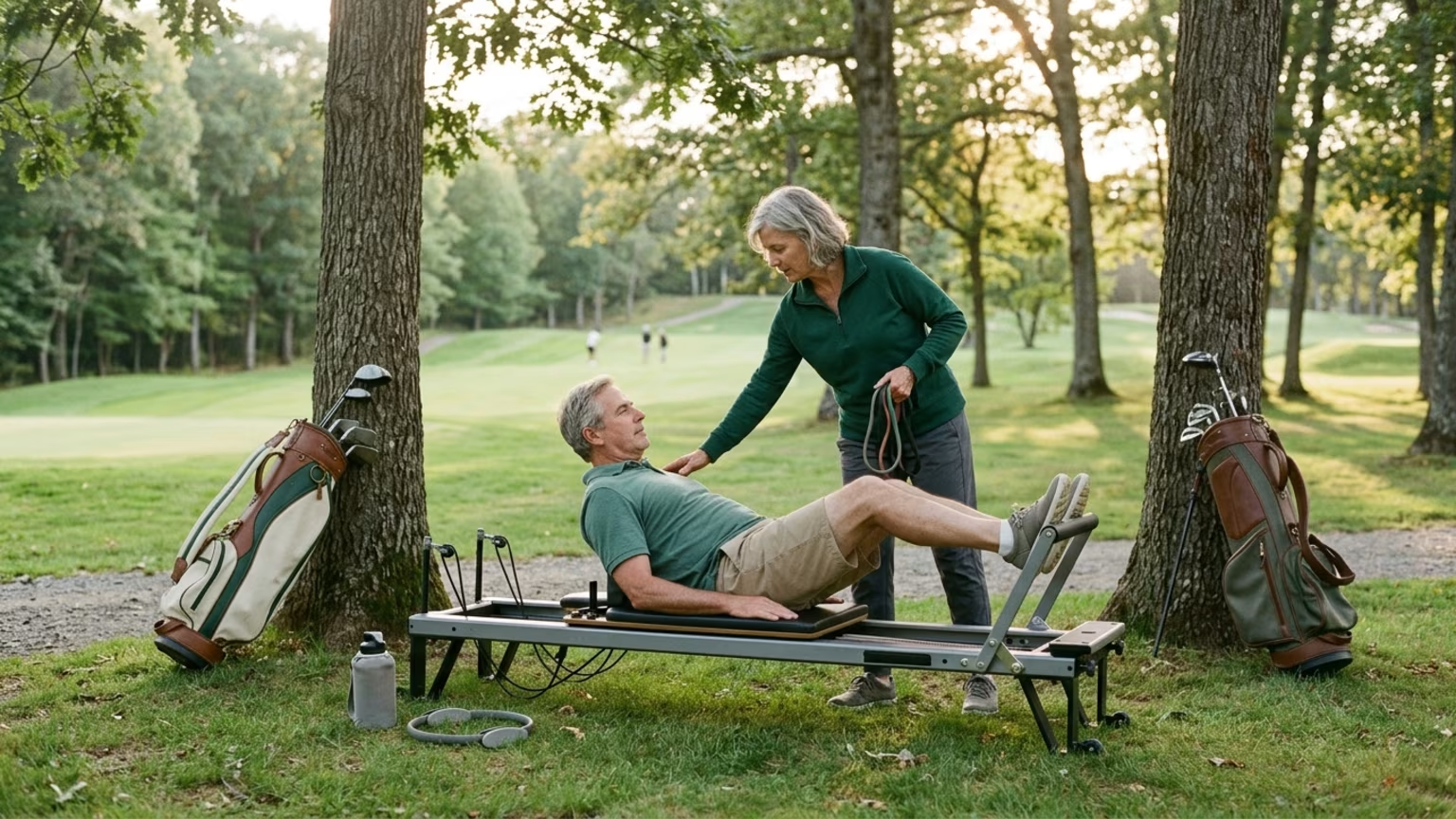
Learn how older golfers can use Pilates Reformer training to manage physical stress, build rotational strength, and protect their lower back from injury.


Motocaddy's electric caddies arrive at the 2027 Molly Collegiate Invitational. Learn why reducing carrying fatigue helps older golfers protect their backs.
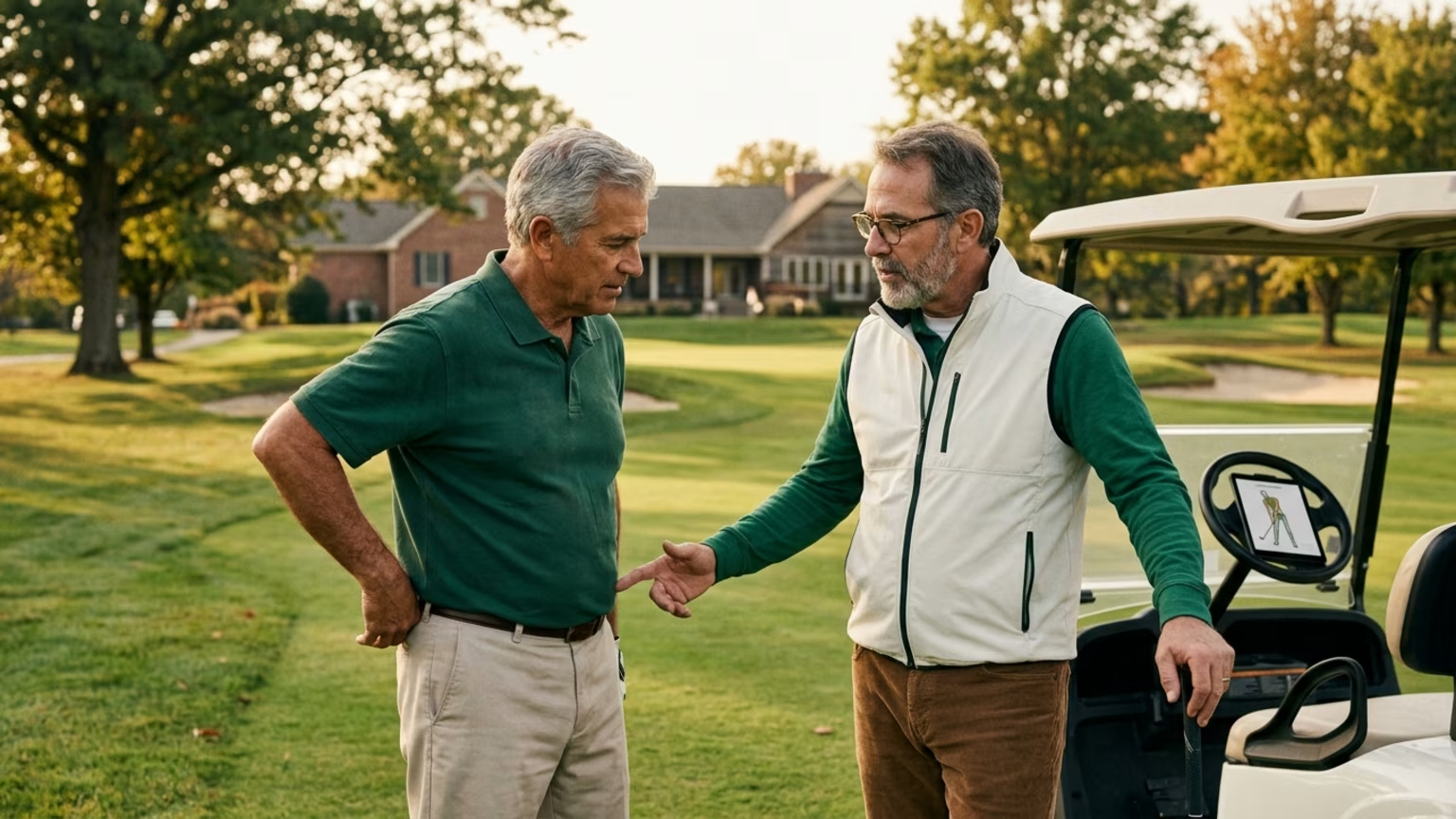
Learn how PhD-level golf biomechanics coaching uses structured movement screening to identify swing flaws that overload your lower back and wrists.
Explore practical resources on performance, recovery, mobility and golf longevity.
Read the Blog